• KGS/USD = 0.01144 0%
  • KZT/USD = 0.00211 0%
  • TJS/USD = 0.10460 0.19%
  • UZS/USD = 0.00008 0%
  • TMT/USD = 0.28490 0%
  • KGS/USD = 0.01144 0%
  • KZT/USD = 0.00211 0%
  • TJS/USD = 0.10460 0.19%
  • UZS/USD = 0.00008 0%
  • TMT/USD = 0.28490 0%
  • KGS/USD = 0.01144 0%
  • KZT/USD = 0.00211 0%
  • TJS/USD = 0.10460 0.19%
  • UZS/USD = 0.00008 0%
  • TMT/USD = 0.28490 0%
  • KGS/USD = 0.01144 0%
  • KZT/USD = 0.00211 0%
  • TJS/USD = 0.10460 0.19%
  • UZS/USD = 0.00008 0%
  • TMT/USD = 0.28490 0%
  • KGS/USD = 0.01144 0%
  • KZT/USD = 0.00211 0%
  • TJS/USD = 0.10460 0.19%
  • UZS/USD = 0.00008 0%
  • TMT/USD = 0.28490 0%
  • KGS/USD = 0.01144 0%
  • KZT/USD = 0.00211 0%
  • TJS/USD = 0.10460 0.19%
  • UZS/USD = 0.00008 0%
  • TMT/USD = 0.28490 0%
  • KGS/USD = 0.01144 0%
  • KZT/USD = 0.00211 0%
  • TJS/USD = 0.10460 0.19%
  • UZS/USD = 0.00008 0%
  • TMT/USD = 0.28490 0%
  • KGS/USD = 0.01144 0%
  • KZT/USD = 0.00211 0%
  • TJS/USD = 0.10460 0.19%
  • UZS/USD = 0.00008 0%
  • TMT/USD = 0.28490 0%

Kazakhstan Exported Close to a Million Tons of Oil to Germany in 2023

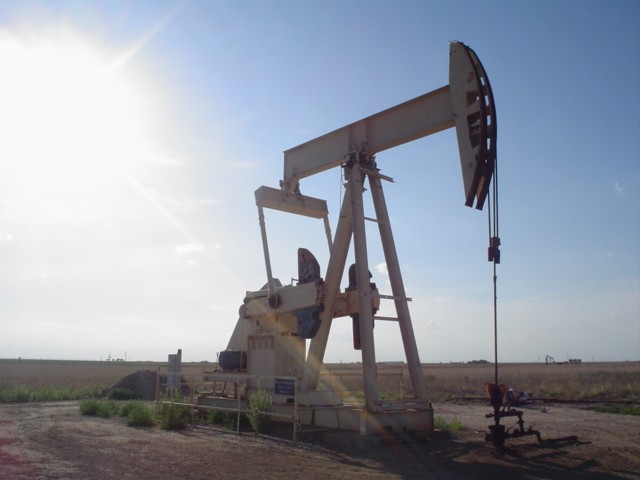
KazTransOil JSC, the national oil pipeline operator and a subsidiary of Kazakhstan’s national oil and gas company KazMunayGas, says it supplied 993,000 tons of oil to Germany in 2023. Oil from Kazakhstan is transported to Germany through the trunk oil pipeline system of the Russian state-controlled pipeline transport company, Transneft.

In January 2024, KazTransOil plans to transport 100,000 tons of oil to Russia for further delivery to Germany. During 2024 as a whole, KazTransOil plans to ship up to 1.2 million tons of Kazakh oil to Germany via the trunk oil pipeline system of Transneft.

Russia Reopens Market for Kazakhstan’s Livestock Products

As of January 15th, the Russian Federation has lifted restrictions on the import of livestock products from Kazakhstan. The decision was made following negotiations last December between the Ministers of Agriculture of Kazakhstan and the Russian Federation, Aidarbek Saparov and Dmitry Patrushev, the Ministry of Agriculture of Kazakhstan has reported.

“This is an important step for the agricultural industries of Kazakhstan and Russia, which helps strengthen trade and economic ties between our countries,” Saparov stated.

The import of Kazakh livestock products to Russia was suspended in January 2022 due to veterinary problems in several regions of Kazakhstan. After a two-year break, the Russian market has reopened to suppliers of livestock products from those regions of Kazakhstan where the vaccination of cattle has been confirmed by the World Organization for Animal Health. In other regions, the vaccination campaign is still ongoing.

Saparov pointed to the fact that trade turnover between the two countries is uneven, with imports to Kazakhstan from Russia far exceeding exports. Therefore, Saparov focused on the potential for increasing the supply of Kazakh products to the Russian market.

In other news, as Russia is currently experiencing an acute shortage of chicken eggs, the Russian side has asked Kazakhstan to increase the supply of eggs. The issue was discussed on January 17th by the Deputy Prime Ministers of Kazakhstan and Russia, Serik Zhumangarin and Alexey Overchuk. Zhumangarin instructed the Ministry of Agriculture to urgently consider this issue and find ways of increasing the supply to border regions of the Russian Federation.

In 2022, Kazakhstan produced more than five billion chicken eggs, 102% of the population’s needs. From January-November 2023, 4.9 billion eggs were produced. During that period, Kazakhstan exported 186.6 million eggs — 114 million to Afghanistan, 70 million to Kyrgyzstan, and 2.6 million to Russia.

European Commission Vice-President’s Visit a “New Impetus” to EU-Turkmenistan Relations

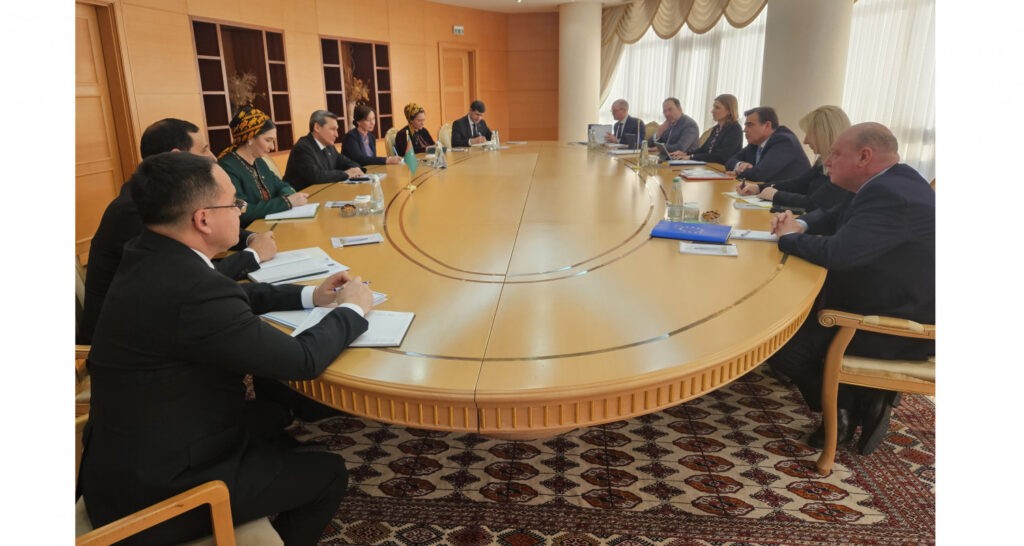
On January 17th, a delegation from the EU led by the Vice-President of the European Commission, Margaritis Schinas visited Turkmenistan as part of its wider tour of Central Asia, with Kazakhstan, Kyrgyzstan, and Uzbekistan being their previous stops. The visit comes ahead of the Europe-Central Asia Investors Forum, which aims at strengthening connectivity by developing transport routes within and between Central Asia and the European Union. It is also a testament to the growing partnership between the EU and the region, said the Delegation of the EU to Turkmenistan.

In Ashgabat, Schinas met with the President of Turkmenistan, Serdar Berdimuhamedov, and the Deputy Chairman of the Cabinet of Ministers and Minister of Foreign Affairs, Rashid Meredov. At the meeting, key issues such as cooperation in the EU-Central Asia format, the engagement of Central Asian countries in the EU Global Gateway initiative, and the participation of Turkmenistan in the upcoming Investors Forum were discussed.

Schinas welcomed Turkmenistan’s efforts in the process of its accession to the World Trade Organization and its commitment to becoming a member of a multilateral trading system, and congratulated Turkmenistan for joining the Global Methane Pledge at COP28 in Dubai. He also underscored the EU’s commitment to human rights as a fundamental principle and commended Turkmenistan’s engagement in the Annual Human Rights Dialogue.

At a press briefing following the visit, Schinas said “I am proud to be the first Commissioner to visit Turkmenistan since the beginning of this European Commission five years ago. Turkmenistan is an important partner of the EU in Central Asia. My visit was an opportunity to discuss Global Gateway, the EU’s main investment strategy with partners worldwide. The Global Gateway is about investing in our mutual interests, and is ideally suited to Central Asia given that it is already the world’s gateway between East and West. It was also an occasion to give new impetus to EU-Turkmenistan relations across the board.”

UAE Opens Borders to Tourists from Uzbekistan, Abolishes Visa-Regime

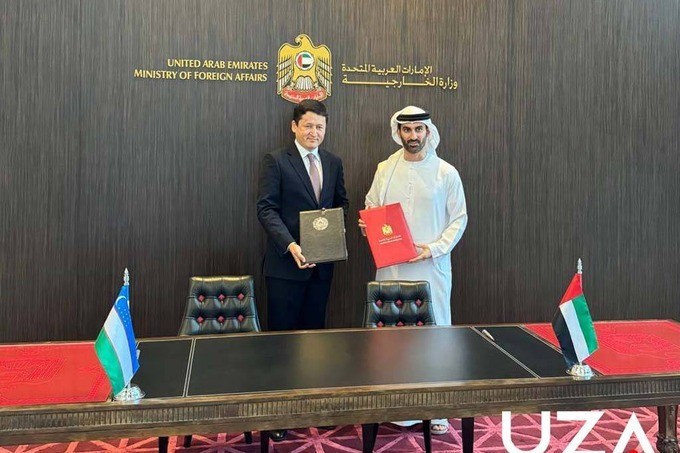
Uzbekistan’s ambassador to the Emirates, Abdulaziz Akkulov, and the UAE Deputy Foreign Minister, Khalid Abdullah Belhoul have signed a protocol exempting citizens of both countries from visas requirements. As of February 16th, citizens from Uzbekistan will be able to enter the United Arab Emirates without the need to obtain a visa for up to 30 days, according to information reported on Podrobno.uz.

The agreement follows an increase in the number of tourists from Uzbekistan visiting the UAE -119,500 in 2023. A considerable amount of money – $9.2 million was spent obtaining visas to the emirate. In this context, the agreement on increasing visa-free travel can be seen as an impetus for further development of tourism potential between the two countries.

Citizens from Uzbekistan can now visit 29 countries without the need of a visa – significant progress for the power of the Uzbek passport. Thanks to this latest addition, Uzbekistan now holds 71st position in the Global Passport Power rankings.

International Organizations Call on Kyrgyzstan to Stop Crackdown on Independent Press

International organizations and media watchdogs have expressed concern about the arrests of independent journalists in Kyrgyzstan and called on the authorities to immediately release them and end pressure on the independent press. On January 15th, officers from the State Committee for National Security arrived at the offices of news agency 24.kg in Bishkek, seizing equipment and detaining three journalists, including its editor-in-chief, in a case involving “propagating war” related to an unspecified report about Russia’s invasion of Ukraine. The three were later released, but ordered not to reveal details of the case.

On January 16th, the Interior Ministry detained eleven journalists and media workers from the Temirov Live investigative group and the Ait Ait Dese project. Temirov Live’s founder, prominent investigative journalist Bolot Temirov said the journalists who were detained after their homes and offices were searched included his wife and the director of the Temirov Live group, Makhabat Tajybek-kyzy. Police later placed all elevn under arrest for 48 hours, pending a court ruling on further custody measures. The Interior Ministry said in a statement that the searches and detentions were linked to a probe launched into unspecified Temirov Live publications that “carried elements of calls for mass unrest.”

“The search and sealing off of the premises of the 24.kg news outlet in Kyrgyzstan is deeply concerning,” OSCE Representative on Freedom of the Media, Teresa Ribeiro posted on Twitter. “Such criminal investigations may have a chilling effect on media freedom and reporting on important issues of public interest in the country.”

UN Human Rights Office spokesperson, Liz Throssell also expressed concern. “These latest actions by the authorities appear to be part of a larger pattern of pressure against civil society activists, journalists and other critics of the authorities… We call on the authorities to protect freedom of expression and ensure that media legislation in the country is in line with international human rights standards,” she said in a statement.

Preliminary Agreement for LPG Supplies from Kashagan to Domestic Market Reached

The Ministry of Energy of Kazakhstan says it has reached a preliminary agreement on the supply of liquefied petroleum gas produced at the Kashagan field to the domestic market of Kazakhstan. The agreement was reached with the shareholders of the Kashagan field, the ministry said on January 16th.

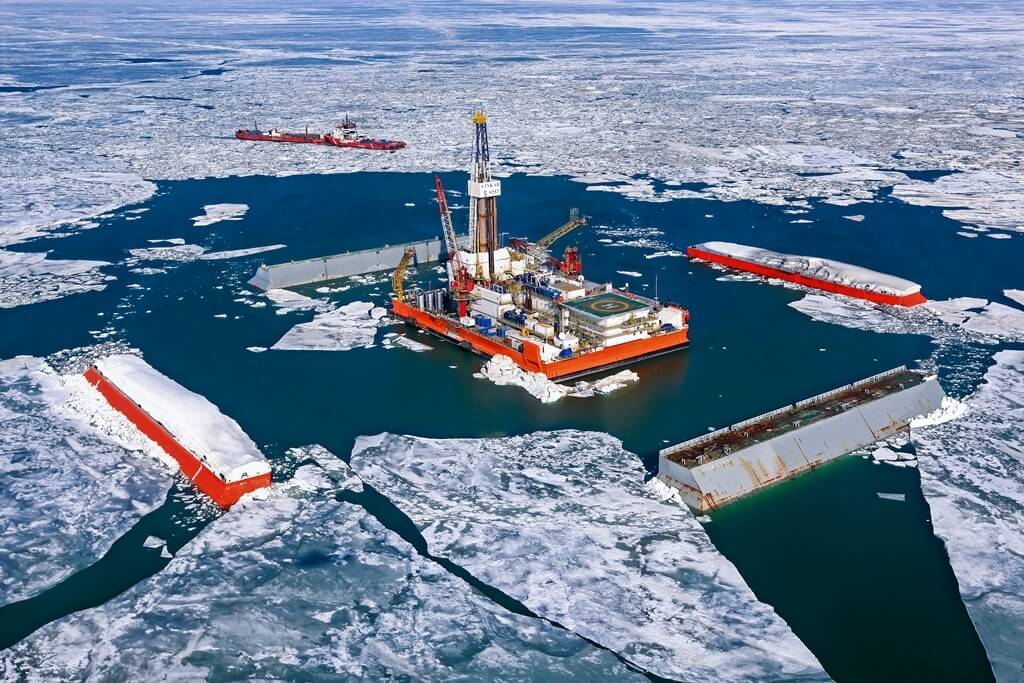
Kashagan is a giant offshore oil and natural gas field in the north Caspian Sea, discovered in 2000, near the city of Atyrau. The field is run by the North Caspian Operating Company (NCOC) which includes Eni (16.81% stake), Shell (16.81%), TotalEnergies (16.81%), ExxonMobil (16.81%), KazMunayGas (16.88%), Inpex (7.56%), and the China National Petroleum Corporation (8.33%).

According to the preliminary agreement, the national company, QazaqGaz will negotiate with the shareholders of the Kashagan field on future potential supplies of liquefied petroleum gas produced at the Bolashak integrated oil and gas processing plant. To date, the parties are collaborating towards making a Final Investment Decision on an infrastructure project in the field of liquefied petroleum gas in 2024.

It is planned that supplies of liquefied petroleum gas to the domestic market will begin by the end of 2025. By 2027, after the completion of infrastructure work at the Kashagan field, LPG production volumes will reach 700,000 tons per year.

Liquefied petroleum gas is a very popular motor fuel in Kazakhstan, which is relatively cheap compared to gasoline and diesel. A dramatic price hike for LPG was the initial stimulus for mass protests in the city of Zhanaozen in January 2022, which then spread across the country.