• KGS/USD = 0.01144 0%
  • KZT/USD = 0.00214 0%
  • TJS/USD = 0.10508 0.48%
  • UZS/USD = 0.00008 0%
  • TMT/USD = 0.28571 0%
  • KGS/USD = 0.01144 0%
  • KZT/USD = 0.00214 0%
  • TJS/USD = 0.10508 0.48%
  • UZS/USD = 0.00008 0%
  • TMT/USD = 0.28571 0%
  • KGS/USD = 0.01144 0%
  • KZT/USD = 0.00214 0%
  • TJS/USD = 0.10508 0.48%
  • UZS/USD = 0.00008 0%
  • TMT/USD = 0.28571 0%
  • KGS/USD = 0.01144 0%
  • KZT/USD = 0.00214 0%
  • TJS/USD = 0.10508 0.48%
  • UZS/USD = 0.00008 0%
  • TMT/USD = 0.28571 0%
  • KGS/USD = 0.01144 0%
  • KZT/USD = 0.00214 0%
  • TJS/USD = 0.10508 0.48%
  • UZS/USD = 0.00008 0%
  • TMT/USD = 0.28571 0%
  • KGS/USD = 0.01144 0%
  • KZT/USD = 0.00214 0%
  • TJS/USD = 0.10508 0.48%
  • UZS/USD = 0.00008 0%
  • TMT/USD = 0.28571 0%
  • KGS/USD = 0.01144 0%
  • KZT/USD = 0.00214 0%
  • TJS/USD = 0.10508 0.48%
  • UZS/USD = 0.00008 0%
  • TMT/USD = 0.28571 0%
  • KGS/USD = 0.01144 0%
  • KZT/USD = 0.00214 0%
  • TJS/USD = 0.10508 0.48%
  • UZS/USD = 0.00008 0%
  • TMT/USD = 0.28571 0%

UN Approves Uzbekistan’s Initiative to Develop Global Safe Tourism Code

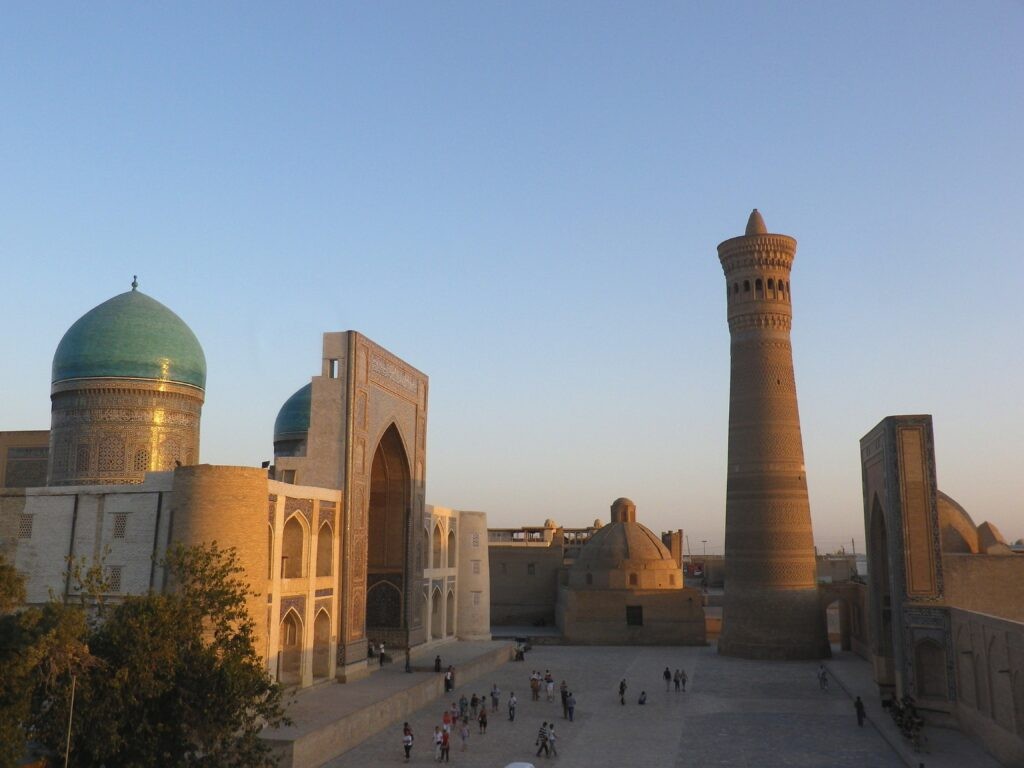
The initiative to create an intergovernmental commission on the development of the Global Safe Tourism Code within the framework of the participation of the delegation led by the Ambassador of Uzbekistan to Spain, Farrukh Tursunov, in the 121st session of the UN Tourism Executive Council was unanimously approved, as reported by the Dunyo news agency. The initiative was initially announced by the President Mirziyoyev at the 25th session of the UN General Assembly on tourism held in Samarkand in October 2023.

As stated in the report, conflicts and instability observed in different parts of the world today hurt the development of tourism. In this regard, there is a need to develop a unified approach to ensure the safety of tourists, and the development of the proposed code is a step towards creating a safer, more sustainable, and fairer tourism ecosystem.

It is expected that the code will become one of the tools for the sustainable development of tourism and include measures for environmental protection and the preservation of cultural heritage.

In his speech at the session, UN Secretary General of Tourism, Zurab Pololikashvili thanked the government of Uzbekistan for its contribution to the organization’s activities and noted that Uzbekistan is the most active participant of this structure, contributing not only to the development of the global tourism industry, but also to the enhancement of the image of the UN.

Kazakhstan Developing Digital System of Flood Forecasting and Modeling

An information system for forecasting and modeling floods in Kazakhstan was discussed with representatives at a Cabinet of Ministers meeting, as reported on the official website of the Government of Kazakhstan. The information system includes four modules: data collection, analysis, forecasting, and modeling. It will use both operational and long-term data from Kazakhstan Ғarysh Sapary, Kazgidromet, and the National Center of Geodesy and Spatial Information.

The system will be integrated with the Ministry of Emergency Situations’ database on floods, mud-flows, landslides, avalanche-prone areas, and hydraulic structures. The Ministry of Digital Development, Innovation, and Aerospace Industry suggested utilizing the European program for remote Earth sensing in its operations. Deputy Prime Minister, Kanata Bozumbayev directed the ministry to also consider domestic digital solutions.

Additionally, to develop a comprehensive data set, it is necessary to increase the number of hydrological and meteorological stations, perform bathymetric surveys of water bodies and rivers, and create a “digital relief” map of areas in the country that frequently experience flooding.

In the spring of 2024, Kazakhstan experienced its largest flooding in 80 years. Ten regions of the country declared a state of emergency, and thousands of houses and buildings were flooded. Thousands of people were evacuated from flooded areas and are still in the process of recovering from the damage.

Decrease in Uzbek Labor Migrants to Russia Forecast to Continue

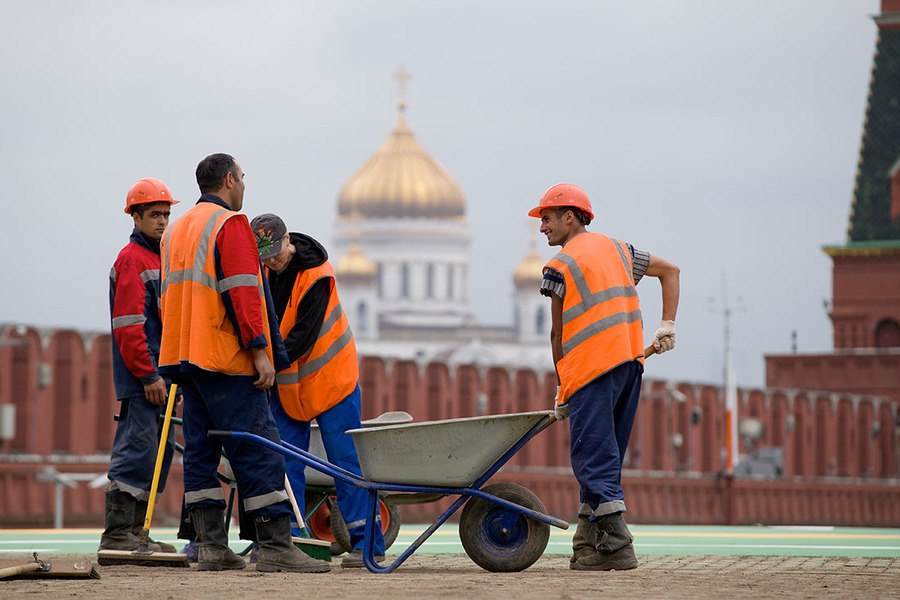
Alisher Ruziyev, head of the Department of the Foreign Labor Migration Agency of Uzbekistan, has stated that the flow of labor migrants from Uzbekistan to Russia may continue to decrease, noting that the construction industry is actively developing in Uzbekistan, and wages in some facilities can compete with those in Russia.

“Today, there is a sharp growth in the construction industry in Uzbekistan, and naturally, our wages have become equal to those of some facilities in Russia. Therefore, in this situation, a decreasing trend in the flow of our citizens leaving for Russia can be observed,” said Ruziyev.

According to Ruziev, at some large construction sites in Uzbekistan, construction workers earn around $500-600 a month. “Accordingly, it is no longer profitable to go to the Russian Federation for such a salary,” he added.

The head of the Department of Foreign Labor Migration of Uzbekistan also noted that in the last two years, the agency has significantly expanded the geography of employment of citizens abroad, especially due to the demand for labor in Europe.

China to Invest $1 Billion in Andijan Province of Uzbekistan

China will invest $1 billion in the Andijan region of Uzbekistan to create an enterprise processing the hides and organs of domestic animals. It is reported that the Uzbek delegation, led by the khokim (head) of the Andijan region, visited China, where they familiarized themselves with the activities of Kaifeng Shengmeishun Leather Products company in Kaifeng City, Henan province.

During the visit, the Uzbek delegation held talks with representatives of China’s public and private sectors. The khokim of the Andijan region and the Chairman of the Veterinary Committee of Uzbekistan participated in the discussion.

The main topic of the talks was investment in the hide and organ processing project and the establishment of contacts with leading Chinese institutions in veterinary medicine, cattle breeding, poultry farming, and fishing. They also discussed cooperation in scientific research and the training of Uzbek specialists.

Following the meeting, the Chinese side fully supported investment projects and scientific research in Uzbekistan.

A new project worth $1 billion will be developed in the Andijan region with direct Chinese investment. This year, it plans to invest $100 million and create 3,000 jobs.

Kazakhstan in 80th Place in New Global Ranking of Average Wages

In a new ranking of the gross average salary in 196 countries recently published by CEO World Magazine, Kazakhstan is in 80th place. The average wage in the country amounts to $673 per month.

Salaries are highest in the oil-producing western Atyrau and Mangystau regions, followed by the capital city Astana, and business capital Almaty. Wages are lowest in the southern regions of Zhambyl, Zhetysu and Turkestan, as well as in the North Kazakhstan region.

Gross wages are the total sum of wages before taxes and other deductions, such as contributions to pension funds, health insurance, and others.

Kazakhstan has the highest average salaries in Central Asia, followed by Turkmenistan ($654 per month), Uzbekistan ($351), Kyrgyzstan ($228) and Tajikistan ($169).

The CEO World ranking states that in the first quarter of 2024, the average monthly nominal salary of workers in Kazakhstan amounted to 382,000 tenge ($844), which is 12.2% more in value terms than a year earlier. The index of real wages amounted to 102.7%, which shows an increase in purchasing power of 2.7%.

Focus on Central Asia’s Acute Shortage of Drinking Water

The Eurasian Development Bank (EDB) has declared water availability a particularly acute challenge in Central Asia, given that 10 million people, or 14% of the region’s population, currently lack access to safe drinking water.

Between 1994 and 2020, water withdrawals for municipal and domestic needs doubled to 8.6 cubic kilometres. However, since investment in drinking water falls short of meeting the growing demand, the infrastructure for the supply and treatment of water has severely deteriorated.

The challenges facing the sector highlight the need for large-scale investment in water supply and sanitation in Central Asia. The annual funding deficit to meet the targets of the United Nations’ Sustainable Development Goal 6 (to ensure the availability and sustainable management of water and sanitation for all) is estimated to reach US $2 billion by 2025–2030.

In response, EDB analysts have prepared a report to assess the level of investment required by the region to achieve the UN Sustainable Development Goal by 2030, including proposals for practical steps to secure the necessary funding.

Titled “Water and Sanitation in Central Asia”, the report will be launched on 28 June at the Eurasian Development Bank’s Business Forum in Almaty, Kazakhstan.