• KGS/USD = 0.01143 0%
  • KZT/USD = 0.00208 0%
  • TJS/USD = 0.10438 -0.1%
  • UZS/USD = 0.00008 0%
  • TMT/USD = 0.28579 0%
  • KGS/USD = 0.01143 0%
  • KZT/USD = 0.00208 0%
  • TJS/USD = 0.10438 -0.1%
  • UZS/USD = 0.00008 0%
  • TMT/USD = 0.28579 0%
  • KGS/USD = 0.01143 0%
  • KZT/USD = 0.00208 0%
  • TJS/USD = 0.10438 -0.1%
  • UZS/USD = 0.00008 0%
  • TMT/USD = 0.28579 0%
  • KGS/USD = 0.01143 0%
  • KZT/USD = 0.00208 0%
  • TJS/USD = 0.10438 -0.1%
  • UZS/USD = 0.00008 0%
  • TMT/USD = 0.28579 0%
  • KGS/USD = 0.01143 0%
  • KZT/USD = 0.00208 0%
  • TJS/USD = 0.10438 -0.1%
  • UZS/USD = 0.00008 0%
  • TMT/USD = 0.28579 0%
  • KGS/USD = 0.01143 0%
  • KZT/USD = 0.00208 0%
  • TJS/USD = 0.10438 -0.1%
  • UZS/USD = 0.00008 0%
  • TMT/USD = 0.28579 0%
  • KGS/USD = 0.01143 0%
  • KZT/USD = 0.00208 0%
  • TJS/USD = 0.10438 -0.1%
  • UZS/USD = 0.00008 0%
  • TMT/USD = 0.28579 0%
  • KGS/USD = 0.01143 0%
  • KZT/USD = 0.00208 0%
  • TJS/USD = 0.10438 -0.1%
  • UZS/USD = 0.00008 0%
  • TMT/USD = 0.28579 0%

Viewing results 1 - 6 of 110

New Checkpoint Opens on Kyrgyzstan’s Border With China

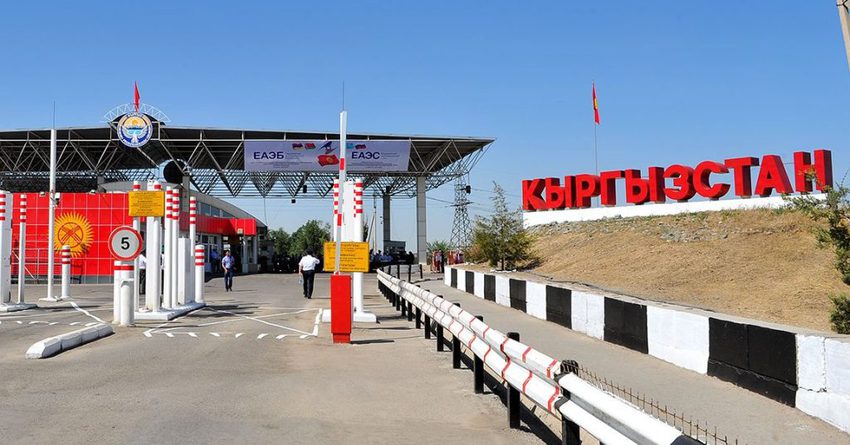
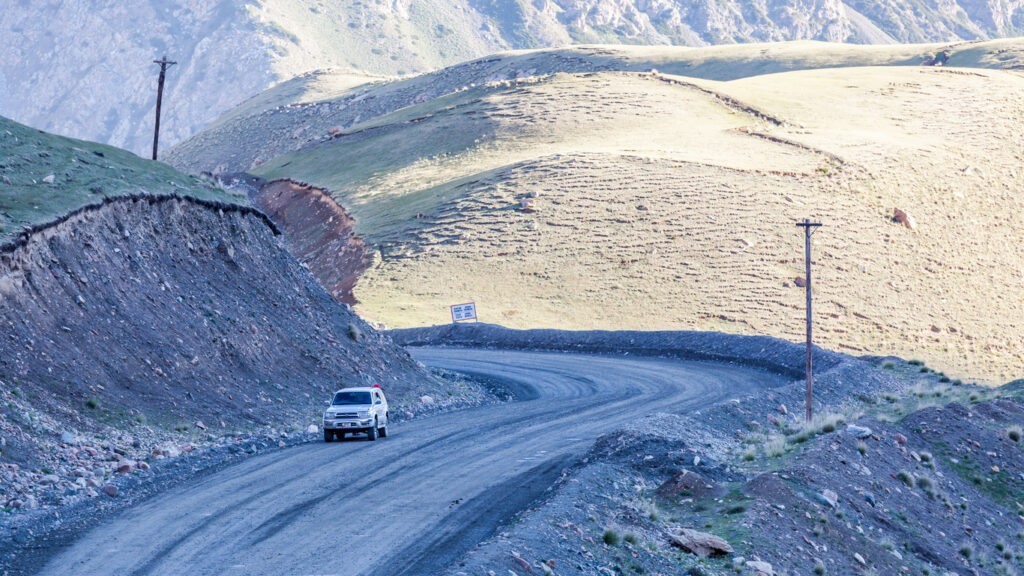
A new checkpoint has opened along the Kyrgyz-Chinese border, in the settlement of Bedel in the Issyk-Kul region. Kyrgyz president Sadyr Japarov called the event historic and significant for the country. In his address, Japarov emphasized that opening the Bedel checkpoint is a significant achievement that opens new opportunities for strengthening ties with China, one of the world's leading economies. This step, he said, will significantly increase Kyrgyzstan's transport and logistics potential, and strengthen the strategic partnership with China, symbolizing a new stage in bilateral relations. The issue of opening the Bedel checkpoint has been discussed since 1996, but agreements were reached only last year, during Japarov's state visit to China. The new checkpoint is the third checkpoint on the border between Kyrgyzstan and China. It is located in the remote southeastern region of Kyrgyzstan, about equidistant from the Kyrgyz town of Karakol and the district of Aksu in China's Xinjiang Uygur Autonomous Region. Historically, travelers and traders used this pass on the Silk Road. The opening of the Bedel border station is expected to significantly improve trade ties between the two countries, and relieve pressure on existing border crossings.
Uzbekistan and Kazakhstan Explore Use of ID Cards at Border Crossings

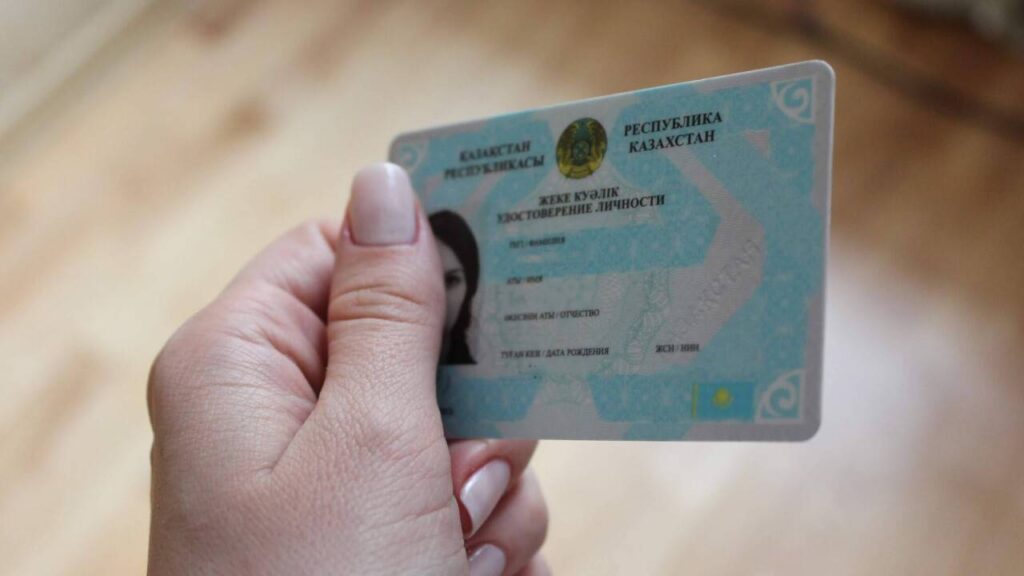
Abdulaziz Kamilov, the special representative of the President of Uzbekistan on foreign policy issues, has announced  that Uzbekistan and Kazakhstan are discussing a way for citizens of both countries to cross the state border using national ID cards. According to Kamilov, Uzbekistan has completed the legal formalization of the border with Kazakhstan and demarcated the border with Turkmenistan, Tajikistan, and Kyrgyzstan. Referencing the reactivation of dozens of border checkpoints which have significantly facilitated the movement of people across the region, he stressed, “Today, the borders between Uzbekistan and the countries of Central Asia can rightly be called a bridge of friendship and good neighborliness. This is also confirmed by the fact that starting from September 1, 2023, the procedure for crossing the Uzbekistan-Kyrgyzstan border with the presentation of an internal document — a citizenship certificate — has been introduced. The same project is being discussed with Kazakhstan." Komilov also noted President Shavkat Mirziyoyev's proposal at Astana summit, of developing mass tourism in Central Asia based on the mutual recognition of national ID cards.

Taliban Announces Revision of Borders With Central Asian Countries

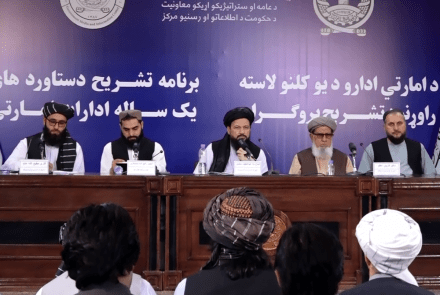
According to the acting Afghan Minister of Energy and Water Resources, Abdul Latif Mansour, Afghanistan's borders with Central Asian countries, which have been eroded, will be revised. "Due to floods, our borders with Tajikistan, Uzbekistan, and Turkmenistan were eroded. We are working to restore these borders and have already discussed this issue with our supreme leader," Mansour said. However, it is still unclear whether the neighboring states have been notified. Mansour stressed that the plan to revise the borders, developed on the instructions of the Islamic Emirati leader, Haibatullah Akhundzad, will be implemented jointly with the ministries of the Interior, Foreign Affairs, Defense, and the General Intelligence Directorate. Mansour did not disclose the details of the strategy, but the ministry spokesman assured those assembled that Afghanistan's actions on water resources management will not harm neighboring countries. It should be noted that the borders of Tajikistan, Uzbekistan, and partially Turkmenistan, along with Afghanistan, run along the Amu Darya River. When the Taliban returned to power in Afghanistan, construction of the Qosh-Tepa irrigation canal, which originates from the Amu Darya, began. Once completed, the canal will supply water to the agricultural northern provinces of Faryab and Balkh. Additionally, land for three projects will be allocated, including provisions for Jawzjan. These plans have raised concerns in neighboring Central Asian countries, especially Uzbekistan and Turkmenistan, which depend on water from the Amu Darya. However, the Afghan authorities argue they have a legal right to their share of the river's flow, which they have not yet utilized.

Illegal Underground Tunnel Unearthed on Uzbekistan-Kazakhstan Border

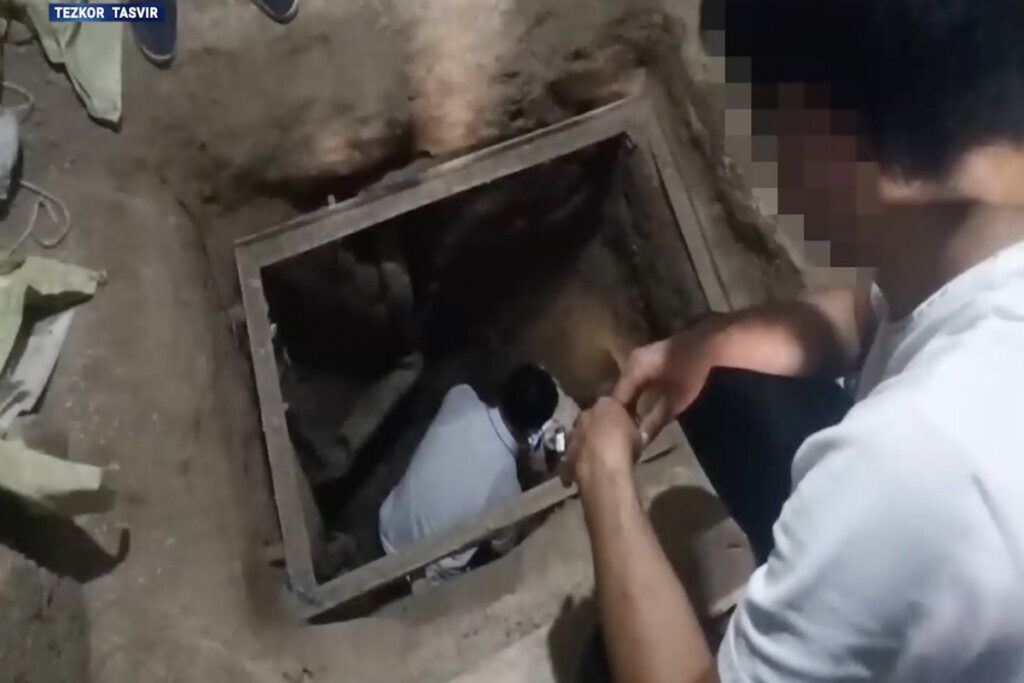
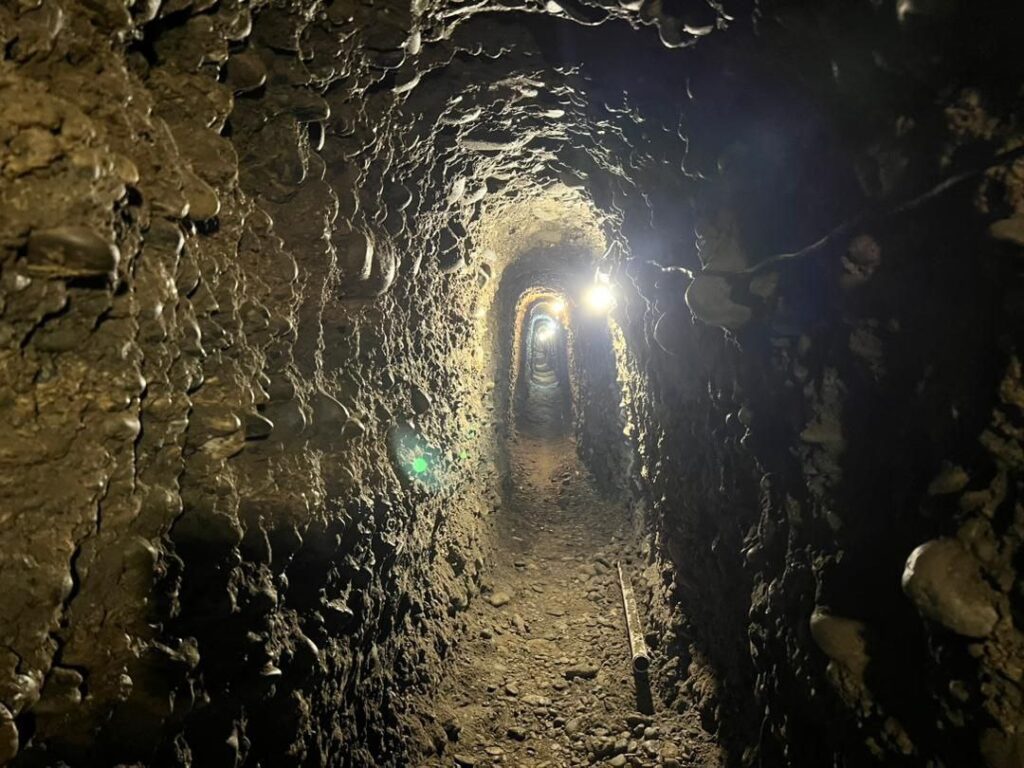
An illegal underground tunnel has been discovered in the border area of  Tashkent and Kazakhstan, according to the State Security Service of Uzbekistan (SSS). It is noted that SSS employees were quick to call a meeting to cooperate with the “Tashkent-Aero” specialized customs complex's  border troops and military personnel. The gathering exposed a cross-border criminal group's illegal importation of large quantities of substandard drugs from India through Kazakhstan to Uzbekistan. The drugs were brought into Almaty's international airport via the Delhi-Tashkent-Almaty air route. The stash was then delivered to the Dostlik settlement in the  Saryogoch district of the  Turkestan region, Kazakhstan, and transferred onwards to Tashkent's  Orikzor neighbourhood, through a secret underground route. The horde comprised 17,048 drugs, produced in India under 107 brands including Albumin, Remdesivir, and Meropenem. Valued at 1 billion 94 million UZS (approximately $87,096.82), the drugs were retained as evidence against the smugglers who are currently being held in detention. Running a distance of 310 meters, the underground tunnel is a sophisticated construction furnished with  air ventilation,  lighting , carts, and ropes for cargo transportation. In a previous post, The Times of Central Asia reported on the discovery of another secret tunnel connecting Kyrgyzstan and Uzbekistan.

Kyrgyzstan to Build New Checkpoint on Border with China

A bill regarding ratification of the intergovernmental agreement to open a new checkpoint named "Bedel" on the border with China was submitted to the Jogorku Kenesh (Parliament) by the Cabinet of Ministers of Kyrgyzstan. This move is aimed at facilitating border crossings, enhancing trade relations, and improving bilateral cooperation between Kyrgyzstan and China. Establishing the Bedel checkpoint is expected to streamline customs processes and boost economic activity in the region. The authorities in the Kyrgyz Republic have claimed the new checkpoint will reduce the delivery time of goods from the Xinjiang Uyghur Autonomous Region in China as compared to the current Kashgar—Torugart—Naryn—Bishkek transportation corridor. It is also assumed that trade turnover with China will increase exponentially. According to reports, Kyrgyzstan plans to allocate approximately 77.9 million som ($896,000) from the state budget towards the creation of the checkpoint.

Authorities Find Secret Tunnel Connecting Kyrgyzstan and Uzbekistan

Another underground passage has been found in the Jalal-Abad region of Kyrgyzstan, which was being used to illegally transport both people and contraband goods into neighboring Uzbekistan. The suspects involved have been arrested. That's according to a report from news outlet, Kaktus, which references information from the press service of the Department of Internal Affairs of Kyrgyzstan's Osh region. On April 5, officers of the Ministry of Internal Affairs of Osh region arrested a female citizen of Uzbekistan who illegally crossed the Kyrgyz border. During the investigation, it turned out that she crossed the international border into Kyrgyzstan through a secret tunnel connecting the two countries. The police opened a criminal case under Article 168 of the Criminal Code of Kyrgyzstan on “Organization of illegal migration, illegal importation of migrants.” On the night of April 12, a local citizen was arrested in the Nooken district suspected of organizing illegal crossings of the Kyrgyz-Uzbek border for payment. According to police, during the arrest, specially marked currency and night vision binoculars were confiscated. In addition, 87 boxes of narcotics with an initial value of about $30,000 dollars were found in his house. This is the third secret underground passageway discovered, with two secret underground tunnels connecting the city of Khanabad, Andijan region (Uzbekistan), with Bekabad village, Suzok district, Jalalabad region (Kyrgyzstan) having previously been identified. Members of a cross-border criminal group consisting of citizens of Uzbekistan and Kyrgyzstan were captured. On March 17 of this year, a Kyrgyz citizen took a total of 813 mobile phone devices in 16 bags to Uzbekistan using an underground tunnel, and tried to take 1.745 kilograms of gold bars and jewelry out of the country. They were apprehended with physical evidence.