• KGS/USD = 0.01144 0%
  • KZT/USD = 0.00205 0%
  • TJS/USD = 0.10771 0%
  • UZS/USD = 0.00009 0%
  • TMT/USD = 0.28571 0.28%
  • KGS/USD = 0.01144 0%
  • KZT/USD = 0.00205 0%
  • TJS/USD = 0.10771 0%
  • UZS/USD = 0.00009 0%
  • TMT/USD = 0.28571 0.28%
  • KGS/USD = 0.01144 0%
  • KZT/USD = 0.00205 0%
  • TJS/USD = 0.10771 0%
  • UZS/USD = 0.00009 0%
  • TMT/USD = 0.28571 0.28%
  • KGS/USD = 0.01144 0%
  • KZT/USD = 0.00205 0%
  • TJS/USD = 0.10771 0%
  • UZS/USD = 0.00009 0%
  • TMT/USD = 0.28571 0.28%
  • KGS/USD = 0.01144 0%
  • KZT/USD = 0.00205 0%
  • TJS/USD = 0.10771 0%
  • UZS/USD = 0.00009 0%
  • TMT/USD = 0.28571 0.28%
  • KGS/USD = 0.01144 0%
  • KZT/USD = 0.00205 0%
  • TJS/USD = 0.10771 0%
  • UZS/USD = 0.00009 0%
  • TMT/USD = 0.28571 0.28%
  • KGS/USD = 0.01144 0%
  • KZT/USD = 0.00205 0%
  • TJS/USD = 0.10771 0%
  • UZS/USD = 0.00009 0%
  • TMT/USD = 0.28571 0.28%
  • KGS/USD = 0.01144 0%
  • KZT/USD = 0.00205 0%
  • TJS/USD = 0.10771 0%
  • UZS/USD = 0.00009 0%
  • TMT/USD = 0.28571 0.28%

Viewing results 1 - 6 of 199

Kazakhstan Reports Steady Economic Growth in First Half of 2024

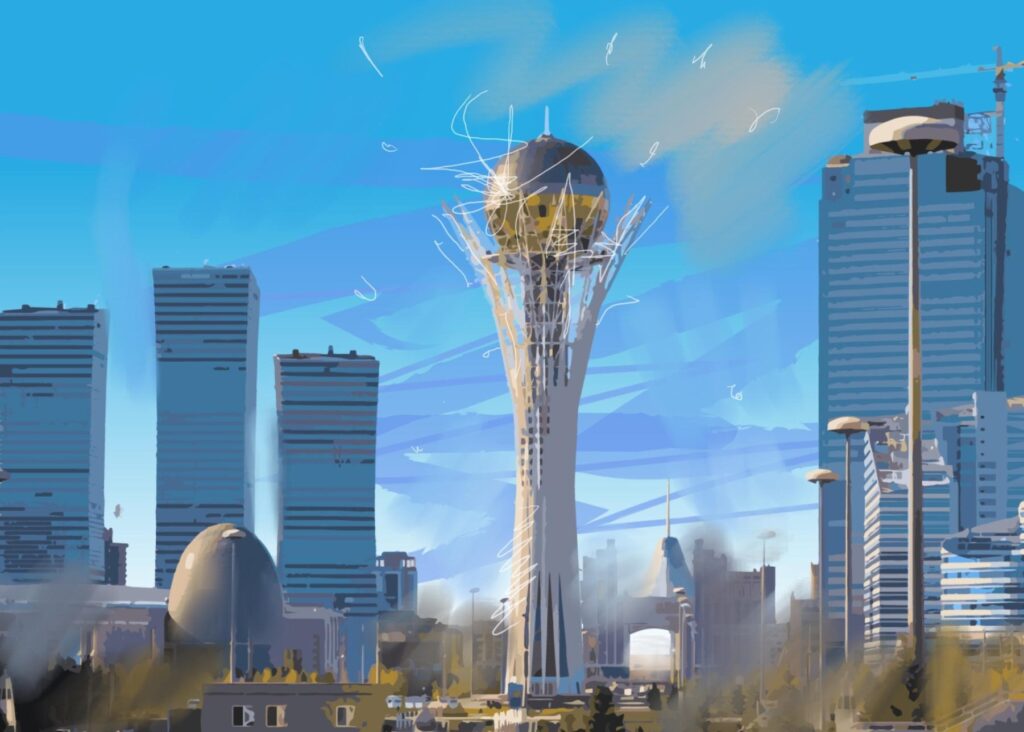
On July 15, the Ministry of the National Economy of Kazakhstan announced the result of the country’s economic development for the first half of 2024. In the period January-June, the gross domestic product (GDP) increased by 3.3%, compared to 3.2% in the same period last year. The production of goods rose by 3.6%, and the services sector grew by 3.3%. Compared to last year, the economic growth rate slowed in H1 of 2024. This was caused by the economic impact of extreme flooding during the spring, which had a limiting effect on the development of most sectors. The floods resulted in reductions in trade, transport and logistics in ten regions. Oil production also decreased by 1.6%. In the first half of this year, industrial production was one of the main engines of economic growth, the volume of which increased by 2.8%. There was steady growth in multiple sectors of industrial production. Mechanical engineering grew by 9.4%, metallurgy by 8.3%, the chemicals industry by 5.3%, pharmaceuticals by 14.8%, and the furniture industry by 28.3%. The volume of construction work also increased by 8.6%. In January-June, 4.6 million square meters of housing in new apartment complexes were commissioned, 5.9% more than in the same period last year. Agricultural production increased 3.4% in January-June, and transportation and warehousing services grew 7.3%. Investments in non-resource sectors of the economy were also on the rise. Fixed capital investment increased in the manufacturing industry (by 9.4%), information and communications (2.4-fold), scientific and technical activities (58%), transport (33.7%), education (24.1%), financial operations (22.1%), and real estate transactions (4.5%). In June, annual inflation fell to 8.4% compared to 9.5% in January. In the period January-May, Kazakhstan’s foreign trade turnover amounted to $55.3 billion. Exports grew by 1.8% to $32.5 billion, including exports of processed goods, which increased by 0.8% to $10.5 billion. Imports amounted to $22.9 billion, down 7.2%, meaning the positive trade balance was $9.6 billion, an increase of $2.3 billion or 32.4% year-on-year. Since the beginning of the year, Kazakhstan’s international reserves have also increased by $5.4 billion and exceeded $101.3 billion as of July 1. This includes the assets of the National Fund, which increased by $1.4 billion to a total of $61.4 billion. The gold and foreign currency reserves of the National Bank also increased by $4 billion to $39.9 billion.
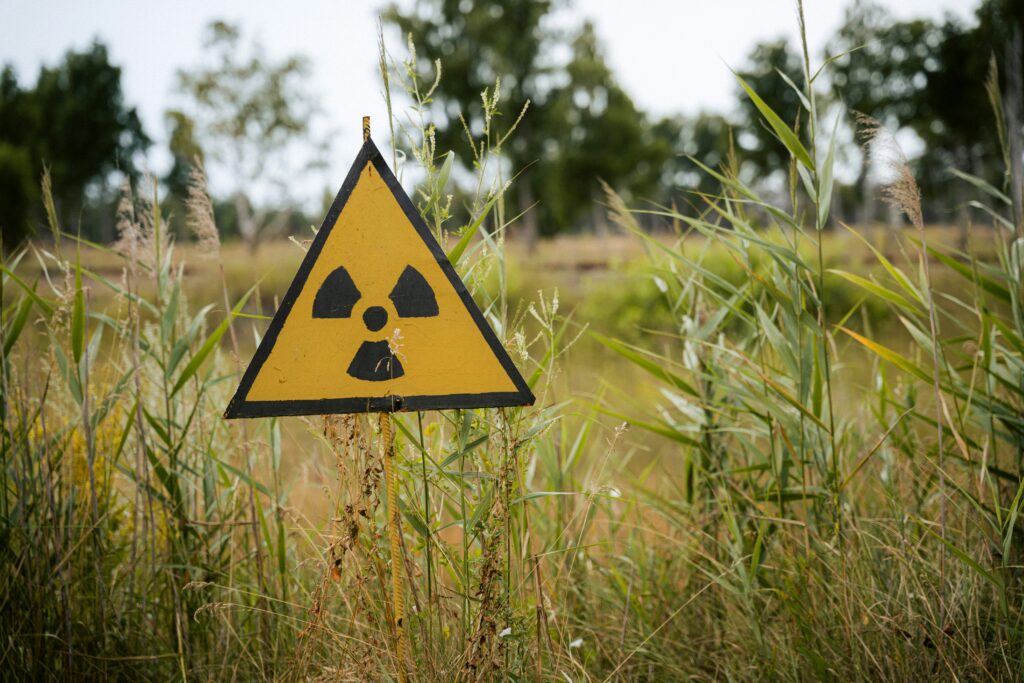
Nuclear Race: Will Central Asia Build a Nuclear Power Plant?

The answer to the question posed in the title remains uncertain. While Uzbekistan has plans to construct a nuclear power plant and Kazakhstan is set to hold a referendum this fall to gauge public opinion on building one, progress is sluggish. Tashkent has postponed the start of construction, and the issue sparks heated debate in Kazakhstan. The First Nuclear Power Plant in Central Asia Historically, Central Asia did host a nuclear facility. Located on the shore of the Caspian Sea in Kazakhstan, this was not a conventional nuclear power plant but a fast neutron reactor known as BN-350. The reactor was the core of the Mangistau Nuclear Power Plant, designed to transform the Mangyshlak Peninsula by providing energy to the city of Aktau (formerly Shevchenko) and powering large-scale desalination plants that supplied drinking water to the arid region. [caption id="attachment_20031" align="aligncenter" width="366"] BN-350[/caption] Operational from 1973 until its shutdown in 1999, the BN-350 reactor was decommissioned due to the allocation of U.S. funds for new desalination and heating equipment and the disposal of its remaining fuel. The extensive maintenance and decommissioning work on the BN-350 have given Kazakhstani nuclear physicists significant experience with such complex and hazardous technology. However, younger generations in Kazakhstan are largely unaware of the BN-350 reactor’s existence. Their knowledge of nuclear physics is often limited to the harrowing stories passed down about nuclear warhead tests at the Semipalatinsk test site and their devastating effects. Fear and Nuclear Power: Kazakhstan's Dilemma The societal fear surrounding nuclear energy in Kazakhstan is deeply intertwined with political concerns. For a long time, the leadership in Kazakhstan has hesitated to move beyond merely discussing the need for a nuclear power plant (NPP) to actually initiating the project. President Kassym-Jomart Tokayev recently announced that a referendum would take place in the fall of 2024. However, Ministry of Energy's officials avoided mentioning the word "referendum" until the last moment, previously asserting it was unnecessary. Public hearings were held last year in the village of Ulken, Zhambyl district, Almaty region, a proposed site for the nuclear plant. The Ministry of Energy’s press release stated that the local populace supported developing nuclear power, highlighting its significance for regional socio-economic growth. However, media reports revealed that the hearings were contentious, with opposing viewpoints almost disrupting the speech of Nurlan Ertas, the head (akim) of the Zhambyl district. Activists even displayed banners and posters against the plant's construction. Certain groups have exploited the population's fear of another disaster like Chernobyl. Additionally, the government has struggled to convince the public that nuclear technologies are becoming safer. In contrast, Europe now includes nuclear power plants in its list of green energy sources, similar to other renewable energy sources (RES). In Kazakhstan, renewable energy accounts for only 5% of the total energy produced. The introduction of NPPs could significantly enhance the country’s position in reducing carbon emissions. The government faces a growing electricity shortage that can be addressed either harmfully or fearfully. The harmful options are coal-fired thermal power plants...

Uzbek Afghan Business Forum

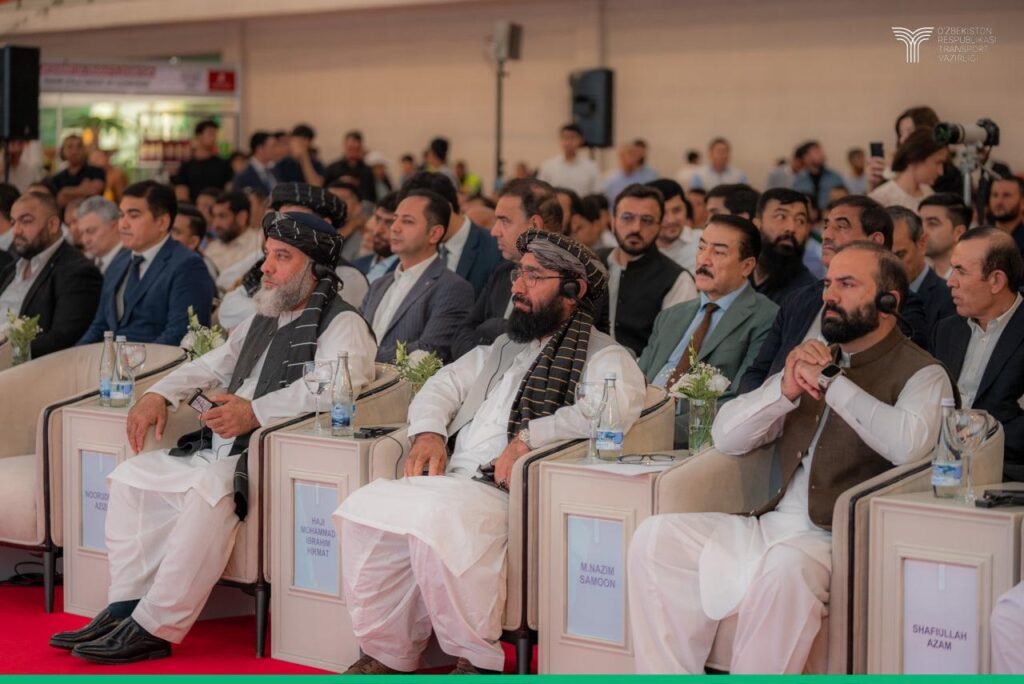
On July 3, an Uzbek-Afghan business forum was held in Tashkent to coincide with the visit  of an Afghan delegation headed by Minister of Industry and Trade Nuriddin Azizi. The major event, the forum was attended by heads of ministries and government agencies, industry, and over 1,000 business representatives from both countries. As reported by the Uzbek Ministry of Investment, Industry and Trade, Afghanistan is Uzbekistan's fifth-largest export market. In the last five years, trade between the two countries has increased almost 1.5-fold, reaching $866 million in 2023. Uzbekistan currently receives Afghan investment in 550 enterprises, 443 of which are wholly funded with Afghan capital. In his welcoming speech, Laziz Kudratov, Minister of Investment, Industry and Trade of Uzbekistan, highlighted several promising areas of cooperation, including diversifying the range of goods traded, and bolstering cooperation between producers and exporters with support of both countries’ respective departments and industry associations. The forum focused on initiatives to further develop mutual trade, such as the transition to round-the-clock border crossing operations, the establishment of trading houses, and the execution of major transport and infrastructure projects. Attention was drawn to the significant impact of more proactive engagement at the International Trade Centre in Termez on the Uzbek-Afghan border, where the creation of business-friendly conditions include a 15-day visa-free regime and tax-free zone. Nuriddin Azizi, Minister of Industry and Trade of Afghanistan, commended Uzbekistan's efforts to foster an environment conducive to bilateral trade, economic and investment cooperation. He also encouraged more proactive engagement between Afghan and Uzbek entrepreneurs by offering assurance of both sides' readiness to support new ventures and initiatives. The forum was complemented by the  exhibition "Made in Afghanistan" which showcased the produce of 75 major Afghan companies from jewellery, textiles and food to electrical engineering, mining, transportation and logistics. The event concluded with the signing of several trade agreements in the chemical and agricultural sectors, as well as an agreement to establish a logistics centre. According to the Uzbek Ministry of Transport, Afghanistan is one of the key links in ensuring regional connectivity across Central and South Asia. In recent years, cargo transportation across Afghanistan has risen significantly and in 2023, the volume carried along the multimodal transport corridor Uzbekistan – Afghanistan – Pakistan increased 1.5-fold compared to 2021.  

New Industrial Zone Launched with Chinese Investment in Uzbekistan

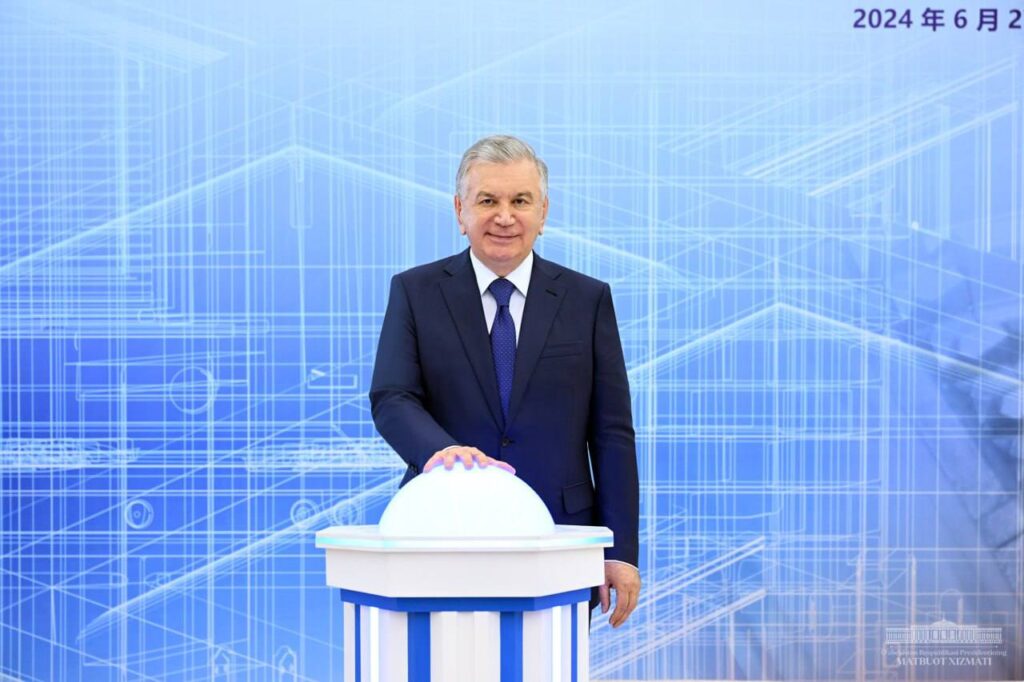
On June 27, President of Uzbekistan Shavkat Mirziyoyev launched the construction of the first project in the Technopark special industrial zone in the Zaamin district of Jizzakh. Chinese investors have allocated a total $1.2 billion towards the realization of 30 projects in the new Technopark. Located on 400 hectares of land, the Technopark will comprise facilities to produce goods with high added value and import-substituting products to meet demands from foreign markets, with particular focus on electrical and mechanical engineering, building materials, furniture, food, and services industries. The initiative will create over 5,000 jobs and produce $70 million worth of goods for export. The Technopark will also provide an International Center for the Exchange of Experience and Engineering, to provide training in specialized skills required by industrial enterprises. Other facilities include an office complex, residential buildings, an eco-park, a large exhibition hall and a shopping center. Apart from the Technopark, Zaamin has recently created a zone to develop its services to tourism which is fast becoming a major driver in the scenic region’s economy.      

Uzbekistan Unveils Development Plan for Copper Industry Cluster

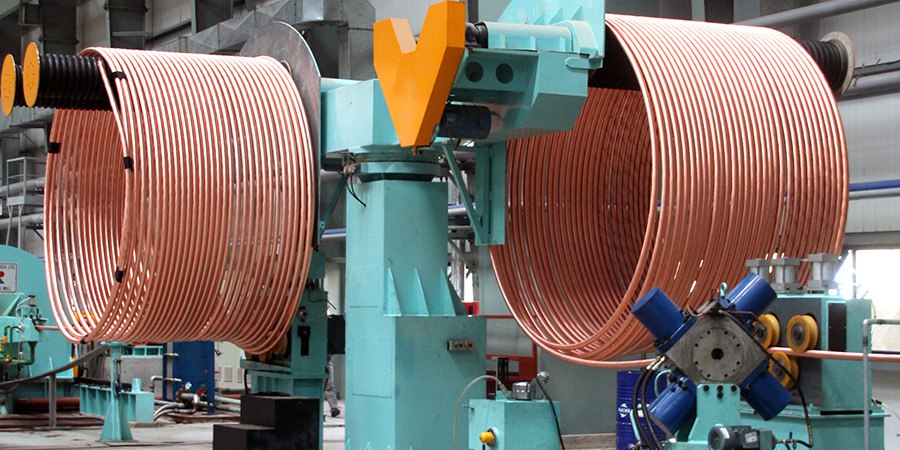
The Uzbek Cabinet of Ministers has announced its draft decision “On the concept of copper industry cluster development aimed at creating multi-stage added value chains from raw materials to finished products.” As part of this decision, documents for the development concept for the copper industry cluster in Uzbekistan until 2030 and the procedure for accommodating investors within the cluster's territory are set to be approved. The adoption and implementation of this decision and its underlying concept are expected to yield the following results by 2030: annual copper production will reach 400,000 tons, with over 300,000 tons processed within the industry. Additionally, attracting $1.5 billion in investments for localizing the production of electrical engineering and household appliances will increase the total production volume to $8 billion. Uzbekistan is looking to attract both domestic and foreign investment to produce finished and semi-finished copper products within the cluster. Additionally, implementing copper processing projects within the cluster will increase the copper raw material processing rate to 80%. This will boost the export volume of high-value-added finished products and services and establish a system for training and upgrading highly qualified personnel in the mining and metallurgical industries. Creating new production facilities within the cluster will generate more than 10,000 jobs.

Uranium Purification Plant to be Rebuilt in Kyrgyzstan

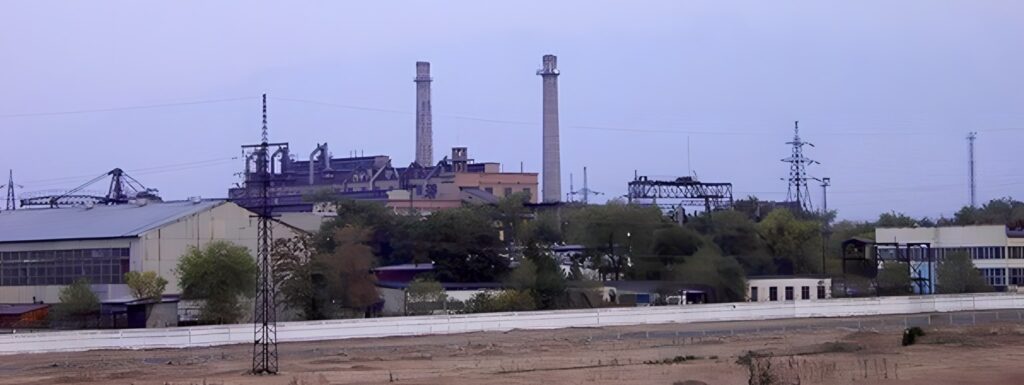
The authorities in Kyrgyzstan will spend 1.6 billion som ($18m) to pay the Kara-Balta Mining Combine's tax debts. In addition, the enterprise's specialists will be paid wages they have yet to received in years. Earlier, Kyrgyz President Sadyr Japarov instructed the government to take measures to preserve jobs and assets. He also demanded that all the plant's facilities be restored for fully-fledged work with uranium. "Thus, the enterprise has created favorable conditions for sustainable work, and most importantly all unique specialists have been preserved," the General Director of the Karabalta Mining Company LLC, Kubanychbek Risbaev stated. The Kara-Balta Mining Combine was built in 1955 and was one of the largest uranium processors for the nuclear industry of the USSR. In the 1990s, the plant was privatized and sold to a foreign company. Unsuccessful management by the new investors led to a sharp decline in production, and in 2016, the mill suspended its uranium operations and was declared bankrupt in 2022. In 1998, Combine's laboratory was accredited by the UKAS service and was tested by the London Precious Metals Association a year later. Since then, Kyrgyzstan has officially become a trading participant at the London Metal Exchange. The ongoing modernization work includes the launching of additional facilities, and the introduction of new technologies and modern equipment.