• KGS/USD = 0.01144 0%
  • KZT/USD = 0.00205 0%
  • TJS/USD = 0.10785 0.09%
  • UZS/USD = 0.00008 0%
  • TMT/USD = 0.28571 0.28%
  • KGS/USD = 0.01144 0%
  • KZT/USD = 0.00205 0%
  • TJS/USD = 0.10785 0.09%
  • UZS/USD = 0.00008 0%
  • TMT/USD = 0.28571 0.28%
  • KGS/USD = 0.01144 0%
  • KZT/USD = 0.00205 0%
  • TJS/USD = 0.10785 0.09%
  • UZS/USD = 0.00008 0%
  • TMT/USD = 0.28571 0.28%
  • KGS/USD = 0.01144 0%
  • KZT/USD = 0.00205 0%
  • TJS/USD = 0.10785 0.09%
  • UZS/USD = 0.00008 0%
  • TMT/USD = 0.28571 0.28%
  • KGS/USD = 0.01144 0%
  • KZT/USD = 0.00205 0%
  • TJS/USD = 0.10785 0.09%
  • UZS/USD = 0.00008 0%
  • TMT/USD = 0.28571 0.28%
  • KGS/USD = 0.01144 0%
  • KZT/USD = 0.00205 0%
  • TJS/USD = 0.10785 0.09%
  • UZS/USD = 0.00008 0%
  • TMT/USD = 0.28571 0.28%
  • KGS/USD = 0.01144 0%
  • KZT/USD = 0.00205 0%
  • TJS/USD = 0.10785 0.09%
  • UZS/USD = 0.00008 0%
  • TMT/USD = 0.28571 0.28%
  • KGS/USD = 0.01144 0%
  • KZT/USD = 0.00205 0%
  • TJS/USD = 0.10785 0.09%
  • UZS/USD = 0.00008 0%
  • TMT/USD = 0.28571 0.28%

Viewing results 1 - 6 of 199

Results of Visit of the U.S. Trade Representative to Kazakhstan

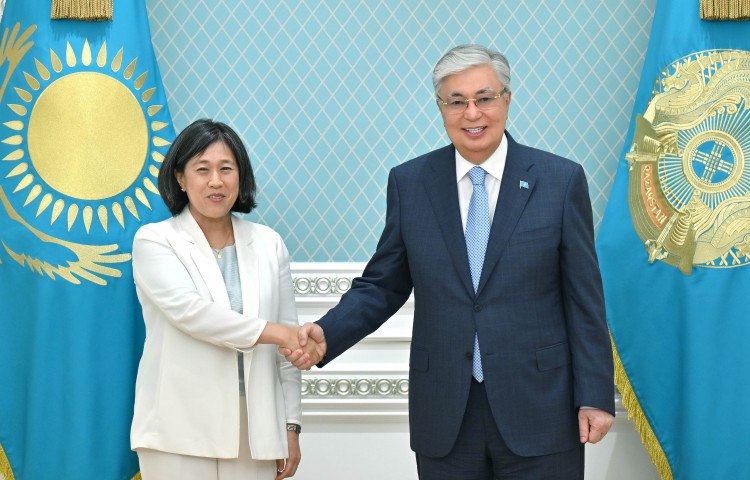
By Vagit Ismailov President of Kazakhstan Kassym-Jomart Tokayev, Deputy Prime Minister Serik Zhumangarin, Minister of Trade and Integration Arman Shakkaliev, Minister of Labor and Social Protection Svetlana Zhakupova, and other officials met with U.S. Trade Representative Catherine Tye. The United States and Kazakhstan reaffirmed their commitment to expanding and diversifying bilateral trade relations. Both sides pledged to deepen cooperation in agriculture and make progress in the near term. This includes increasing U.S. meat and poultry production capacity, optimizing the issuance of digital export certificates, and facilitating increased shipments of U.S. agricultural equipment to Kazakhstan. Tye noted Kazakhstan's interest in repealing the Jackson-Vanik amendment and expressed support for the U.S. Congress' efforts to update the Generalized System of Preferences program. She also recognized the program's importance in diversifying Kazakhstan's trade. The U.S. and Kazakhstan pledged to strengthen joint work on regional connectivity and increase the capacity of the Trans-Caspian Trade Route. The parties discussed increasing bilateral engagement to create diverse, secure, and sustainable supply chains. They stressed the importance of continuous cooperation in trade facilitation, including the harmonization and digitization of customs processes. Tye noted the contribution of U.S. companies' supply of high-quality products and the development of alternative trade routes. She also thanked Kazakhstan for the success of the 15th meeting of the Board of the U.S.-Central Asia Trade and Investment Framework Agreement (TIFA). The working groups noted progress on several issues, including sanitary and phyto-sanitary measures, customs procedures, intellectual property protection, women's economic empowerment, and digital trade. Tye further emphasized the importance of a transparent and consultative regulatory process in regional harmonization. Kazakhstan and the U.S. reaffirmed their commitment to utilize the TIFA mechanism further to deepen trade and investment ties between the U.S. and Central Asia. The U.S. also expressed interest in working closely with Kazakhstan to support internationally recognized labor rights, including promoting workers' rights to freedom of association and collective bargaining. The United States and Kazakhstan pledged to continue working to achieve concrete trade results, maintaining the positive momentum of the bilateral trade and investment relationship.

Chinese Company to Build Automobile Plant in Uzbekistan for $1.5 bln

China Xiaou Group intends to launch a large automobile manufacturing complex in the Ferghana region of Uzbekistan, the Khokimiyat (regional authority) of the Ferghana press service has reported. The agreement on constructing a large automobile complex with China Xiaou Group for $1.5 billion, at the expense of direct Chinese investments, was signed during a visit by a delegation of officials and businessmen from the Ferghana region to China. It is reported that in the first stage of the project, a $50 million investment is planned to set up production lines for 60,000 electric, hybrid, and special cars per year. In the second phase, $350 million will be invested, and $1.1 billion in the third phase. Most of the components will be localized, and the number of cars produced will be increased to 110,000 per year. The project is planned to be fully completed within five years.

Uzbekistan Seeks to Boost its Jewellery Industry

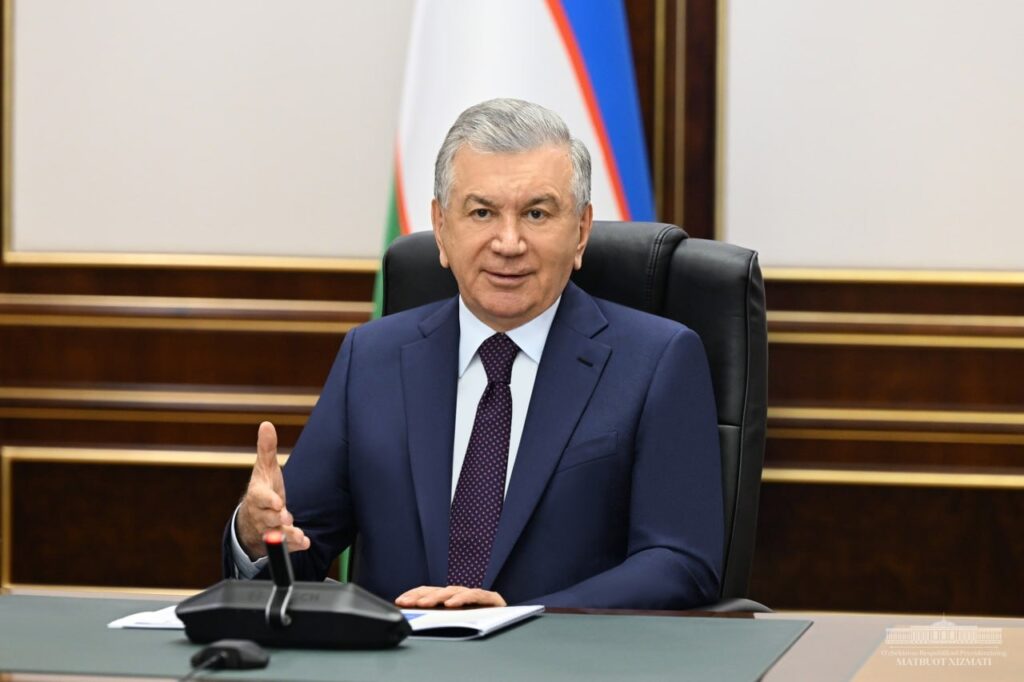
At a government meeting on June 19, plans to further develop Uzbekistan’s jewellery industry, support production and increase  exports were presented to President Shavkat Mirziyoyev. Noting the country’s huge potential for increasing the production and export of jewellery, the president said that just 6 percent of the gold mined in Uzbekistan is processed, and exports of finished products from gold amount to only $78 million. He thus emphasized the importance of creating jewellery zones equipped to attract entrepreneurs, a review of supplies of raw materials to the industry, and training specialists in the field. With reference to the above, the head of state issued instructions for a program to be developed to enhance the domestic jewellery industry until 2027. The meeting also discussed piloting special jewellery centres with production, exhibition and trading areas in Tashkent and the Namangan region. The government is considering establishing, until October 1, 2026, a zero rate of customs duty and value added tax on equipment, packaging and labelling materials used, but not produced, in Uzbekistan in the jewellery industry. An additional proposal was mooted to establish a zero-customs duty rate for the export of Uzbek jewellery to the USA. In January-March 2024, Uzbekistan exported gold worth $2.66 billion. In the first quarter of the year, revenues from gold exports comprised 41.7% of the country’s total exports. In 2023, gold exports accounted for 33.4%, or $8.1 billion, of Uzbekistan’s total export volume.    

Dreaming of Paris, Fighting for Power: Electricity in Central Asia

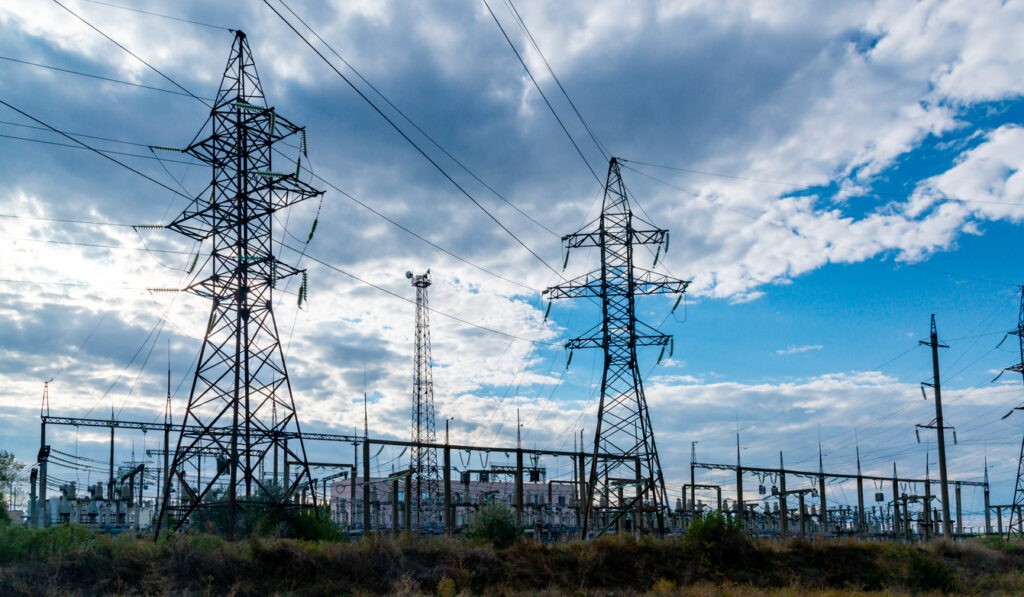
The COP28 UN Climate Change Conference in December 2023 highlighted the important role of developing countries – which include the Central Asian republics – in reducing dependence on fossil fuels thanks to the use of cleaner, renewable energy sources. Indeed, Central Asia is believed to have something to offer the world in the fight against climate change, being home to numerous sources of clean energy, including solar, wind, and hydropower.   The "electricity ring" Last year, fossil fuels accounted for 95% of the total energy supply in the five Central Asian countries, according to the UN. To meet their commitments under the Paris Agreement and the transition to a low-carbon and sustainable energy system, the region will need to make a giant leap from fossil fuels to renewable energy sources. The main issue is that this transition must be made by different electrical grids across Central Asia, most of which are linked to the Central Asian Power System (CAPS). CAPS, also known as the "electricity ring," is a joint power transmission network connecting Uzbekistan, Tajikistan, Turkmenistan, Kyrgyzstan, and some southern parts of Kazakhstan. It was created in 1960, with the aim of ensuring the reliable transmission of electricity and steady cooperation between the republics. The energy systems of these regions are united into a single structure, which allows for parallel operation even when individual sections of the grid go down, meaning that if one part of the ring goes down, the other parts continue to function, improving reliability and efficiency. This system plays an important role in ensuring energy security and promoting cooperation and interaction. The creation and maintenance of any power system requires coordinated work by all participants. In the past, some countries temporarily withdrew from CAPS for various reasons, but in most cases, they sought to resume cooperation and their link to the “electricity ring.”   Blackout On January 25, 2022, consumers in the ring experienced a blackout. The lights went out almost instantly in the south of Kazakhstan (the city of Almaty, as well as Turkestan, Kyzylorda, Almaty and Zhambyl regions), in Kyrgyzstan (the cities of Bishkek and Osh and the Issyk-Kul region) and Uzbekistan (the city of Tashkent, the Fergana Valley and Syr Darya, Jizzakh, Samarkand, Navoi and Kashkadarya regions). The widespread power outage paralyzed transportation, shut down important social infrastructure, and spurred popular discontent in the three countries affected. The Kazakhstani pundit Petr Svoik, a former professional power engineer who ran a thermal power plant (TPP), described the blackout as an unprecedented event, noting, however, that the technology worked perfectly and that the sudden loss of 1,500 MW of electricity did not lead to any major consequences. The Kazakhstani energy system consists of two insufficiently connected parts – north and south. The north is actually a continuation of the Russian power system, part of the Russian “energy bridge” - though, of course, it also has importance for the whole of Kazakhstan - whilst the south is part of the Central Asian ring. Looking at the...

U.S. and Central Asia Further Trade, Economic and Investment Cooperation

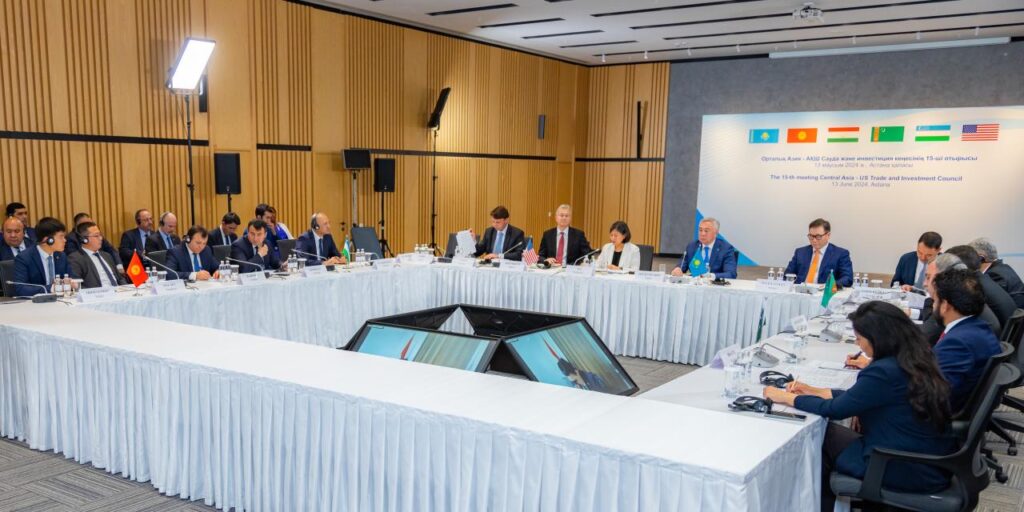
The 15th meeting of the U.S.-Central Asia Trade and Investment Framework Agreement (TIFA) Council was held in Astana on 13 June. TIFA was signed in Washington in June 2004 by the United States, Kazakhstan, Kyrgyzstan, Tajikistan, Turkmenistan, and Uzbekistan to expand international trade, attract foreign investment, and establish trade relations between Central Asian countries and Afghanistan. The US-Central Asian Trade and Investment Council was established within its framework. Reporting from Astana, the Kazakh Ministry of Trade and Integration, said that the agenda had covered prospects for diversifying trade and expanding investment cooperation. Representatives of the six countries also discussed the development of new trade routes to improve supply chain resilience and diversify the economy. During the event, Kazakh Deputy Prime Minister Serik Zhumangarin remarked, “As one of the major economies in the region and a WTO member, Kazakhstan recognizes the high potential offered by TIFA to strengthen not only bilateral but also regional trade relations. This year's meeting of the TIFA Central Asia Regional Council is further proof of the progressive development of regional cooperation and sustainability, which in turn, plays an important role in stabilizing world economy by connecting the global markets of both the West and the East.” U.S. Trade Representative Katherine Tai, emphasizing the need to coordinate joint efforts to ensure sustainable growth of TIFA economies, stated: “Central Asia remains a very important economic and strategic partner for the United States. We are also experiencing climate change and facing the consequences of technological and industrial progress. It is necessary to jointly develop traditional supply chains, the stability of which will ensure sustainable economic growth. The US is interested in improving the quality of trade, supplying critical metals for the production of cars and semiconductors.”    

PepsiCo to Build Snack Production Plant in Kazakhstan

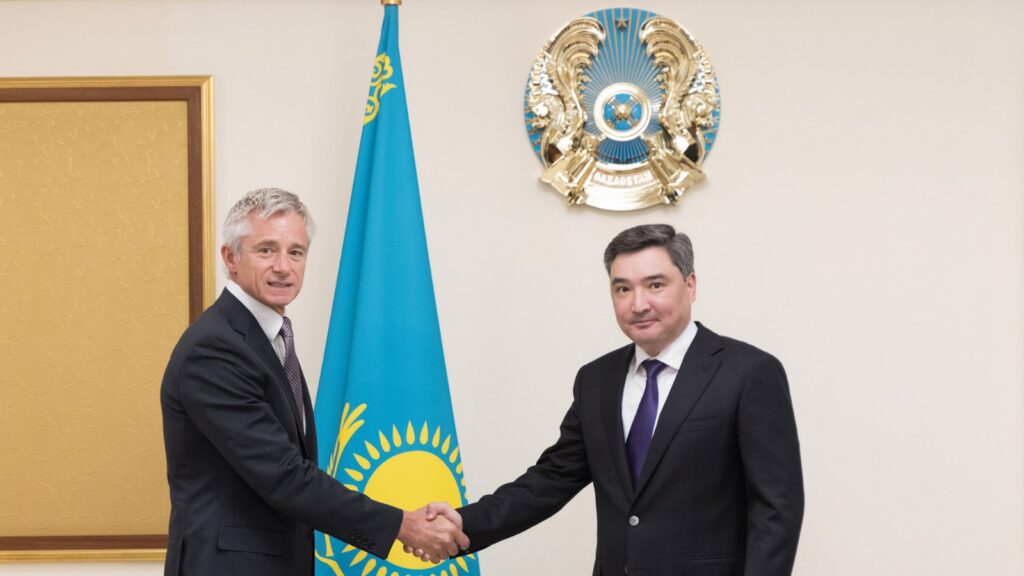
PepsiCo has announced plans to build a full-scale new plant to produce salty snacks, including Lays crisps, in Kazakhstan’s Almaty region. Implementation of the project was discussed at a meeting between Kazakhstan Prime Minister Olzhas Bektenov and David Manzini, President of PepsiCo in Central Asia, Russia, Belarus, and Caucasus. According to the Kazakh prime minister’s press service, the project has already received $160 million in foreign investment. The plant, anticipated as the largest of its kind in Central Asia, is scheduled to open in 2026. Its original capacity of up to 16,000 tons of finished products per year, will increase to 21,000 tons from 2027, for distribution to both the Central Asian market and abroad. Up to a thousand people will be employed during the plant’s construction, with 350 skilled jobs created when it opens. David Manzini stated PepsiCo’s intention to use locally sourced raw materials. The conclusion of contracts with Kazakh farmers on the delivery of test batches of potatoes is ongoing but all going to plan, the company will purchase up to 50-66 thousand tons of potatoes in 2026-2030, and increase the volume in later years. Prime Minister Bektenov emphasized the importance of the project for the development of agriculture, increasing Kazakh farmers’ income and strengthening the economy. He mentioned that besides its positive impact the food industry and agribusiness, the plant will have a multiplier effect on related industries including transport, logistics, packaging, and processing of agricultural products.