• KGS/USD = 0.01143 0%
  • KZT/USD = 0.00200 0%
  • TJS/USD = 0.10593 -0.19%
  • UZS/USD = 0.00008 0%
  • TMT/USD = 0.28575 0%
  • KGS/USD = 0.01143 0%
  • KZT/USD = 0.00200 0%
  • TJS/USD = 0.10593 -0.19%
  • UZS/USD = 0.00008 0%
  • TMT/USD = 0.28575 0%
  • KGS/USD = 0.01143 0%
  • KZT/USD = 0.00200 0%
  • TJS/USD = 0.10593 -0.19%
  • UZS/USD = 0.00008 0%
  • TMT/USD = 0.28575 0%
  • KGS/USD = 0.01143 0%
  • KZT/USD = 0.00200 0%
  • TJS/USD = 0.10593 -0.19%
  • UZS/USD = 0.00008 0%
  • TMT/USD = 0.28575 0%
  • KGS/USD = 0.01143 0%
  • KZT/USD = 0.00200 0%
  • TJS/USD = 0.10593 -0.19%
  • UZS/USD = 0.00008 0%
  • TMT/USD = 0.28575 0%
  • KGS/USD = 0.01143 0%
  • KZT/USD = 0.00200 0%
  • TJS/USD = 0.10593 -0.19%
  • UZS/USD = 0.00008 0%
  • TMT/USD = 0.28575 0%
  • KGS/USD = 0.01143 0%
  • KZT/USD = 0.00200 0%
  • TJS/USD = 0.10593 -0.19%
  • UZS/USD = 0.00008 0%
  • TMT/USD = 0.28575 0%
  • KGS/USD = 0.01143 0%
  • KZT/USD = 0.00200 0%
  • TJS/USD = 0.10593 -0.19%
  • UZS/USD = 0.00008 0%
  • TMT/USD = 0.28575 0%
22 February 2026

Viewing results 1 - 6 of 53

Kyrgyz-Uzbek Automobile Plant Imports Components from Uzbekistan

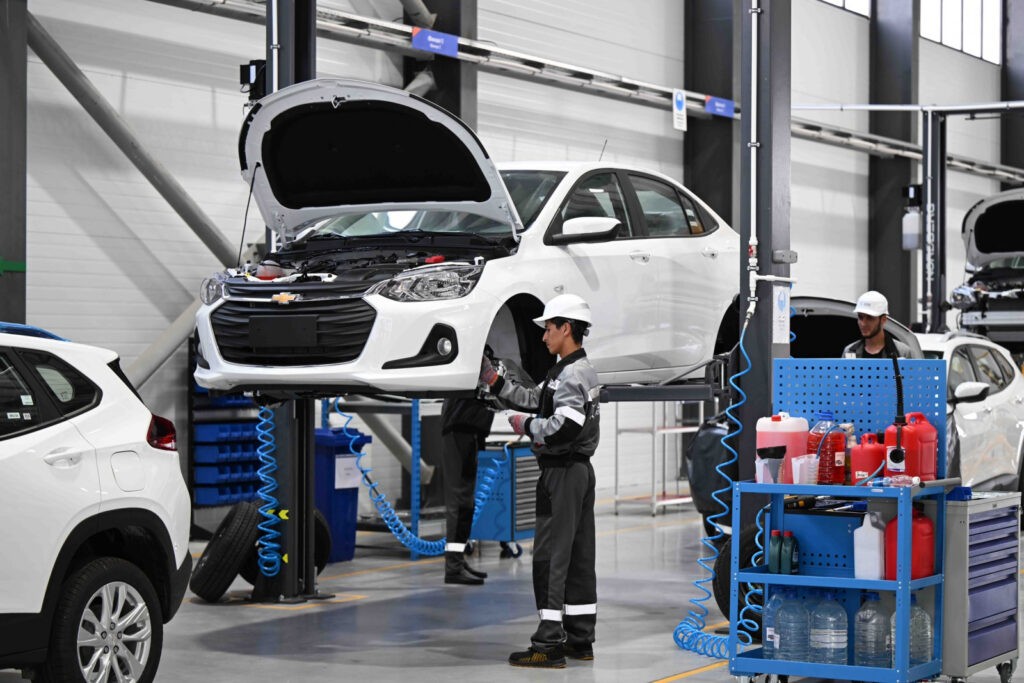
On July 5, Chairman of the Cabinet of Ministers of the Kyrgyz Republic, Akylbek Japarov visited the northern Chui region to inspect the Tulpar Motors assembly plant, a joint Kyrgyz-Uzbek enterprise for the manufacture of Chevrolet and Isuzu vehicles. Construction of the plant began in May 2023 and the first car rolled off its assembly line in May 2024. Already in operation, the plant will be officially opened in July-August by the president of Kyrgyzstan. According to plans, within five years, the number of employees at the plant will reach 1,400 and the total investment in the project, will amount to $110 million. During the first year, Uzbekistan’s UzAuto Motors will invest $50 million in the assembly of 10,000 cars, beginning with the Chevrolet Nexia R3. At the initial stage, components will be provided by Uzbekistan but thereafter, will be produced inhouse to enable the Kyrgyz plant's manufacture of some 20,000 vehicles per year. During his visit, the head of the Cabinet of Ministers noted that the cars, trucks, and buses produced by the plant will meet the demand in Kyrgyzstan and be available for export to other Central Asian countries.  

Tajikistan and China Tighten Strategic Partnership

On his state visit to Tajikistan on July 5, Chinese President Xi Jinping confirmed China’s unwavering support of the country’s independence, sovereignty, and territorial integrity, and ready to develop a comprehensive strategic partnership between the two countries, engaged in negotiations with Tajik President Emomali Rahmon in Dushanbe. Opening the meeting, Rahmon said that for Tajikistan, strengthening a comprehensive strategic partnership with China is a priority, and added that Dushanbe firmly supports the one-China principle and opposes any form of Taiwan independence. As reported by Rahmon’s press service, the leaders discussed expanding cooperation in trade and economy, as well as Chinese investment in industry, energy, transport, agriculture, digitization of the economy, and artificial intelligence. Today, over 700 of Tajikistan’s industrial enterprises, including mining and mineral processing, are financed by Chinese capital, and looking ahead, the leaders earmarked the joint production of green technologies, and in particular, electric cars, solar panels and smart electric grids, as promising areas for ​​cooperation. Following the talks, the Chinese president told journalists that the two sides agreed to focus on high-quality Belt and Road cooperation, promote the synergy of the two countries’ development strategies, and assist each other's modernization drive. Xi also announced China’s readiness to increase its importation of quality products from Tajikistan and pledged support for boosting the country’s transit potential. Later in the day, the Chinese and Tajik presidents attended the inauguration of new parliament and government buildings in Dushanbe, built with China’s support. As testimony to the strong relationship between the two, Xi Jinping presented President Rahmon with the Friendship Medal of the People's Republic of China; the first time the award has been received by anyone outside China.    

Uzbek Afghan Business Forum

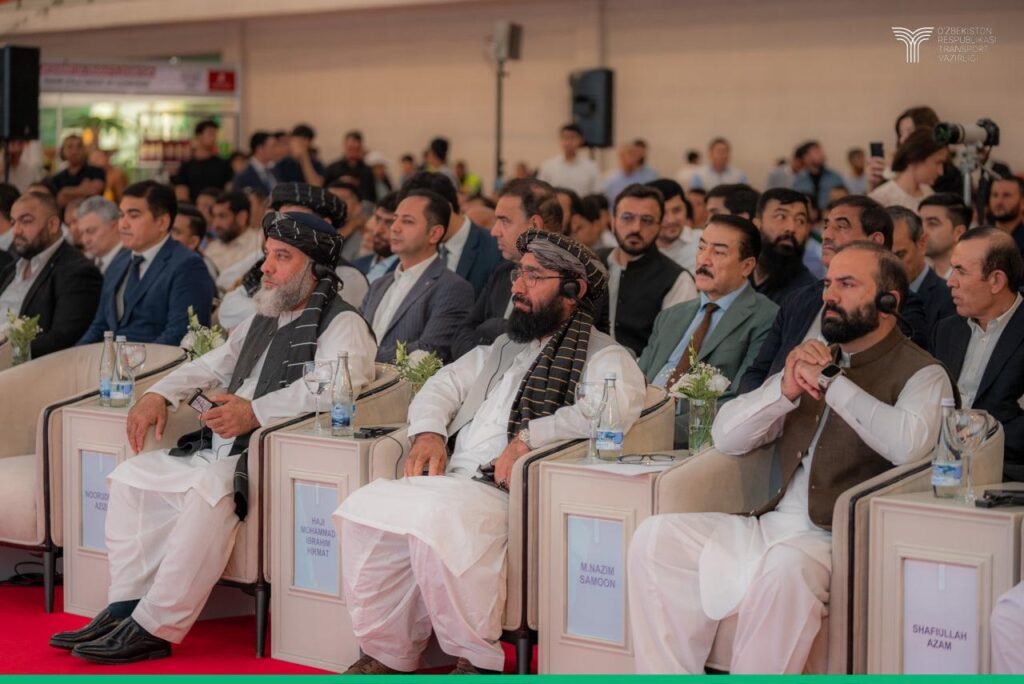
On July 3, an Uzbek-Afghan business forum was held in Tashkent to coincide with the visit  of an Afghan delegation headed by Minister of Industry and Trade Nuriddin Azizi. The major event, the forum was attended by heads of ministries and government agencies, industry, and over 1,000 business representatives from both countries. As reported by the Uzbek Ministry of Investment, Industry and Trade, Afghanistan is Uzbekistan's fifth-largest export market. In the last five years, trade between the two countries has increased almost 1.5-fold, reaching $866 million in 2023. Uzbekistan currently receives Afghan investment in 550 enterprises, 443 of which are wholly funded with Afghan capital. In his welcoming speech, Laziz Kudratov, Minister of Investment, Industry and Trade of Uzbekistan, highlighted several promising areas of cooperation, including diversifying the range of goods traded, and bolstering cooperation between producers and exporters with support of both countries’ respective departments and industry associations. The forum focused on initiatives to further develop mutual trade, such as the transition to round-the-clock border crossing operations, the establishment of trading houses, and the execution of major transport and infrastructure projects. Attention was drawn to the significant impact of more proactive engagement at the International Trade Centre in Termez on the Uzbek-Afghan border, where the creation of business-friendly conditions include a 15-day visa-free regime and tax-free zone. Nuriddin Azizi, Minister of Industry and Trade of Afghanistan, commended Uzbekistan's efforts to foster an environment conducive to bilateral trade, economic and investment cooperation. He also encouraged more proactive engagement between Afghan and Uzbek entrepreneurs by offering assurance of both sides' readiness to support new ventures and initiatives. The forum was complemented by the  exhibition "Made in Afghanistan" which showcased the produce of 75 major Afghan companies from jewellery, textiles and food to electrical engineering, mining, transportation and logistics. The event concluded with the signing of several trade agreements in the chemical and agricultural sectors, as well as an agreement to establish a logistics centre. According to the Uzbek Ministry of Transport, Afghanistan is one of the key links in ensuring regional connectivity across Central and South Asia. In recent years, cargo transportation across Afghanistan has risen significantly and in 2023, the volume carried along the multimodal transport corridor Uzbekistan – Afghanistan – Pakistan increased 1.5-fold compared to 2021.  

Kazakhstan and China Cement Strategic Partnership

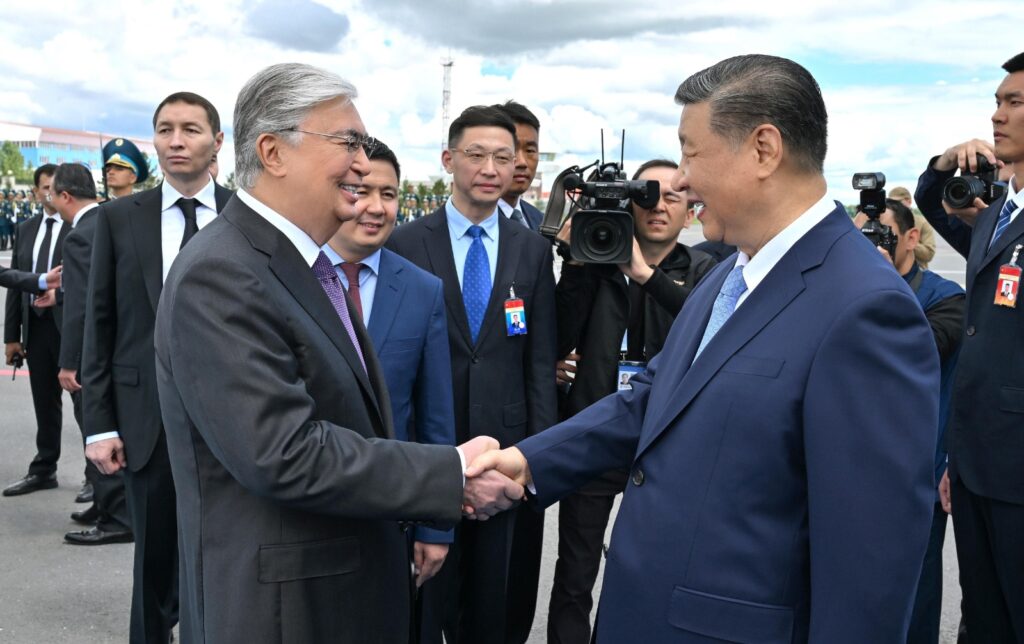
On July 3 , Kazakhstan President Kassym-Jomart Tokayev held a meeting in Astana with Chinese President Xi Jinping, during the latter's state visit to Kazakhstan. Tokayev opened the talks by hailing China a strategic partner and one of Kazakhstan’s main allies. In response, Xi Jinping announced that China considers Kazakhstan a priority in its foreign policy relations with neighbouring countries and an important partner in Central Asia, whilst confirming,  “I assure you that China will always be a reliable support for Kazakhstan.” Negotiations revolved around the development of cooperation in investment in various sectors, including e-commerce, the manufacture of automobiles and auto parts, transit and transport, logistics, energy, agriculture, finance, and tourism. Following the meeting, Tokayev told journalists that the development of strong political relations between Kazakhstan and China is based on mutual trust and support and emphasized, “There are no unresolved issues between us. We intend to unite our forces for intensifying trade, economic, scientific, technical, cultural and humanitarian ties. President Xi Jinping and I have just signed a Joint Statement -outlining- important achievements and long-term tasks for our countries. China is Kazakhstan's leading trading partner. Last year, bilateral trade turnover amounted to $41 billion. In the near future we intend to double this figure. Beijing is one of our main foreign investors. Over the past 15 years, about $25 billion has been invested in Kazakhstan [by China].” According to Tokayev, in 2023, Chinese investment in Kazakhstan’s economy increased by 16% and reached $1.8 billion. “Today, 45 projects are being implemented in Kazakhstan at a total cost of $14.5 billion -and we now have over 4,700 enterprises funded with Chinese capital. During negotiations, the importance of further implementation of mutually beneficial investment projects in the fields of energy, infrastructure, agriculture, manufacturing, finance, transport, aerospace, and IT was emphasized. We are ready to create favourable conditions for Chinese companies wishing to develop the Kazakh market.” Referencing the fact that in 2023, exports of agricultural products from Kazakhstan to China doubled to reach $1 billion, the president continued,  “We look forward to increasing supplies of high-quality natural meat products, oilseeds and grain crops to the Chinese market- and exploring - opportunities to increase the volume of grain exports to 2 million tons.” Via teleconference, the two leaders participated in the ceremonial launch of ferries transporting trucks and railway containers along the Trans-Caspian International Transport Route. Tokayev and Xi also opened a Kazakh cultural centre in Beijing and a Chinese cultural centre in Astana, both of which will host various cultural events, exhibitions, lectures, and masterclasses aimed at strengthening mutual understanding between the peoples of the two allied countries. In addition to the above, the two leaders opened a branch of the Beijing Language and Culture University at Astana International University.    

Kazakhstan, UNDP, and Eurasian Development Bank Unite in Water Management

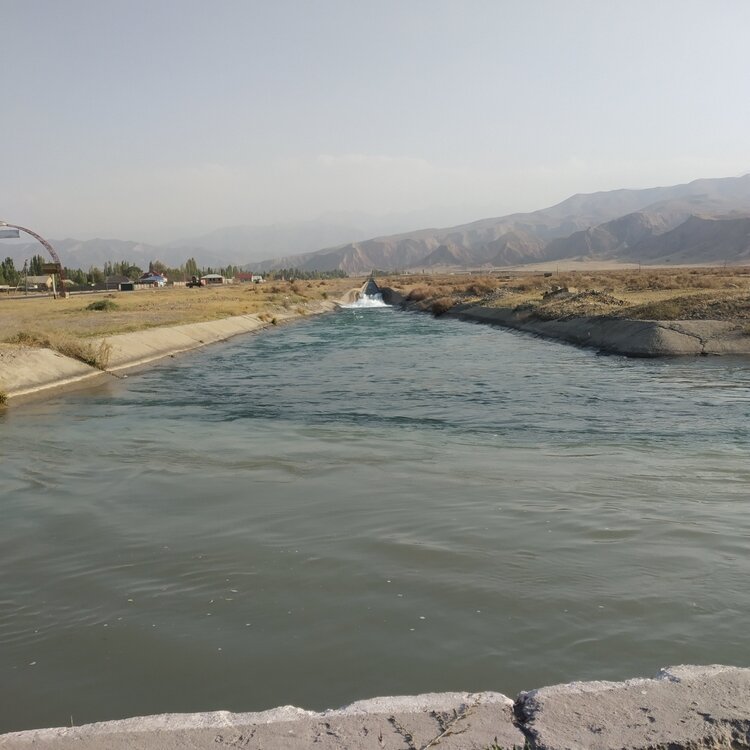
On 28 June, the Ministry of Water Resources and Irrigation of Kazakhstan, the United Nations Development Programme (UNDP) in Kazakhstan, and the Eurasian Development Bank (EDB) signed a letter of intent to cooperate on joint development projects in multi-purpose water resources management. As reported by the EDB Media Centre, as part of the agreement, the EDB plans to allocate approximately US $5.3 million in technical assistance to implement several initiatives including water sector digitalization, the development of regional training centres for state-of-the-art irrigation technologies, piloting modern water-saving technologies, and developing a legal and institutional framework for the water sector. Kazakhstan is experiencing an increase in water-related disasters, as evidenced by recent severe floods and escalating water shortages caused by new infrastructure projects in neighbouring regions, and to mitigate future risks, must instigate improved irrigation and water management strategies. Nurzhan Nurzhigitov, Kazakhstan’s Minister of Water Resources and Irrigation, commented: “Our Ministry faces many important tasks, one of which is the modernization and improvement of the country’s water management system. For this purpose, a concept and its comprehensive plan outlining specific measures for the development of water infrastructure in Kazakhstan and other large-scale projects were developed and approved. We intend to actively cooperate with international organizations and financial institutions, adopt the best practices of other countries, and jointly implement large projects that will bring benefits for decades to come. Today’s agreement is another step in this direction.” Nikolay Podguzov, Chairman of the EDB Management Board, added: “We are on the verge of a water shortage in Central Asia – this is a complex regional challenge, but we are tackling it. This is the call we want to convey to all interested parties. We must act very quickly and together. We have only five years to get the region ready and avoid severe water shortages. To timely inform all interested parties, we have done significant work and will keep working to expand the network of partnerships.” “Globally, the water sector suffers from insufficient funding and investment,” highlighted Sukhrob Khojimatov, UNDP Resident Representative a.i. in Kazakhstan. “Today, less than 10% of global investment goes into water infrastructure. In this context, we are encouraged by this partnership, which we believe will help address complex issues in water management, strengthen climate resilience, and develop regional cooperation in Central Asia under the water agenda.”    

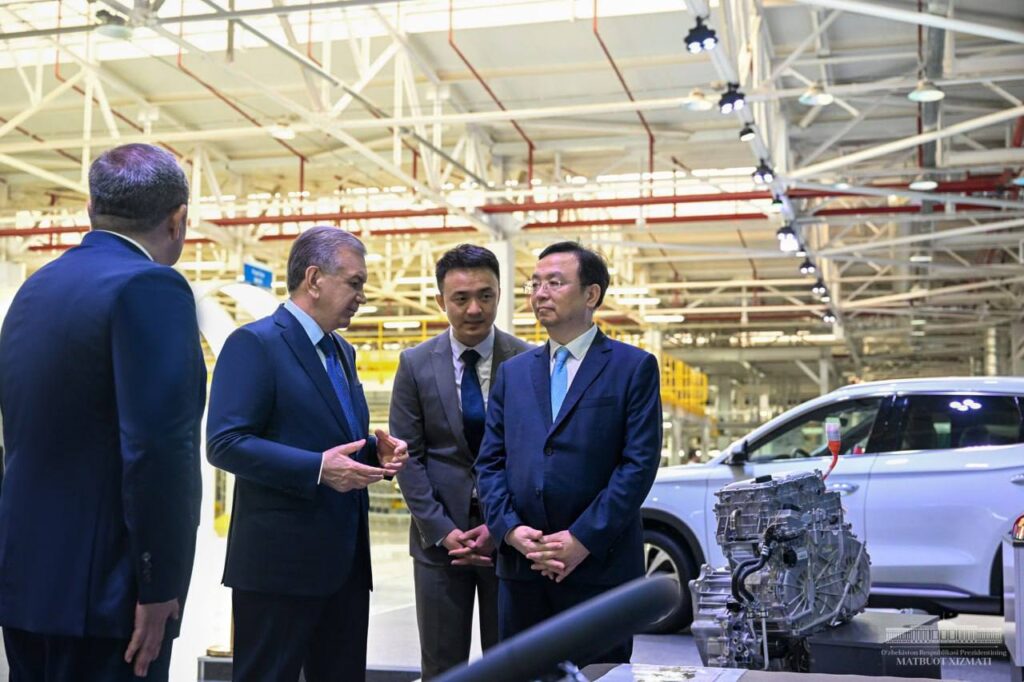
First Electric Vehicles Roll Off China’s BYD Assembly Line in Uzbekistan

On June 27, Uzbekistan President Shavkat Mirziyoyev joined his Chinese partners in witnessing the start of production of electric vehicles at the BYD Uzbekistan Factory in Jizzakh. The visit marked the completion of first phase of the project which will have the capacity to manufacture 50,000 electric vehicles per year. Costing $160 million, the plant is furnished with modern equipment and robotic systems from China, as well as a laboratory for high-precision testing of the geometric dimensions of electric vehicles. The plant currently manufactures the Chazor and Song Plus Champion and President Mirziyoyev left his signature on the first electric car that rolled off the assembly line. In the coming years, the range of models will expand. During the second phase, costing $300 million, manufacture will increase to up to 200 thousand electric vehicles per year, and in the third stage, at a further cost of $500 million, up to 500 thousand vehicles. In tandem with the rising volume of vehicles produced at the plant,  local production of related parts will also increase. Starting with bumpers, glass, varnished and plastic parts, plans are in place to establish new enterprises to produce batteries, electric motors, aluminium parts, tires, and seats. The plant currently employs 1.2 thousand people and once all three stages are complete, the number of jobs will reach 10 thousand.