Cement exports from Kazakhstan to Uzbekistan have fallen sharply in recent months, with industry officials blaming a sudden change in Uzbek customs policy. According to Yerbol Akimbayev, head of the Cement and Concrete Producers Association of Kazakhstan (QazCem), new customs rules imposed by Tashkent are significantly disrupting cross-border trade.
Speaking to Forbes Kazakhstan, Akimbayev said Uzbek authorities now require Kazakh cement imports to be declared at $300 per ton, ten times the actual sale price of roughly $30 per ton. “Taxes should reflect the real import price. Setting the customs declaration at $300 has made exports economically unfeasible,” he stated.
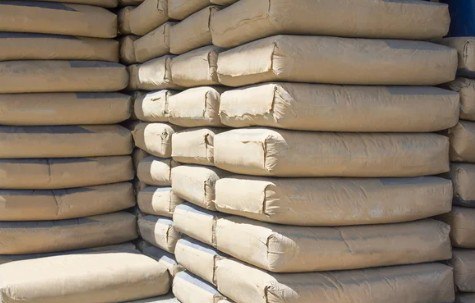
The new pricing rule comes at a difficult time for Kazakhstan’s cement industry, which is already grappling with overcapacity and shrinking export opportunities. The country currently operates 16 cement plants with a combined annual capacity of 18 million tons, while domestic demand has stagnated between 11.5 and 12 million tons over the past five years. Even with demand growing by 15-20% this year, roughly 2 million tons, production still far exceeds consumption.
“Operating plants can already produce 17 million tons, and our technical capacity is around 18.5 million tons,” Akimbayev explained. “With new facilities under construction, we could soon reach 22 million tons. That leaves us with about 6 million tons in excess capacity, exports are essential for industry viability.”
While Russia remains Kazakhstan’s top cement supplier, followed by Iran, Uzbekistan has become an increasingly important export market in recent years. However, Akimbayev argues that the recent policy shift undermines fair competition and could destabilize the regional cement market.
“This isn’t about competition, it’s about clear and objective rules,” he said. “Our producers meet strict quality and safety standards. It’s only fair that importers face similar conditions. When we addressed this imbalance in 2019, the number of import certificates issued dropped by 95%, exposing the scale of shadow trade.”
The impact is already being felt across Kazakhstan’s cement sector. A plant in the Kostanay region declared bankruptcy earlier this year, and another in the Akmola region is facing financial strain. At the same time, three new factories are under construction, adding further pressure to an oversupplied market.
“Foreign investment is welcome, but it should target sectors that align with the country’s actual needs, like data centers or airports, not industries already in crisis,” Akimbayev warned.
Industry leaders in Kazakhstan are urging both governments to resolve the dispute and reestablish stable trade conditions for cement exports.