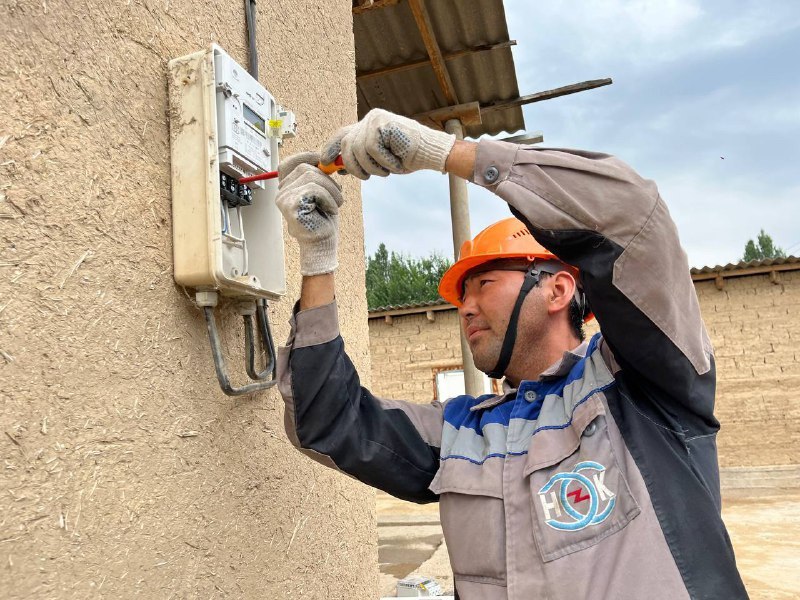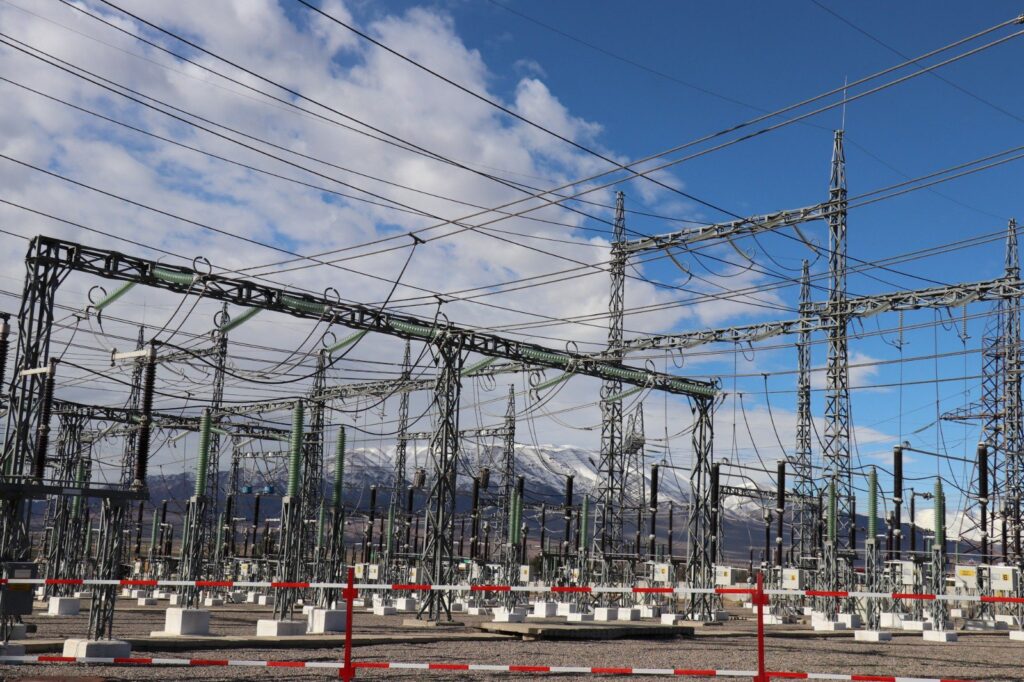
As winter nears, the National Electric Grid of Kyrgyzstan introduced new electricity consumption limits for households, cutting the cap from 5 kilowatts to 3 kilowatts during peak morning and evening hours. At the same time, the company proposed allowing citizens to pay a higher tariff for unlimited electricity usage.
The proposal sparked immediate backlash amid Kyrgyzstan’s chronic autumn-winter energy shortages, when many households depend on electric heating.
President Sadyr Japarov swiftly condemned the initiative, calling it “unacceptable” during a period of scarcity. He warned that such a measure risked deepening social inequality and ordered the immediate cancellation of the unlimited-use tariff. Japarov also directed officials to implement equitable policies to ensure fair access to electricity for all citizens during the winter.
Following the president’s intervention, the Ministry of Energy stated that the proposal had been introduced without its approval. The ministry also announced disciplinary action against the leadership of the National Electric Grid of Kyrgyzstan.
On November 6, the Cabinet of Ministers introduced a series of emergency measures aimed at promoting responsible energy consumption. These include restrictions on the use of indoor and outdoor lighting and electrical equipment in government institutions between 6:00 p.m. and 6:00 a.m.
Exemptions apply to strategic facilities and institutions that provide defense, security, healthcare, and social services, as well as those operating 24/7. The Cabinet estimates that the new measures could save up to 40 million kilowatt-hours of electricity per month.
Government data shows that in the first nine months of 2025, electricity consumption increased by nearly 1 billion kilowatt-hours, largely due to the launch of new industrial sites, schools, and residential developments.
Energy Minister Taalaibek Ibraev recently warned that the upcoming winter could be among the most challenging in years, citing critically low water levels at the Toktogul reservoir, which supplies approximately 40% of Kyrgyzstan’s electricity.
In 2024, the country consumed 18.3 billion kilowatt-hours of electricity, up 1.1 billion kWh from the previous year. To cover the shortfall, Kyrgyzstan imported 3.6 billion kWh from Kazakhstan, Turkmenistan, Uzbekistan, and Russia. Additional imports have already been secured for the 2025-2026 winter.
President Japarov has pledged that Kyrgyzstan will achieve energy self-sufficiency during winter months within two and a half years.
“In two and a half years, we will no longer import electricity during winter. We will have enough domestically produced power,” Japarov said, urging citizens to remain patient as the government works to address the crisis.
The country’s long-term energy security hinges on the construction of the Kambarata-1 Hydropower Plant, which is expected to be the largest in Kyrgyzstan and Central Asia. Once completed, it will have an installed capacity of 1,860 MW and generate 5.6 billion kilowatt-hours annually. The project is being developed in partnership with Kazakhstan and Uzbekistan.