
• KGS/USD = 0.01144 0%
  • KZT/USD = 0.00196 -0%
  • TJS/USD = 0.10899 -0%
  • UZS/USD = 0.00008 -0%
  • TMT/USD = 0.28490 0%
  • KGS/USD = 0.01144 0%
  • KZT/USD = 0.00196 -0%
  • TJS/USD = 0.10899 -0%
  • UZS/USD = 0.00008 -0%
  • TMT/USD = 0.28490 0%
  • KGS/USD = 0.01144 0%
  • KZT/USD = 0.00196 -0%
  • TJS/USD = 0.10899 -0%
  • UZS/USD = 0.00008 -0%
  • TMT/USD = 0.28490 0%
  • KGS/USD = 0.01144 0%
  • KZT/USD = 0.00196 -0%
  • TJS/USD = 0.10899 -0%
  • UZS/USD = 0.00008 -0%
  • TMT/USD = 0.28490 0%
  • KGS/USD = 0.01144 0%
  • KZT/USD = 0.00196 -0%
  • TJS/USD = 0.10899 -0%
  • UZS/USD = 0.00008 -0%
  • TMT/USD = 0.28490 0%
  • KGS/USD = 0.01144 0%
  • KZT/USD = 0.00196 -0%
  • TJS/USD = 0.10899 -0%
  • UZS/USD = 0.00008 -0%
  • TMT/USD = 0.28490 0%
  • KGS/USD = 0.01144 0%
  • KZT/USD = 0.00196 -0%
  • TJS/USD = 0.10899 -0%
  • UZS/USD = 0.00008 -0%
  • TMT/USD = 0.28490 0%
  • KGS/USD = 0.01144 0%
  • KZT/USD = 0.00196 -0%
  • TJS/USD = 0.10899 -0%
  • UZS/USD = 0.00008 -0%
  • TMT/USD = 0.28490 0%
08 December 2025

Global Industry Experts to Meet in Almaty as Kazakhstan Ponders Nuclear Power

ALMATY, Kazakhstan – A group that represents the global nuclear industry will meet next week in Kazakhstan, which plans to hold a referendum this year to decide whether to build a nuclear power plant in order to ease power shortages.

The London-based World Nuclear Association is holding the “working group” meetings in Almaty on April 15-16 in collaboration with the Energy Ministry of Kazakhstan, the world´s biggest uranium producer.

Delegates at the Almaty meetings “will hear about and exchange views on the specific requirements of Kazakhstan for the deployment of nuclear power, the global landscape, and opportunities for the country in driving forward its nuclear power plans,” the association said.

The periodic event, called World Nuclear Spotlight, gathers policymakers, stakeholders and industry leaders. The goal is to share best practices, conduct analysis and coordinate on economic, safety and environmental issues.

A nuclear power plant in Kazakhstan would be the first since the 1990s, when the Soviet BN-350 reactor in the Caspian city of Aktau was decommissioned.

Kazakhstan, however, faces conflicting energy and environmental pressures as it considers the plan to build a civilian nuclear plant. There are also geopolitical complications because of the potential involvement in the project of Russia and other foreign actors.

Many people in Kazakhstan are uneasy about nuclear power, recalling the trauma caused by devastating contamination over decades at the Soviet nuclear testing site at Semipalatinsk.
Lukoil to Invest $200 Million in Kazakhstani Oil & Gas Project

The Kalamkas Sea-Khazar project is expected to attract around $6.5 billion in total investment, and will be one of the first in Kazakhstan where oil production will be carried out from offshore platforms.

In financial statements from Kazakh state energy company, KazMunayGas (KMG), it was stated that Russia’s Lukoil has purchased a stake in the Kalamkas Sea oil & gas project in for $200 million. That amount was enough to buy a 50% stake in Kalamkas-Khazar Operating Co., which is engaged in hydrocarbon production at the subsoil areas of Kalamkas Sea, Khazar and Auezov.

Furthermore, according to the terms of the agreement, Lukoil can pay another $100 million to increase its stake if it fulfills certain conditions. KMG made a solid profit on the deal, recognizing the additional cash from the sale as a financial asset, adding $29 million to their reserves. Lukoil has previously cooperated in similar projects in the Russian sector of the Caspian Sea, and has now become a strategic partners of KMG on the Kazakhstani side of the sea’s border. KMG deputy chairman, Kuanysh Kudaibergenov explained that combining the Kalamkas Sea and Khazar projects into one subsoil use contract was a logical step. The fields were abandoned because they were not economically viable, but now they are back on the list for development thanks to a new approach and Russian investment.

Uzbekistan Strengthens Measures Against Extremism

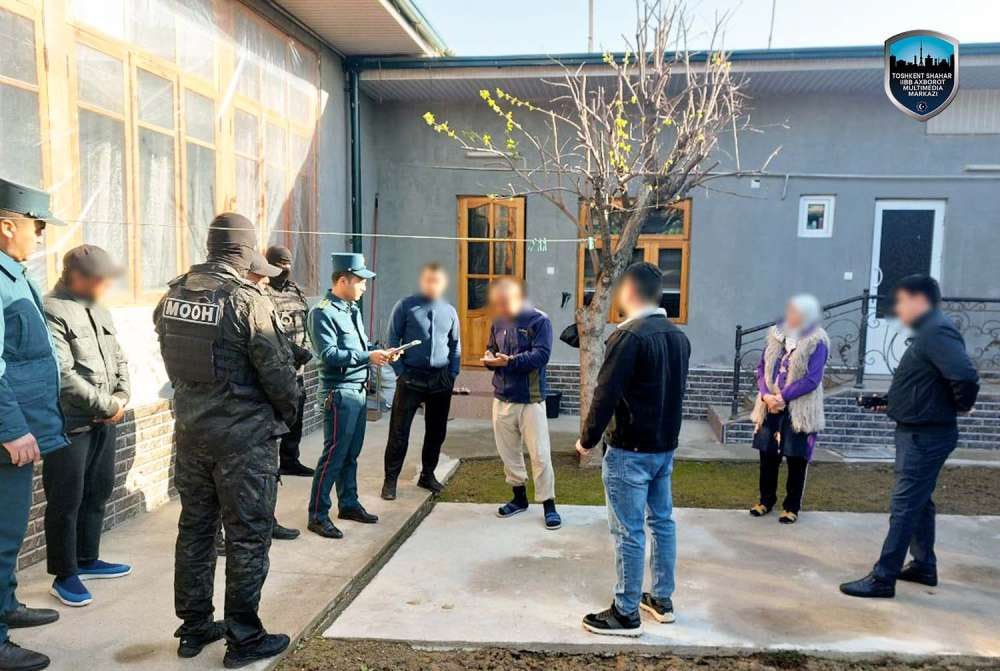
As part of new urgent measures in Tashkent, authorities searched 45 houses, according to a report by the Main Department of Internal Affairs (MDIA) of the city. The searches were carried out at the houses of citizens who had previously joined extremist radical groups, and suspects were arrested.

Over the past three months, 50 criminal cases have been initiated involving religious extremism and terrorism, while administrative reports were drawn up in connection with 188 violations. Legal measures were taken against a total of 264 individuals.

In the MDIA report, citizens were asked to refrain from joining various radical groups and not to promote foreign ideas through social networks. Earlier, in order to better ensure the safety of citizens in the capital, the MDIA announced that employees were conducting operations in an enhanced manner in shopping complexes, entertainment venues, markets, and other public places.

Uzbek Enterprises That Employ Returned Labor Migrants to Receive Subsidies

Uzbekistan has adopted a presidential decree entitled, “on the improvement of labor migration processes and additional measures to support persons engaged in temporary work abroad,” according to a report released by the Ministry of Justice.

In accordance with the decree, a subsidy of 500,000 Uzbek som ($39.50) per month will be paid to employers for each worker who has returned from labor migration from June 1, 2024 (including federally funded organizations, state enterprises, and legal entities with a state share of 50% or more in the charter capital excluding individuals). Persons who have returned from labor migration are classified as those who have worked abroad for three or more months and returned to their place of residence less than a year ago.

According to this decree, the subsidy will be paid out to employers for each person hired from June 1, 2024, to January 1, 2026; the basis for subsidy payment will be an employment contract concluded with a person returning from labor migration and registered in the  Unified National Labor System (yagona milliy mehnat tizimi).

From June 1, 2024, the following social benefits will also come into effect:
– free medical examination of persons returning from labor migration and their family members, and;
– the practice of providing free medical care to persons who have returned from labor migration and are suffering from a socially significant disease (as defined by the government).

Additionally, starting from June 1, citizens going to work abroad will receive compensation to partially cover their expenses related to passing foreign language or professional qualification exams, formalizing a work visa, and purchasing a ticket.

Cancer Patients in Uzbekistan Dying for Want of Palliative Care

Despite being approved back in 2017, the construction of a hospice for adults in Tashkent remains but a dream. Deprived of palliative care for the past five years, Uzbek citizens afflicted by oncological, haematological, neurological and immunological diseases have been left to suffer and die.

Tasked with building the facility, the Comfort Engineering Group has defended the long delay by citing a lack of funds. Although allocated $1.4 million for the build, the company received only $113.5 thousand and as a consequence, was forced to down tools.

The city administration had promised to finish the “long construction” back in November 2023 and in April this year, the hospice was expected to receive its first patients.

Frustrated by the Uzbek capital’s authorities, Yakhyo Ziyayev, oncologist and long-term campaigner for the development of palliative and hospice care in Uzbekistan, stated on social media, “I can honestly tell you, I’m losing faith in the possibility of changing anything for the better in this country. Here comes April. Where is the fulfilment of the promise? A week ago, Rustam (oncologist Rustam Norboev) and I visited the site. Nothing has started. We were told that it would start on Monday, next week. It’s OK if they finish late, it’s still a victory for us, so I didn’t take it negatively.”

Local specialists have also voiced their disappointment, “Stephen Connor, head of the World Association for Hospice and Palliative Care, is due to visit Uzbekistan in May. But his visit will be pointless because of the lack of basic infrastructure.”

As a result of the high profile afforded to the oncologist’s appeal, the Tashkent khokimiyat has now promised to discuss the issue with the city’s recently appointed khokim, Shavkat Umurzakov, within 10-15 days. “If it is not possible to (secure) money to complete the hospice, they will get it from other sources and complete the hospice by September,” assured an administration spokesperson.

Thanks to the efforts of the Ezgu Amal Charitable Foundation, Israeli Ambassador to Uzbekistan Zehavit Ben-Hillel, Embassy employee Daphne Kfir-Furman and sponsors, Uzbekistan’s first and only children’s hospice opened in August 2022, has treated 260 patients to date.

Forthcoming Official Visit of Kyrgyz President to Kazakhstan

On April 9, Kazakh Prime Minister Olzhas Bektenov attended a meeting in Bishkek with the Chairman of the Cabinet of Ministers of Kyrgyzstan, Akylbek Japarov, to discuss an official visit by the President of Kyrgyzstan, Sadyr Japarov to Kazakhstan, on April 18-19.

Akylbek Japarov emphasized the existing potential to increase the volume of trade turnover between the two countries which already amounts to $2 billion this year. In 2023, trade between Kazakhstan and Kyrgyzstan amounted to $1.317 billion, an increase of 11.6% compared to 2022. Bektenov, in turn, stated Kazakhstan’s readiness to increase its exports by $260 million.

The parties noted that the planned launch of an Industrial Trade and Logistics Complex on the Kazakh-Kyrgyz border promised a multiplier effect and additional impetus to trade, economic, and investment cooperation.

As the use of transboundary water resources for irrigation remains a vital issue in bilateral relations, the Kazakh prime minister emphasized the importance of approving operating modes of water management facilities for interstate use for the growing season of 2024.

The meeting also addressed the need for collaboration to increase the transit capacity of the Kazakh-Kyrgyz border. The Concept for the Development of the Transit and Transport Potential of Kazakhstan, in place until 2030, covers the construction and reconstruction of checkpoints of Karasu, Besagash, Aukhatty, Sartobe, Aisha Bibi, Sypatai Batyr, and Kegen.