Can you provide an overview of the current flood situation from the perspective of the affected areas and the population?
The current flood situation is serious, though it remains manageable. This year’s floods have exceeded those of 2012 and 2017, which were previously the most significant in the past three decades, making this potentially the most severe disaster in over 80 years.
A combination of factors has contributed to this crisis. A late and rainy autumn, followed by a sharp temperature drop in December, resulted in soil freezing up to two meters deep. This was followed by heavy snowfall throughout the winter and a rapid warming and snowmelt in spring, causing significant water flow, mostly originating from the steppes, not from the rivers.
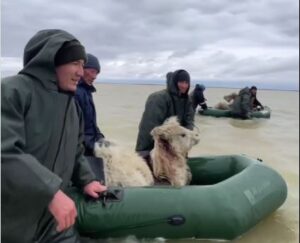
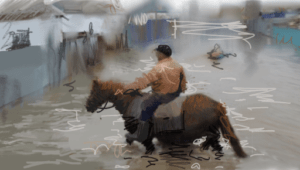
Currently, flood relief operations are in progress across eight regions of the country. To date, over 75,000 people, including 17,000 children, have been evacuated. Additionally, more than 60,000 livestock have been relocated for their safety.
Kazakhstan’s President, Kassym-Jomart Tokayev, central and local governments, as well as volunteers, are collaborating effectively. Around-the-clock efforts are being made by approximately 17,000 emergency service workers, National Guard personnel, police and the military to safeguard cities and villages, supported by more than 25,000 volunteers. The operations are utilizing over 80 boats, as well as 15 aircraft and helicopters.
The President is personally overseeing all operations, ensuring a coordinated and effective response to this challenging situation.
Has the government identified the peak of this crisis? If so, how is the situation being managed now?
Regions across half the country have already been impacted by the flood crisis, or are expected to be affected within the next two to three weeks. The situation is expected to remain serious in the western and northern parts of the country, as well as in the far east, where snow-melt has just begun.
We are not yet clear of the water – both metaphorically and literally. Fifteen percent of the country, and up to 40 percent in the northern regions, is still covered by snow. As a result, efforts to combat these natural challenges are ongoing.
The national headquarters, under the leadership of the Prime Minister, is actively coordinating flood control measures and managing the aftermath of the flooding. The Prime Minister and their deputies, instructed by the President, are working directly in the regions most affected by the floods, ensuring that all necessary steps are taken. Overall, the state is maintaining control over the situation.

Can you tell us more about the nature of the assistance being provided?
Support is being provided to everyone affected by the floods and adequate compensation will be provided to these people. The government is ensuring that those impacted have access to all necessary resources, including the operation of temporary accommodation centers.
Following the President’s instructions, the government has released state material reserve to aid residents. Additionally, significant assistance is coming from large businesses and citizens of Kazakhstan, exemplified by the collection of over 380 tons of humanitarian aid by volunteer headquarters, of which more than 280 tons have already been delivered to affected regions.
This humanitarian aid is being efficiently distributed via railways, aviation, and road transport.
To address property and personal losses, the government is developing an effective compensation mechanism, ensuring amounts are proportional to the damages incurred.
There is a strong sense of unity and cohesion within society, which is being diligently maintained. This crisis has highlighted remarkable examples of dedication, self-sacrifice, hard work, and humanity at its best. People are coming together, supporting each other through monetary donations, food, and clothing. Efforts are also being made to rescue and save domestic animals.
Overall, the response embodies a powerful collective effort, demonstrating the community’s resilience and compassion in times of adversity.
Is Kazakhstan seeking or receiving any international assistance to overcome this crisis?
Kazakhstan is effectively handling the crisis independently, and has not actively sought international assistance. The country’s emergency services, government bodies, and local communities are collaboratively addressing the challenges posed by the flooding.
We are grateful, however, for the support provided by our brotherly neighbor, the Kyrgyz Republic, as well as offers of assistance from countries like Türkiye. The 300 tons of humanitarian aid, organized and delivered on behalf of Kyrgyz President Sadyr Japarov, include sunflower oil, sugar, rice, pasta, mattresses, clothes, and tents.
During a phone call on April 6, President Tokayev expressed gratitude to President Japarov and the Kyrgyz citizens for their support. He emphasized this act is further proof of the genuine friendship, solidarity, and strong allied relations between the two countries.
Azerbaijan and the Netherlands have also expressed their solidarity and support to the people of Kazakhstan. While we are managing the situation on our own, the moral support we have received is both sufficient and deeply appreciated.
Considering the floods, are there concerns regarding waterborne diseases or other health issues? What measures are being taken to prevent a healthcare crisis in the aftermath?
The potential health risks associated with the floods, particularly concerning waterborne diseases, are being vigilantly monitored. In response to the flood situation, the Sanitary-Epidemiological Service has significantly intensified its efforts. Since the onset of the floods, more than 4,000 samples of drinking water have been collected and subjected to thorough testing, assessing both sanitary-chemical and microbiological parameters.
The results from the laboratory monitoring of the water quality and safety have so far indicated that there are no imminent risks of waterborne infectious disease outbreaks. Kazakhstan is maintaining a stable epidemiological situation, with no significant increases in infections typically associated with flood conditions.
What long-term strategies is the government considering to prevent similar disasters in the future?
To enhance the protection of settlements from waterlogging and flooding, the government is continuously implementing comprehensive measures to minimize flood threats. These efforts have successfully alleviated the threat for 228 settlements and reduced risks for 634 settlements, which include over 128,000 houses and more than half a million residents.
A thorough analysis is being conducted to develop and refine flood prevention strategies and community protection measures. This includes exploring new approaches to flood risk management. A key part of this initiative is the development of a flood prevention plan for the years 2025-2029. Additionally, there will be a revision of the provisions in the Concept for Developing a Water Resources Management System for the period 2024-2030.
The government is also working on creating an advanced information system. It is intended to model various emergency situations, including floods and fires, enabling accurate forecasting, and providing recommendations and actionable steps for response.
Furthermore, it is necessary to organize continuous training and equipping of our emergency services, ensuring they are ready to respond effectively to future flood events.
Infrastructure development is another critical aspect. We’re working to strengthen and expand our network of dams, levees, and waterways to control and manage floodwaters more effectively. This includes both new constructions and the upgrading of existing structures to withstand severe weather conditions.
In fact, as a part of long-term measures to ensure water quality and manage resources effectively, plans are underway to construct 20 new water reservoirs and repair 15 existing ones.
Lastly, we’re collaborating with international experts and organizations to learn from global best practices in flood management. This collaborative approach ensures we are implementing the most effective and innovative strategies to protect our citizens and their livelihoods from the impact of seasonal floods.
There is a strong emphasis on learning from this and previous experiences. This involves addressing shortcomings in planning for such disasters, bridging the gap in skilled water management personnel, and correcting any neglectful attitudes towards nature. These long-term strategies are integral to enhancing resilience and preparedness for similar disasters in the future.