• KGS/USD = 0.01144 0%
  • KZT/USD = 0.00211 0%
  • TJS/USD = 0.10460 0.19%
  • UZS/USD = 0.00008 0%
  • TMT/USD = 0.28490 0%
  • KGS/USD = 0.01144 0%
  • KZT/USD = 0.00211 0%
  • TJS/USD = 0.10460 0.19%
  • UZS/USD = 0.00008 0%
  • TMT/USD = 0.28490 0%
  • KGS/USD = 0.01144 0%
  • KZT/USD = 0.00211 0%
  • TJS/USD = 0.10460 0.19%
  • UZS/USD = 0.00008 0%
  • TMT/USD = 0.28490 0%
  • KGS/USD = 0.01144 0%
  • KZT/USD = 0.00211 0%
  • TJS/USD = 0.10460 0.19%
  • UZS/USD = 0.00008 0%
  • TMT/USD = 0.28490 0%
  • KGS/USD = 0.01144 0%
  • KZT/USD = 0.00211 0%
  • TJS/USD = 0.10460 0.19%
  • UZS/USD = 0.00008 0%
  • TMT/USD = 0.28490 0%
  • KGS/USD = 0.01144 0%
  • KZT/USD = 0.00211 0%
  • TJS/USD = 0.10460 0.19%
  • UZS/USD = 0.00008 0%
  • TMT/USD = 0.28490 0%
  • KGS/USD = 0.01144 0%
  • KZT/USD = 0.00211 0%
  • TJS/USD = 0.10460 0.19%
  • UZS/USD = 0.00008 0%
  • TMT/USD = 0.28490 0%
  • KGS/USD = 0.01144 0%
  • KZT/USD = 0.00211 0%
  • TJS/USD = 0.10460 0.19%
  • UZS/USD = 0.00008 0%
  • TMT/USD = 0.28490 0%

Kyrgyzstan’s Migrant Workers Remitted $2.7 Billion in 2023

Net remittances sent by migrants back to Kyrgyzstan reached record levels at the end of 2023, according to the National Bank of the Kyrgyz Republic (NBKR). The bank’s data shows that the record was achieved mostly due to a decrease in the outflow of money from the country.

Migrant workers transferred $2.7 billion to Kyrgyzstan in 2023. According to statistics maintained by the NBKR, this is 12%, or $380 million less than a year earlier. However, the outflow of money from Kyrgyzstan in 2023 amounted to only $561 million – half as much as in 2022. That put the net inflow of funds remitted back into the country at $2.145 billion — an all-time record.

At the beginning of 2024, the NBKR included in its statistics separate information on transfers made through bank cards and electronic wallets. According to the regulator, these methods of sending and receiving money to and from abroad are now actively used along with traditional money-transfer systems.

The NBKR report says that in 2023, the region from which Kyrgyz people transferred the most money was Russia, with $2.531 billion in remittances. The remaining $200 million came from a combination of the United States, Kazakhstan, Turkey, Germany, the United Kingdom and other countries. Russia accounts for more than 90% of all remittances to Kyrgyzstan. The lion’s share is comprised of migrant workers providing for their families at home.

In 2021, remittances accounted for over 30% of the GDP, making Kyrgyzstan one of most remittance-based economy in the world. Approximately one-fifth of the Kyrgyz labor force works abroad, almost exclusively in Russia.

It should be noted that remittances to Commonwealth of Independent States (CIS) countries from the Russian Federation increased after the so-called anti-war emigration. According to the Russian media, the volume of remittances by individuals from Russia to CIS countries after the Kremlin’s attack on Ukraine in 2022 increased 2.5 times to $24.5 billion. The money was mainly transferred to Kyrgyzstan, Kazakhstan, Armenia and Georgia. However, in 2023 the volume of remittances decreased by 1.4%.

Meanwhile, the leader among Central Asian countries in terms of remittances is Uzbekistan. Labor migrants working in different foreign countries (mainly Russia) transferred more than $16 billion to this country in 2023. In Tajikistan, according to statistics, $5.7 billion was transferred last year – which is almost half of the republic’s GDP. The volume of remittances to Kazakhstan for the 2023 reporting period amounted to $670 million dollars, declining by more than half on the previous year. At the same time, Kazakhs withdrew three times more money from the country than they received from abroad in 2023.
Germany Interested in Kazakh Lithium

The German companies Knauf Gruppe, GP Günter Papenburg AG, and Roxtec, as well as the German Institute of Lithium (ITEL) have formed a consortium aimed at developing and producing lithium from deposits in Kazakhstan, the Kazakh Ministry of Industry and Construction has announced, adding that the move opens up new prospects for the development of the lithium industry in the country. 

The initiative was discussed during a meeting in Germany between Kazakhstan’s minister of industry and construction, Kanat Sharlapaev, and Manfred Grundke, member of the supervisory board of GP Günter Papenburg AG. The parties have agreed to create a working group aimed at exploring the potential for cooperation in the field of lithium mining and use.

The Ministry of Industry and Construction earlier this month said that Kazakhstan produces 19 of the 34 critical raw materials listed by the European Union. Kazakhstan also has the potential to establish a cluster for the production of battery raw materials such as nickel, cobalt, manganese, and lithium, which are essential for the production of electric vehicles.

U.S. Embassy Creates English Textbooks for Schools in Tajikistan

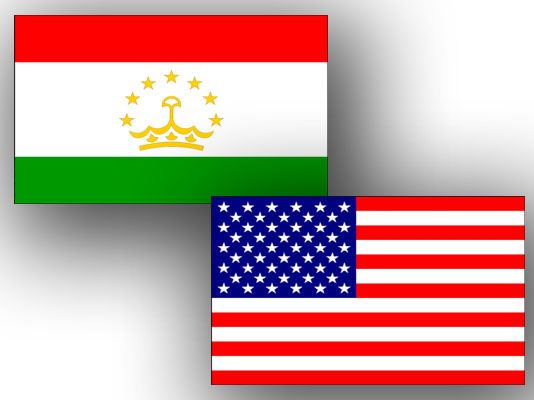
The US ambassador to Tajikistan, Manuel Micaller, and Tajikistan’s resident representative of the Aga Khan Development Network, Qozidavlat Qoimdodov, on February 15th joined the Tajik minister for science and education Saidzoda Rahim Hamro at a handover ceremony for 242,000 English language textbooks for secondary schools in Tajikistan. 

The three parties had together developed modern textbooks and curriculums for Tajik students in grades 10 and 11. The new English textbooks include 115,000 student books for each grade, 12,000 teacher’s books, and 12,000 CDs with instructional materials for teachers. 

These textbooks are all student-centered, communicative, and support task-based learning that promotes critical thinking. The textbooks use Tajik cultural contexts and history alongside cultures from around the world.

The full set of resources — the textbooks, teacher’s books, and audio CDs — will be accompanied by a digital teacher training program on how to effectively teach language skills.

The US embassy in Dushanbe is also working with partners to provide the Ministry of Education and Science with over 350,000 English language learning textbooks for grades 8 and 9, which would include 5,800 teacher’s books and 5,800 CDs with teaching materials.

Gold Kyrgyzstan’s Main Export Item in 2023

In 2023 Kyrgyzstan’s foreign trade turnover reached $15.6bn, an increase of 29.9% compared to 2022. The country’s imports grew by 26% to $12.3bn and exports increased by 46.8% to $3.3bn, the National Statistical Committee has reported.  

This means that in 2023 Kyrgyzstan imported $9bn worth of goods more than exported. 

Kyrgyzstan’s trade with fellow members of the Eurasian Economic Union, which also includes Armenia, Belarus, Kazakhstan, and Russia, amounted to $4.3bn.

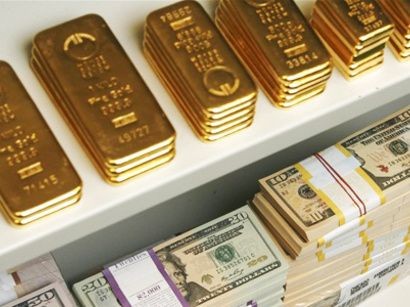
Gold accounted for the lion’s share of Kyrgyzstan’s exports — 38.8% of the total. In 2023 Kyrgyzstan sold more than 20 tons of gold.

Almost half of all goods imported to Kyrgyzstan last year came from China. Russia was in second place, followed by neighboring Central Asian countries, Turkey, the USA, and South Korea. 

Death of Navalny Met With Mixed Feelings in Central Asia

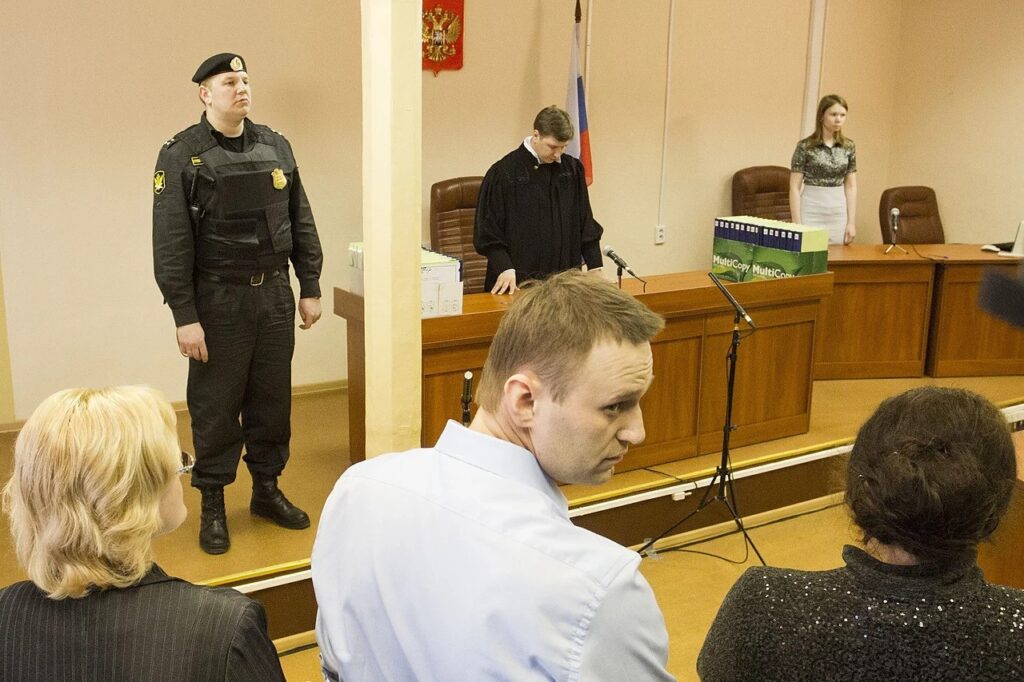
Alexei Navalny has died in the Russian “Polar Wolf” penal colony, the Federal Penitentiary Service of the Yamalo-Nenets Autonomous District in Siberia, Russia, has reported. An anti-corruption campaigner and anti-government figure in Russia, Navalny returned to his homeland from Germany in 2021, where laboratory tests confirmed he had been poisoned by a nerve agent. However, whilst Navalny’s opposition to Putin won him support in the West, he leaves a more complex legacy in Central Asia, having called migration from the region to Russia an “orgy of tolerance”.

On the streets of Kazakhstan, however, a mournful mood largely prevailed. “This situation shows the current Russian regime as it is, Polina, a photographer from Astana told TCA. “There are a lot of opinions about Navalny’s activities, but I think in any case his death shows how cruel the Russian Government is how much Navalny and his influence were feared.”

“Another voice of reason that has been silenced. It makes me feel hopeless for the current state of the world,” Isabella, a scientist from Astana told TCA. “I hoped he would be the next [Russian] president. May he rest in peace – he is a part of history,” Ilyas, a businessman from Taraz commented. “He made a sacrifice of himself. It’s a pity,” said Almas, cameraman from Astana. Others voiced indifference, however. “Navalny’s a minister, isn’t he? Oh no he’s in the opposition,” Nurbolat, a taxi driver from Temirtau told TCA. “It’s all so murky.”

A renowned nationalist, during Russia’s 2008 invasion of Georgia, Navalvy referred to Georgians as “rodents“. In 2011, Navalny co-organized the “Russian marches,” often labelled as a xenophobic event and tied to Neo-Nazi groups, a movement he never renounced. During the Moscow mayoral campaign two years later a key policy pledge was to fight against migrants, who he accused of crime, the threat of terrorism, and the alienation of culture. Speaking in November 2015, Navalny claimed that “90% of immigrants to Russia [from Central Asia] are young Muslim men from rural areas, that is, the very environment from which terrorists are recruited.”

Of the estimated eleven million migrants in Russia at the time, no terrorist attacks involved the participation of people from Central Asia, citizens of which accounted for less than 1% of all crimes committed by migrants. An easy target for the Russian police, migrants have been subjected to attacks by Neo-fascist groups. Living in dormitory blocks overseen by gang-masters on the plains of Siberia, some have died on the job.

“Navalny is a figure who evoked diametrically opposed emotions. Some admired him, others hated him,” said Alexandra Garmazhapova, President of Free Buryatia Foundation. “I won’t lie, I’ve never been a fan of his. A couple of times we even clashed with him precisely because of his participation in the “Russian March”. In the winter of 2021, when Navalny returned to Russia, I was in Moscow and participated in protests. I emphasized that I was against corruption, and not for Navalny, who was expelled from Yabloko in the 2000s for nationalism.”

Navalny’s politics may have evolved over time. The late Russian opposition leader became a prominent anti-corruption advocate, political reformist, and educated critic of the Russian political system. His efforts against the pro-Kremlin United Russia party and President Putin will undoubtedly inspire others in their fight for justice and transparency.

However, as recently as February 23rd 2021, Amnesty International withdrew Navalny from its list of “prisoners of conscience,” a designation reserved for people imprisoned for who they are or what they believe. As Le Monde noted in the same year, the “Western media treat Julian Assange and Alexei Navalny very differently: they prefer their heroes to take on authoritarians, not targets close to home.” In May of 2021, Amnesty restored Navalny’s status as a prisoner of conscience.

Given his racist background, describing Muslims as “flies and cockroaches” in a video where he pulled out a gun and shot an actor wearing a keffiyeh who tried to “attack” him, it is no wonder that Navalny’s name solicited a mixed reaction in the region, with some commenting that he was “not so popular,” and “no friend of Central Asia.”

Late at night on the day of his passing, a memorial to Navalny appeared in Tashkent, the capital of Uzbekistan.

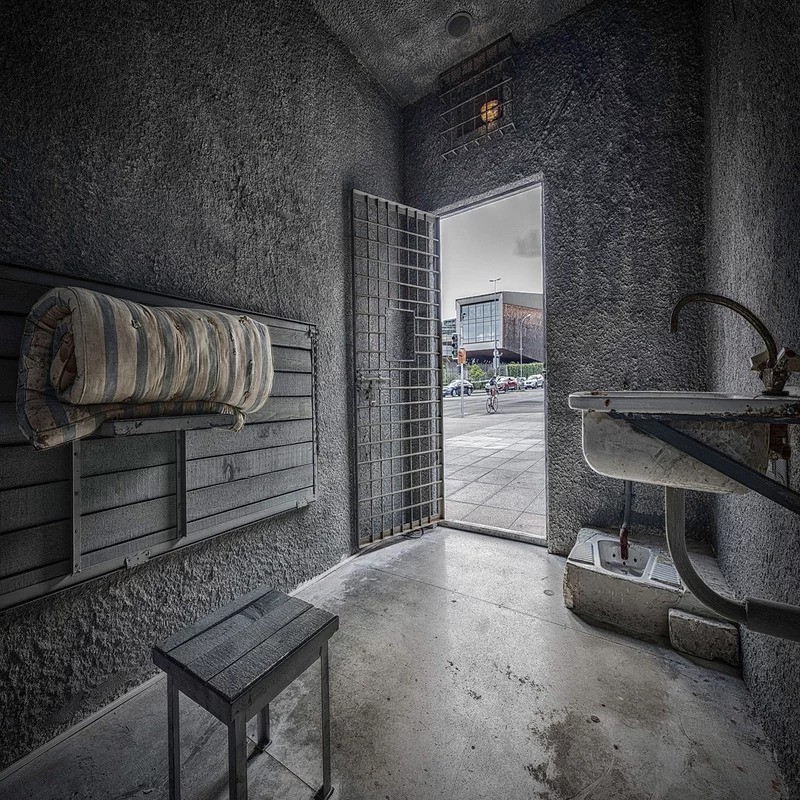
Replica of the Interior of Navalny’s Solitary Confinement Cell

Kyrgyzstan’s President Declares Own Multi-Million Dollar Property as Part of Asset Legalization

The President of the Kyrgyz Republic, Sadyr Japarov has said that he wants top business people and wealthy citizens to repatriate their assets to Kyrgyzstan instead of storing it abroad – which is why he has decided to start with himself. Last summer, Kyrgyzstan adopted a law on legalization – or declaring assets to the government – of property. According to official statements, its main goal is to transition the property and income of individuals from the shadow economy into legal economic activity through voluntary declaration of assets. The law stands until July 1st, 2024.

“Voluntary legalization of and amnesty [for] assets will allow [the nation] to bring some shadow assets into legal turnover, which, as a consequence, will contribute to an increase in legal economic activity. According to the National Statistical Committee of Kyrgyzstan, the shadow economy accounts for 21% of the republic’s GDP, and according to unofficial data, the shadow economy accounts for 40% of the republic’s GDP. In this regard, the voluntary legalization and amnesty of assets of individuals is part of the preparatory stage of the transition to universal declaration,” reads the law’s background note.

Image: Japarov Facebook post

The president noted that all large and medium-sized business people used to register their property in someone else’s name to avoid paying taxes to the state, and he was among them because he entered into politics from business. He lamented the fact that the richest citizens still keep their billions in foreign banks.

Under the law, authorities guarantee that of all tax declarations previously submitted to state agencies will not be subject to prosecution. This is to give assurance to anyone seeking amnesty that the state will honor current assessments of income and property that have been legalized. The document states that if the amount a person legalizes exceeds 100 million som ($1,100,000), the submitting citizen must pay a so-called declaration payment of one million som ($11,000) to the state.
“The value of my property is about 20 million dollars. I paid one million som to the state for the purpose of legalization. This is required by law. I have no savings abroad, and if I had, I would have invested them in our banks,” the president wrote.

Japarov said he constructed a building in the center of the capital back in 2010, but because of political persecution by the previous authorities, he had to hide the fact the multi-story building belonged to him. Now, he has registered the building under his own name. The head of state stressed that based on the law, the authorities guarantee all citizens the safety of legalized capital: “There is no other goal. There will be no questions [put] to you.”

The president noted that he’s the first to legalize his property, despite the fact that the law came into force more than six months ago. At the end of last year, Japarov also urged owners of markets and large retail outlets to transition their assets out of the shadow economy. According to the law, declarants and nominal owners of assets are exempted from criminal and disciplinary liability, as well as from tax and customs payments.

With Japarov’s declaration, this is the first known case in which the leader of a post-Soviet state admittedly and officially became a millionaire in dollar terms. On paper, Russian President Vladimir Putin earns a salary of $140,000 per annum, and has savings of $606,000, owns an 77-square meter apartment, a garage, a camping trailer, and three cars, including a 1999 Lada Niva. Unofficially, he is often cited as being among the ten richest people in the world.