• KGS/USD = 0.01144 0%
  • KZT/USD = 0.00208 0%
  • TJS/USD = 0.10465 -0.29%
  • UZS/USD = 0.00008 0%
  • TMT/USD = 0.28571 0%
  • KGS/USD = 0.01144 0%
  • KZT/USD = 0.00208 0%
  • TJS/USD = 0.10465 -0.29%
  • UZS/USD = 0.00008 0%
  • TMT/USD = 0.28571 0%
  • KGS/USD = 0.01144 0%
  • KZT/USD = 0.00208 0%
  • TJS/USD = 0.10465 -0.29%
  • UZS/USD = 0.00008 0%
  • TMT/USD = 0.28571 0%
  • KGS/USD = 0.01144 0%
  • KZT/USD = 0.00208 0%
  • TJS/USD = 0.10465 -0.29%
  • UZS/USD = 0.00008 0%
  • TMT/USD = 0.28571 0%
  • KGS/USD = 0.01144 0%
  • KZT/USD = 0.00208 0%
  • TJS/USD = 0.10465 -0.29%
  • UZS/USD = 0.00008 0%
  • TMT/USD = 0.28571 0%
  • KGS/USD = 0.01144 0%
  • KZT/USD = 0.00208 0%
  • TJS/USD = 0.10465 -0.29%
  • UZS/USD = 0.00008 0%
  • TMT/USD = 0.28571 0%
  • KGS/USD = 0.01144 0%
  • KZT/USD = 0.00208 0%
  • TJS/USD = 0.10465 -0.29%
  • UZS/USD = 0.00008 0%
  • TMT/USD = 0.28571 0%
  • KGS/USD = 0.01144 0%
  • KZT/USD = 0.00208 0%
  • TJS/USD = 0.10465 -0.29%
  • UZS/USD = 0.00008 0%
  • TMT/USD = 0.28571 0%

Viewing results 1 - 6 of 93

China and India planning joint development projects in Afghanistan

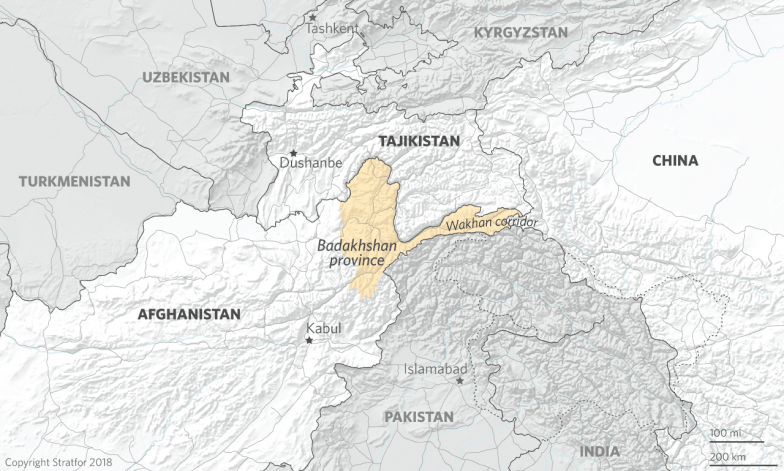
KABUL (TCA) — Afghanistan’s Ministry of Economy on April 29 said that China and India have agreed to implement joint development projects in Afghanistan and that a railway line between Afghanistan, Tajikistan, Kyrgyzstan, Iran and China is one of these projects, TOLOnews reported. Continue reading

A Chinese base in Central Asia

BISHKEK (TCA) — China seeks to increase its military influence in Central Asia and Afghanistan, primarily to ensure security in its Xinjiang region and secure its investments as part of the Belt and Road Initiative in the wider Central and South Asian region. We are republishing this article on the issue by Stephen Blank, originally published by the CACI Analyst: Continue reading

Central Asia’s economic evolution from Russia to China

BISHKEK (TCA) — Although Russia has traditionally been the main political and economic partner of Central Asian countries, in recent years China has outpaced Russia in the Central Asia region on trade, investment and infrastructure development. We are republishing this article on the issue, originally published by Stratfor: Continue reading

China–EEU–EU rail container transit to grow explosively by 2020 — report

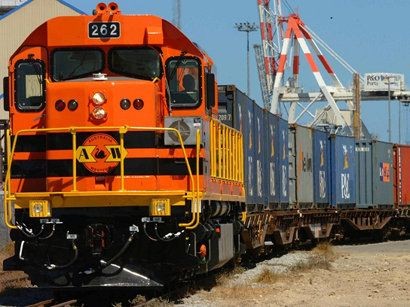
BISHKEK (TCA) — The evolvement of China’s Silk Road Economic Belt initiative has boosted shipments from China to Europe and vice versa using the railway network of the Eurasian Economic Union (EEU) member countries, primarily Kazakhstan and Russia, according to the report titled Silk Road Transport Corridors: An Estimate of Potential Increases in Freight Traffic through the EEU, prepared by the Centre for Integration Studies of the Eurasian Development Bank (EDB). Continue reading

Situation around two projects will not affect Kyrgyzstan-China relations

BISHKEK (TCA) — Kyrgyzstan has no choice but to pay off its debts to China. According to the Kyrgyz Ministry of Finance, the country owes $1.7 billion to the Export-Import Bank of China, which is 41.3% of Kyrgyzstan’s foreign debt. China provides preferential loans to Kyrgyzstan, which brought much benefit to the country’s socio-economic development, Chinese Ambassador to Kyrgyzstan Xiao Qinghua said recently at a roundtable in Bishkek. There is a scheme for repaying the debt, and everything should be done according to agreements. “This is an international standard practice," the Ambassador added. Situation around TBEA and Huawei Commissions to investigate the accident at the Bishkek thermal power plant (TPP) continue to work in Kyrgyzstan. Despite an expensive modernization, as the result of the accident occurred at the TPP on January 26, most of the capital city residents remained without heating when the air temperature outside was minus 20 degrees Celsius and below, including hospitals and schools. Local media and experts attacked the Chinese company TBEA (Tebian Electric Apparatus), which modernized the TPP. On July 16, 2013, a contract to implement the Modernization of the Bishkek TPP project worth $386 million was signed between Kyrgyzstan’s Electric Stations JSC and TBEA. The modernization began in 2015 and was completed in August 2017. Under the loan agreement between the Kyrgyz Government and the Export-Import Bank of China, the Kyrgyz Finance Ministry was granted a $386 million soft loan at a 2% interest rate per annum and a maturity of 20 years. The loan was issued without collateral, under the guarantee of the Kyrgyz Government. TBEA is a well-known energy company and has a good reputation all over the world, the Chinese Ambassador said. The company is implementing projects in many countries, and its work has always been highly appreciated in Western countries, he added. In Bishkek, the company has done a good job, and the current investigation is an internal affair of Kyrgyzstan. “We do not interfere in the internal affairs of any state,” the Ambassador said. Another topic to discuss was the news that the Kyrgyz government has withdrawn from the Smart City project agreement to be implemented by the Chinese company Huawei. Commenting on the situation, the Ambassador stressed that Huawei is a very strong company with even a higher reputation than that of TBEA. Smart City is a commercial project, and if one of the parties does not like something, then it has the right to withdraw from it. In international practice, this often happens, he explained. Smart City is a good idea, and it is of great importance for the sustainable development of Kyrgyzstan. This know-how project will be successfully implemented regardless of who becomes its investor, Ambassador Xiao Qinghua believes. This situation will not affect the relations between China and Kyrgyzstan. Xiao said China highly values good-neighborly relations with Kyrgyzstan and is committed to strengthening relations in all areas of cooperation. “We are ready to develop bilateral cooperation in all areas of the economy, particularly in the...

For Russia and China, cooperation is the name of the game in Central Asia

BISHKEK (TCA) — Central Asia is an area of increased geo-political interest of both Russia and China — with Russia being the main security guarantor in the region and China taking the lead in the economic sphere and regional infrastructure projects. We are republishing this article on the issue, originally published by Stratfor: Continue reading