• KZT/USD = 0.00220
  • TJS/USD = 0.10830
  • UZS/USD = 0.00008
  • TMT/USD = 0.29760
  • KZT/USD = 0.00220
  • TJS/USD = 0.10830
  • UZS/USD = 0.00008
  • TMT/USD = 0.29760
  • KZT/USD = 0.00220
  • TJS/USD = 0.10830
  • UZS/USD = 0.00008
  • TMT/USD = 0.29760
  • KZT/USD = 0.00220
  • TJS/USD = 0.10830
  • UZS/USD = 0.00008
  • TMT/USD = 0.29760
  • KZT/USD = 0.00220
  • TJS/USD = 0.10830
  • UZS/USD = 0.00008
  • TMT/USD = 0.29760
  • KZT/USD = 0.00220
  • TJS/USD = 0.10830
  • UZS/USD = 0.00008
  • TMT/USD = 0.29760
  • KZT/USD = 0.00220
  • TJS/USD = 0.10830
  • UZS/USD = 0.00008
  • TMT/USD = 0.29760
  • KZT/USD = 0.00220
  • TJS/USD = 0.10830
  • UZS/USD = 0.00008
  • TMT/USD = 0.29760
16 October 2026

Viewing results 1 - 6 of 58

New Measures to Boost Agriculture in Uzbekistan

On May 10, Uzbekistan President Shavkat Mirziyoyev was presented with proposed adaptations in agricultural practice and the more efficient use of land in the light of climate change. In Uzbekistan, 3 million hectares of pastural and agricultural land have been now degraded, and approximately 2 million hectares, salinized. According to experts, by 2030, water resources in the region are at risk of diminishing by almost 6 percent as a direct result of climate change. In response, Uzbekistan has developed a national program, for which over $294 million is anticipated in grant funding, to adapt agriculture to climate change and mitigate its impact. The initiative aims to improve the condition of 1 million hectares of agro-ecological landscape and degraded pastures in the Aral Sea region. Protective forest belts will be created in Karakalpakstan, as well as in Khorezm, Bukhara, and Kashkadarya regions and drought-resistant plants such as licorice, rose hips, and sesame, cultivated in areas where water is scarce. A center will be established to analyze and forecast climate change, and agrometeorological stations installed in five regions of the country. In cooperation with Italy, a further center with a nursery will be built for intensive seed cultivation alongside a farm for plants resistant to drought and salinity. Since the need to preserve water is particularly acute in areas surrounding the lower reaches of the river Amu Darya, subsidies are to be allocated for laser-leveling land in Karakalpakstan. Grain and rice producers will be reimbursed up to 100 percent of the fuel costs required to level land using a laser level, in a move to increase yields and reduce water consumption by 15-20 percent. The program also encourages farmers to build more greenhouses. In recent years, the spread of greenhouses has increased 2.6-fold, and the volume of produce grown in such, has more than tripled. The greenhouse sector currently provides 80,000 thousand permanent jobs and a further 70,000 seasonal posts. To increase the efficiency of greenhouse farms, the program proposes to reimburse greenhouse owners 50 percent of the costs of hiring qualified foreign agronomists, as well as up to 20 percent of the costs of coal heaters.
South Korean Сompanies to Modernize Kazakhstan’s Power Plants

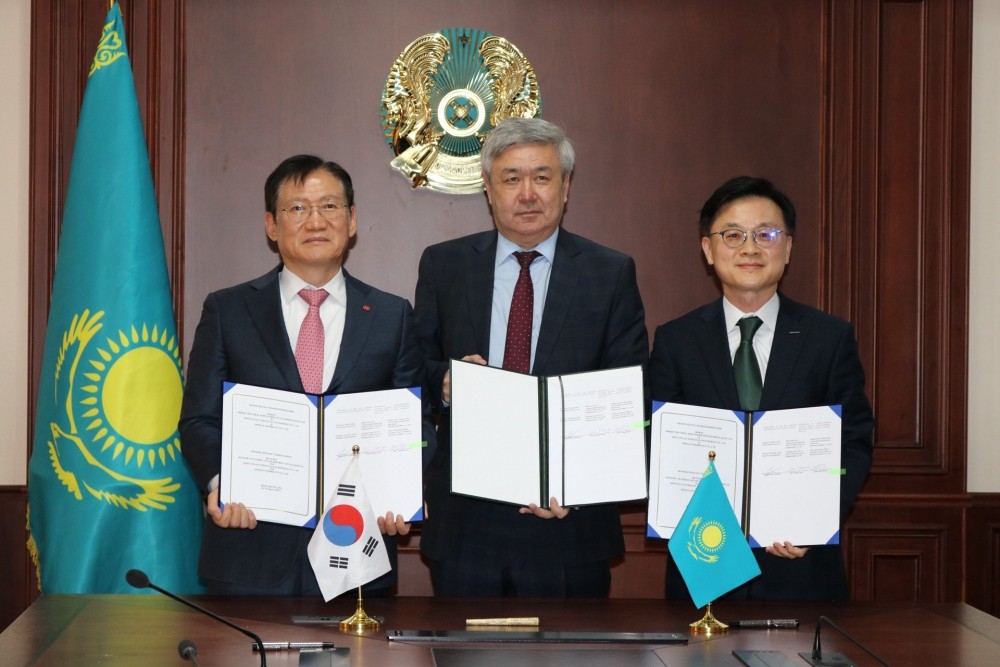
At the end of April, a Memorandum of Understanding was signed by the Ministry of Energy of Kazakhstan, KEPCO and Doosan Enerbility regarding the South Korean companies’ investment in modernizing Kazakhstan’s GRES Topar power plant and power plants in Astana, Almaty, and Pavlodar. Kazakh Invest welcomed the Korean partners’ pledge to provide innovative environmental solutions to increase the plants’ productivity. In support of the initiative, Kim Jung-Kwan, Senior Vice President of Doosan Enerbility, commented, "The environmental solutions of KEPCO and Doosan Enerbility are optimal for the government of Kazakhstan, which seeks to reduce the level of air pollution in the country. After signing this memorandum, we will work together to contribute to the development of environmentally friendly energy projects in Kazakhstan.”    

EU and FAO Aid Uzbekistan’s Management of Hazardous Chemicals

On 1 May, the Food and Agriculture Organization of the United Nations (FAO) and the Ministry of Ecology, Environmental Protection and Climate Change of Uzbekistan held an inception workshop in Tashkent on technical assistance for the sound management of hazardous chemicals. The joint venture, implemented with financial support from the European Union, is designed to enhance the effectiveness of mechanisms and tools for the management of hazardous chemicals and related waste. A key goal cited by the EU Delegation to Uzbekistan, is to reduce the use of dangerous pesticides in agriculture, through the introduction and promotion of alternative methodologies amongst farmers. Aziz Abdukhakimov, Minister of Ecology, Environmental Protection and Climate Change, stressed that by actively striving to reduce the use of highly hazardous pesticides, Uzbekistan aims to lower their adverse impact on the nation’s health and environment, in addition to making a significant contribution to  UN Sustainable Development Goals. Regarding plans to address the issue, he  announced, “We need to revise our inventory of contaminated areas of former agricultural airfields and other sites, the last of which, was carried out in the ‘90s when more than 450 former agricultural airfields were identified.” Praising the move, Wim Riepma, Head of Cooperation Section, EU Delegation to Uzbekistan, stated: "Our partnership with the Government of Uzbekistan and FAO exemplifies a collective commitment to protecting the environment and public health, by cleaning up legacy waste, by improving waste management, and by reducing pesticide waste production. Integrated pest management and awareness of health and environmental risks are key to a healthier, environment- friendly and economically viable agriculture sector.” Sherzod Umarov, Assistant FAO Representative in Uzbekistan, likewise emphasized, "The project implementation will enable an improved institutional capacity for sound pesticide management and better data on hazardous wastes in agriculture allowing development of a national waste management strategy. The project also aims to scale up green practices in the agricultural sector leading to reduced risks to farmers and consumers from the use of pesticides and to food production relying on less toxic pesticides and biological protection tools.”  

Chinese Entrepreneurs to Help Address Environmental Issues in Uzbekistan

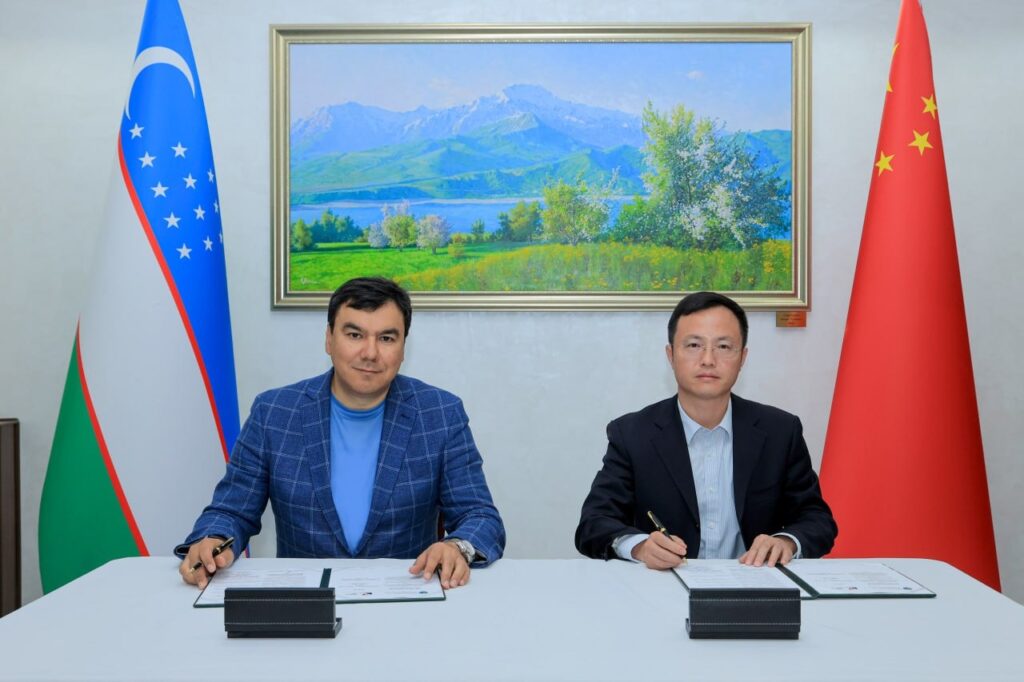
An Action Plan has been signed to develop cooperation between the Ministry of Ecology, Environmental Protection and Climate Change of Uzbekistan and the Association of Chinese Entrepreneurs in Uzbekistan. According to the ministry, the Plan covers a wide range of activities, including the construction of a waste incineration plant and the establishment of a high-tech industrial park (eco-industrial park). It also includes the introduction of an online environmental monitoring system for key polluting enterprises and the introduction of wastewater treatment technology. Alongside the Action Plan, ongoing cooperation between the parties will further the exchange of knowledge and best practices in combating desertification and creating green belts. In addition, the Ministry and the Association of Chinese Entrepreneurs reviewed proposals for the development of green technology projects, the recycling of household and solid waste, prevention of air pollution, and eco-tourism. The application of Chinese experience in landscaping desert areas and creating seedling farms was also discussed.

“Eco-Enthusiasts” – Tashkent Hosts Environmental Competition for Students

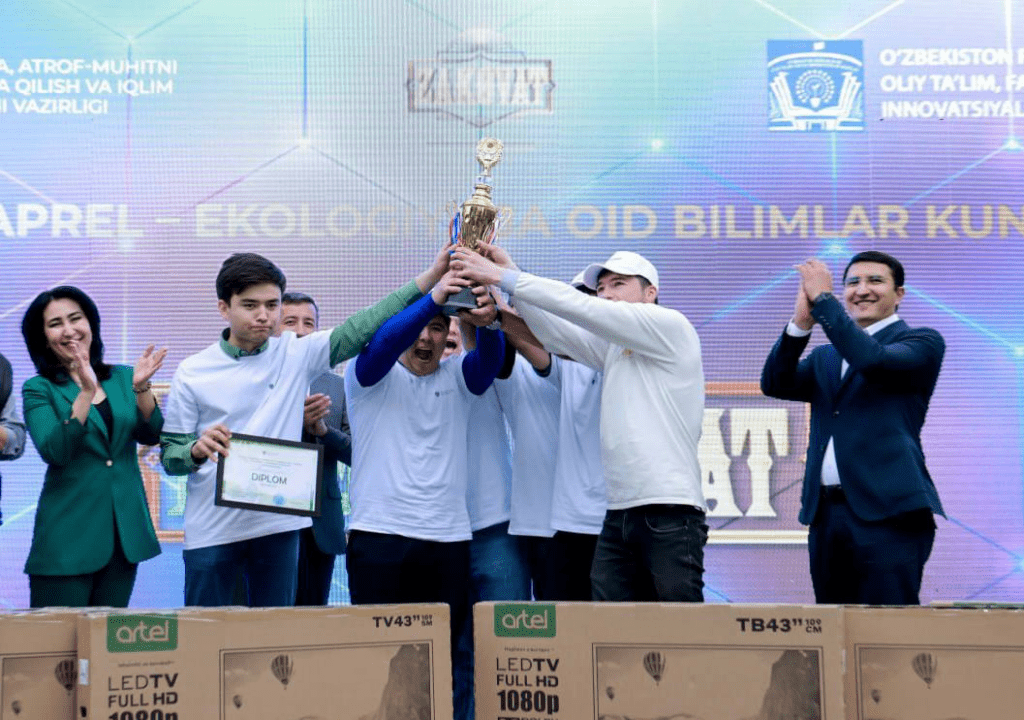
On April 13, an environmental awareness competition, "Eco-Enthusiasts" was held in Tashkent's Zahiriddin Muhammad Babur Central Ecopark. The event was organized in accordance with the decree of the President, "On measures for effective work of the Ministry of Ecology, Environmental Protection and Climate Change," and was timed to coincide with the Day of Ecological Knowledge, which is celebrated on April 15. Students from twelve higher educational institutions participated in the competition, demonstrating their knowledge and ability in answering a series of questions about the environment. The aim of the competition was to raise awareness of environmental issues, develop environmental culture, and disseminate information about contemporary environmental problems and the state of the environment. According to the results, first place went to the team, "Kimyogarlar," second place went to "Staticfacion," and third place went to the team, "Ecofaollar,” who all received prizes.

Tashkent Announces First Car-free Day

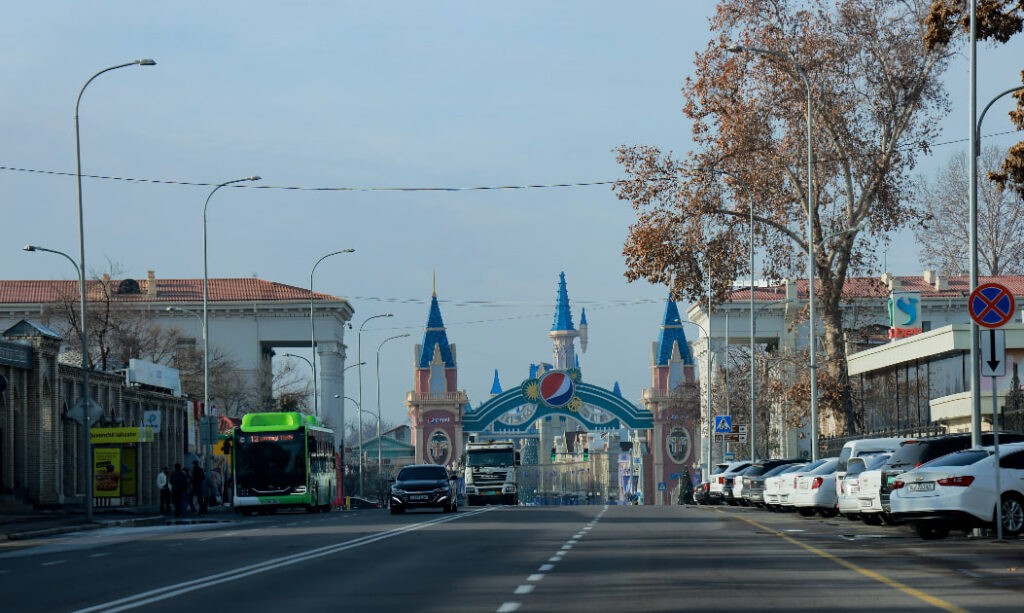
Uzbekistan’s Ministry of Ecology, Environmental Protection and Climate Change has announced that from 24 April, Tashkent will be car-free on the fourth Wednesday of every month. The main goals of the campaign are to promote a healthy lifestyle, protect the environment from harmful gases emitted by cars, reduce the volume of traffic, and attract attention to developments in public transport. On the first car-free day, heads and employees of government agencies will travel to work by public transport; a move that will reduce the number of cars passing through Tashkent by 200 thousand (22-25%), and harmful emissions by an average of 580 tons. By publicizing the example to be set by its own employees, the government aims to encourage other workers and residents to refrain from driving in the city on designated car-free days. Authorities in Tashkent are currently working on the introduction of environmentally-friendly public transport including electric buses and the launch of new metro lines, as well as the creation of bicycle paths.