Viewing results 1 - 6 of 212
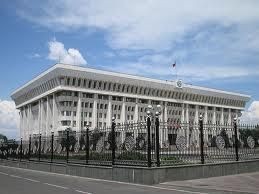
BISHKEK (TCA) — On October 26, President of Kyrgyzstan Almazbek Atambayev signed a decree on the resignation of the Government after the parliamentary majority coalition had officially announced its collapse earlier that day. The ruling coalition of four parliamentary factions — pro-presidential Social Democratic Party of Kyrgyzstan (SDPK), Kyrgyzstan, Onuguu-Progress, and Ata Meken, was formed on November 2, 2015. Continue reading
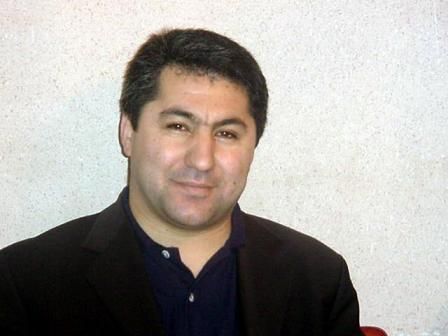
DUSHANBE (TCA) — Muhiddin Kabiri, the leader of Tajikistan's banned Islamic Renaissance Party (IRPT), has been added to Interpol’s wanted list on the request from Tajikistan’s authorities. Continue reading
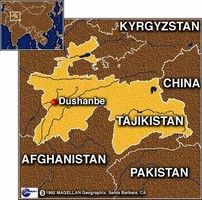
OSH, Kyrgyzstan (TCA) — Early in September, Tajikistan will mark a quarter-century of independence that followed the implosion of the USSR in 1991. Regretfully, Tajikistan represents the most dramatic case, having suffered from an all-out civil war following independence that lasted for most of the decade, and wounds from it still unhealed. The country’s economy is picking up between security problems and internal opposition. Continue reading
LONDON (TCA) — Has the failed coup attempt in Turkey been a warning sign that its controversial head of state should behave? Or has it been an attempt by hardliners dissatisfied that he was starting to show signs of behaviour? What it has demonstrated is that a nation suffering from severe personality splits remains unpredictable and its future course, either with or without Erdoğan, unclear. For Central Asia’s regimes, it means that they have to remain on the alert on all levels while keeping their heads cool. Continue reading
DUSHANBE (TCA) — The U.S. Embassy in Tajikistan said on June 9 that the trial and harsh sentencing of Islamic Renaissance Party of Tajikistan (IRPT) leaders “silence opposition voices and discourage free and open participation in Tajikistan’s democratic development.” Continue reading
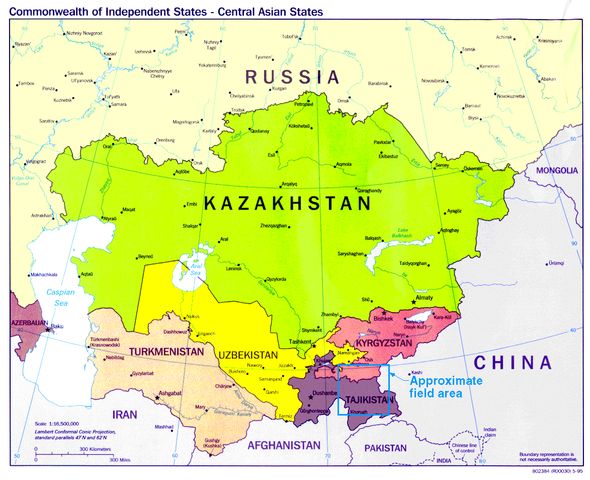
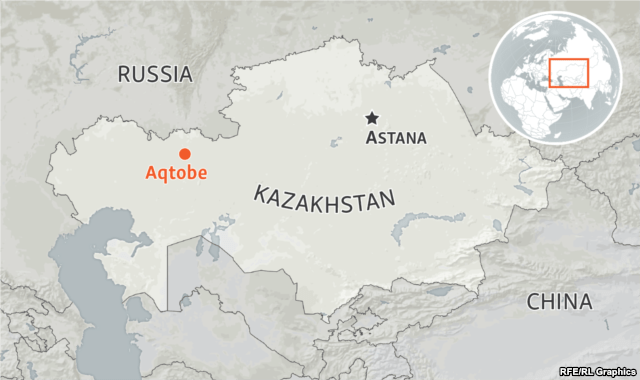
ALMATY (TCA) — The latest violence in Aktobe, here in Kazakhstan, is leaving the authorities and sideliners in the dark. If it was the work of a gang or terrorist group acting on the orders of either Daesh or Al-Qaeda from their remote strongholds in Afghanistan and northern Pakistan or part of a more secular conspiracy against the Kazakh state, no one seems to be able to explain. Continue reading