• KGS/USD = 0.01143 0%
  • KZT/USD = 0.00213 0%
  • TJS/USD = 0.10593 0.47%
  • UZS/USD = 0.00008 0%
  • TMT/USD = 0.28571 0%
  • KGS/USD = 0.01143 0%
  • KZT/USD = 0.00213 0%
  • TJS/USD = 0.10593 0.47%
  • UZS/USD = 0.00008 0%
  • TMT/USD = 0.28571 0%
  • KGS/USD = 0.01143 0%
  • KZT/USD = 0.00213 0%
  • TJS/USD = 0.10593 0.47%
  • UZS/USD = 0.00008 0%
  • TMT/USD = 0.28571 0%
  • KGS/USD = 0.01143 0%
  • KZT/USD = 0.00213 0%
  • TJS/USD = 0.10593 0.47%
  • UZS/USD = 0.00008 0%
  • TMT/USD = 0.28571 0%
  • KGS/USD = 0.01143 0%
  • KZT/USD = 0.00213 0%
  • TJS/USD = 0.10593 0.47%
  • UZS/USD = 0.00008 0%
  • TMT/USD = 0.28571 0%
  • KGS/USD = 0.01143 0%
  • KZT/USD = 0.00213 0%
  • TJS/USD = 0.10593 0.47%
  • UZS/USD = 0.00008 0%
  • TMT/USD = 0.28571 0%
  • KGS/USD = 0.01143 0%
  • KZT/USD = 0.00213 0%
  • TJS/USD = 0.10593 0.47%
  • UZS/USD = 0.00008 0%
  • TMT/USD = 0.28571 0%
  • KGS/USD = 0.01143 0%
  • KZT/USD = 0.00213 0%
  • TJS/USD = 0.10593 0.47%
  • UZS/USD = 0.00008 0%
  • TMT/USD = 0.28571 0%

Viewing results 1 - 6 of 106

Uzbekistan and EU to Increase Extraction of Rare Earths, Critical Metals

Uzbekistan is launching a slate of promising projects focused on mining rare earth elements (REEs) worth $500 million. The country has a large stock of REEs that are needed for industrial uses, and with the involvement of foreign partners, it plans to ramp up production. Among the critical raw materials (CRMs) targeted for production are molybdenum, tellurium, selenium and graphite. Uzbekistan recently signed a memorandum of understanding with the European Union in the field of CRM development. The memorandum seeks to ensure a diversified and sustainable supply of CRMs for the world's economic transition to green energy and a more heavily digitalized existence for humankind, including 5G connectivity, the Internet of Things (IoT) and artificial intelligence (AI). "This agreement with resource-rich Uzbekistan will help the EU secure much-needed access to critical raw materials. It is part of our wider global work with partners to secure the supply of materials for the future. It will be a major boost for Uzbekistan to realize its ambitions to diversify its economy and sustainably develop its extractive industry," said European Commission Executive Vice-President Valdis Dombrovskis. Experts note that Uzbekistan has the second largest reserves of critical raw materials in the region, including deposits of various minerals such as copper, molybdenum and gold. Investing in CRM development will help spur economic growth in Central Asia and increase competition with China. "China is creating very closed mining and supply chains for rare earth elements. Today, rare earth metals and their production are almost completely monopolized by the People's Republic of China (PRC). 80-90 percent of rare earth element processing is controlled and carried out directly inside the Middle Kingdom. Beijing hopes that it will be able to use this advantage in international relations, that it will be able to play a dominant role in the emerging new energy and economic architecture of the world economy, which will determine in the future everything from energy to geopolitics," said Wesley Hill, manager of the international program  called "Energy, Growth and Security" at the International Tax and Investment Center.
Wages in Uzbekistan Continue to Rise in Early 2024

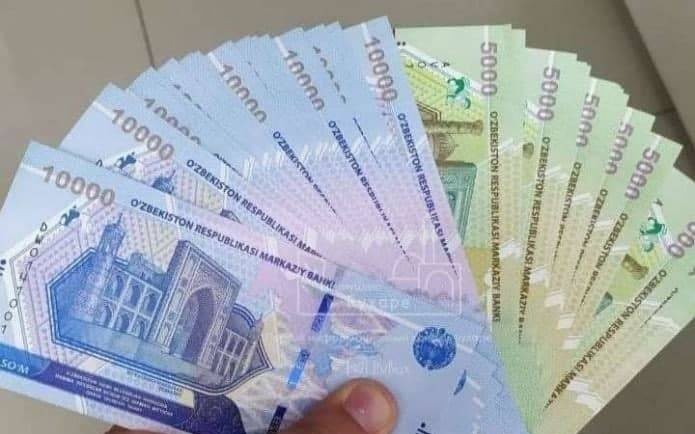
According to the Uzbek Statistics Agency, as of the end of the first quarter of 2024, the average monthly nominal salary in Uzbekistan reached $389. This translates to an increase of almost 20% compared to the same period last year. Average wages are among the highest in the capital of Tashkent ($640) and the Navoi region ($514). Workers in the banking, insurance, credit and professional services spheres earn the most, at $1,043 per month. In the IT sector, Uzbeks earn $925 on average. The lowest wages are traditionally paid to workers in education and healthcare; in the first quarter of 2024, their salaries averaged $269 and $253, respectively. Since 2019, average salaries in Uzbekistan have increased from $183 to $389. For 2023, all Commonwealth of Independent States (CIS) countries saw an increase in average monthly wages. The highest rates of growth were recorded in Armenia and Belarus. Average wages in the CIS countries in 2023 were as follows (based on state statistics): 1. Tajikistan - 2,013.11 somoni ($183) 2. Uzbekistan - 4.5 million som ($360) 3. Turkmenistan - 1,200 manat ($360) 4. Kyrgyzstan - 33,664 som ($376) 5. Azerbaijan - 942 manat ($550) 6. Belarus - 1,991.2 rubles ($616.50) 7. Armenia - 266,990 dram ($660) 8. Russia - 73,709 rubles ($805) 9. Kazakhstan - 393,605 tenge ($874)

Kyrgyz Authorities Promise Not to Persecute Human Rights Advocates Using Foreign Agent Law

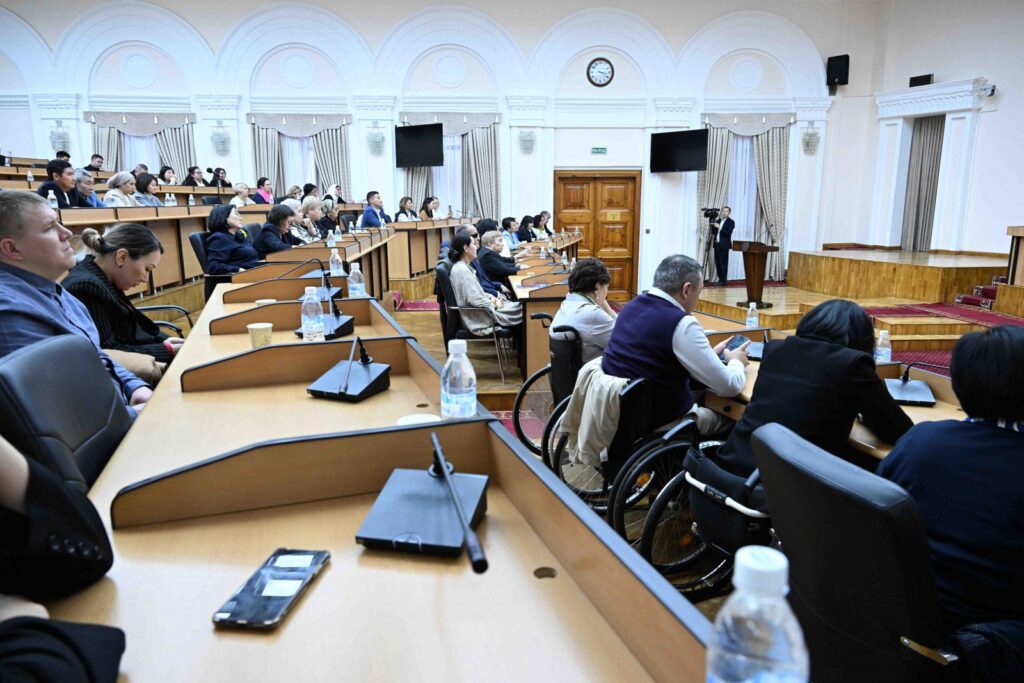
Deputy Chairman of the Cabinet of Ministers of the Kyrgyz Republic, Edil Baisalov met with representatives of domestic non-governmental organizations (NGOs), where he assured participants that the new Foreign Agent's Law is not aimed at restricting the work of NGOs. All rights and freedoms have been preserved, and human rights defenders can participate in the political life of the country, Baisalov stated. "The only thing required is to be on the register. This requirement is common around the world. There will be no persecution; no restrictions on activities. We are interested in the activities of [NGOs] for the benefit of our country," Baisalov said. Earlier, the Times of Central Asia reported on human rights activists concerns regarding reputational risks, possible interference by government agencies in the work of NGOs, and the risk of mandatory financial audits. There were also questions about the implementation of new legislative guidelines, most of which, according to opponents of the law, are not viable. The Kyrgyz Ministry of Justice responded to an inquiry from the Times of Central Asia, with officials saying that bylaws and rule-making for the new law are in the works. However, more detailed information will be provided later, when the updates and amendments are submitted for public discussion. In early April, Kyrgyz President Sadyr Japarov signed the law "On Foreign Representatives," which sparked a wave of criticism from foreign organizations, foreign governments, and NGOs working in Kyrgyzstan.

Uzbekistan Moves to Speed Up Privatization of State Property

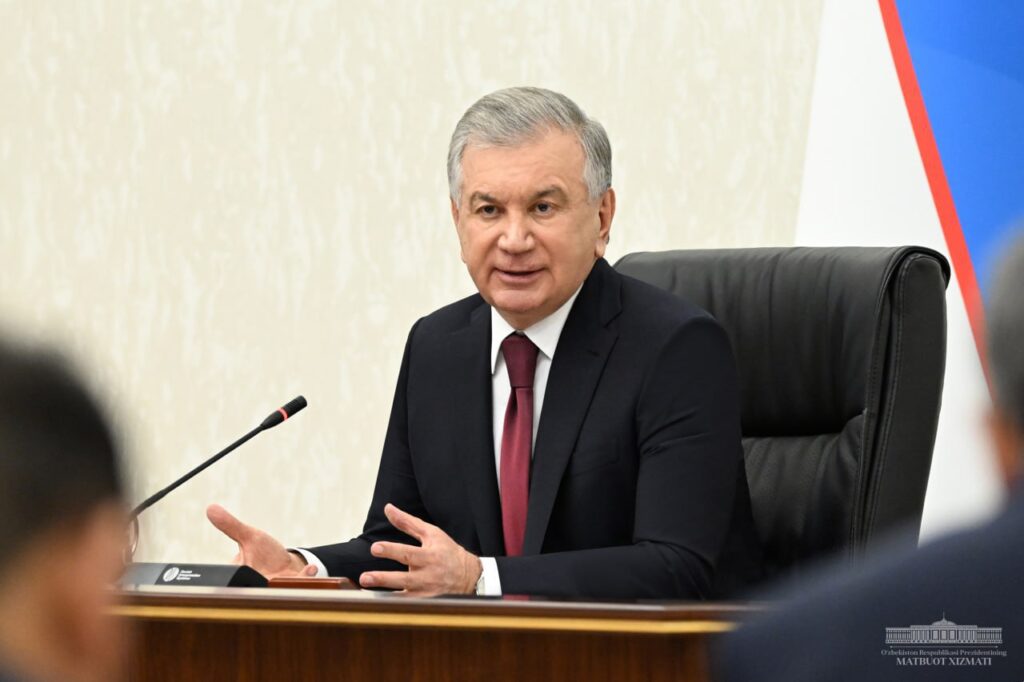
Uzbekistan's president Shavkat Mirziyoyev has signed a decree that will put up for auction shares in 247 state enterprises and 1,028 units of real estate. Initial public offerings (IPOs) and secondary public offering (SPOs) of 12 large enterprises are also to be held on the domestic stock market. The Uzbek government is planning various incentives to speed up the sales. For example, if an asset is not sold within three months of the auction opening, its value will be phased down to 10% of the starting bid price. Lessees of state property will be able to buy the assets under contract directly at the appraised value, and those who purchase privatized state assets in installments will be able to pay just 15% of the purchase price in the first three months, and the rest only within the next 10 years. Additionally, the privatization program provides for simplified sale of land plots located along international highways, as well as the sale and registration of land assets for the construction of commercial and service facilities along those roads. Earlier this year Mirziyoyev criticized the slow pace of property privatization in the country and noted that it could bring 20 trillion sum ($1.5 billion) to the national budget. According to Mirziyoyev, many enterprises have artificially inflated their valuations to avoid transferring state assets to private ownership. The Ministry of Health (39), Uzpromstroybank (27), the Ministry of Preschool and School Education (21), the Committee on Roads (17), the Ministry of Higher Education, Science and Innovation (14), Uzbek Postal Service [Pochtasi] (14), and the Ministries of Culture and Water Management (13 each) have the most unrealized assets that should be transferred to the docket for privatization. Thanks to the incentives, significant revenues are expected from the sale of land to entrepreneurs through the auctions, which last year generated 1 trillion sum ($78 million) in windfall for the state budget. Among the most significant objects privatized in recent years were the Kokand Superphosphate Plant, in which a foreign investor invested $40 million and increased production fourfold. Furthermore, the sale of state stakes in Ipoteka Bank ($324 million) and in Coca-Cola Uzbekistan ($252 million) netted significant cash injections for the government.

The Taliban and its Neighbors: An Outsider’s Perspective

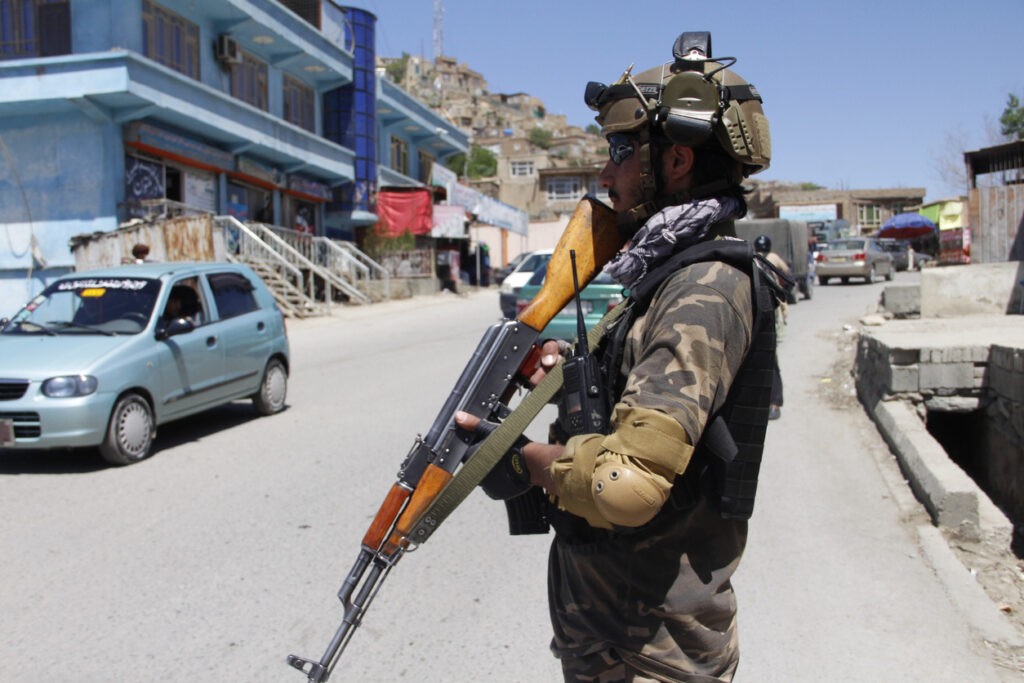
This is part two of a piece of which part one was published here. The topic of a regional approach to solving Afghanistan's problems is increasingly being discussed in various expert and diplomatic circles. The International Crisis Group (ICG), a reputable think tank whose opinion is extremely interesting as part of an "insider vs outsider" set of viewpoints, writes about this in particular. A report from ICG entitled "Taliban's Neighbors: Regional Diplomacy with Afghanistan" is one of the first works to summarize the role and place of the region as regards the situation around Afghanistan. In the voluminous work, the authors touch upon almost all aspects - issues of diplomatic recognition, security, terrorist activity, trade and economic relations within the region, water issues and others. In their conclusions, ICG analysts point out that many steps towards regional cooperation aren't related to Western donors, but European countries should nevertheless be interested. Europeans in particular would benefit from a stable, self-sufficient region that isn't a major source of illegal drugs, migrants or terrorism. But sanctions and other Western measures designed to show disapproval of the Taliban are obstacles to a more functional relationship between Kabul and the countries of the region. Significant progress depends on Western support - or at least tacit acquiescence. While such practical steps need not lead to  recognition of the Taliban regime, they will contribute to regional peace and security. However, experts are concerned that the emerging regional consensus is directly dependent on security and stability issues in Afghanistan - if regional neighbors feel that the government cannot restore order within Afghanistan's borders and contain transnational threats, the consensus may well collapse. If that happens, regional countries may be tempted to choose sides in another intra-Afghan civil conflict, repeating the destructive pattern of past decades. At the same time, experts believe that the first step toward improving regional security cooperation would be to cool down the rhetoric on all sides and get regional players to agree on security issues, even if they have different priorities. Security information sharing within the region also suffers because the Taliban have yet to build a trusted dialog. They lack credibility because of their complete denial of certain threats. Meanwhile, countries in the region and the world are guided by inflated estimates of militant numbers. The ICG's assessments of the security threats posed by Islamic State Khorasan Province (ISKP) are broadly in line with the consensus - in some ways, the growing concern about ISKP is paradoxical due to the fact that the overall level of violence associated with the group has declined over the past two years. The question of whether ISKP could become a more potent transnational threat in the future remains open. So far, its operations outside of its original territory near the Afghanistan-Pakistan border have been limited. On the other hand, ISKP continues to attract recruits from different parts of Central and South Asia and encourages attacks outside Afghanistan - arguably making it the most dangerous armed group in...

Over 90% of Economically Active Kazakhstanis Have Loans

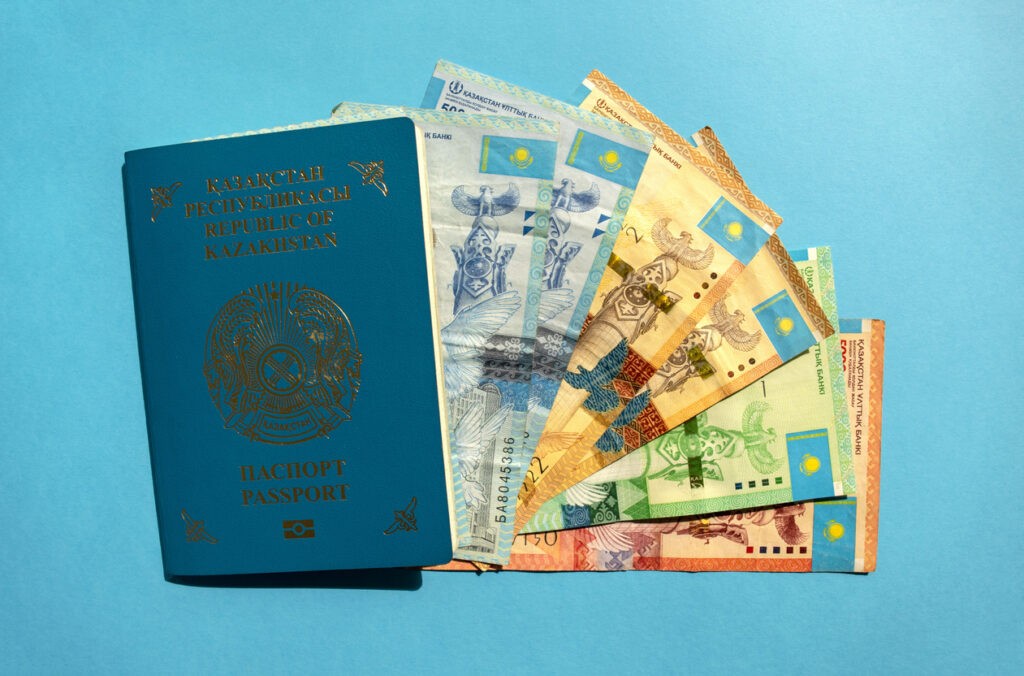
Lyazzat Usenbekova, director of consumer protection at the Association of Financiers of Kazakhstan, conducted calculations to find out what percentage of Kazakh citizens have debt obligations, concluding that "more than 90% of those who actively participate in the economic life of the country bear the burden of credit obligations on their shoulders." Usenbekova specified that this percentage applies to those who are indebted to credit organizations. At the same time, the structure of loans reveals interesting details: according to her data, almost a third of citizens take out loans for relatively small amounts, meaning no more than 500,000 tenge ($1,115). However, they account for only 1.7% of the total loan portfolio of individuals. Meanwhile, 5% of Kazakhs have debts over 10 million tenge ($22,290), and their share in the total volume of loans accounts for 42.3%. "It may seem that loans for large sums are a cause for concern, but before issuing such loans, clients are carefully checked for their ability to pay, their debt load and other aspects," Usenbekova emphasized. Usenbekova also looked at the category of loans under 300,000 tenge, suggesting they are probably for consumer needs. "Such loans are often interest-free and, with proper borrower discipline, should not cause serious difficulties with repayment," she explained. But there is no perfect picture yet, Usenbekova stated, stressing the need to improve people's financial literacy and their responsibility to their debts. Mazhilis (lower chamber of parliament) representative, Tatyana Savelyeva assessed the prospects of enacting changes envisaged by the draft law on minimizing risks in lending and protecting borrowers' rights. "We are likely to see real results in a few years, when these innovations begin to operate. For example, in debt regulation. By then we will be able to objectively assess their effectiveness," Savelyeva opined. The proposed bill to protect the rights of borrowers provides for a ban on the transfer of debts to collection agencies within 24 months of the start of delinquency and for debt settlement procedures that exclude fines, penalties and commissions.