• KGS/USD = 0.01144 0%
  • KZT/USD = 0.00212 0%
  • TJS/USD = 0.10841 -0.46%
  • UZS/USD = 0.00008 0%
  • TMT/USD = 0.28490 0%
  • KGS/USD = 0.01144 0%
  • KZT/USD = 0.00212 0%
  • TJS/USD = 0.10841 -0.46%
  • UZS/USD = 0.00008 0%
  • TMT/USD = 0.28490 0%
  • KGS/USD = 0.01144 0%
  • KZT/USD = 0.00212 0%
  • TJS/USD = 0.10841 -0.46%
  • UZS/USD = 0.00008 0%
  • TMT/USD = 0.28490 0%
  • KGS/USD = 0.01144 0%
  • KZT/USD = 0.00212 0%
  • TJS/USD = 0.10841 -0.46%
  • UZS/USD = 0.00008 0%
  • TMT/USD = 0.28490 0%
  • KGS/USD = 0.01144 0%
  • KZT/USD = 0.00212 0%
  • TJS/USD = 0.10841 -0.46%
  • UZS/USD = 0.00008 0%
  • TMT/USD = 0.28490 0%
  • KGS/USD = 0.01144 0%
  • KZT/USD = 0.00212 0%
  • TJS/USD = 0.10841 -0.46%
  • UZS/USD = 0.00008 0%
  • TMT/USD = 0.28490 0%
  • KGS/USD = 0.01144 0%
  • KZT/USD = 0.00212 0%
  • TJS/USD = 0.10841 -0.46%
  • UZS/USD = 0.00008 0%
  • TMT/USD = 0.28490 0%
  • KGS/USD = 0.01144 0%
  • KZT/USD = 0.00212 0%
  • TJS/USD = 0.10841 -0.46%
  • UZS/USD = 0.00008 0%
  • TMT/USD = 0.28490 0%

Viewing results 1 - 6 of 303

Germany Negotiating Afghan Deportation Deal with Uzbekistan

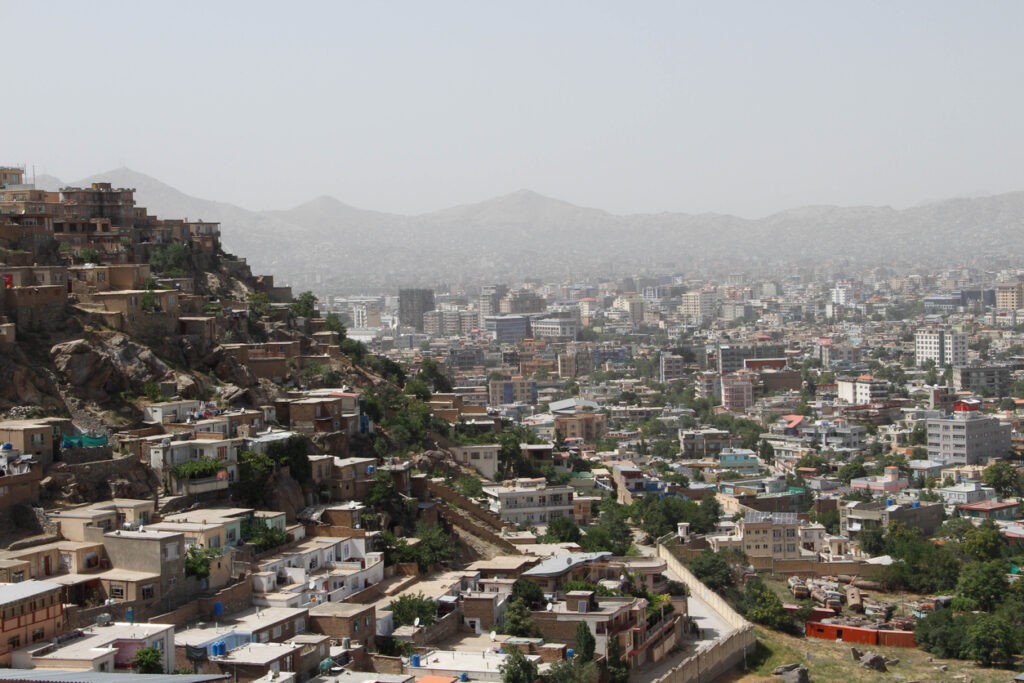
The government of the Republic of Uzbekistan may agree with the leadership of Germany on sending its labor migrants to Europe in return for the deportation of Afghan refugees. This was reported by the Bloomberg agency. According to sources, Germany is negotiating with Uzbekistan on the conclusion of a migration pact, which may include the deportation of Afghan asylum seekers, so that Berlin does not have to make direct deals with the Taliban. Chancellor Olaf Scholz has promised a tougher stance on migration, including the deportation of asylum seekers from Afghanistan and Syria. The decision follows a recent series of violent attacks and growing sympathy for the populist far-right in Germany. Interior Minister Nancy Feather, a senior member of Scholz's center-left Social Democrats party, sent officials to the Uzbek capital, Tashkent in late May to negotiate a pact on migration and deportation. Any prospective deal is yet to be finalized. Under the proposed plan, the Uzbek government would accept a limited number of rejected Afghan asylum seekers deported from Germany, and then send them to neighboring Afghanistan using private flights to Kabul. The Uzbek government is considering the idea, but wants any migration pact to also include bilateral rules allowing for the legal migration of skilled workers from Uzbekistan to Germany. According to sources, the German government's special representative for migration agreements, Joachim Stamp, will soon travel to Uzbekistan for further negotiations on such an agreement. An interior ministry spokeswoman declined to comment on the plan, which was also reported by Der Spiegel magazine and the DPA news agency. Following a fatal knife attack by an Afghan refugee on a German policeman, Chancellor Scholz, delivering a speech on law and order in parliament on June 6, said his government would allow criminals to be deported to Taliban-ruled Afghanistan and war-torn Syria. "Serious criminals and terrorist threats have no place here," Scholz said, adding that the interior ministry was working on practical implementation and was already in talks with countries bordering Afghanistan. Germany previously completely halted deportations to Afghanistan shortly before the Taliban returned to power in the summer of 2021.
U.S. Blacklists Uzbek Nationals Due to ISIS Connections

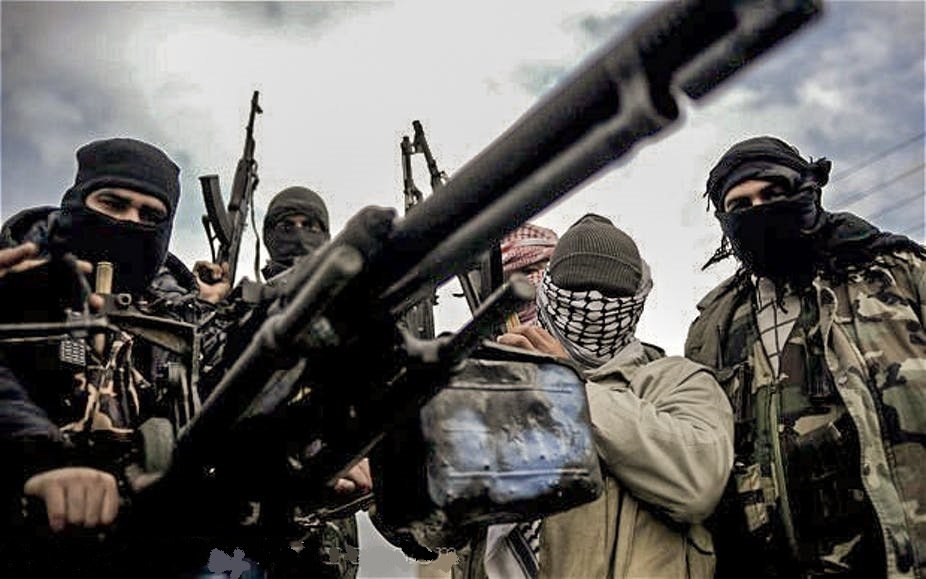
The U.S. State Department, in agreement with the Republic of Turkey, has announced that it added a number of individuals to the “blacklist” of the ISIS terrorist group. The department recognized the leader of ISIS in Georgia, Adam Khamirzayev, as a “global terrorist.” All three members of the ISIS-related smuggling network have been identified as terrorists, and all three of them are from Uzbekistan: Muhammadyusuf Alisher Ogli Mirzoev is a Uzbekistani national involved in work to establish an ISIS-linked “military” training camp in mid-2023. Mirzoev is also being designated by the Government of Turkey. Muhammad Ibrohimjon Niyazov is a Uzbekistani national and a supporter of the ISIS-linked smuggling network. Niyazov has provided administrative and logistics support for ISIS members in Turkey. Niyazov is also being designated by the Government of Turkey. Olimkhon Makhmudjon Ugli Ismailov is based in Uzbekistan and is a member of the ISIS-linked smuggling network. Internal measures are being taken against all of the men in Turkey. As stated in the report, any U.S. or foreign persons who engages in certain transactions with these individuals may be exposed to sanctions, including under secondary sanctions authorities.

Radicalism Attracts Disenfranchised Youth in Tajikistan

On June 11th, eight natives of Tajikistan were detained in the United States suspected of attempting to organize terrorist attacks and belonging to ISIS. Previously, citizens of Tajikistan were arrested in Russia, accused of participating in the attack on the Crocus City Hall near Moscow. In just the past few years, natives of Central Asian states have been involved in ten attempted terrorist attacks. Zamir Karazhanov, a Kazakhstani political scientist and director of the Kemel Arna Public Foundation, believes that the deteriorating economic situation in the country is behind such radicalization. As reported by TCA, eight citizens of Tajikistan taken into custody in Los Angeles, New York, and Philadelphia are suspected of having links to the terrorist group, ISIS. The detentions were made by U.S. Immigration and Customs Enforcement (ICE) in close coordination with the FBI's Joint Terrorism Task Force. Initially, it was stated that those arrested were Russian citizens of Tajik origin, but now their nationality has now been clarified. Citing sources from law enforcement agencies, media in the U.S. has reported that officially the migrants were held in connection with the violation of immigration laws. At the same time, they have not yet been charged with making preparations for a terrorist attack. According to sources, FBI agents have been following those detained for several months, and audio picked up by a bug allegedly has one of the suspects talking "about bombs.” Several days have now elapsed, but the U.S. authorities are still to release an official comment. The authorities in Tajikistan, meanwhile, are glossing over the incident. However, a Radio Ozodi source in New York said that the detentions of citizens from Central Asian countries began two months ago, since when 20 people have been detained, including 16 natives of Tajikistan, though “some of them were later released,” the source stated. According to the political scientist and Russia expert, Malek Dudakov, 50,000 Central Asians illegally entered the U.S. in 2023 alone: 17,000 from Uzbekistan, 7,000 from Kyrgyzstan, and 3,000 from Tajikistan. "Republicans blame Biden for artificially creating an explosive situation inside the United States, which could lead to a wave of terrorist attacks. And U.S. law enforcers fear that the U.S. may also expect an October 7th scenario in Israel with simultaneous attacks by Islamists in different cities,” he wrote on the Telegram. Following the terrorist attack on the Crocus City Hall, several countries, including Russia and Turkey, have tightened their migration policies toward people from Tajikistan. Kazakhstani political scientist, Zamir Karazhanov, told The Times of Central Asia that terrorist movements are influencing Tajik citizens because of the dire economic situation in the country. "During the 1990s and the civil war, a severe Islamicization of society began. Families were Islamiziced, and the economic factor, poverty, was superimposed on this. Similar processes were observed in all Central Asian countries, where religious young people began to come into contact with various radical extremist organizations. They are then processed and brainwashed into believing that everything they do is for the good...

Arrests of People from Tajikistan Who Crossed Border into U.S. Fuel Terrorism Worries

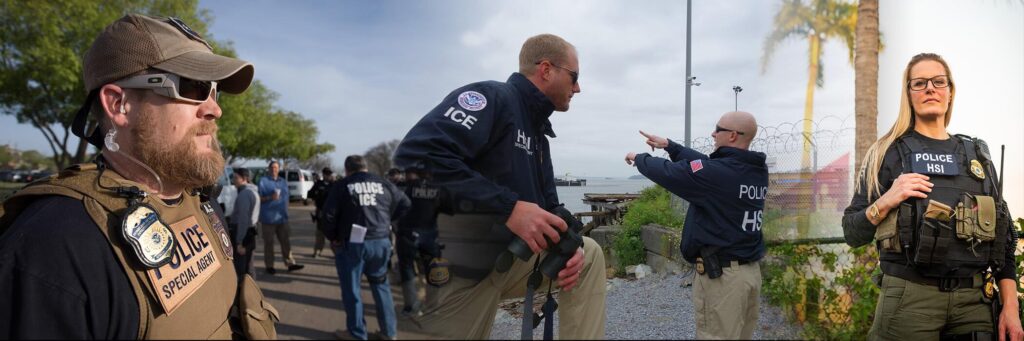
The reported arrests in the United States of eight people from Tajikistan with possible ties to a terror group has renewed concerns about extremism in the Central Asian country, which faced a backlash after the alleged involvement of some of its nationals in a terror attack in Russia in March. U.S. officials have provided little detail on the arrests of the men who had crossed into the United States from Mexico last year, though the development added to tension over the surge in illegal crossings at the southern border. Immigration and border security are a major campaign issue ahead of the U.S. presidential election in November. Patrick Lechleitner, the acting director of U.S. Immigration and Customs Enforcement, also known as ICE, was asked on Wednesday about reports that background checks on the Tajik men failed to turn up any cause for concern. In an interview with the NewsNation network, Lechleitner said another agency, the U.S. Customs and Border Protection, had first contact with the men as they crossed the border. “Sometimes there is just no information on individuals. I mean, it’s quite common…  There is nothing,” he said. “There´s no criminal convictions, there’s no threat information or whatever on these individuals, or maybe these individuals are from an area that is particularly of concern, but that pops up later.” ICE was collaborating with the FBI and “we went out and got” the suspects after becoming aware of concerns about them, Lechleitner said. American law enforcement previously warned of the growing threat of terrorism on U.S. soil after the killing of about 145 people in an attack on the Crocus City Hall, an entertainment venue on the outskirts of Moscow, on March 22. The Islamic State group said it carried out the attack, and several people from Tajikistan were among suspects arrested by Russian authorities. “Now increasingly concerning is the potential for a coordinated attack here in the homeland, akin to the ISIS-K attack we saw at the Russia concert hall a couple weeks ago,” FBI Director Christopher Wray told U.S. lawmakers on April 11. ISIS-K is an acronym used for an affiliate of the Islamic State branch that operates in Afghanistan and has sought recruits from Central Asia, particularly Tajikistan and Uzbekistan. The Crocus City Hall killings led to a backlash of suspicion against many Tajik migrants in Russia and difficult conditions for those trying to enter Russia in order to work, generating diplomatic tension between Moscow and Dushanbe and worries about the flow of remittances that are a vital part of Tajikistan’s economy. Tajikistan has not commented publicly on the arrests of the Tajik men in the United States. The Tajik government has previously said it is doing what it can to combat terrorism, downplaying questions about whether some of its internal restrictions, including on religious expression, might be contributing to radicalization. U.S. media reports, including from NBC News and ABC News, said the arrests occurred in New York, Philadelphia and Los Angeles this past weekend. The reports relied...

Central Asia Asks: Are Afghanistan’s Taliban Government Terrorists?

On June 3, Kazakhstani President Kassym-Jomart Tokayev met with speakers of CSTO countries’ parliaments, who were in Almaty for a meeting of the Council of the CSTO Parliamentary Assembly. At this event, Tokayev separately touched upon the situation in Afghanistan. In his view, one of the strategic tasks at this point is actively linking Afghanistan with the region. Tokayev recalled that “Kazakhstan had removed the Taliban regime from its list of terrorist organizations, basing this decision on the importance of developing trade and economic cooperation with today’s Afghanistan and the understanding that this regime is a long-term factor.” The last bit, namely that “Kazakhstan had removed the Taliban regime from its list of terrorist organizations,” was presented by many foreign media, probably due to its simplicity, as something that had just happened. For example, the Russian-language service of Deutsche Welle reported that “the Kazakh authorities have decided to exclude the Taliban movement from the list of terrorist organizations.” Similar stories were carried by various other news media, like RFE/RL’s Kazakh service, 24.kg and Amu TV, among others. However, some publications objectively covered Tokayev’s statement. For example, The Diplomat reported that “Tokayev explained his government’s decision in more detail,” while Sputnik India wrote that "Tokayev explained Almaty's decision in December to drop the group from the list.” Asia-Plus ran a similar story. Given all the noise, it would be useful to clarify the situation for readers. The decision to exclude the Taliban from the list of banned foreign organizations was made by Kazakhstan’s Supreme Court on December 20, 2023, almost six months ago. The Taliban had been put on the list in March 2005. At that time, they were actively fighting the NATO-led international coalition, which had launched the so-called Operation Enduring Freedom in October 2001 in response to the 9/11 terrorist attack. The Kazakhstani Foreign Ministry cited UN decisions to back up its move to take the Taliban off the terrorist list. Foreign Ministry spokesperson Aibek Smadiyarov said that “according to UN Security Council resolutions, which are binding, the Taliban movement is not included in the lists of terrorist organizations recognized as such by the UN Security Council.” As expected, at the time the reaction was mixed. Most of the negative commentary presented it as recognition of the Taliban regime, which, in fact, is not true – it was not a unilateral act of Kazakhstan giving international legal recognition to the Taliban. Meanwhile, another trend in the coverage of Tokayev’s recent remarks was to link Kazakhstan’s decision to remove the Taliban from its terrorist list with Russian plans to do the same. On May 27, the Russian Foreign Ministry and Justice Ministry reported to President Vladimir Putin that the Taliban movement could be excluded from the list of organizations banned in the country. Foreign Minister Sergei Lavrov remarked that this proposal “reflects a realization of reality,” adding that “[the Taliban] are the real government. We [and] our allies, especially in Central Asia, are not indifferent to Afghanistan.” In his own...

Peace for Women and Children Returning from Syria to Tajikistan

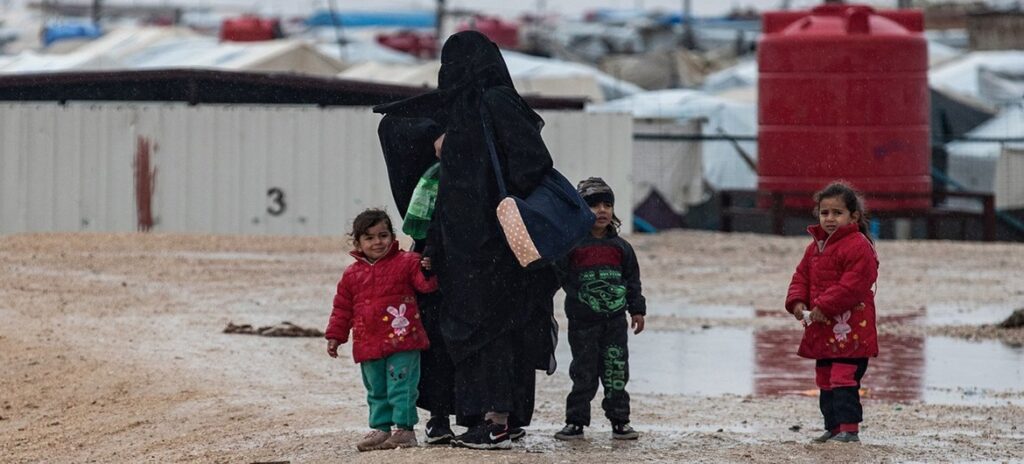
Dozens of women and children returning from Syria have now been reunited with their loved ones in Tajikistan and according to the  Ministry of Health, are adapting to a peaceful life. The return of Tajik citizens, primarily women and children, who left for Syria's combat zone and fell prey to terrorist organizations, has continued  since 2022. On 27 September 2023, the Government of Tajikistan introduced a program to aid their rehabilitation. According to , Kudratullo Kurbonzoda, head of the Social Protection Department of Tajikistan's Ministry of Health and Social Protection,  over the past two years, 334 people, including 259 children, have been returned from Syrian prisons to their homeland and having passed through the program's three stages, are settling in well. “Their health and mental state have recovered," commented Kurbonzoda Ku, adding that thanks to the program, even those without documents, such as passports or birth certificates, have been able to contact their families wherever they are in the country. A further 47 people who returned in April are currently  under the supervision of the agency's specialists and receiving assistance from doctors and psychologists, as well as from education and internal affairs officials. Referencing  the program's guidelines, Kurbonzoda added that in addition to financial and material assistance, the government  recommended the placement of  the children in schools and kindergartens, and provision of training and jobs for women.