Viewing results 1 - 6 of 759
The capital of Turkmenistan is hosting a two-day seminar , organized by the OSCE Centre in Ashgabat, on "Artificial Intelligence and its Impact on Freedom of Speech." During the event, international participants, including specialists from Austria and Bulgaria, will analyse the impact of artificial intelligence (AI) technologies on freedom of speech and the role of the media in today's world through various workshops focusing on: the role of artificial intelligence in shaping public opinion and disseminating information; the risks and opportunities associated with the application of AI in the media; how to ensure freedom of speech in the context of AI development; and how to combat misinformation and manipulation in the age of artificial intelligence. Opening the seminar, William Leaf, Representative of the OSCE Centre in Turkmenistan, emphasized the importance of freedom of speech and media as integral elements of a democratic society. Noting Turkmenistan's growing interest in developing artificial intelligence, he welcomed the seminar as an important step in understanding its potential and possible challenges. Within the context of an exchange of views and the development of recommendations on the use of artificial intelligence in the media, the event provides a platform for discussions on how such issues affect the principles of freedom of speech and human rights and as such, relates to the OSCE Centre's ongoing assistance in implementing the National Human Rights Action Plan 2021-2025 (NHRAP) provisions on media freedom and freedom of expression.
Turkmenistan citizens graduating from foreign universities, are currently required to undergo a complex process to have their diplomas recognized in their home country. A source in the Main Department of Education of Lebap told Radio Azatlyk that Turkmenistan citizens graduating from pedagogical universities in CIS countries are obliged to enrol in a month-long advanced training course at the Pedagogical Institute in Turkmenabad to nostrify (recognize university qualifications) their diplomas and moreover, provide 17 references. According to graduates, the process also involves the extortion of bribes. Hakberdi, a Russian language teacher from Turkmenabad who underwent the diploma recognition process about five years ago, explained that the size of the bribe depends on the influential status of whoever is engaged to help. "From 2018 to 2019, the bribe could reach 10-15 thousand dollars. If you have an acquaintance in the ministry, the bribe will be smaller, but can rise if intermediaries are involved." In addition, when attempting to get their diplomas recognized, graduates can fall prey to fraudsters who promising help, take their money and disappear. In parallel with the season of diploma nostrification, the process of submitting documents and sitting exams for admission to foreign universities continues. Exams are taken online and because of internet issues, this can create new problems. "Since the speed of the Wi-Fi signal at home is inadequate," reported a resident of Dianev, "applicants from across the districts gather at the Turkmentelecom internet cafe in Turkmenabad but there are not enough computers and often queues from 6 a.m."
During his visit to Turkmenistan, the UN Secretary General António Guterres met President Serdar Berdimuhamedov to discuss strengthening cooperation in political, economic, environmental, cultural, and humanitarian spheres. President Berdimuhamedov emphasized Turkmenistan's aspiration to further develop relations with the UN. Noting the importance of the country's permanent neutrality in strengthening peace and security in the region, he recalled that on Turkmenistan's initiative, the UN General Assembly proclaimed 2025 the International Year of Peace and Trust. Guterres praised Turkmenistan's proactive approach to solving urgent problematic issues and remarked on the country's important role in ensuring universal peace, security, and sustainable development. He also recognized Turkmenistan's efforts to address the problem of statelessness, especially in Central Asia. During the talks, both sides stressed the prolonged nature of the strategic dialogue between Turkmenistan and the UN, based on common ground regarding the organization's goals and the country's national interests. Outlining the priorities of the Turkmenistan-UN strategic dialogue, the president highlighted ensuring global security, resolving regional situations, sustainable development, and other humanitarian issues. He also proposed to develop a Global Security Strategy based on preventive diplomacy for conflict prevention, expressing a readiness for close cooperation with all interested states and UN institutions. In the context of regional cooperation, the parties noted the growing importance of Central Asia as a critical center of global energy, geopolitics, and transportation.
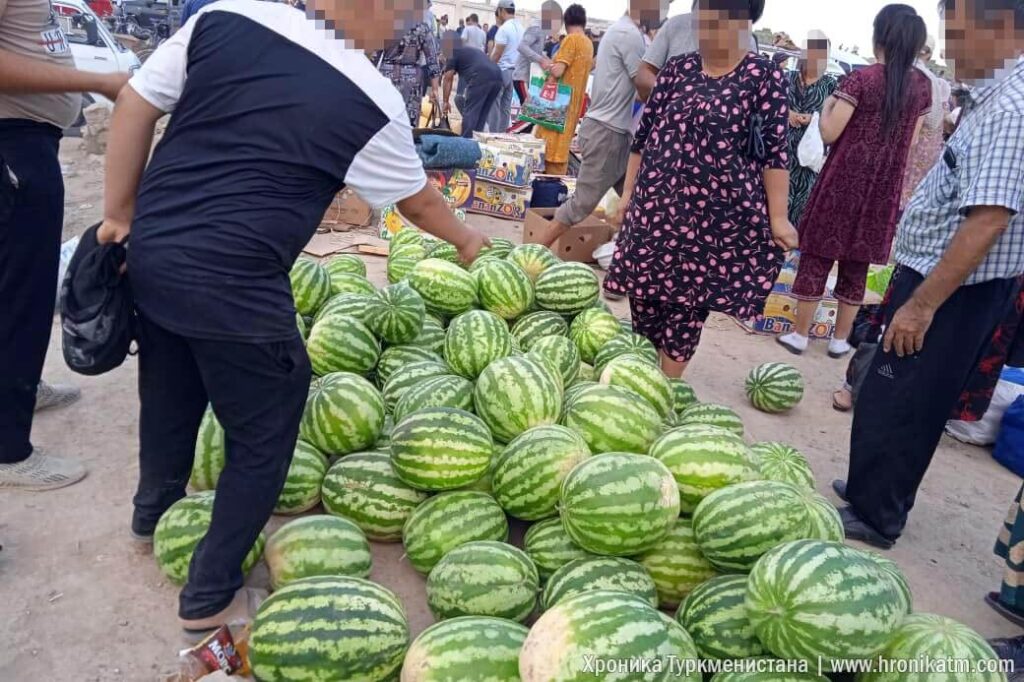
Chronicles Turkmenistan reports that Iranian watermelons are now cheaper than those produced locally. Turkmen farmers were encouraged to plant watermelons on leased lands on the assurance that the crops would be irrigated at the state's expense. However, given the high volume of water required to cultivate the fruit and the need for farmers to irrigate their crops twice per season, only those with the means, could afford to pay for their own pumps. As stated in the publication's report, “-That- was not enough to get a good harvest. Also, the cost of production, including irrigation and other costs, was higher than expected." The vast stocks watermelons imported from Iran to markets in Meri and Lebap Velayats are significantly cheaper than local produce, selling at 4–5 manats (TMT) ($1.14–1.43) per 6 to 9 kilogram compared to 1.50 TMT ($0.43) per kilogram or an average of 7-8 TMT ($2– 2.29) per Turkmen melon. As a result, Turkmen farmers struggle to sell their produce and are suffering significant losses.
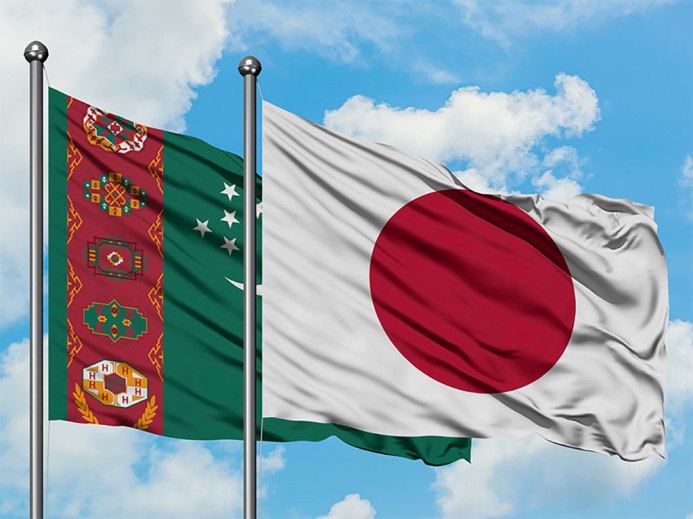
As reported by TDH, Gurbanguly Berdimuhamedov, chairman of the Halk Maslahaty of Turkmenistan, recently engaged in a meeting with representatives of Japan's Kawasaki Heavy Industries Ltd., including Senior Strategic Advisor Tatsuya Watanabe and Executive Director Kenji Sanada. During the meeting, Japan's role as an important strategic partner for Turkmenistan in the Asia-Pacific region was noted, with particular regard to bilateral cooperation between the two countries and within the framework of international organizations, including the UN. A long-term partnership has been established with Kawasaki Heavy Industries Ltd., and several major projects have been implemented, including a plant for producing gasoline from natural gas in Ovadandepe, a urea plant in Mary province, and the Keliati cement plant. New opportunities for cooperation were discussed alongside Turkmenistan's plans to produce and process natural gas. The importance of using advanced technologies and observing environmental standards in the implementation of projects was emphasized.
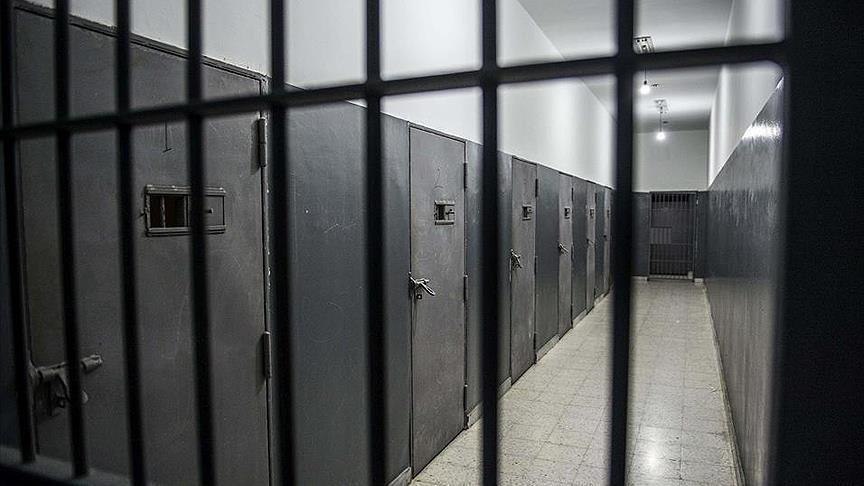
As outlined in a report in Turkmen Newsed, the Turkmenistan's Ombudsman Yazdursun Gubannazarova has recently published a paper highlighting concerns following visits to detention centres and meetings with prisoners in 2023. Throughout the past year, the Ombudsman conducted investigations in both the MR-E/14 detention centre and the MR-B/15 prison hospital in the Maryam region. The detention centre consists of two rooms with 160 and 150 beds, built in 1964 and 1984. Inspections showed that conditions in the dormitories required updating to meet modern sanitary and hygiene standards. Staffing in the prison hospital is a serious issue. Vacancies remain unfilled, creating a chronic shortage of medical personnel and on occasion, leaving inmates to administer their own injections and IVs (intravenous injections). Nevertheless, according to feedback on group and individual meetings with the hospital's prisoners, “Except for the convicts' remorse and requests (for)parole, no complaints were made". It was a different situation in the prison. The Ombudsman reports that 562 written complaints were submitted in 2023: 457 by Turkmens, 65 by Uzbeks, 46 by Russians, and 13 by Azerbaijanis, 3 by Tatars, 6 by Mordovians and Ukrainians, 2 by Persians, and one each by Armenians, Kazakhs, and Germans. Requests for help from the Human Rights Ombudsman from the Baloch ethnic minority, who living in the Meri province, are frequent targets of violence, were either not received or ignored. Perhaps this is unsurprising given that only 17 of the complaints were addressed whilst the rest went ignored.