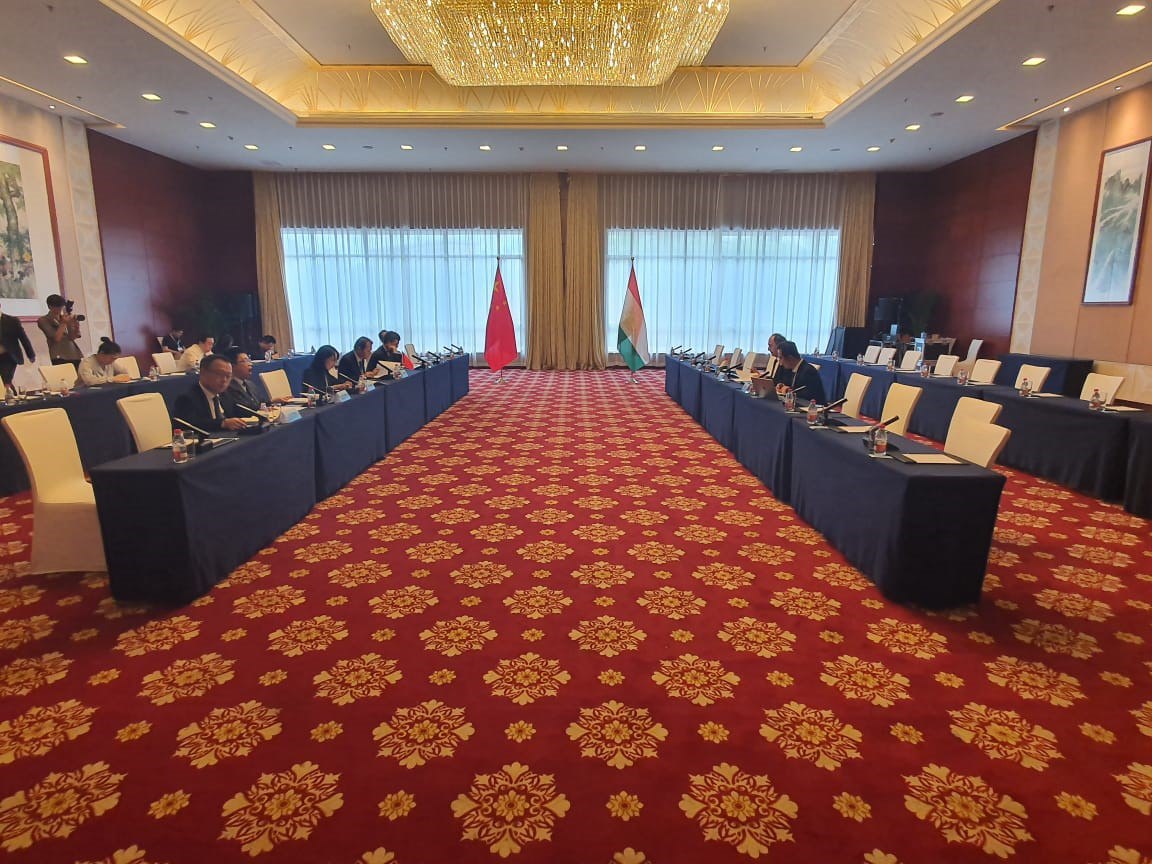
Tajikistan has officially expressed interest in joining the China-Kyrgyzstan-Uzbekistan (CKU) railway construction project, an ambitious regional transport initiative designed to enhance connectivity across Central and South Asia. The proposal was raised during a meeting between Tajik Minister of Transport Azim Ibrahim and Chinese Minister of Transport Liu Wei on July 2 in Tianjin, on the sidelines of the 12th Meeting of Transport Ministers of the Shanghai Cooperation Organization (SCO) Member States.
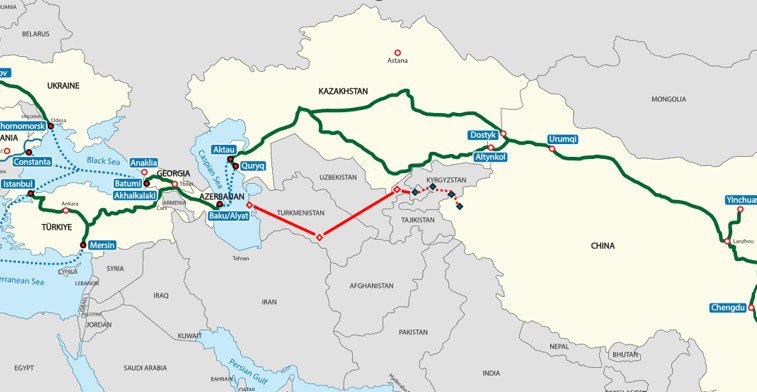
According to the Tajik Ministry of Transport, the two sides discussed potential Chinese support for Tajikistan’s accession to the CKU railway project, as well as participation in the development of a broader multimodal corridor linking China, Tajikistan, Uzbekistan, Turkmenistan, Iran, Turkey, and Europe.
The CKU railway, a strategically vital infrastructure project, spans 523 kilometers. Construction officially began on December 27, 2024, in Jalal-Abad, Kyrgyzstan. Once completed, the route will connect Kashgar in China with Torugart, Makmal, and Jalal-Abad in Kyrgyzstan, and Andijan in Uzbekistan. The railway is projected to handle up to 15 million tons of cargo annually. Currently, neither Kyrgyzstan nor Uzbekistan has a direct rail link with China, the only such connection in Central Asia runs through Kazakhstan.
At the SCO ministerial meeting, Minister Ibrahim noted that the SCO region already functions as a strategic bridge between East and West, North and South. He also outlined key emerging challenges, including the need to strengthen transport chain resilience, accelerate digitalization, reduce carbon emissions, and promote green logistics solutions.
To that end, Ibrahim proposed the establishment of a Unified SCO Digital Platform for managing multimodal transportation. This platform would harmonize customs, border, and transport procedures, enable real-time cargo tracking, streamline documentation, and enhance operational transparency.
The minister further emphasized the need to advance and integrate several major international corridors:
- China – Kyrgyzstan – Tajikistan – Afghanistan – Pakistan – Indian Ocean
- China – Tajikistan – Uzbekistan – Turkmenistan – Iran – Turkey – Europe
- Trans-Caspian International Transport Route (TITR)
He also underscored the importance of attracting international partners to help restore and expand transport infrastructure through Afghanistan, describing it as key to unlocking new regional trade routes.