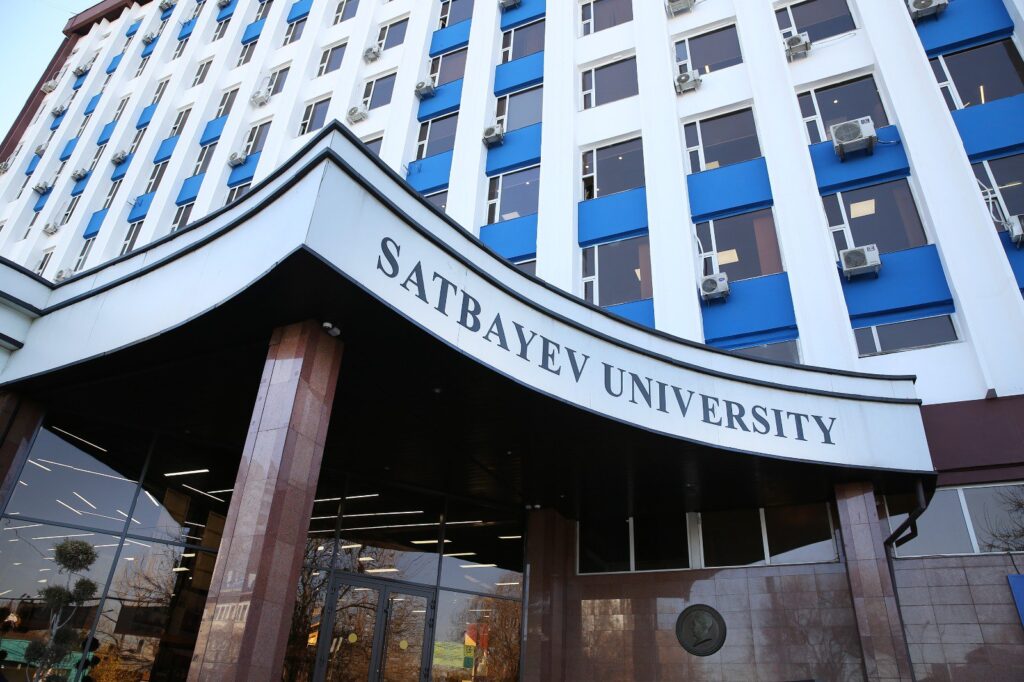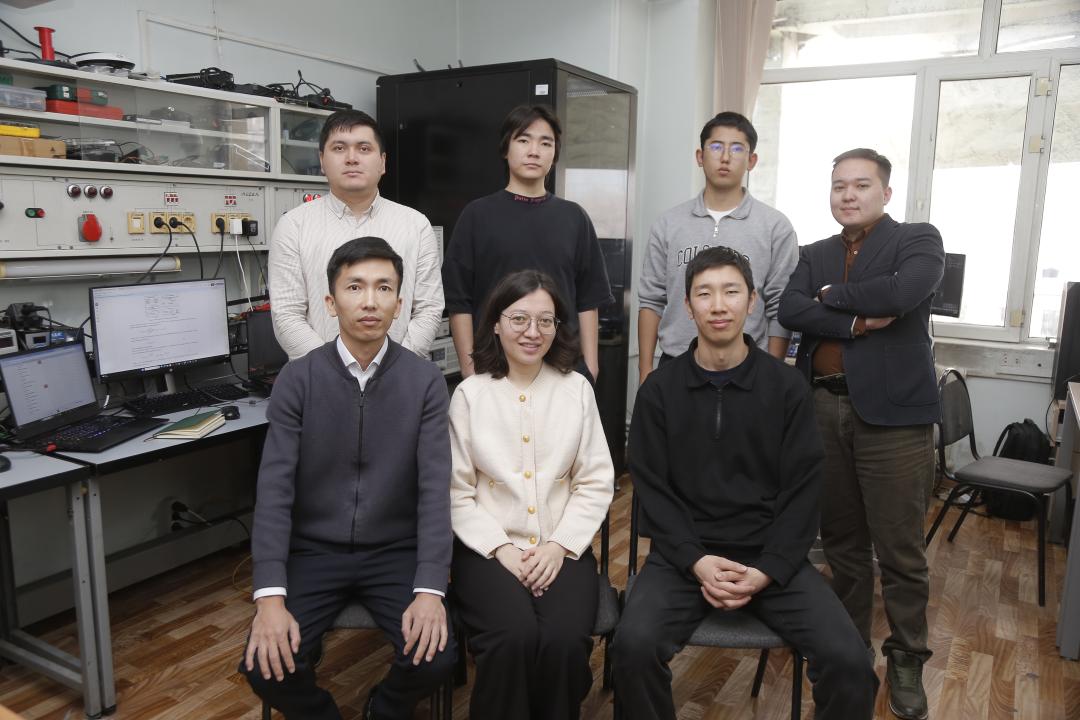
Researchers at Satbayev University in Almaty are developing a compact device capable of converting environmental mechanical vibrations into electrical energy.
Mechanical vibrations are repetitive movements that occur around a system’s equilibrium position and include phenomena such as sound waves and physical oscillations. Scientists at Satbayev University aim to harness these vibrations as a stable energy source for autonomous sensors operating in remote and hard-to-access areas.
The project focuses on creating an electromagnetic converter capable of operating within a frequency range from several tens to a few hundred hertz, the range most commonly found in natural vibration environments.
“We are developing a device that will efficiently convert mechanical vibrations into electrical energy and serve as an autonomous power source. This will help ensure the continuous and reliable operation of Internet of Things (IoT) sensors in remote regions,” said project leader Albanbay Nurtay.
The scientific basis of the technology is the law of electromagnetic induction: when a coil and magnets move relative to each other inside the device, an electrical signal is generated.
Researchers are focusing on engineering solutions that maintain high efficiency across a wide range of vibration frequencies. Engineers are also working to ensure stable operation under different vibration conditions and to minimize energy losses during transmission.
The project is being implemented in several stages. The first phase involves developing the conceptual design of the device, along with its 3D and mathematical models.
In the next stage, Satbayev University researchers plan to build experimental prototypes and develop a dedicated testing platform to measure the device’s performance.
Based on the results of these experiments, scientists will select a final prototype with optimal technical characteristics. The final stage will include the publication of research findings and the filing of a patent for the intellectual property.
The device could have practical applications across several sectors, including industrial monitoring, environmental observation, and agriculture.
The project represents an important step in the development of green technologies.
“Efficient use of natural vibration sources opens new opportunities for energy conservation and supports the implementation of sustainable development principles and goals,” Kazakhstan’s Ministry of Education noted.
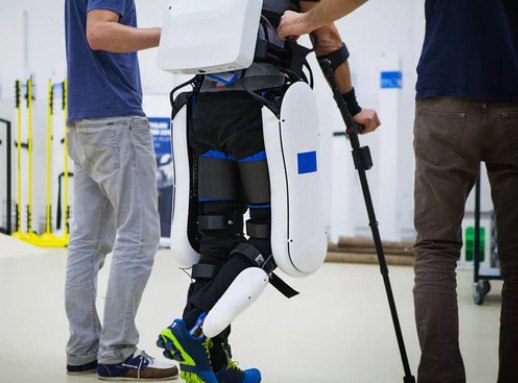
As previously reported by The Times of Central Asia, researchers at Nazarbayev University recently developed a medical exoskeleton designed to assist in stroke rehabilitation.