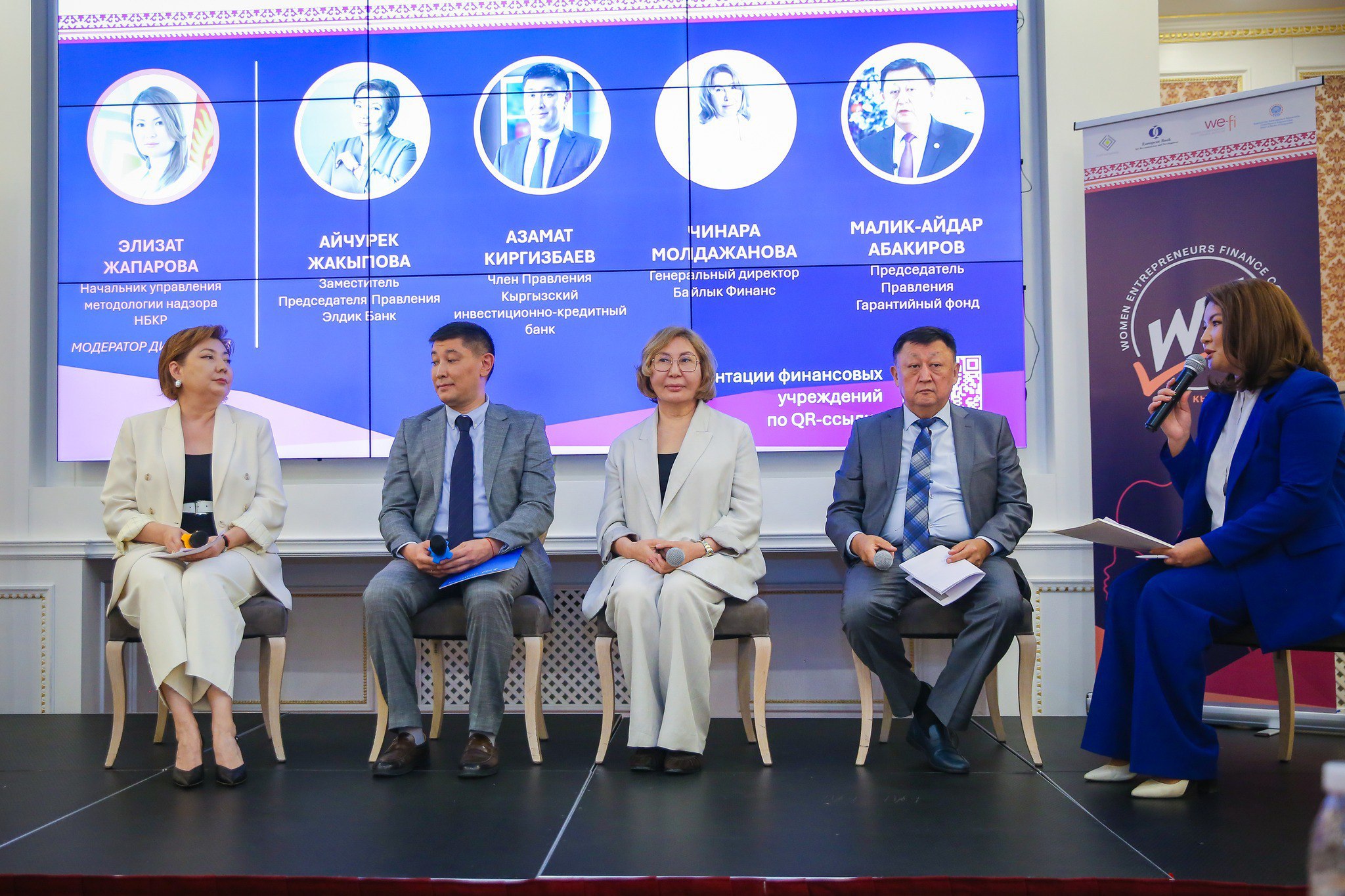
Kyrgyzstan has officially enacted the Code on Financing Women Entrepreneurs, a regulatory framework aimed at expanding women’s access to financial products from banks and microfinance institutions. The National Bank of the Kyrgyz Republic (NBKR) will oversee the implementation of the Code, which it regards as a milestone in institutional support for women’s entrepreneurship.
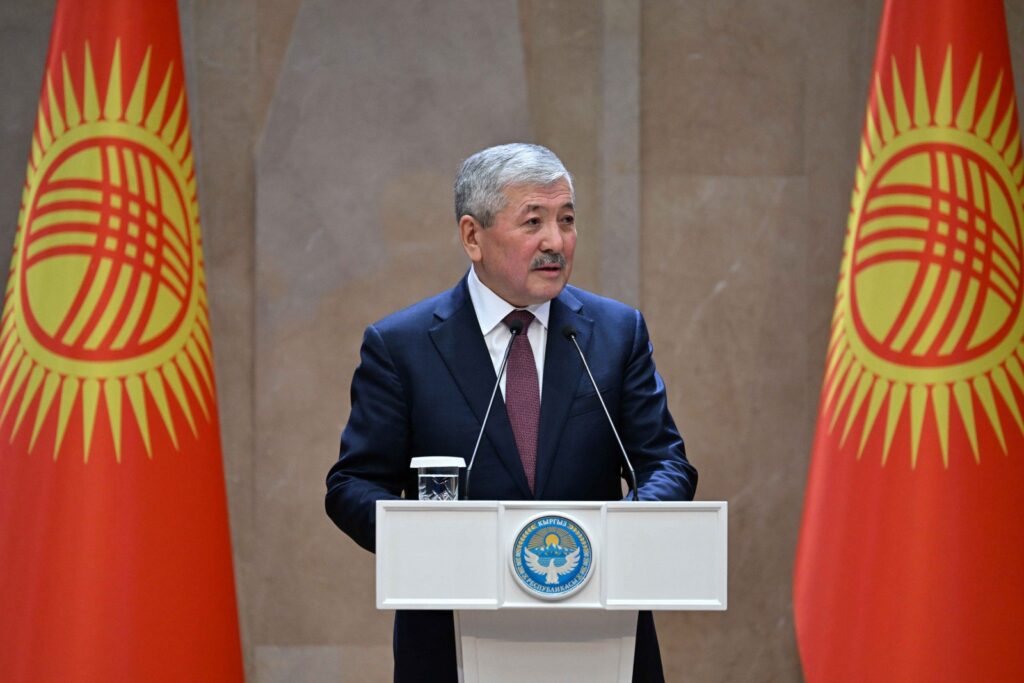
Speaking at the launch ceremony, NBKR Chairman Melis Turgunbaev emphasized the crucial role of women in the country’s economy, particularly within the small and medium-sized business sector.
“The launch of the Code, backed by the recent legislative recognition of the concept of ‘women’s entrepreneurship,’ creates a solid institutional foundation for mobilizing financial sector resources and directing them toward the development of this strategically important segment of the economy,” Turgunbaev said.
The legal definition of women’s entrepreneurship was introduced into Kyrgyz legislation only last year. Lawmakers noted that female entrepreneurs often face structural challenges, such as balancing business activities with domestic responsibilities and limited access to property assets that can serve as loan collateral.
According to the Ministry of Economy and Commerce, the typical Kyrgyz female entrepreneur is between 40 and 50 years old, has a secondary education, runs a small or medium-sized enterprise, often individually and began her business career before turning 30.
The new Code modifies financial regulations to simplify access to credit for women. Key provisions include expanded opportunities for unsecured lending and the removal of a previous requirement for financial institutions to set aside 1% of the loan amount for potential losses when lending to women. The NBKR believes these changes will make financing for women both strategically and commercially attractive across the banking sector.
“Our actions are not just advocacy, they are about building sustainable market mechanisms,” said Turgunbaev. “The National Bank is establishing economically sound conditions that incentivize the entire financial sector to support women entrepreneurs.”
According to the NBKR, the Code applies specifically to enterprises in which women own at least 51% of the capital and make up at least 51% of the workforce. Financial institutions are encouraged to offer more accessible, long-term loans to qualifying women-led businesses on preferential terms.
However, The Times of Central Asia has learned that the Code currently lacks a dedicated mechanism to support women facing loan repayment difficulties. Nonetheless, the regulator clarified that this does not restrict banks from granting relief measures.
“The NBKR will not prevent commercial banks from offering concessions to women entrepreneurs with overdue loans under programs focused on financing women-led businesses,” a spokesperson said.
The National Bank plans to coordinate the Code’s rollout and ongoing refinement, emphasizing that support for women entrepreneurs is viewed as a long-term institutional priority.