• KGS/USD = 0.01144 0%
  • KZT/USD = 0.00213 0%
  • TJS/USD = 0.10605 0.57%
  • UZS/USD = 0.00008 0%
  • TMT/USD = 0.28530 0%
  • KGS/USD = 0.01144 0%
  • KZT/USD = 0.00213 0%
  • TJS/USD = 0.10605 0.57%
  • UZS/USD = 0.00008 0%
  • TMT/USD = 0.28530 0%
  • KGS/USD = 0.01144 0%
  • KZT/USD = 0.00213 0%
  • TJS/USD = 0.10605 0.57%
  • UZS/USD = 0.00008 0%
  • TMT/USD = 0.28530 0%
  • KGS/USD = 0.01144 0%
  • KZT/USD = 0.00213 0%
  • TJS/USD = 0.10605 0.57%
  • UZS/USD = 0.00008 0%
  • TMT/USD = 0.28530 0%
  • KGS/USD = 0.01144 0%
  • KZT/USD = 0.00213 0%
  • TJS/USD = 0.10605 0.57%
  • UZS/USD = 0.00008 0%
  • TMT/USD = 0.28530 0%
  • KGS/USD = 0.01144 0%
  • KZT/USD = 0.00213 0%
  • TJS/USD = 0.10605 0.57%
  • UZS/USD = 0.00008 0%
  • TMT/USD = 0.28530 0%
  • KGS/USD = 0.01144 0%
  • KZT/USD = 0.00213 0%
  • TJS/USD = 0.10605 0.57%
  • UZS/USD = 0.00008 0%
  • TMT/USD = 0.28530 0%
  • KGS/USD = 0.01144 0%
  • KZT/USD = 0.00213 0%
  • TJS/USD = 0.10605 0.57%
  • UZS/USD = 0.00008 0%
  • TMT/USD = 0.28530 0%

Our People > Andrei Matveev

Andrei Matveev's Avatar

Journalist

Andrei Matveev is a journalist from Kazakhstan.

Articles

Drone Strikes on Russian Baltic Ports Raise Risks for Kazakhstan’s Oil Exports

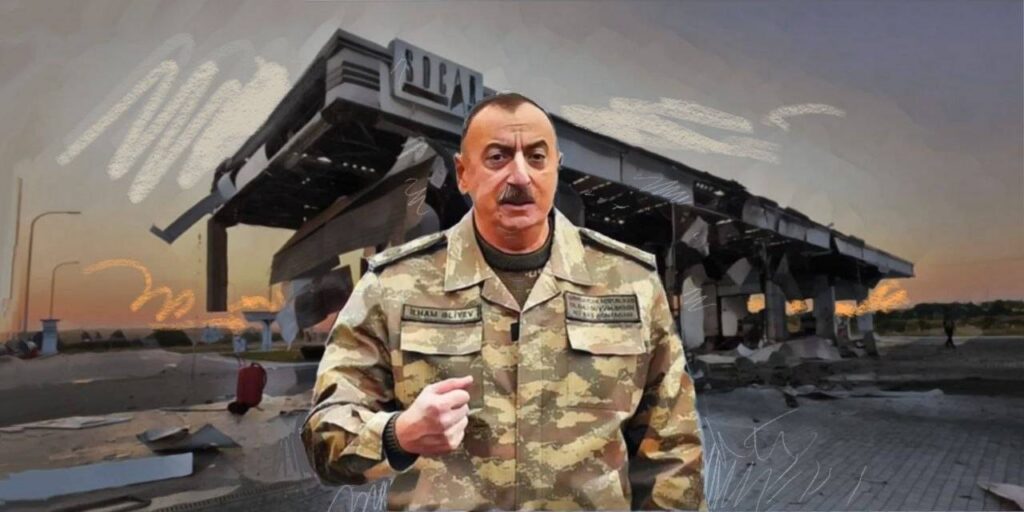
Drone attacks on Russian Baltic ports have heightened concerns about potential risks to Kazakhstan’s oil export routes. Ukrainian drone strikes targeted the ports of Primorsk and Ust-Luga in Russia’s Leningrad Oblast earlier this week, disrupting operations at both major oil export hubs. Primorsk has an estimated capacity of around one million barrels of crude oil and approximately 300,000 barrels of diesel fuel per day. Large fuel storage facilities are also located at both ports. Further strikes were reported on March 25, when drones again targeted both ports. Media reports indicated that shipments of oil and petroleum products were suspended, and that fires broke out at Ust-Luga. As of March 26, loadings at both ports were reportedly still suspended following the latest strikes, with no confirmed return to normal operations. Kazakhstan has increasingly used Baltic routes for part of its oil exports following periodic disruptions to the Caspian Pipeline Consortium (CPC) system. Commenting on the situation, Kazakh oil and gas journalist Oleg Chervinsky said that the port of Ust-Luga has been used to export Kazakh crude marketed under the KEBCO brand, with volumes rising after earlier challenges affecting CPC shipments. Kazakhstan’s national pipeline operator, KazTransOil, transports crude through Russian pipeline infrastructure under agreements with Russia’s Transneft. From there, oil can be delivered to Germany, shipped via Baltic ports such as Ust-Luga, or exported through Black Sea terminals, including Novorossiysk, which has also been targeted by drone attacks in the past year. According to open-source intelligence analysts cited in international media, energy infrastructure in the Ust-Luga industrial zone, including facilities linked to NOVATEK’s gas processing complex, was affected by the latest strike. The Ust-Luga site is located roughly 850 kilometres from the Ukrainian border. A similar attack on infrastructure in the Ust-Luga area was reported in August 2025. At that time, Kazakhstan’s Ministry of Energy stated that Kazakh oil exports had not been affected. As of March 26, the ministry had not publicly commented on the latest incidents. Officials have previously emphasized the importance of diversifying export routes amid geopolitical risks and infrastructure disruptions.

3 weeks ago

Caspian Escalation Raises Stakes for Central Asia

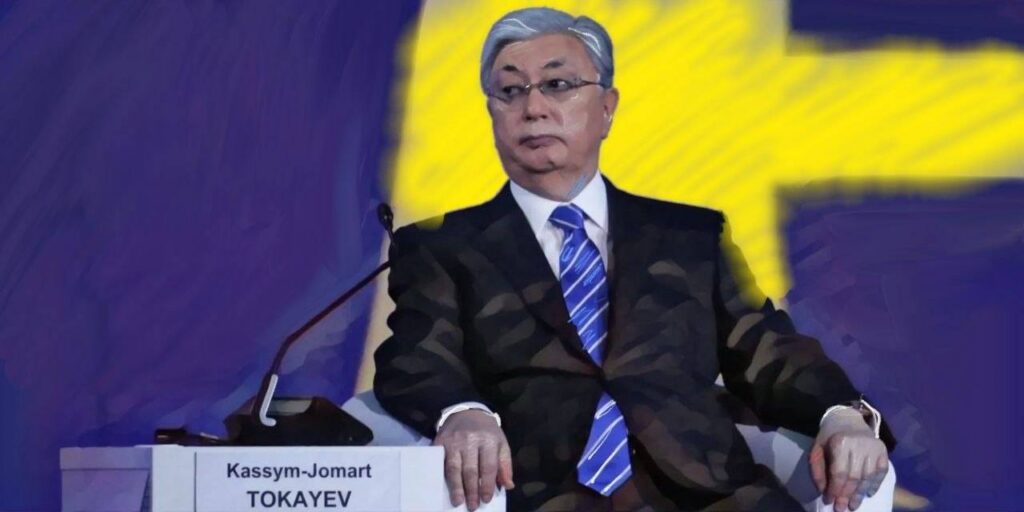
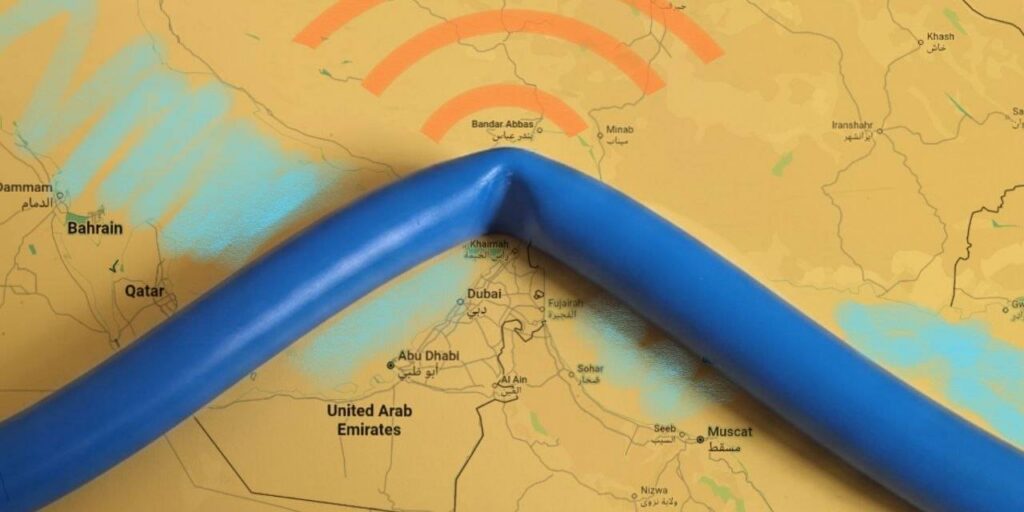
Central Asia, which has increasingly sought to present itself as a coordinated actor on the global political stage, has until recently maintained a cautious, non-aligned stance regarding the escalation in the Middle East. However, attacks affecting infrastructure in the Caspian region have altered the diplomatic balance. The Caspian Sea is a critical transit zone for Central Asia, linking Kazakhstan and Turkmenistan to Azerbaijan and onward to European and Middle Eastern markets. It forms part of key east–west and north–south trade corridors that have gained importance since Russia’s war in Ukraine disrupted traditional transit routes. In recent years, regional dynamics have also been shaped by Azerbaijan’s growing engagement with Central Asian states, including its formal inclusion in the expanded Central Asian consultative format, which has effectively evolved from the C5 into the C6. Baku has played an important role in regional connectivity. It has developed close relations with both Turkey and Israel, factors that influence geopolitical calculations in the Caspian basin, which directly borders Kazakhstan and Turkmenistan. This growing alignment has reinforced efforts to develop the Middle Corridor across the Caspian, linking Central Asia to Europe via the South Caucasus. Turkey maintains political, economic, and cultural influence in Kazakhstan, Kyrgyzstan, and Uzbekistan through the Organization of Turkic States. Russian political discourse has at times portrayed this cooperation as part of a broader pan-Turkic geopolitical project, a characterization widely dismissed by officials and analysts in Central Asia. Nevertheless, Astana and Baku continue to maintain strong relations with Ankara, a development that has periodically caused concern in Moscow. Under President Kassym-Jomart Tokayev, Kazakhstan has also strengthened ties with Gulf states. Qatar, Kuwait, the United Arab Emirates, and Saudi Arabia have become significant investors in the country’s economy. In this context, Iranian attacks on Gulf states not directly involved in the conflict have shaped Astana’s diplomatic positioning during the current crisis. Reports of drone attacks widely blamed on Iran targeting the Azerbaijani exclave of Nakhchivan have further heightened regional tensions. At the initial stage of the escalation, Kazakhstan’s response was largely limited to diplomatic contacts with regional leaders. At the same time, several Central Asian countries, along with Azerbaijan, expressed concern over the humanitarian consequences of the conflict and began dispatching aid to Iran. Azerbaijan sent nearly 30 tons of food and medical supplies on March 10, followed by another 82 tons of humanitarian aid on March 18. Uzbekistan delivered approximately 120 tons of humanitarian supplies, including flour, vegetable oil, sugar, and canned food, according to regional media reports. Turkmenistan also sent humanitarian aid consisting of medicines, medical supplies, and other goods, primarily intended for children. The Tajik government reported sending a convoy of 110 heavy trucks carrying humanitarian cargo to Iran, with a total weight of 3,610 tons. The diplomatic environment shifted further after Israeli air strikes on March 18 targeting Iranian naval facilities in the Caspian Sea. According to Israeli military statements cited by international media, the targets included a major port of the Iranian Navy, where, reportedly, "dozens of ships were destroyed,”...

3 weeks ago

New Constitution Backed by Majority as Kazakhstan Reports Record Referendum Turnout

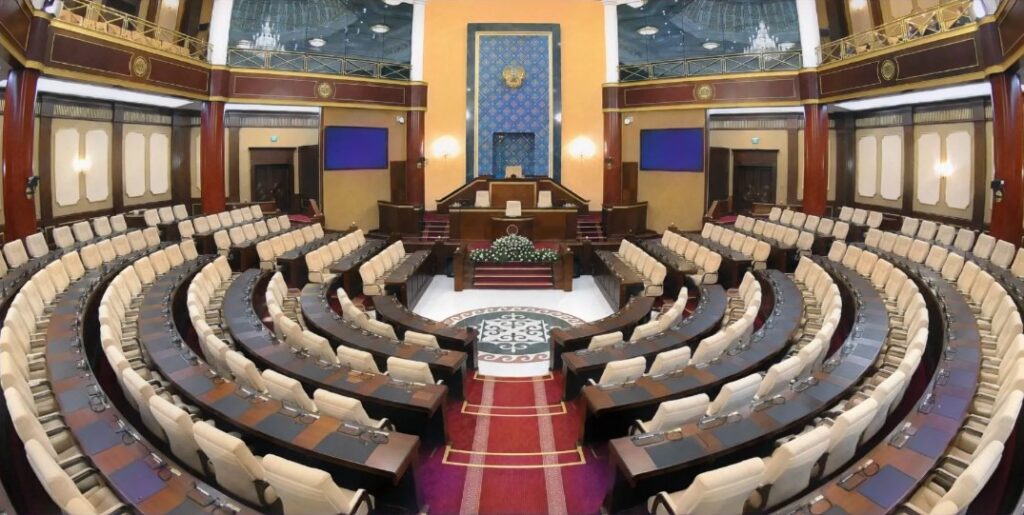
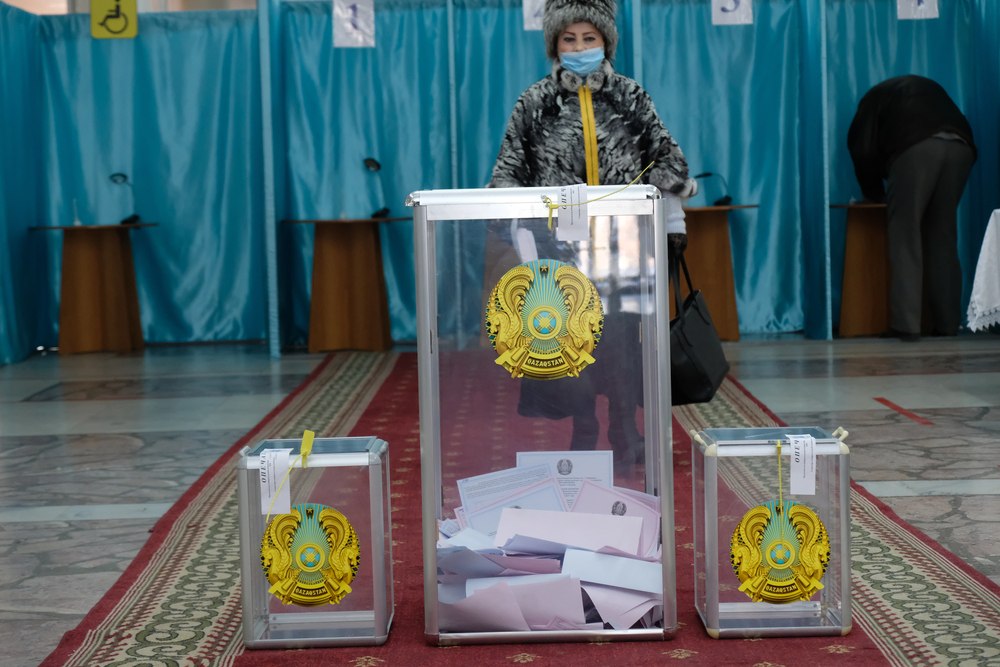
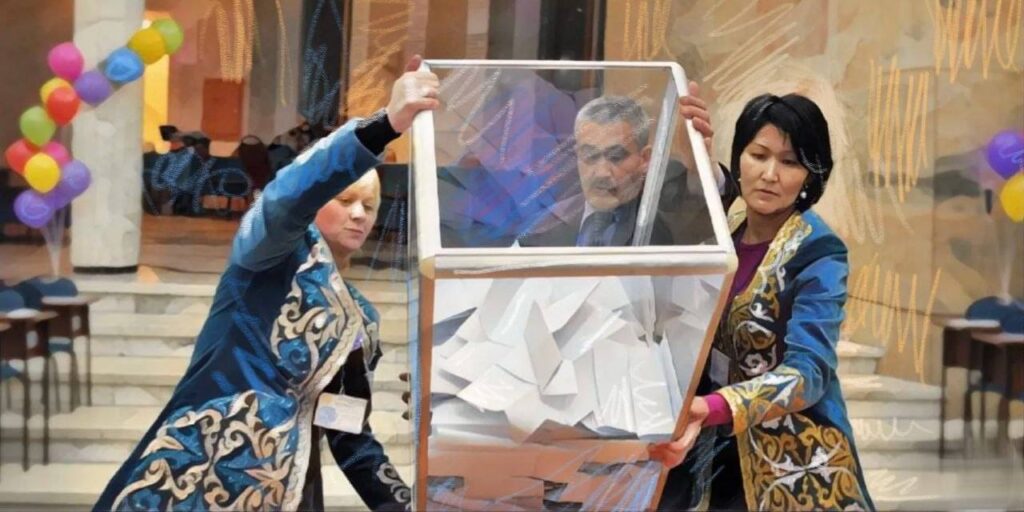
Kazakhstan’s Central Referendum Commission has announced the official results of the nationwide vote on the draft of a new constitution. According to the commission, voter turnout reached 73.12%, with a total of 9,127,192 citizens participating. Preliminary results show that 7,954,667 voters or 87.15%, supported the proposed amendments. A further 898,099 citizens voted against, while 146,558 ballots were declared invalid. On 15 March Kazakhstan held a national referendum, proposed by President Kassym‑Jomart Tokayev, on whether to adopt a new constitution. The draft constitution introduces major institutional reforms, including replacing the country’s bicameral parliament with a single chamber, restoring the post of vice-president (abolished in 1996), and creating a new People’s Council (Kurultai) with powers to initiate legislation and referendums. The reforms also allow the president to appoint key officials, and redefine some constitutional provisions, including the definition of marriage. Critics say the changes could strengthen presidential authority and potentially affect future term limits. Regional voting patterns reveal several notable trends. First, Pavlodar region recorded the highest level of support, with 94.14% of voters backing the amendments. Traditionally, Kazakhstan’s northern regions have demonstrated more moderate support for decisions initiated by the central authorities. This tendency was reflected in the Karaganda and North Kazakhstan regions, where support stood at around 83%. Second, two western regions, Aktobe (93.96%) and Mangistau (93.40%), also showed some of the strongest support for constitutional reform. Mangistau was widely regarded during the era of former president Nursultan Nazarbayev as one of the country’s most protest-prone areas. The unrest in January 2022 began with a strike by oil workers in the city of Zhanaozen. Third, residents of Almaty demonstrated a higher share of protest voting than those in the country’s other major cities, Astana and Shymkent, with nearly 30% voting against the amendments. Voter turnout in Almaty reached 33.43%, significantly higher than the slightly more than 25% recorded during the 2024 referendum on the construction of a nuclear power plant. Among those who cast ballots in Almaty, 71.36% supported the 2026 constitution. In Astana and Shymkent, just over 86% voted in favor. Turnout figures had already been analyzed a day earlier by Almaty-based political analyst Andrei Chebotarev on his Telegram channel. He cited preliminary data from the Central Referendum Commission indicating that 9,126,850 citizens, or 73.24% of the electorate, had participated in the vote. Chebotarev compared these figures with turnout in previous referendums. He noted that 7,985,769 citizens (68.05%) took part in the referendum on constitutional amendments held on June 5, 2022, while 7,820,204 voters (63.66%) participated in the October 6, 2024 referendum on the construction of a nuclear power plant. “It is evident that the increase in participation was primarily driven by the political significance of the referendum’s subject matter, namely, the draft of a new Constitution. The relatively frequent use of referendums in Kazakhstan over the past four years may also have contributed,” Chebotarev suggested. Political analyst Daniyar Ashimbayev also highlighted the high turnout, noting that participation exceeded the 70% threshold for the first time. He argued that the...

1 month ago

Gurbanguly Berdymuhamedov’s U.S. and Germany Trip Draws Attention to Diplomatic Reshuffle

In mid-February, Gurbanguly Berdymuhamedov, former president of Turkmenistan and current chairman of the Halk Maslahaty (the People's Council of Turkmenistan), visited the United States. State media reported extensively on the trip, although some details of the visit and its outcomes were not publicly clarified. Shortly after Berdymuhamedov’s return, President Serdar Berdymuhamedov, his son, dismissed Turkmenistan’s ambassador to the United States and the country’s permanent representative to the United Nations. No official explanation for the change was provided. According to official reports, Berdymuhamedov held meetings with executives of Nicklaus Companies, including its leadership, as well as representatives of the Turkmenistan-U.S. Business Council. The company was founded by American golfer Jack Nicklaus. During the visit, Berdymuhamedov also toured several golf facilities and visited an equestrian complex, where he was briefed on horse care and training practices. He additionally met with a number of U.S. business figures, including entrepreneurs Steve Wynn and Isaac Perlmutter, as well as William Koch, chairman of Oxbow Group. Discussions were also held with representatives of agricultural equipment manufacturer John Deere regarding potential cooperation in Central Asia. Golf and equestrian projects Interest in golf has been growing in Turkmenistan in recent years. The Ashgabat Golf Club, opened in 2017, is promoted by officials as a flagship recreational facility in the capital. Plans have also been announced to expand golf infrastructure in the Avaza National Tourist Zone, where Berdymuhamedov has previously instructed authorities to consider the construction of additional courses. On his return journey from the United States, Berdymuhamedov made a stop in Germany, where he reportedly discussed preparations for the 2026 FEI World Equestrian Championships in Aachen and an Akhal-Teke horse beauty contest scheduled to take place in the Netherlands. Unconfirmed reports and diplomatic changes Some media outlets reported that Berdymuhamedov’s visit coincided with a weekend stay by U.S. President Donald Trump at his Mar-a-Lago residence. Reports also suggested that a planned meeting did not take place, although no official confirmation has been provided. Separate reports by independent Turkmen media claimed that Berdymuhamedov’s aircraft sustained technical damage during the trip and that another government aircraft was dispatched from Ashgabat. These claims have not been officially confirmed. Personnel changes in Turkmenistan’s diplomatic service followed the visit. Veteran diplomat Aksoltan Atayeva was relieved of her post as the country’s representative to the United Nations, while Esen Aidogdyev was reassigned to the embassy in Washington. Independent media have also previously reported allegations regarding property holdings by former ambassador Meret Orazov in the United States. These claims have not been publicly addressed by Turkmen authorities.

1 month ago

Informal OTS Foreign Ministers’ Meeting Tests Limits of Turkic Coordination

Escalating tensions linked to the widening conflict in the Middle East have tested the political cohesion of the Organization of Turkic States (OTS), according to Kazakh political commentator Dzhanibek Suleyev. Recent incidents affecting both Azerbaijan and Turkey — including drone strikes in Azerbaijan’s Nakhchivan Autonomous Republic and a missile intercepted by Turkish air defenses — have raised security concerns across the wider region. Suleyev argues that developments of this scale might normally prompt an urgent summit of heads of state. Instead, Turkey convened an informal meeting of foreign ministers and senior diplomatic representatives from OTS member states. The gathering took place on March 7, when officials convened at the invitation of Turkish Foreign Minister Hakan Fidan. According to Turkish media, ministers later met with President Recep Tayyip Erdoğan during their visit. Speaking to The Times of Central Asia, Suleyev drew attention to how the meeting was covered in the media of Central Asian member states. “In the Uzbek press, coverage was limited, and even on the website of their Ministry of Foreign Affairs, there is not a single word about the informal summit of OTS foreign ministers. Kazakhstan, moreover, was represented not by Foreign Minister Yermek Kosherbayev but by his deputy Alibek Bakayev. Kyrgyzstan’s Foreign Ministry issued four notes about the trip of its minister Jeenbek Kulubaev to Istanbul, three of which were devoted to the summit, but without any particular details,” Suleyev said. Kazakhstan’s Foreign Ministry published a short summary of the meeting, noting in broad terms that representatives discussed cooperation among Turkic states and regional developments. According to Suleyev, the joint statement adopted after the meeting was difficult to find outside of Azerbaijani media. One of the few outlets to publish the text in full was Azerbaijan’s APA news agency. Much of the statement focused on the incidents affecting Azerbaijan and Turkey, stressing that “any threat to the security of OTS member states causes concern for the entire Organization… The ministers strongly condemned the attacks carried out from the territory of the Islamic Republic of Iran against the Nakhchivan Autonomous Republic of the Republic of Azerbaijan, including strikes against civilian facilities and the territory of the Republic of Turkey,” the statement continued. “The rest of the statement boils down to destabilization in the Middle East could lead to a global economic crisis, the Palestinian conflict must be resolved taking into account UN resolutions, and so on,” Suleyev told TCA. One notable event during the meeting was the foreign ministers’ reception by President Erdoğan. Official summaries released by participating governments described the discussion in diplomatic terms. “Kazakh sources wrote that ‘prospects for the development of cooperation within the framework of Turkic cooperation were discussed,’” Suleyev said. Kyrgyz statements used similar language, stating that the “President of Turkey… noted the importance of regular dialogue on current regional and international issues and expressed interest in further developing multilateral cooperation within the framework of the Organization.” “In short, these are streamlined diplomatic formulations without specific details,” Suleyev said. According to a press...

1 month ago