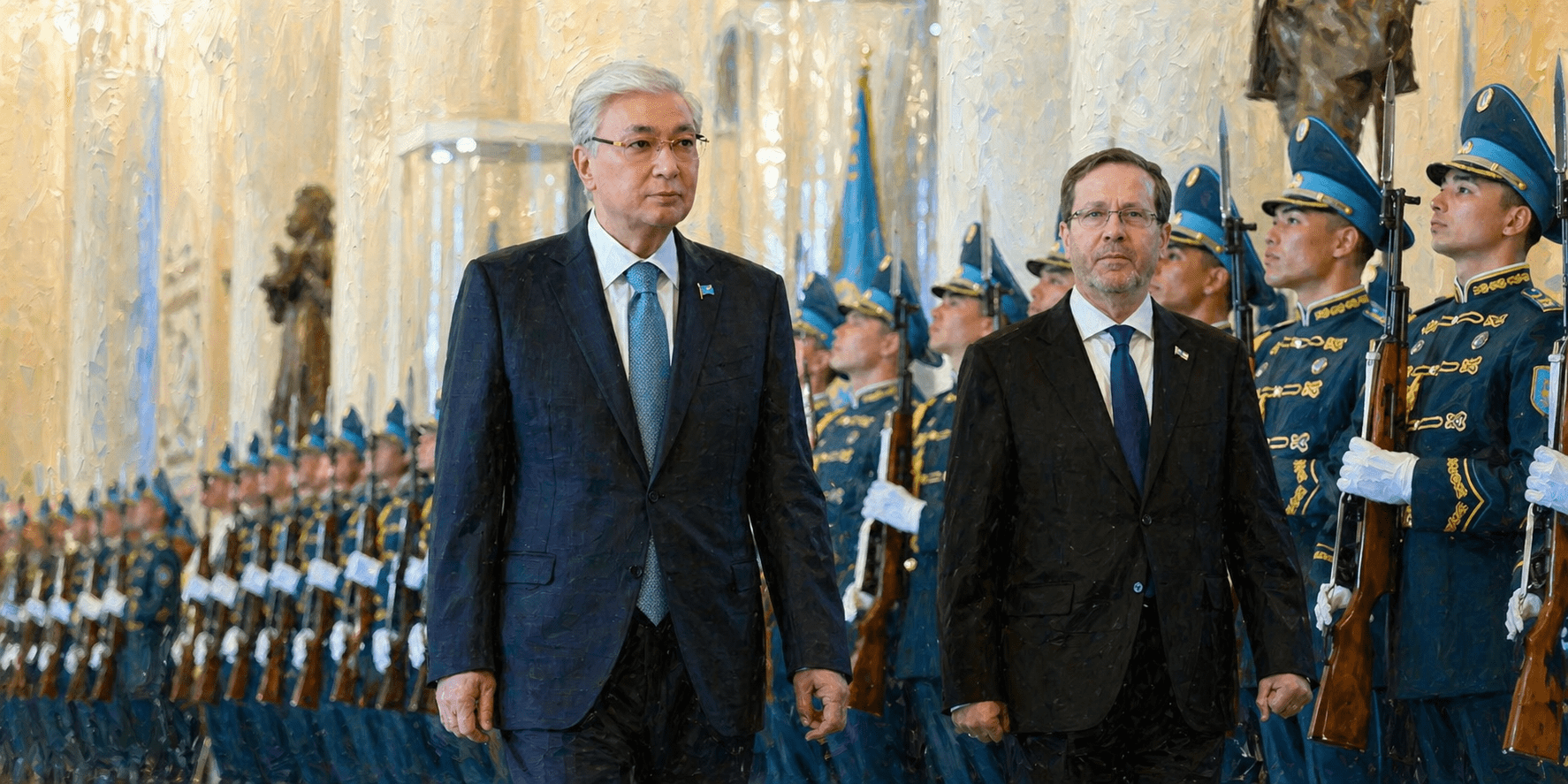
The ongoing escalation in the Middle East, with Iran at its epicenter, appears to be accelerating economic rapprochement between countries in the region and Central Asia. Kazakhstan’s diplomacy has emerged as a key driver of this process. In recent days, Kazakhstan’s foreign minister has visited several Gulf states, while Israeli President Isaac Herzog arrived in Astana on April 27 for an official visit.
Kazakhstan’s Foreign Minister Yermek Kosherbayev has visited the United Arab Emirates and Qatar. In the UAE, he delivered a written message from Kassym-Jomart Tokayev to President Sheikh Mohammed bin Zayed Al Nahyan on bilateral relations, and held talks with Deputy Prime Minister and Minister of Foreign Affairs Sheikh Abdullah bin Zayed Al Nahyan.
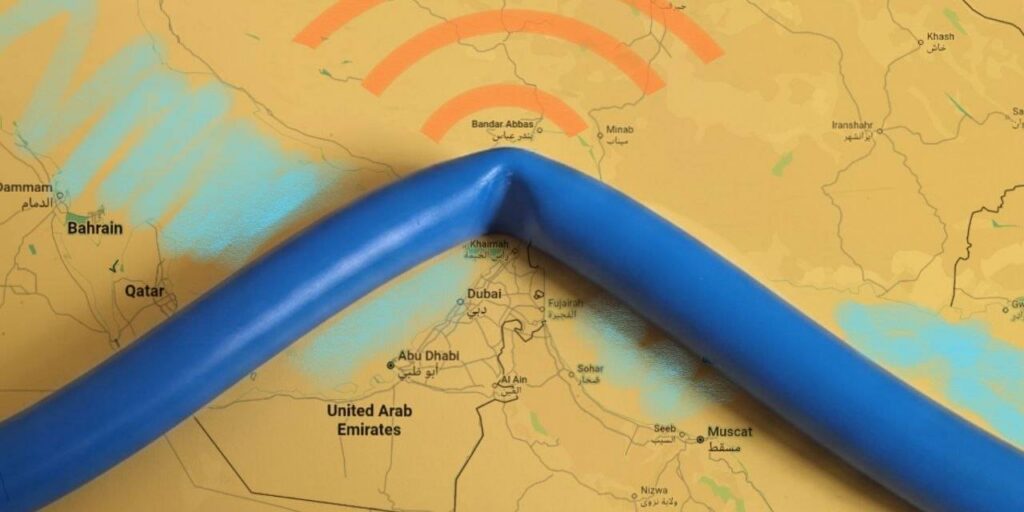
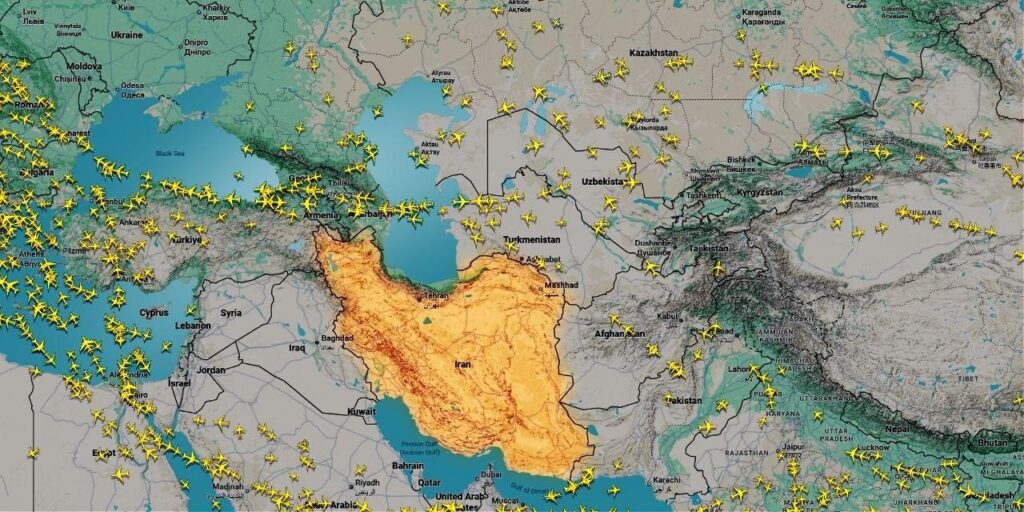
The sides discussed the consequences of Iranian missile strikes on the UAE and other countries, as well as their impact on international shipping security, energy supply, the global economy, and regional stability. Kosherbayev reaffirmed Kazakhstan’s support for the UAE in taking measures to protect its sovereignty, territorial integrity, and the safety of citizens and residents. Senior UAE officials responsible for energy and sustainable development also participated in the meeting.
In Qatar, the minister met with Prime Minister and Foreign Minister Sheikh Mohammed bin Abdulrahman Al Thani. Discussions focused on investment cooperation, with both sides emphasizing the importance of implementing joint projects in priority sectors such as energy, telecommunications, digital technologies, agriculture, and transport and logistics.
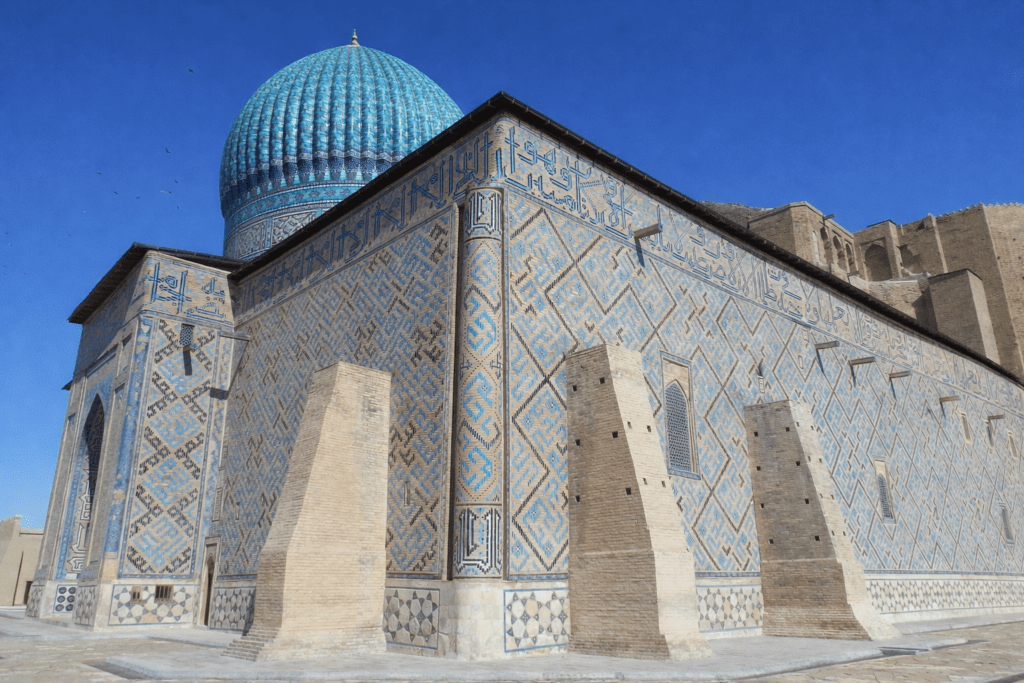
Regional escalation was also addressed, with Kosherbayev reiterating that President Tokayev’s proposal to host peace negotiations in Turkestan remains in place.
While in Qatar, the minister also met with the leadership of Power International Holding and Milaha. Talks with Power International Holding Chairman Moutaz Al-Khayyat focused on cooperation in gas processing, natural gas transportation, and electricity generation.
Transport and transit issues were central to discussions with Milaha CEO Fahad Saad Al-Qahtani. The parties explored opportunities to develop multimodal transport and expand access to port infrastructure, which could significantly increase cargo transit through Kazakhstan’s Caspian ports.
Kazakhstan’s engagement with Middle Eastern countries is increasingly reciprocal. Representatives from the region are also visiting Astana. Recently, Oman’s Deputy Prime Minister for Economic Affairs, Sayyid Theyazin bin Haitham Al Said, visited Kazakhstan.
President Tokayev, who received him, expressed support for the people of Oman during the current period of regional instability. According to the presidential press service, the sides discussed expanding trade and economic cooperation, with a focus on energy, metallurgy, transport and logistics, agriculture, and digitalization. They also emphasized the importance of strengthening cultural and humanitarian ties.
At the conclusion of the meeting, Tokayev awarded Theyazin bin Haitham Al Said the Order of Dostyk (Friendship), First Class, for his contribution to strengthening bilateral cooperation.
Kazakhstan and Oman currently maintain a joint portfolio of five major investment projects worth $3 billion. Two projects worth $1.1 billion, covering energy and railway transport, have already been implemented, while additional projects in ore processing are under development.
The following day, in the presence of Olzhas Bektenov, Samruk-Kazyna and the Oman Investment Authority signed a Heads of Terms agreement on investment cooperation. The document provides for the implementation of projects in priority sectors, including industry, energy, healthcare, logistics, and mining, with investments directed toward both existing assets and new projects in Kazakhstan and Oman.
Astana is now hosting President Isaac Herzog, which is expected to continue the intensified dialogue that began last year with the visit of Knesset Speaker Amir Ohana. In January 2026, Israeli Foreign Minister Gideon Sa’ar visited Astana for the first time in 16 years. During that visit, the sides held the 12th round of political consultations and organized a business forum in B2B and B2G formats, laying the groundwork for new joint projects.
Experts note that Kazakhstan currently enjoys a positive perception in Israel in light of recent political decisions by its leadership.
“In Israel, Kazakhstan’s active and constructive position is generally viewed positively, particularly its willingness to engage in broader conflict-resolution formats, including possible alignment with the logic of the Abraham Accords. There is also recognition of Kazakhstan’s initiatives to participate in international mechanisms aimed at stabilizing the situation in Gaza,” said Israeli political analyst Yuri Bocharov.
Kazakhstan’s growing focus on the Middle East and its efforts to deepen cooperation with Arab states and Israel reflect not only geopolitical positioning but also a clear economic rationale. Sustained improvements in living standards depend on a steady inflow of foreign investment and advanced technologies both of which Gulf states and Israel can provide.