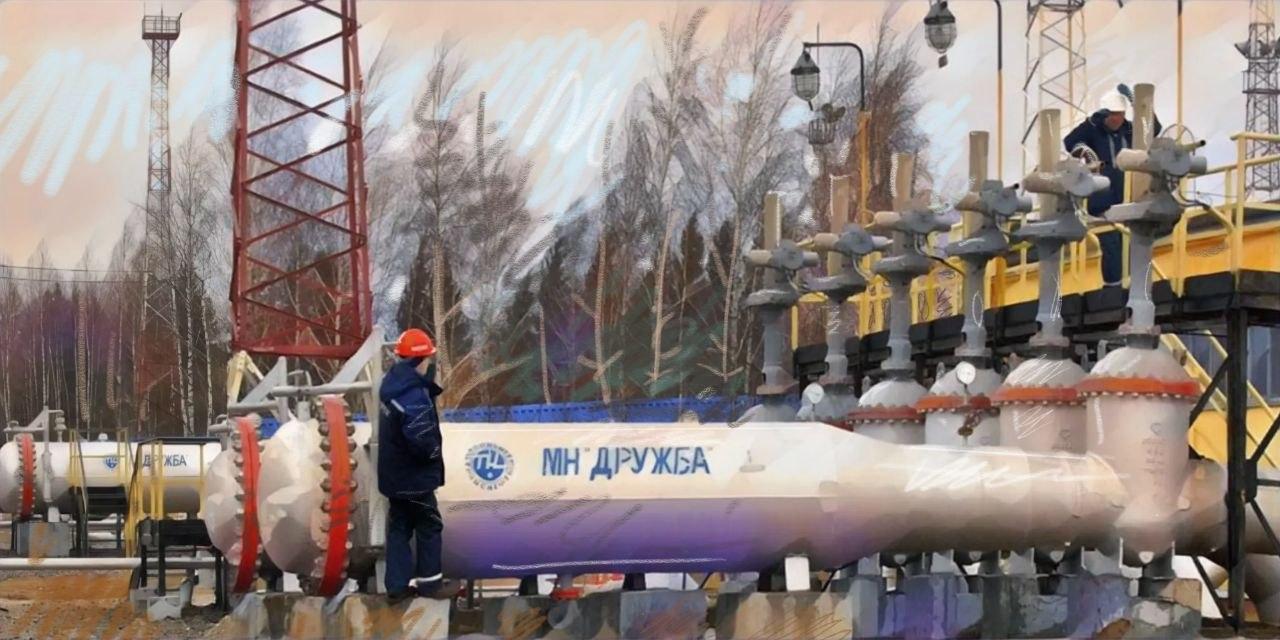
Russia will stop the transit of Kazakh oil to Germany through the Druzhba pipeline from May 1 according to Reuters, disrupting a route that Berlin had built up after ending direct Russian crude imports. The move affects supplies to the PCK refinery in Schwedt, a major fuel plant for Berlin and Brandenburg. Russia’s Deputy Prime Minister Alexander Novak said the change would begin because of “technical possibilities.”
Germany’s economy ministry said Rosneft Germany, which remains under German trusteeship, had informed the Federal Network Agency that transit of Kazakh crude through Russian territory to PCK would be prohibited from that date. The ministry added that the Russian government had not directly notified Berlin. Germany’s economy ministry said the stoppage did not threaten fuel supply and that existing alternatives would be used.
About 17% of PCK Schwedt’s current crude supply comes from Kazakh oil delivered through the Druzhba pipeline. Germany’s economy ministry said that “existing options will be utilized to ensure security of supply in Germany” and that the halt “did not put the security of supply of petroleum products in jeopardy.”
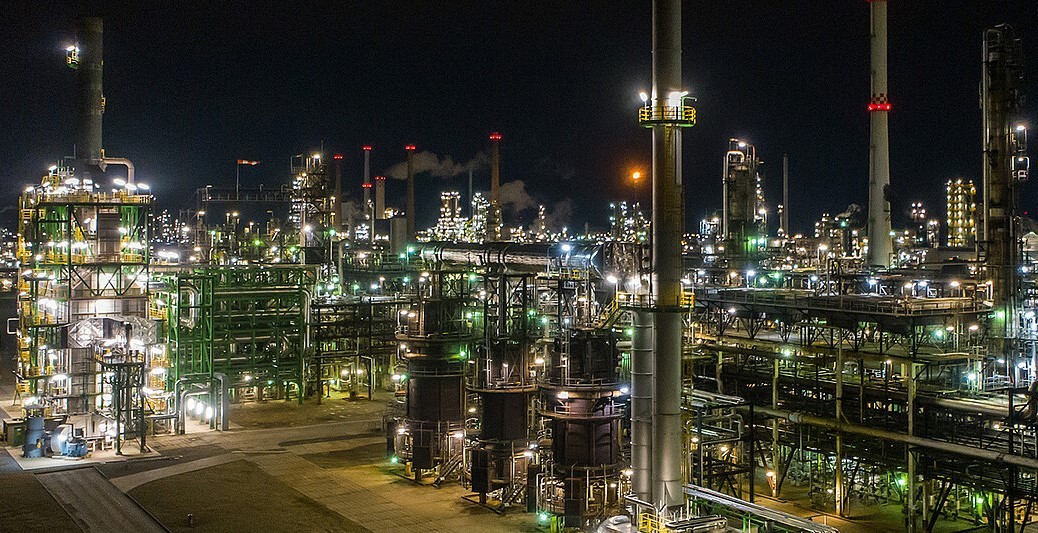
Image: pck.de/
However, the halt still exposes Germany’s reliance on a route that runs through Russia. Schwedt can process up to 12 million metric tons of oil a year and is a major fuel supplier for Berlin and Brandenburg, so any disruption attracts close attention even if replacement volumes can be found elsewhere. Germany has already looked at alternative deliveries through Rostock and Gdansk.
Since 2023, Kazakh crude has reached Germany through Russia and Belarus via the Druzhba pipeline, giving Berlin a non-Russian source of oil and expanding Astana’s role in the European market. But the route still relied on Russian transit approval. The halt comes after two years of growth. Regular deliveries of Kazakh crude to Germany began in 2023, and in October 2025, the supply arrangement was extended through the end of 2026.
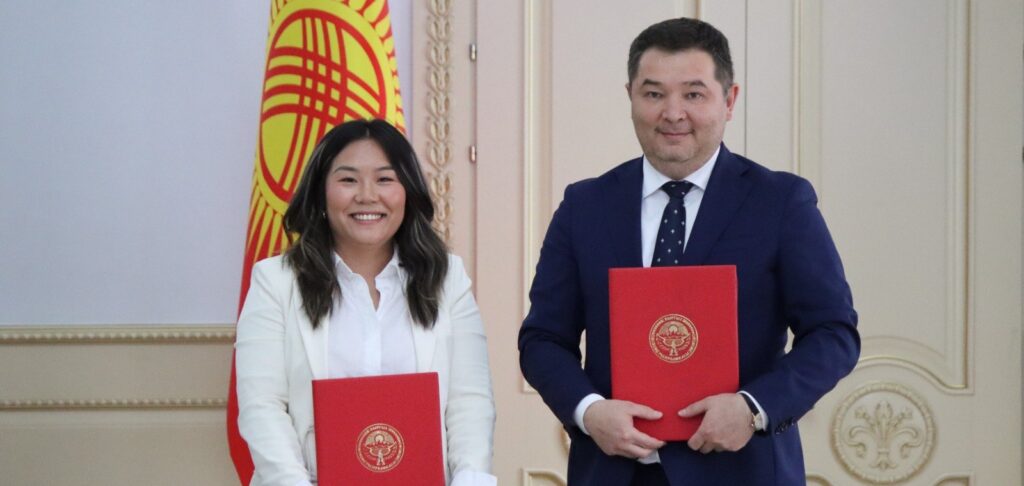
Kazakhstan had been planning to expand that trade further. During an April 7 meeting with Bavarian State Minister Eric Beißwenger, Kazakhstan’s Energy Ministry said it aimed to raise oil exports to Germany to 2.5 million tons in 2026. Reuters reported that 2.146 million metric tons were delivered in 2025 and that 730,000 tons were supplied in the first quarter of 2026. KazTransOil has separately published its first-quarter operating results.
Kazakhstan’s Energy Minister Yerlan Akkenzhenov confirmed that Druzhba transit to Germany would be halted. “For May, transit through Atyrau-Samara in the direction of the Druzhba pipeline and further to the Schwedt refinery is zero,” Akkenzhenov stated. He added that the Russian side, according to unofficial information, said it lacked the technical capability to pump Kazakh oil and that this was “most likely” linked to recent strikes on Russian infrastructure. He said transit would resume once the technical issue was resolved.
Kazakh crude sent to Germany through Druzhba first moves via the Uzen-Atyrau-Samara pipeline and then through Transneft’s system to the Adamova Zastava delivery point before reaching Schwedt. The oil is sold as KEBCO, or Kazakhstan Export Blend Crude Oil, and comes from major fields including Tengiz, Kashagan, and Karachaganak.
Russia sent mixed signals before confirming the halt. On April 21, Kremlin spokesman Dmitry Peskov said he was unaware of any plan to halt Kazakhstan’s oil transit to Germany. But just a day later, Novak publicly confirmed that supplies intended for Germany would be diverted elsewhere, leaving Germany to rely more heavily on seaborne alternatives.
The history of the Schwedt link helps explain the halt’s significance. After Russia’s full-scale invasion of Ukraine, Germany moved to replace Russian crude at the refinery, whose majority owner had been Rosneft. Kazakh oil became part of that shift. In March 2023, Germany received 100,000 tons of Kazakh crude through Druzhba, the first shipment under the new arrangement. What began as a workaround became a regular supply route.
That growth now looks less certain. Germany wanted Kazakh oil because it was a politically safer substitute for Russian crude, while the German market offered Kazakhstan a larger European outlet. But the route between those two goals still passed through Russian territory and needed Russian approval. The cutoff does not create an immediate fuel shortage in Germany, but it shows how limited diversification remains when an alternative route still runs through Russia.
The disruption also points to a broader constraint for Kazakhstan. Its oil exports still depend heavily on Russian transit, and there is no quick substitute at the same scale. Routes across the Caspian and through the South Caucasus offer alternatives, but they remain smaller and more complex. Local analysts say the volumes sent to Germany through Druzhba are relatively small in Kazakhstan’s overall export picture, at about 3 million tonnes a year, or roughly 3.7% of total oil exports. But a prolonged suspension could still raise transport costs and uncertainty for exporters.
The May halt goes beyond one refinery and one month’s schedule. Europe can buy Kazakh oil instead of Russian crude, and Kazakhstan can sell more barrels to Europe, but the route between them still runs through Russia. As long as that remains the case, both sides stay exposed to decisions taken in Moscow.