• KGS/USD = 0.01144 0%
  • KZT/USD = 0.00211 0%
  • TJS/USD = 0.10460 0%
  • UZS/USD = 0.00008 0%
  • TMT/USD = 0.28571 0.28%
  • KGS/USD = 0.01144 0%
  • KZT/USD = 0.00211 0%
  • TJS/USD = 0.10460 0%
  • UZS/USD = 0.00008 0%
  • TMT/USD = 0.28571 0.28%
  • KGS/USD = 0.01144 0%
  • KZT/USD = 0.00211 0%
  • TJS/USD = 0.10460 0%
  • UZS/USD = 0.00008 0%
  • TMT/USD = 0.28571 0.28%
  • KGS/USD = 0.01144 0%
  • KZT/USD = 0.00211 0%
  • TJS/USD = 0.10460 0%
  • UZS/USD = 0.00008 0%
  • TMT/USD = 0.28571 0.28%
  • KGS/USD = 0.01144 0%
  • KZT/USD = 0.00211 0%
  • TJS/USD = 0.10460 0%
  • UZS/USD = 0.00008 0%
  • TMT/USD = 0.28571 0.28%
  • KGS/USD = 0.01144 0%
  • KZT/USD = 0.00211 0%
  • TJS/USD = 0.10460 0%
  • UZS/USD = 0.00008 0%
  • TMT/USD = 0.28571 0.28%
  • KGS/USD = 0.01144 0%
  • KZT/USD = 0.00211 0%
  • TJS/USD = 0.10460 0%
  • UZS/USD = 0.00008 0%
  • TMT/USD = 0.28571 0.28%
  • KGS/USD = 0.01144 0%
  • KZT/USD = 0.00211 0%
  • TJS/USD = 0.10460 0%
  • UZS/USD = 0.00008 0%
  • TMT/USD = 0.28571 0.28%

Kazakhstan Urges EEU Countries To Develop Transport Infrastructure

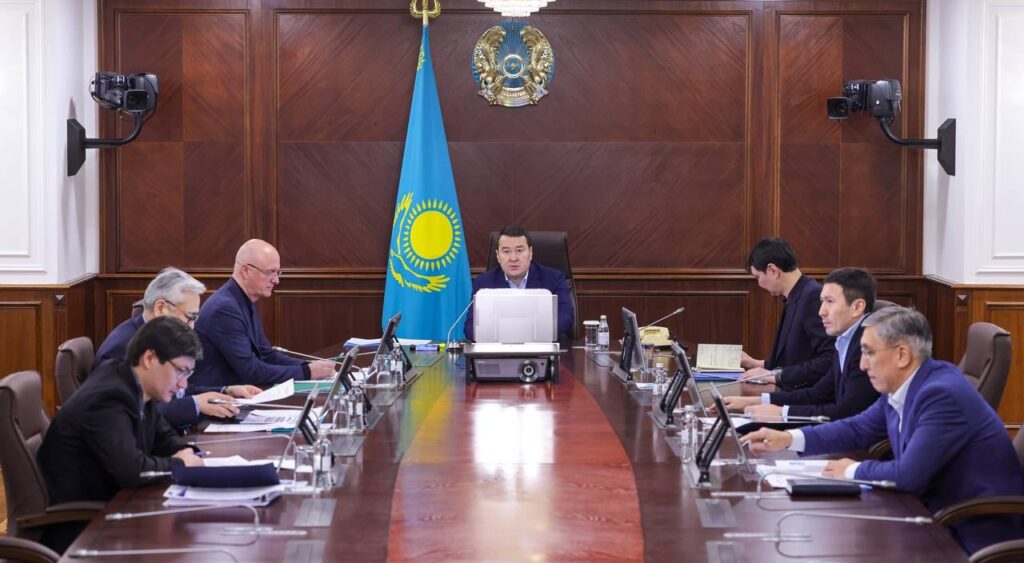
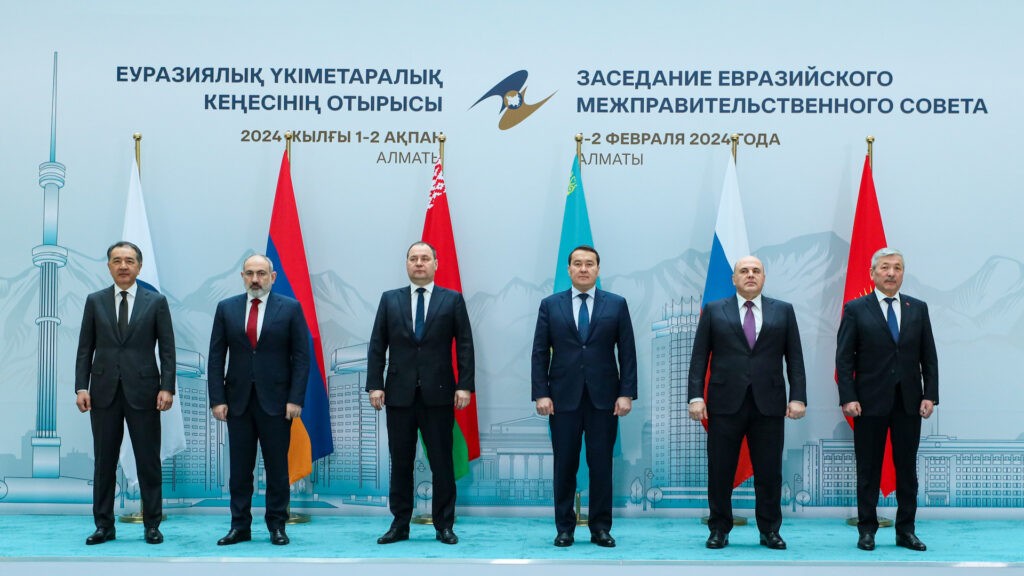
The Eurasian Economic Union (EEU) is located at the crossroads of east and west, north and south, which has always been a competitive advantage for the region, Kazakhstan’s prime minister Alikhan Smailov commented at a meeting between the heads of government of the EEU member countries in Almaty on February 2nd

The Russian-led economic bloc also includes Armenia, Belarus, Kazakhstan, and Kyrgyzstan. 

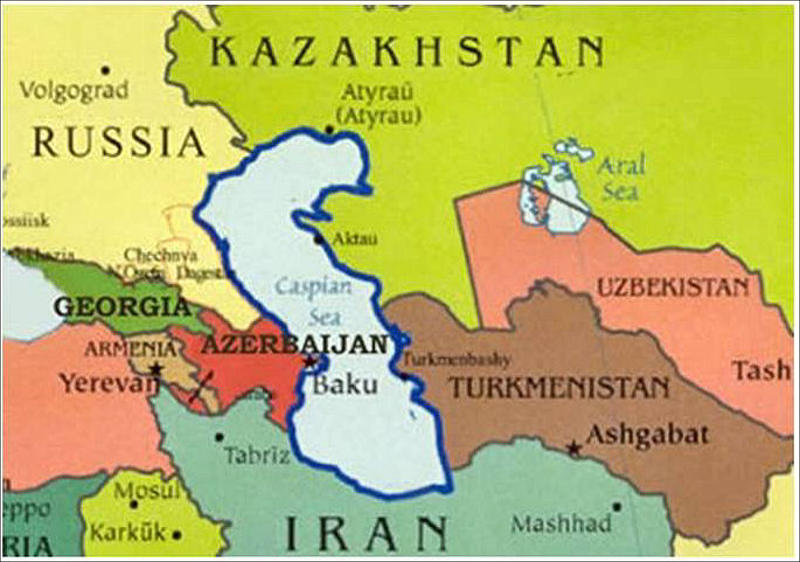
“Kazakhstan attaches special importance to the development of transit and transportation infrastructure. Over the past 15 years our country has allocated more than $35bn for this purpose. A logistics center in Lianyungang, a dry port of Khorgos, a transit highway Western Europe – Western China, a railway corridor from China to Iran have been launched. Modernization of Caspian Sea ports Kuryk and Aktau has been carried out,” Smailov said, adding that the construction of Kazakhstan’s terminal in Chinese Xi’an had been launched. Together with Russian, Turkmen, Indian and Iranian partners, work is being carried out on the eastern route of the North-South corridor.

“We consider it important to further increase the capacity of international corridors, logistics terminals and checkpoints of our countries. I invite all EEU countries to implement joint projects to develop transit and transportation infrastructure,” the Kazakh prime minister said. 

This year marks the 10th anniversary of the signing of the EEU Treaty. Today the EEU has a population of 190 million people, a labor market of over 93 million people and a GDP of $2.7 trillion. Mutual trade between EEU member states doubled from 2015 to 2022 and has now reached $85bn.
Kyrgyzstan To Breed Belgian Blue Cows

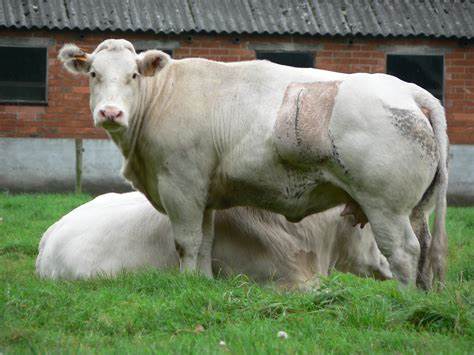
Kyrgyzstan’s Ministry of Economy and Commerce has signed an agreement with the Belgian agricultural company Ecodynamics to work together on agriculture and livestock farming, and the production, import and export of agricultural products.

The agreement was signed during a January visit to Belgium by the minister of economy and commerce Sanzhar Bolotov. During his trip Mr Bolotov visited Ecodynamics and was shown technologies for raising Belgian Blue cows. 

Mr Bolotov met with the head of Ecodynamics, and the parties agreed to work on breeding the Belgian Blue in Kyrgyzstan. 

Since the second half of the 19th century this unique breed has been Belgium’s national pride. Belgian Blue cows have a remarkably developed muscle mass and contain a huge amount of meat.

Kazakhstan’s Economy Forecast To Grow By 5.3% In 2024

In 2023 Kazakhstan began to focus on sustainable development. Last year’s economic growth was 5.1%, and in 2024 the government forecasts growth of at least 5.3%, the website of the Kazakh prime minister reported on February 5th

All major economic sectors showed positive dynamics in 2023: construction grew by 13.3%, trade by 11.3%, information and communication services by 7.1%, transport services by 6.9%, and industry by 4.3%.

Between January and September 2023 the volume of foreign direct investment amounted to $19.7bn, including more than $11bn to non-resource sectors.

From January-November 2023 Kazakhstan’s foreign trade turnover increased by 2.2% and amounted to $126bn, with exports exceeding imports by $16bn.

The country’s international reserves amounted to $96bn, including the assets of the National Fund that increased by $4bn to over $60bn.

Last year inflation fell by more than half, to 9.8%. In 2024 the government’s target is to keep inflation in the range of 6-8%.

UNDP Supports Sustainable Development of Caspian Region

A roundtable discussion on Central Asia’s cooperation with the European Union was held on February 2nd at the United Nations Development Programme (UNDP) Office in Brussels, Belgium. The event brought together representatives from UNDP, the European Commission, and ambassadors of Central Asian countries to the EU. 

The participants discussed ways to boost sustainable economic growth in the region by creating partnerships to ensure a steady supply of critical raw materials, and enhancing the efficiency of the Trans-Caspian Corridor, also known as the Middle Corridor. The participants also emphasized the importance of supporting the transition of Central Asian economies towards environmentally friendly and sustainable systems, in line with their climate commitments on emissions.

Katarzyna Wawiernia, the UNDP resident representative in Kazakhstan, emphasized the significance of the Trans-Caspian Corridor and the sustainable development of the Caspian region overall. “We recommend adopting a sustainable landscape management approach for the future development of the Caspian region. In this regard, UNDP, in partnership with the Government of Kazakhstan, is planning a large-scale initiative to promote an integrated ecosystem-based approach to conserve key species and habitats of the Caspian Sea and ensure sustainable economic development for local communities. Throughout its history, the Caspian Sea has been a significant source of biological resources. They make up a single ecosystem that requires strong protection from natural and people-made factors,” Ms Wawiernia said. 

Understanding the Changes in the Kazakhstan Government

On February 5th, President Tokayev dismissed the country’s government by signing a decree on its’ resignation. The move was expected following weeks of discontent expressed by the president.

On an aggregate level, the country has had a successful 2023. Significant reforms were passed and Kazakhstan made substantial diplomatic gains. Economic growth was near 5%, and $13.3 billion in foreign investment was secured in the first six months of 2023. This was achieved despite supply chain disruptions brought on by the Russia-Ukraine war.

However, Smailov’s and his cabinet have failed to reel in inflation and attract additional investments to the country. The Ministry of Finance of Kazakhstan, did not succeed in preparing a new Tax Code of Kazakhstan. The Minister of Emergency Situations is also under fire for its dysfunctional earthquake early warning systems which became known during a recent quake that scared Almaty residents.

While certain ministers are anticipated to retain their positions, others are expected to be replaced. The Presidential Administration, along with Tokayev, have consistently shown their willingness to make bold decisions when required.

Kazakhstan’s Government Resigns Amidst Sweeping Reforms

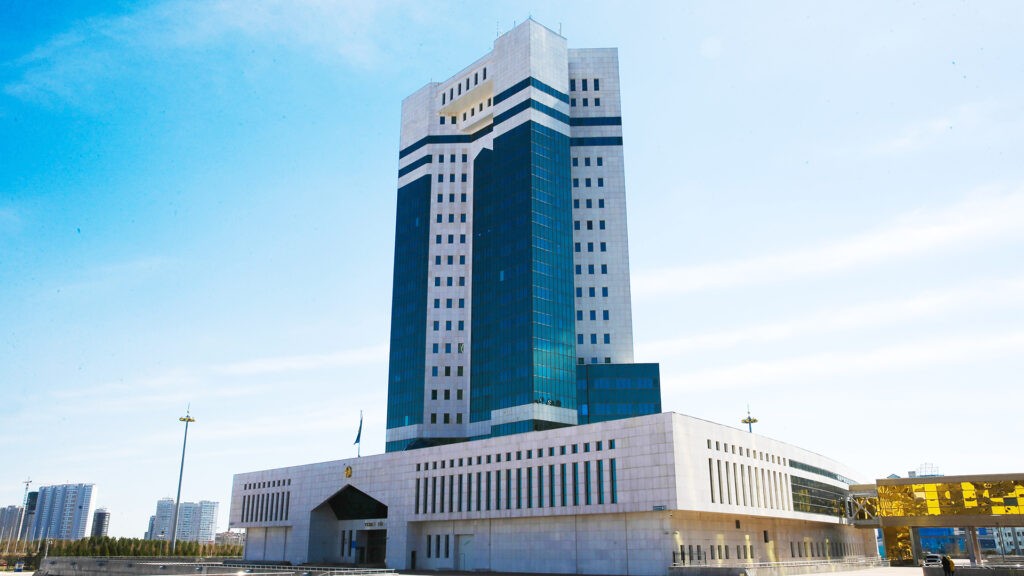
President Kassym-Jomart Tokayev has dismissed the country’s government by signing a decree on its’ resignation. According to the Constitution of Kazakhstan, First Deputy Prime Minister Roman Sklyar will temporarily perform the duties of Prime Minister (PM). At the same time, all other ministers will continue to work in the same mode until the head of state approves the composition of the new government.

The resignation of former Prime Minister Alikhan Smailov’s government underscores a shift in Kazakhstan’s political scene. Smailov assumed office on January 11th, 2022, following public discontent that erupted into riots. During his tenure, many events transpired, but the most memorable for the population were serious problems with municipal heating in a number of regions; forest fires in the Kostanay and Abay regions; explosions at mines in the Karaganda region, and the earthquake in Almaty. All this evoked plenty of criticism regarding the composition of the government.

While the precise reasons behind the resignation remain undisclosed, it serves to highlight the dynamic nature of politics in Kazakhstan. Further details, including the process of this transition and potential candidates for the roles vacated, are expected in the next two days following an extended meeting of the government with the participation of Tokayev.

Prior to the government’s resignation, Tokayev had increasingly expressed dissatisfaction with progress in addressing socioeconomic issues and stagnation in general. Over the past two years, Tokayev has implemented sweeping reforms aimed at democratizing the country and breaking up economic monopolies.

“In Kazakhstan and in general, a change of government is perceived as a crisis phenomenon, but it is by no means a crisis phenomenon here,” said Director of the Eurasian Monitoring Center, Alibek Tazhibayev. “One should proceed from the fact that the economic and political situation is changing. Therefore, we can say that this government, which acted under the leadership of Alikhan Smailov for more than two years, coped with their key tasks. They had the main goal of passing deep-rooted reforms, holding a referendum, launching the mechanism of democratization, and implementing the concept of a ‘Listening State’.”

In a post on his Facebook account, Smailov expressed his “gratitude to President Kassym-Jomart Tokayev for his trust in heading the Kazakh government in such a difficult time. These two years were a turning point for the society,” he stated.