• KGS/USD = 0.01144 0%
  • KZT/USD = 0.00196 -0%
  • TJS/USD = 0.10904 0%
  • UZS/USD = 0.00008 0%
  • TMT/USD = 0.28490 0%
  • KGS/USD = 0.01144 0%
  • KZT/USD = 0.00196 -0%
  • TJS/USD = 0.10904 0%
  • UZS/USD = 0.00008 0%
  • TMT/USD = 0.28490 0%
  • KGS/USD = 0.01144 0%
  • KZT/USD = 0.00196 -0%
  • TJS/USD = 0.10904 0%
  • UZS/USD = 0.00008 0%
  • TMT/USD = 0.28490 0%
  • KGS/USD = 0.01144 0%
  • KZT/USD = 0.00196 -0%
  • TJS/USD = 0.10904 0%
  • UZS/USD = 0.00008 0%
  • TMT/USD = 0.28490 0%
  • KGS/USD = 0.01144 0%
  • KZT/USD = 0.00196 -0%
  • TJS/USD = 0.10904 0%
  • UZS/USD = 0.00008 0%
  • TMT/USD = 0.28490 0%
  • KGS/USD = 0.01144 0%
  • KZT/USD = 0.00196 -0%
  • TJS/USD = 0.10904 0%
  • UZS/USD = 0.00008 0%
  • TMT/USD = 0.28490 0%
  • KGS/USD = 0.01144 0%
  • KZT/USD = 0.00196 -0%
  • TJS/USD = 0.10904 0%
  • UZS/USD = 0.00008 0%
  • TMT/USD = 0.28490 0%
  • KGS/USD = 0.01144 0%
  • KZT/USD = 0.00196 -0%
  • TJS/USD = 0.10904 0%
  • UZS/USD = 0.00008 0%
  • TMT/USD = 0.28490 0%
08 December 2025

Iran to Provide Kazakhstan with Irrigation Technology

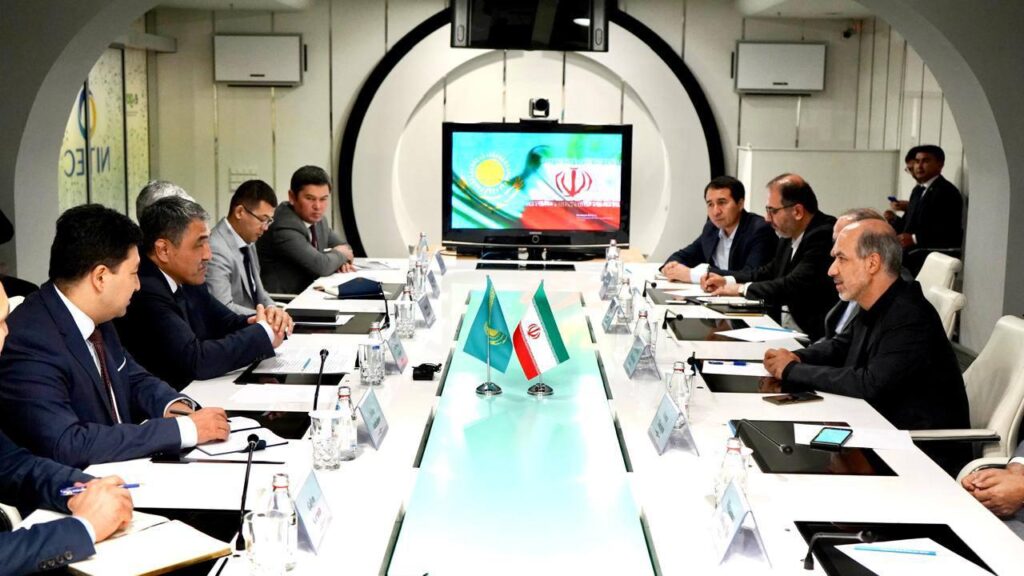
The exchange of experience and technologies to reduce water loss during the transportation and irrigation of crops was discussed at a meeting between the Minister of Water Resources and Irrigation of Kazakhstan, Nurzhan Nurzhigitov, and the Iranian Ambassador to Kazakhstan, Ali Akbar Joukar.

Iranian companies expressed their readiness to provide Kazakhstan with modern irrigation systems, including groundwater and automatic drip irrigation systems that deliver moisture directly to plants’ roots. Introducing these technologies in Iran has significantly reduced water consumption in rice cultivation, while increasing yields.

“We have already started large-scale work on constructing and reconstructing reservoirs and other water management facilities. Iranian companies have rich experience in this field and are developing effective technologies, some of which are already working in Kazakhstan. For example, irrigation networks are being reconstructed in Zhambyl and Turkestan provinces. Therefore, I would like to invite businessmen from Iran to our country to participate in tenders for the construction and repair of water infrastructure,” Nurzhigitov stated.
Diplomatic Scandal: Kyrgyz Ambassador Fired for “Khanate of Permissiveness”

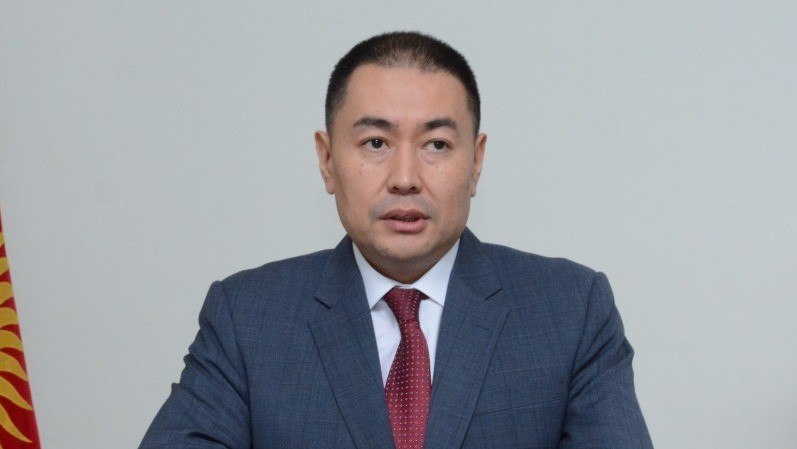
The staff of the Kyrgyz diplomatic mission in Pakistan appealed to the leadership of the Foreign Ministry with a request to take action against Ambassador Ulanbek Totuyaev. According to the staff of the diplomatic mission, Totuyaev “has organized himself a Khanate of permissiveness in the foreign office entrusted to him.” The diplomat has been removed from his post by presidential decree.

The press service of the Kyrgyz Ministry of Foreign Affairs said that Totuyaev grossly violated the rights of his subordinates by giving them assignments that had nothing to do with the work of a diplomatic officer. “He treated his subordinates unethically, did not solve their everyday problems, and arranged terrible living conditions, driving them into cramped dormitory-type apartments. At the same time, he and his family lived in a separate residence with luxuries, including security,” the Foreign Ministry stated.

According to diplomats working in Pakistan, four cars are assigned to the Kyrgyz Embassy in Islamabad, two of which Totuyaev and his wife used for personal purposes.

“The board of the Kyrgyz Foreign Ministry considered this issue and recommended to the President of the Kyrgyz Republic that Totuyaev be dismissed from his post,” the ministry stated.

Totuyaev, however, disagrees with the decision. In an interview with Kyrgyz media, he claimed that the real reason for his removal was his antipathy towards Foreign Minister Zheenbek Kulubaev.

New Plant for Deep Processing of Grain in Kostanay, Kazakhstan

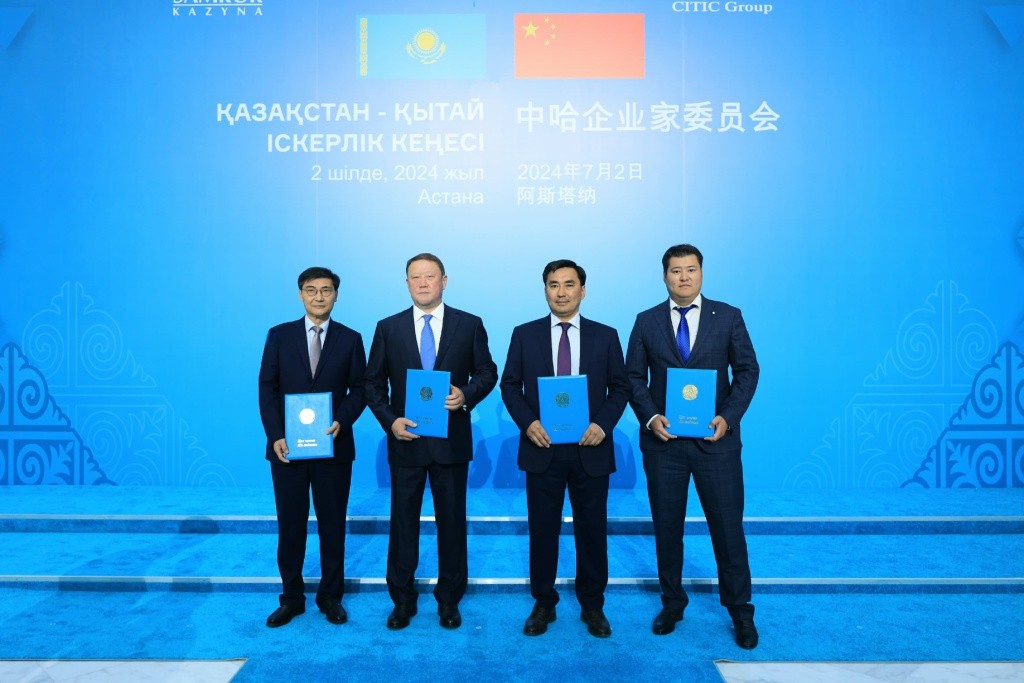
At the Kazakh-Chinese Business Council meeting in Astana on July 2, the administration of Kostanay, Baiterek Venture Fund, KazFoodProducts, and the Chinese company Myande Group signed a Memorandum of cooperation for the construction of the Qostanay Grain Industry plant in Kostanay.

As reported by Kazakh Invest, the plant for the deep processing of wheat into amino acids, bioethanol, gluten, animal feed, and wheat bran, when launched in 2027, will manufacture 430 thousand tons of products per year and create about 600 jobs.

Hailing the agreement as an important step in strengthening bilateral relations, Rong Zhen, CEO of Myande Group, stated, “We see huge potential in the agro-industrial sector of Kazakhstan, and this cooperation will increase its efficiency and manufacturability and open up new opportunities for Kazakh products to enter the Chinese market.”

Alikhan Kairatbek, CEO of KazFoodProducts, added: “Based on the quadripartite agreement, it is planned to increase the production of starch molasses to 33 thousand tons per year for further use by domestic confectionery companies. New jobs will be created. Together with the Akimat (administration) of Kostanay region and Baiterek Venture Fund, we are launching large–scale projects in the field of agriculture and are very pleased to have a strategic partnership with Myande Group.”

Myande Group will also upgrade the AsiaGrowFood plant for deep processing of corn in the Almaty region to increase its production from 200 to 300 tons per day.

Deep processing of grain is one of the most promising areas in the manufacturing industry regarding products with high added value. Kazakhstan annually harvests 16-17 million tons of grain, a third of which are exported. Over 260 different types of products with added value can be produced from grain.


AstraZeneca Manufacture of Medicines in Kazakhstan

On July 2, the British-Swedish pharmaceutical giant AstraZeneca and Kazakhstan’s SK-Pharmacy signed a long-term contract for the establishment of production and technology transfer in Kazakhstan, and the direct supply of original patented medicines manufactured in Kazakhstan by SK Pharmacy.

“Today, SK-Pharmacy and I signed an important agreement that reflects our company’s plans to produce medicines in Kazakhstan,” said Maria Shipuleva, CEO of AstraZeneca in Kazakhstan. “AstraZeneca’s innovative drugs will be produced at the site of a domestic manufacturer, Nobel Almaty Pharmaceutical Factory JSC. In particular, it is planned to contract the production of drugs for the treatment of diabetes mellitus, chronic heart failure, chronic kidney disease, for the treatment of chronic lymphocytic leukemia and mantle cell lymphoma, for the treatment of ovarian cancer, breast cancer, prostate cancer, pancreatic cancer, as well as for the treatment of non-small cell lung cancer. We hope that our activities within the framework of a long-term agreement with SK–Pharmacy will help further develop the country’s healthcare system and, most importantly, improve the quality of life of our Kazakhstani patients.”

Yerzhan Yelekeyev, Chairman of the Management Board of Kazakh Invest, commented that the long-term agreement between AstraZeneca and SK-Pharmacy LLP will provide a positive impetus to implementing an investment project for the contract production of biotechnological drugs in Kazakhstan.


Turkish Investment in Greenhouses in Kazakhstan

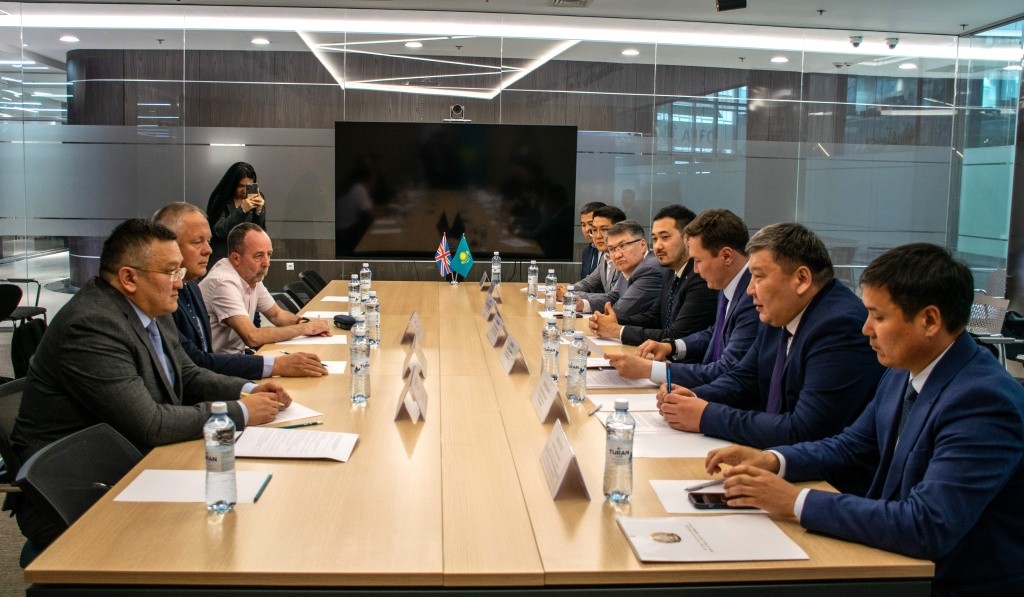
On July 2, Chairman of the Board of Kazakh Invest Yerzhan Yelekeyev, met Abbas Sahin, Vice-President of the Turkish group  Alarko, to discuss the construction of a greenhouse complex in Shymkent in South Kazakhstan.

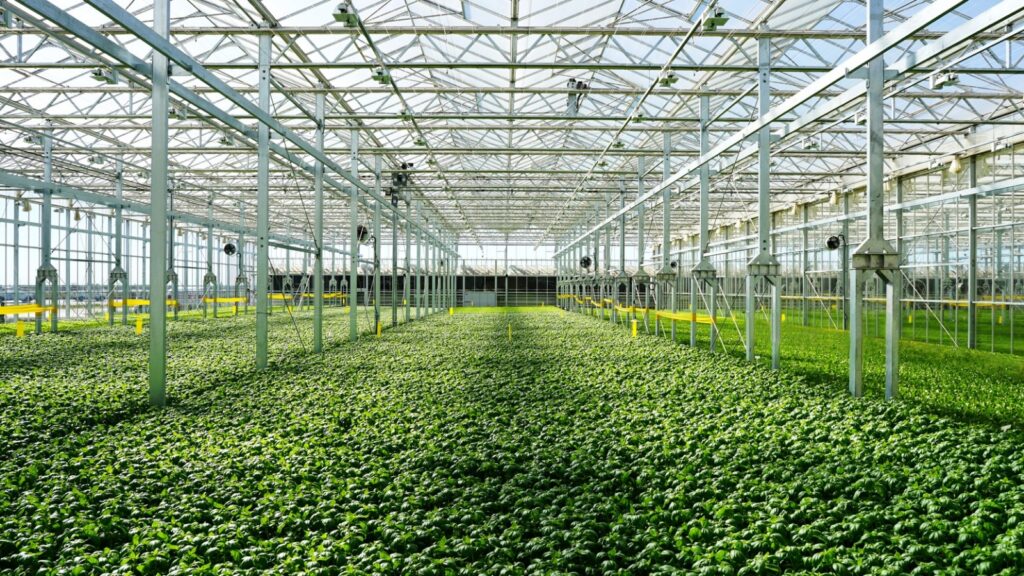
As reported by Kazakh Invest, Alarko signed a contract with the Investment Committee of the Ministry of Foreign Affairs of Kazakhstan, to invest $150 million in the country’s agro-industrial sector for the first stage of a project comprising the construction of greenhouses, spanning ​​200 hectares, and creating 1,750 jobs.

Preparations by the Turkish company for construction are now underway, with completion scheduled for 2026. Once in operation, the greenhouses aim to produce up to 50,000 tons of tomatoes per year.

“Our company has operated in your country for the last 32 years,” said Abbas Sahin. “Given the large land area and available export markets, Kazakhstan has everything necessary to develop the agro-industrial sector. We see the amount of work that has been done in creating the excellent investor protection mechanisms that are now available to investors. We trust the country and have already invested approximately $700 million into projects implemented in Kazakhstan.”

In response, Yelekeyev thanked the Turkish investor for contributing to the development of Kazakhstan’s economy and announced, “Turkey is an important partner of Kazakhstan, having implemented more than 70 projects worth $2.8 billion over the years of independence. We highly appreciate that Turkish companies continue to trust Kazakhstan and actively support measures to implement their projects successfully.”


South Korea to Build Biofuel Plant in Uzbekistan

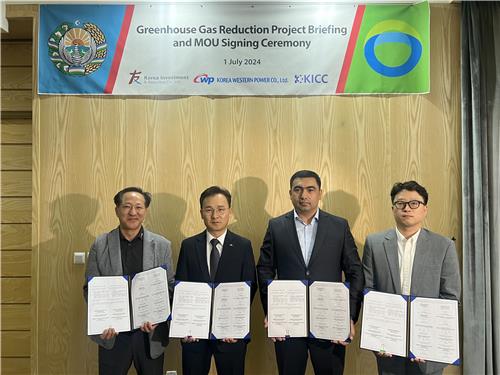
A plant producing biofuel from cotton stalks will be built in the town of Furkat in the Ferghana region of Uzbekistan with the support of South Korea’s Korea Western Power. According to Korean media, the biofuel will be offered to Uzbek farmers as an environmentally friendly alternative to coal-based greenhouse heating. Within the next ten years, this project is expected to reduce atmospheric emissions by 120,000 tons and make a profit of over $2 million dollars.

Earlier, Uzbek media reported that a South Korean institute will assist Uzbekistan in building a “smart” greenhouse for research and the cultivation of agricultural products.