• KGS/USD = 0.01144 0%
  • KZT/USD = 0.00194 -0%
  • TJS/USD = 0.10822 -0.18%
  • UZS/USD = 0.00008 0%
  • TMT/USD = 0.28571 0%
  • KGS/USD = 0.01144 0%
  • KZT/USD = 0.00194 -0%
  • TJS/USD = 0.10822 -0.18%
  • UZS/USD = 0.00008 0%
  • TMT/USD = 0.28571 0%
  • KGS/USD = 0.01144 0%
  • KZT/USD = 0.00194 -0%
  • TJS/USD = 0.10822 -0.18%
  • UZS/USD = 0.00008 0%
  • TMT/USD = 0.28571 0%
  • KGS/USD = 0.01144 0%
  • KZT/USD = 0.00194 -0%
  • TJS/USD = 0.10822 -0.18%
  • UZS/USD = 0.00008 0%
  • TMT/USD = 0.28571 0%
  • KGS/USD = 0.01144 0%
  • KZT/USD = 0.00194 -0%
  • TJS/USD = 0.10822 -0.18%
  • UZS/USD = 0.00008 0%
  • TMT/USD = 0.28571 0%
  • KGS/USD = 0.01144 0%
  • KZT/USD = 0.00194 -0%
  • TJS/USD = 0.10822 -0.18%
  • UZS/USD = 0.00008 0%
  • TMT/USD = 0.28571 0%
  • KGS/USD = 0.01144 0%
  • KZT/USD = 0.00194 -0%
  • TJS/USD = 0.10822 -0.18%
  • UZS/USD = 0.00008 0%
  • TMT/USD = 0.28571 0%
  • KGS/USD = 0.01144 0%
  • KZT/USD = 0.00194 -0%
  • TJS/USD = 0.10822 -0.18%
  • UZS/USD = 0.00008 0%
  • TMT/USD = 0.28571 0%
18 December 2025

Rosatom Begins Construction of NPP in Uzbekistan

Construction of a nuclear power plant has begun in Uzbekistan, 55 km from the border with Kazakhstan, near Tuzkon Lake in the Jizzakh region. The main contractor for this project is Rosatom, Russia’s state-owned nuclear energy company. Uzbek companies are also participating. More than three million residents of Turkestan and Shymkent live near the planned site of the nuclear power plant.

“The Russian reactor RITM-200N will be used at the new power plant,” the Ministry of Energy of Kazakhstan stated. “The reactor, an adaptation of marine technology for land-based use, has a thermal output of 190 MW and an electrical output of 55 MW with a lifespan of up to 60 years. RITM-200 reactors are used on Russian icebreakers. Reactor safety is ensured by multi-level protection systems that prevent accidents.”

Uzbekistan and Russia have been holding discussions on the NPP project since 2017. In 2019, a site near Tuzkon Lake was chosen for its development. In addition to a large nuclear power plant, there are plans to build small modular reactors with a total capacity of 330 MW.
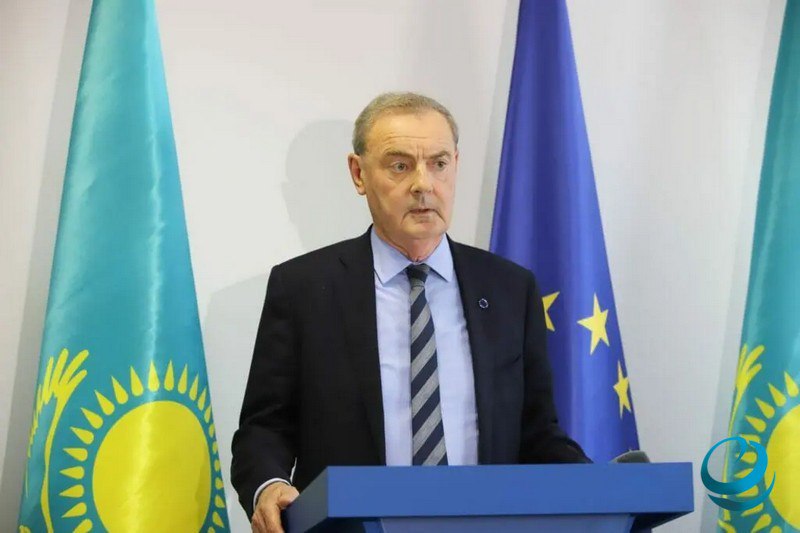
Kazakhstan and EU Negotiating on Simplification of Visa Procedures

Negotiations on simplifying visa procedures have been launched between Kazakhstan and the European Union, as announced by the EU International Special Envoy for Sanctions, David O’Sullivan, Kazinform reported. At a press conference following his visit, O’Sullivan noted the active development of relations between the EU and Kazakhstan. “We are important partners,” he stated. “The EU is Kazakhstan’s largest trading partner and the largest source of foreign direct investment. We have also established an essential strategic partnership. Within this partnership, we are also developing and committing, which is going very well now, to economic cooperation between the EU and Kazakhstan.”

O’Sullivan also spoke about the ongoing work in visa liberalization. “It is gratifying to note that we were able to launch negotiations on the simplification of visa procedures, which in turn will contribute to further strengthening of our cooperation,” he stated.

Many media outlets link the EU special envoy’s visit to Kazakhstan’s compliance with anti-Russian sanctions. However, Kazakh political scientist, Eduard Poletayev believes the meetings are just a continuation of the dialog between the EU and Kazakhstan.

“It is important to understand that the visit of the special envoy is within the framework of his duties as a high-ranking official, is not a ‘check,’ but is carried out within the framework of Kazakhstan’s agreements with the EU and was planned with the consent of Astana. Kazakhstan imposes no sanctions on Russia, and trade between the two countries continues. But the sanctions requirements of the West are observed, which has been repeatedly emphasized by the country’s leadership,” Poletaev wrote on his Telegram channel.

Uzbekistan Seeks to Boost its Jewellery Industry

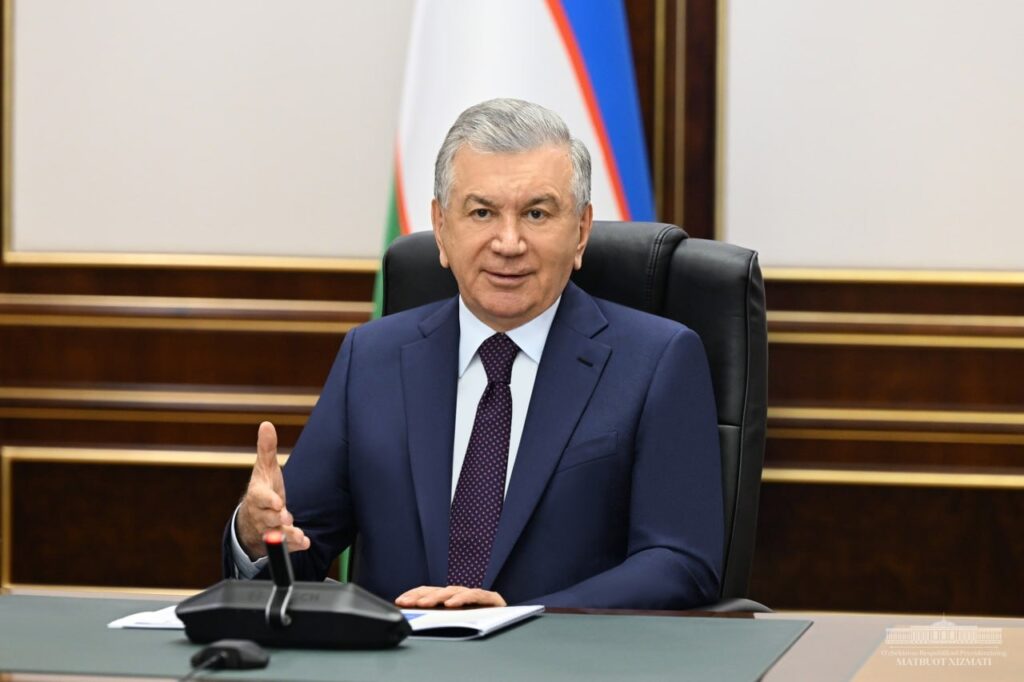
At a government meeting on June 19, plans to further develop Uzbekistan’s jewellery industry, support production and increase  exports were presented to President Shavkat Mirziyoyev.

Noting the country’s huge potential for increasing the production and export of jewellery, the president said that just 6 percent of the gold mined in Uzbekistan is processed, and exports of finished products from gold amount to only $78 million. He thus emphasized the importance of creating jewellery zones equipped to attract entrepreneurs, a review of supplies of raw materials to the industry, and training specialists in the field.

With reference to the above, the head of state issued instructions for a program to be developed to enhance the domestic jewellery industry until 2027.

The meeting also discussed piloting special jewellery centres with production, exhibition and trading areas in Tashkent and the Namangan region.

The government is considering establishing, until October 1, 2026, a zero rate of customs duty and value added tax on equipment, packaging and labelling materials used, but not produced, in Uzbekistan in the jewellery industry.

An additional proposal was mooted to establish a zero-customs duty rate for the export of Uzbek jewellery to the USA.

In January-March 2024, Uzbekistan exported gold worth $2.66 billion. In the first quarter of the year, revenues from gold exports comprised 41.7% of the country’s total exports. In 2023, gold exports accounted for 33.4%, or $8.1 billion, of Uzbekistan’s total export volume.


Malaysian and Chinese Companies to Aid Development of Green Energy in Uzbekistan

A cooperation agreement has been signed between Uzbekistan’s Yashil Energy, Malaysia’s Fabulous Sunview, and China’s Huawei Tech. Investment Tashkent.

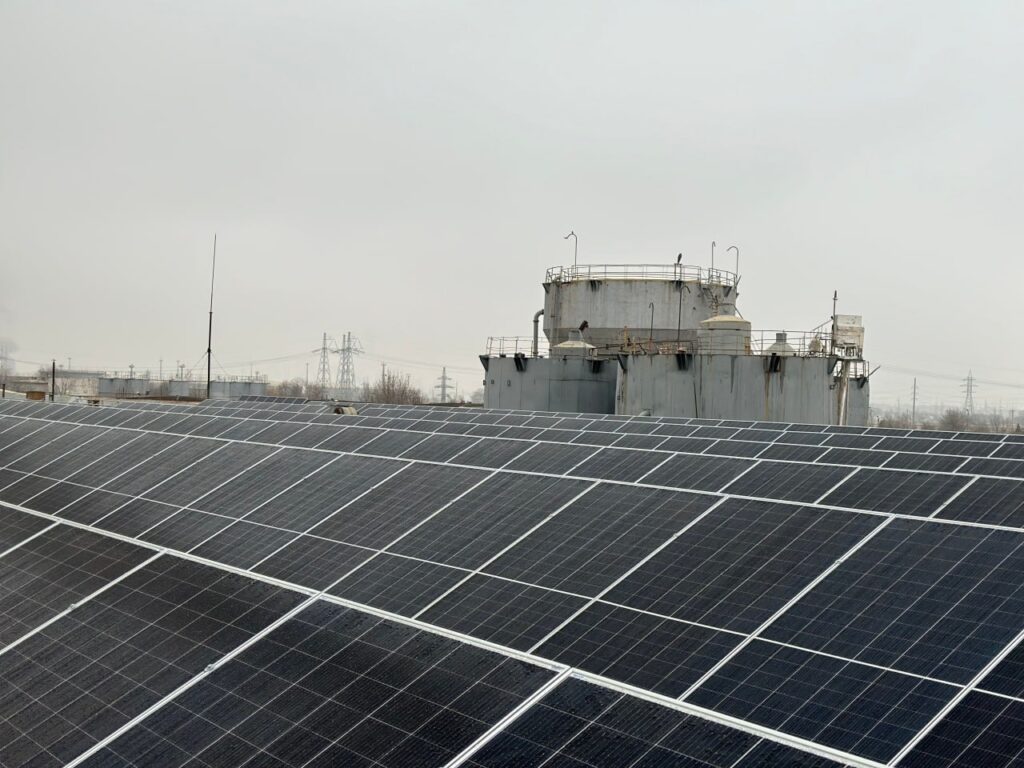
According to a report by  the Uzbek Ministry of Energy, the agreement provides for the joint development of green energy in Uzbekistan and construction of small solar photovoltaic stations with a capacity of 50 MW on the roofs of social facilities, government agencies, and other organizations.

The document was signed during the 17th International Conference and Exhibition on “Electricity Production Using Solar Photovoltaic Stations and Smart Energy” held in Shanghai from 13-15 June.


Kazakhstan Offers Low-Interest Loans for Agro-Industrial Sector

Kazakhstan’s Ministry of Agriculture has announced changes to rules concerning loans to agro-industrial projects.

The new rules aim to both stimulate the development of Kazakhstan’s agro-industrial sector and create new or expand existing production facilities.

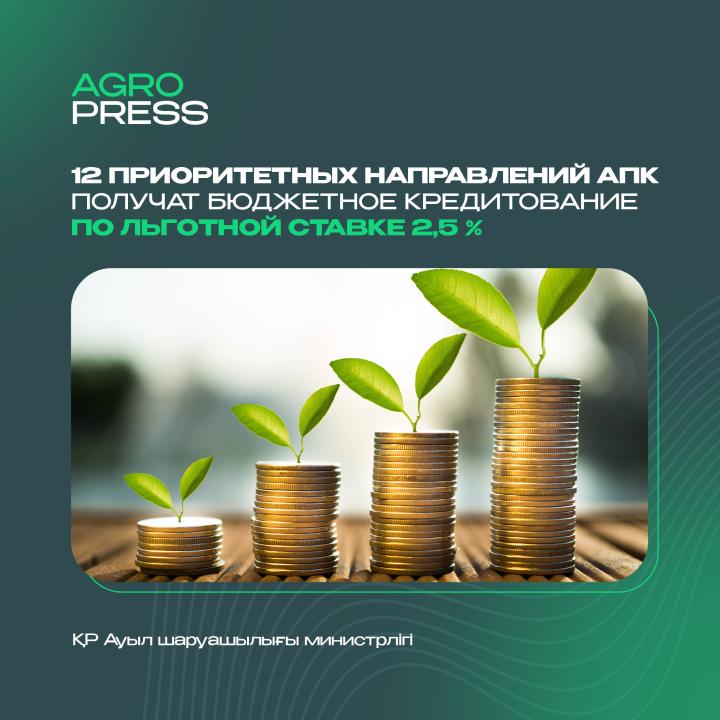
Entrepreneurs will now be able to implement their projects using state loan funds at a preferential rate of 2.5% for up to 10 years. The maximum loan is 5 billion tenge.

Loans will be prioritized for projects in twelve key areas including the creation of dairy farms, poultry farms for meat production, meat livestock enterprises, vegetable storage facilities, irrigated agriculture using modern water-saving technologies, industrial greenhouse complexes, fruit storage facilities, fish farming, fish processing enterprises, breeding reproducers in poultry farming, deep processing and storage of agricultural products, and production of packaging materials.


 ‘Save the Berkuts’ Campaign Launched in Kazakhstan

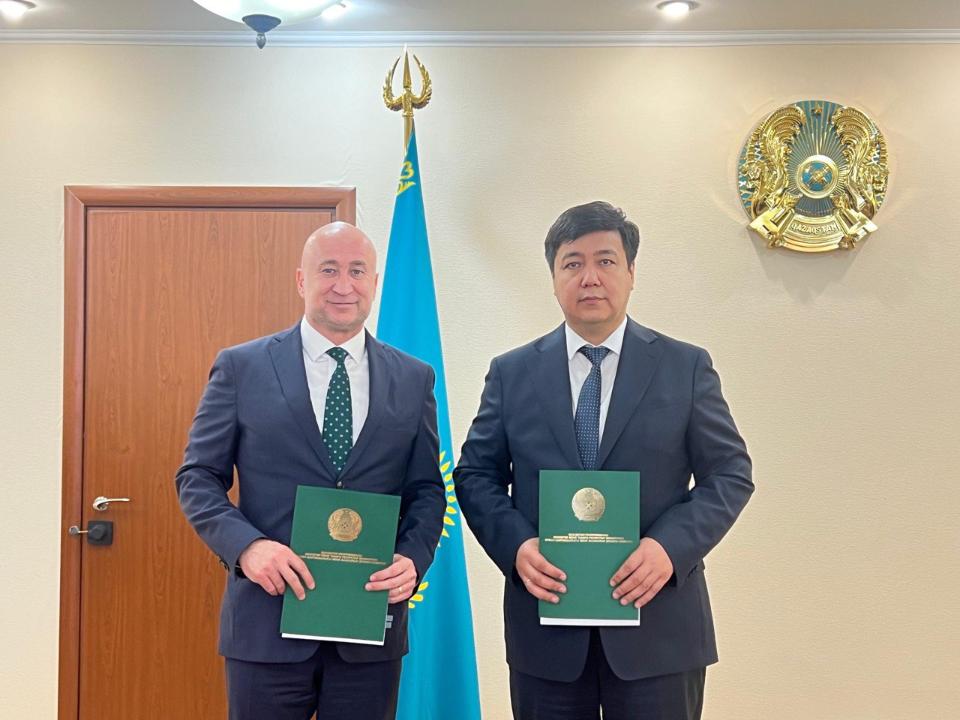
On June 19, the Ministry of Ecology and Natural Resources of Kazakhstan and Efes Kazakhstan signed a Memorandum to implement “Save the Berkuts”; a campaign aimed to preserve and restore Kazakhstan’s population of golden eagles.

The Asian golden eagle known as a berkut, is revered as a living emblem of the country’s culture and history and symbolizing Kazkhstan’s national identity, was incorporated into the country’s flag designed by Shaken Niyazbekov in 1992.

With a wingspan of up to two metres, it is the largest member of the hawk family and a formidable hunter,  plays a crucial role in controlling numbers of rabbits, hares, marmots, foxes and even deer. Integral to Kazakhstan’s heritage, the berkut has been famously used by traditional hunters for centuries but its population is now threatened by a gradual destruction of its natural habitat, persecution, and illegal poaching.

In recent years, the bird has been officially protected by the state and is included in the International Union for Conservation of Nature’s list of protected species.

“Save the Berkuts”  is a continuation of a project implemented by Efes Kazakhstan from 2012 to 2019. During this period, 25 golden eagles were bred and released into the wild around Almaty, leading to a significant increase in their numbers in the region.

As part of the new campaign, supported by the Ministry of Ecology and Natural Resources, Efes Kazakhstan has pledged funding to boost and protect the population of wild eagles through expeditions and the maintenance of breeding programmes until 2034.

Welcoming the initiative, the ministry stated that the memorandum demonstrates the joint efforts of the state and private business in preserving the natural heritage of Kazakhstan.