• KGS/USD = 0.01144 0%
  • KZT/USD = 0.00212 0%
  • TJS/USD = 0.10432 0%
  • UZS/USD = 0.00008 0%
  • TMT/USD = 0.28490 0%
  • KGS/USD = 0.01144 0%
  • KZT/USD = 0.00212 0%
  • TJS/USD = 0.10432 0%
  • UZS/USD = 0.00008 0%
  • TMT/USD = 0.28490 0%
  • KGS/USD = 0.01144 0%
  • KZT/USD = 0.00212 0%
  • TJS/USD = 0.10432 0%
  • UZS/USD = 0.00008 0%
  • TMT/USD = 0.28490 0%
  • KGS/USD = 0.01144 0%
  • KZT/USD = 0.00212 0%
  • TJS/USD = 0.10432 0%
  • UZS/USD = 0.00008 0%
  • TMT/USD = 0.28490 0%
  • KGS/USD = 0.01144 0%
  • KZT/USD = 0.00212 0%
  • TJS/USD = 0.10432 0%
  • UZS/USD = 0.00008 0%
  • TMT/USD = 0.28490 0%
  • KGS/USD = 0.01144 0%
  • KZT/USD = 0.00212 0%
  • TJS/USD = 0.10432 0%
  • UZS/USD = 0.00008 0%
  • TMT/USD = 0.28490 0%
  • KGS/USD = 0.01144 0%
  • KZT/USD = 0.00212 0%
  • TJS/USD = 0.10432 0%
  • UZS/USD = 0.00008 0%
  • TMT/USD = 0.28490 0%
  • KGS/USD = 0.01144 0%
  • KZT/USD = 0.00212 0%
  • TJS/USD = 0.10432 0%
  • UZS/USD = 0.00008 0%
  • TMT/USD = 0.28490 0%

Kazakhstan in 80th Place in New Global Ranking of Average Wages

In a new ranking of the gross average salary in 196 countries recently published by CEO World Magazine, Kazakhstan is in 80th place. The average wage in the country amounts to $673 per month.

Salaries are highest in the oil-producing western Atyrau and Mangystau regions, followed by the capital city Astana, and business capital Almaty. Wages are lowest in the southern regions of Zhambyl, Zhetysu and Turkestan, as well as in the North Kazakhstan region.

Gross wages are the total sum of wages before taxes and other deductions, such as contributions to pension funds, health insurance, and others.

Kazakhstan has the highest average salaries in Central Asia, followed by Turkmenistan ($654 per month), Uzbekistan ($351), Kyrgyzstan ($228) and Tajikistan ($169).

The CEO World ranking states that in the first quarter of 2024, the average monthly nominal salary of workers in Kazakhstan amounted to 382,000 tenge ($844), which is 12.2% more in value terms than a year earlier. The index of real wages amounted to 102.7%, which shows an increase in purchasing power of 2.7%.

Focus on Central Asia’s Acute Shortage of Drinking Water

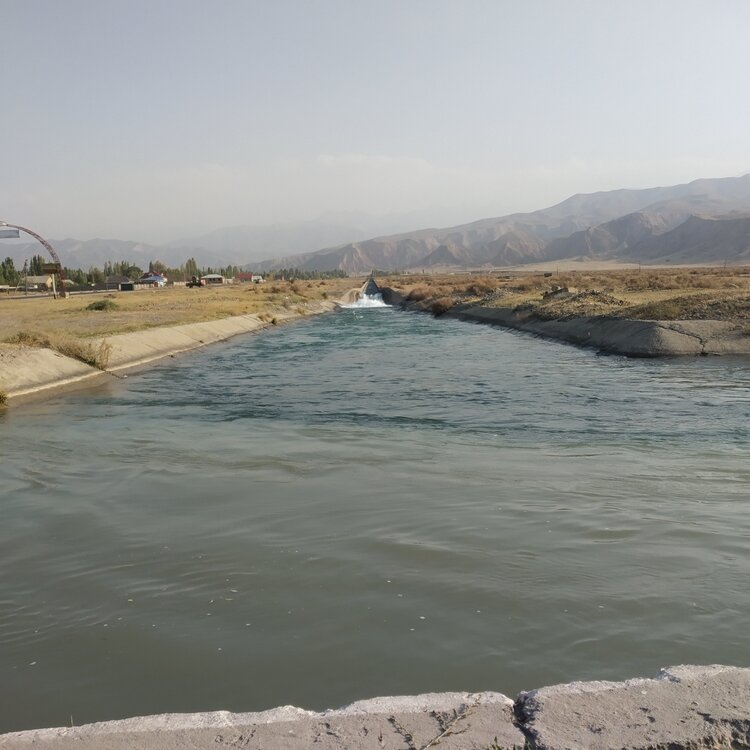
The Eurasian Development Bank (EDB) has declared water availability a particularly acute challenge in Central Asia, given that 10 million people, or 14% of the region’s population, currently lack access to safe drinking water.

Between 1994 and 2020, water withdrawals for municipal and domestic needs doubled to 8.6 cubic kilometres. However, since investment in drinking water falls short of meeting the growing demand, the infrastructure for the supply and treatment of water has severely deteriorated.

The challenges facing the sector highlight the need for large-scale investment in water supply and sanitation in Central Asia. The annual funding deficit to meet the targets of the United Nations’ Sustainable Development Goal 6 (to ensure the availability and sustainable management of water and sanitation for all) is estimated to reach US $2 billion by 2025–2030.

In response, EDB analysts have prepared a report to assess the level of investment required by the region to achieve the UN Sustainable Development Goal by 2030, including proposals for practical steps to secure the necessary funding.

Titled “Water and Sanitation in Central Asia”, the report will be launched on 28 June at the Eurasian Development Bank’s Business Forum in Almaty, Kazakhstan.


Kazakhstan and South Korea Forward Cooperation in Forestry

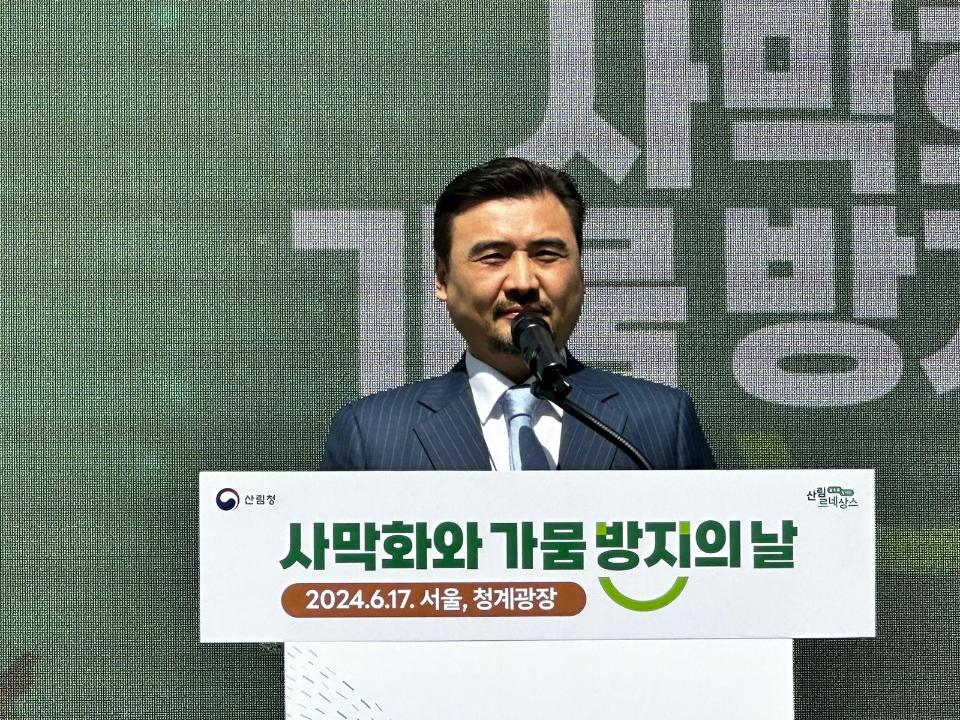
On June 17, Kazakhstan’s ambassador to South Korea, Nurgali Arystanov, participated in a celebration of the World Day to Combat Desertification and Drought, established by a UN General Assembly resolution in 1994.

Organized in Seoul by the Korea Forest Service, the event was attended by major Korean companies, private and international organizations including the Asian Forest Cooperation Organization (AFoCO), as well as students from ecological clubs promoting anti-desertification activities.

In his speech, reported by Kazakhstan’s Foreign Ministry, Arystanov noted the successful cooperation between Kazakhstan and the Republic of Korea in the development of forestry, including a joint project to plant saxaul on the desiccated bed of the Aral Sea. He also hailed Astana’s Kazakhstan-Korea Friendship Garden a “symbol of friendship between the Kazakh and Korean peoples.”

The ambassador expressed his appreciation of the signing of a Memorandum of Understanding between the Ministry of Ecology and Natural Resources of Kazakhstan and the Korea Forest Service during Korean President Yoon Suk Yeol’s state visit to Kazakhstan on June 11-13. The document provides for cooperation in combating forest fires and the introduction of advanced technologies for monitoring forests using drones, artificial intelligence, and satellites.

Progress on cooperation in the forestry sector was further discussed by Ambassador Arystanov and the Minister of the Korea Forest Service, Nam Sung-Hyun, during the former’s visit to Seoul.


Two City Railway Stations Renovated in Kazakhstan

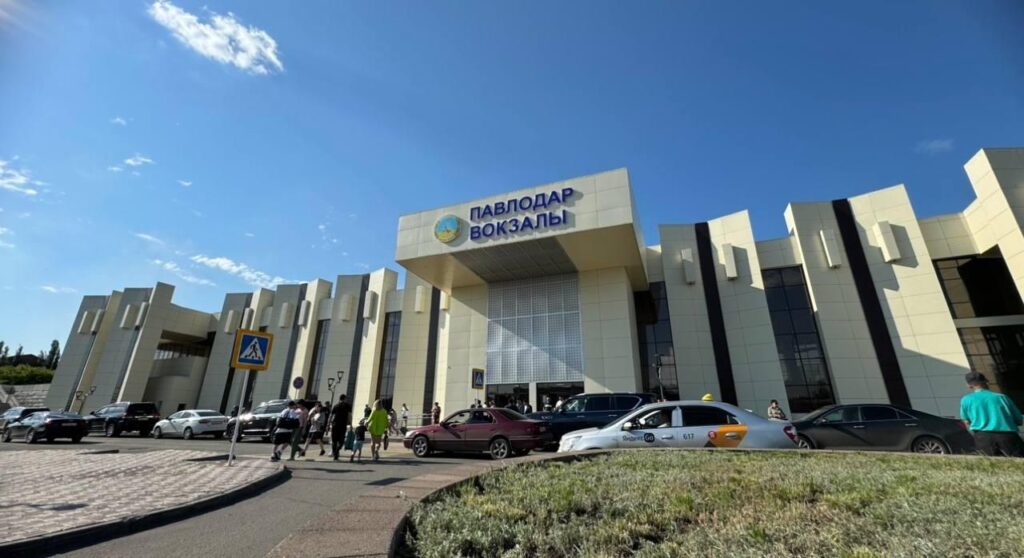
Kazakhstan’s Ministry of Transport has announced the completion of major renovation of railway stations in the southern city of Shymkent and the northern city of Pavlodar.

Built in the 1960s, Shymkent railway station, used daily by several thousand passengers , had been in need of attention for some 20 years. Following major reconstruction, the building has been furnished with a new and attractive façade, an additional entrance from the city side and another exit from the platform. The number of ticket offices has increased from six to eight and coupled with extensions to the overall area, the station now has the capacity to serve 6 thousand passengers a day.

Renovation of Pavlodar’s forty-year-old station, last repaired in 2004-05, was also completed this year. Lighting, ventilation, water supply and heating systems have been replaced, and both the ticket offices and old stained-glass windows, refurbished. New facilities include a storage room and pharmacy as well as elevators and lifts to aid access for travellers with mobility issues. In addition to a communal waiting room, the station boasts a separate room for women as well as a children’s play area.

In Kazakhstan, a country the size of Western Europe, railways remain an important and relatively cheap mode of transport for both locals and tourists alike.


Iran Seeks Observer Status in EEU

A note of Iran’s request to obtain observer state status in the Eurasian Economic Union (EEU) was submitted to the Eurasian Economic Commission, the EEU’s governing body, on May 27.

The EEU is an economic integration bloc uniting Armenia, Belarus, Kazakhstan, Kyrgyzstan, and Russia.

According Kazakhstan’s Ministry of Trade and Integration, the economic feasibility of granting such status to Iran is currently being analysed by heads of the EEU member states and following results, consultations will be held with representatives from the republic.

In 2018, the EEU and Iran signed a temporary agreement leading to the formation of a free trade zone between the two parties.

More recently, on December 25, 2023, EEU heads of state signed a Free Trade Agreement between the EEU and its member states, and also, with the Islamic Republic of Iran.

The agreement provides for duty-free trade for about 90% of commodities, which accounts for more than 95% of mutual trade between the parties.

Kazakhstan’s Ministry of Trade and Integration emphasized the great potential of furthering trade between Kazakhstan and Iran.

Mutual trade amounted to $302 million last year and in December, an Action Plan was signed between Kazakhstan and Iran to increase trade turnover to $3 billion.


Kazakhstan Mourns Murat Auezov – Intellectual, Diplomat, Activist and Patriot

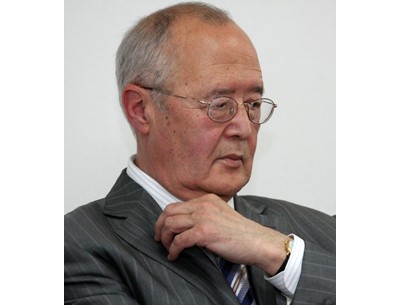
Murat Auezov was a champion of Kazakh identity and culture under Soviet rule and threw himself into Kazakhstan’s transformation after independence in 1991. He wore many hats over a long career: writer, the new country’s first ambassador to China, opposition figure, head of the national library, chief editor of the state Kazakhfilm studio.

He expanded on the legacy of his father, Mukhtar Auezov, a playwright and novelist who translated literary classics into the Kazakh language and is celebrated today as an early contributor to an emerging national identity. His mother was Fatima Gabitova, a teacher with her own story of persecution during the Soviet era.

Murat Auezov, 81, died on June 14 after an illness, prompting tributes from President Kassym-Jomart Tokayev and many others. In Almaty, family, friends, politicians and government officials were among hundreds of people who attended a funeral service at the National Drama Theater, which is named after Auezov’s father.

Murat Auezov was “an orator, a philosopher, a historian, a culturologist, a literary scientist, an educator, and a diplomat,” said Bigeldy Gabdullin, president of the Kazakh PEN Club, a branch of the international group that promotes freedom of expression. Auezov, who was a PEN Club member, promoted Kazakh identity even as a student in Moscow during Soviet times and “awakened Kazakh writers,” Gabdullin said on Facebook.

In the 1960s, Auezov was a member of the Zhas Tulpar movement, a loose-knit group of Kazakh youths who studied in Russian universities but whose devotion to Kazakh art, literature and culture often collided with Soviet ideology.

“I hope his diaries will be published in English to reflect on the depth of Soviet colonialism and how it crushed people,” Diana Kudaibergen, a political sociologist whose books include Rewriting the Nation in Modern Kazakh Literaturesaid on the X platform.

Auezov, who was pressured and monitored by Soviet authorities, was among the first Kazakh intellectuals to talk openly about collectivization, famine and the destruction of the intelligentsia in Kazakhstan in the first half of the 20th century.

“In 1974, in his speech at the plenum of the Writers’ Union, he stated: ‘Without covering the topic of hunger, we cannot say that we have national literature,’” read one tribute after his death.

In the 1990s, Auezov was a leader of the Azamat opposition movement and sparred with the government of President Nursultan Nazarbayev, who cracked down on dissent. He then worked as head of the Kazakh branch of the foundation created by financier and philanthropist George Soros to promote democratic and social reforms around the world.

As ambassador, Auezov promoted economic and cultural ties with China. Years later, though, he increasingly voiced alarm at Chinese economic inroads in Kazakhstan, which he viewed as a threat to the country’s sovereignty.

In an interview, he said, “we should not forget our Turkish ancestry. No matter how difficult it is for the brotherly countries of Central Asia, it is better to achieve cooperation, even if it is necessary to make sacrifices. If we cannot achieve this, it is quite possible that we will fall into the mouth of the giants.”