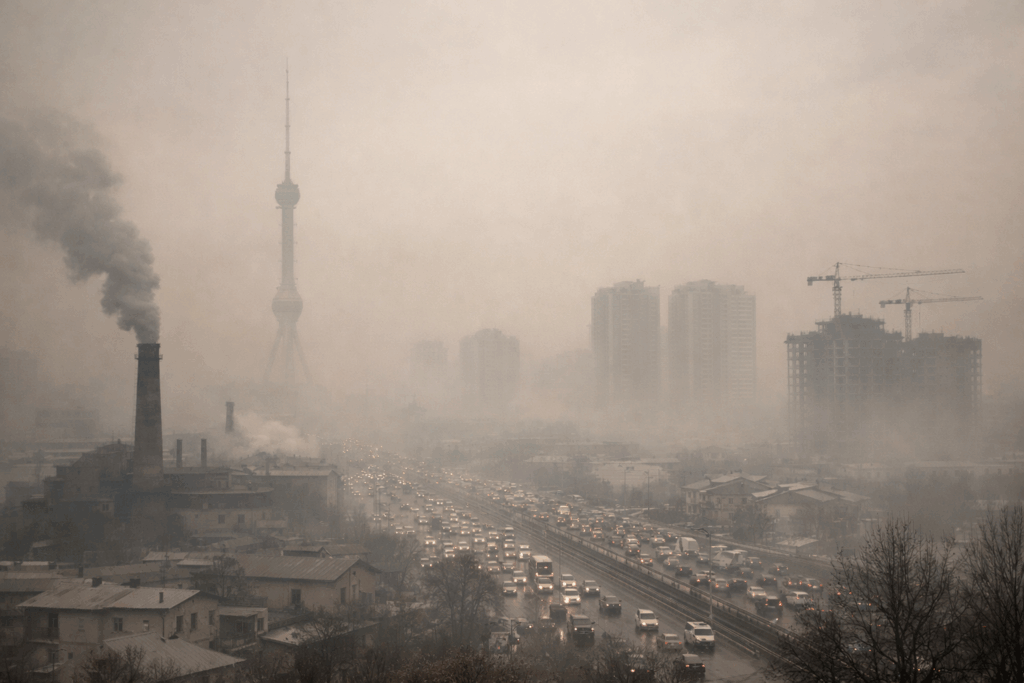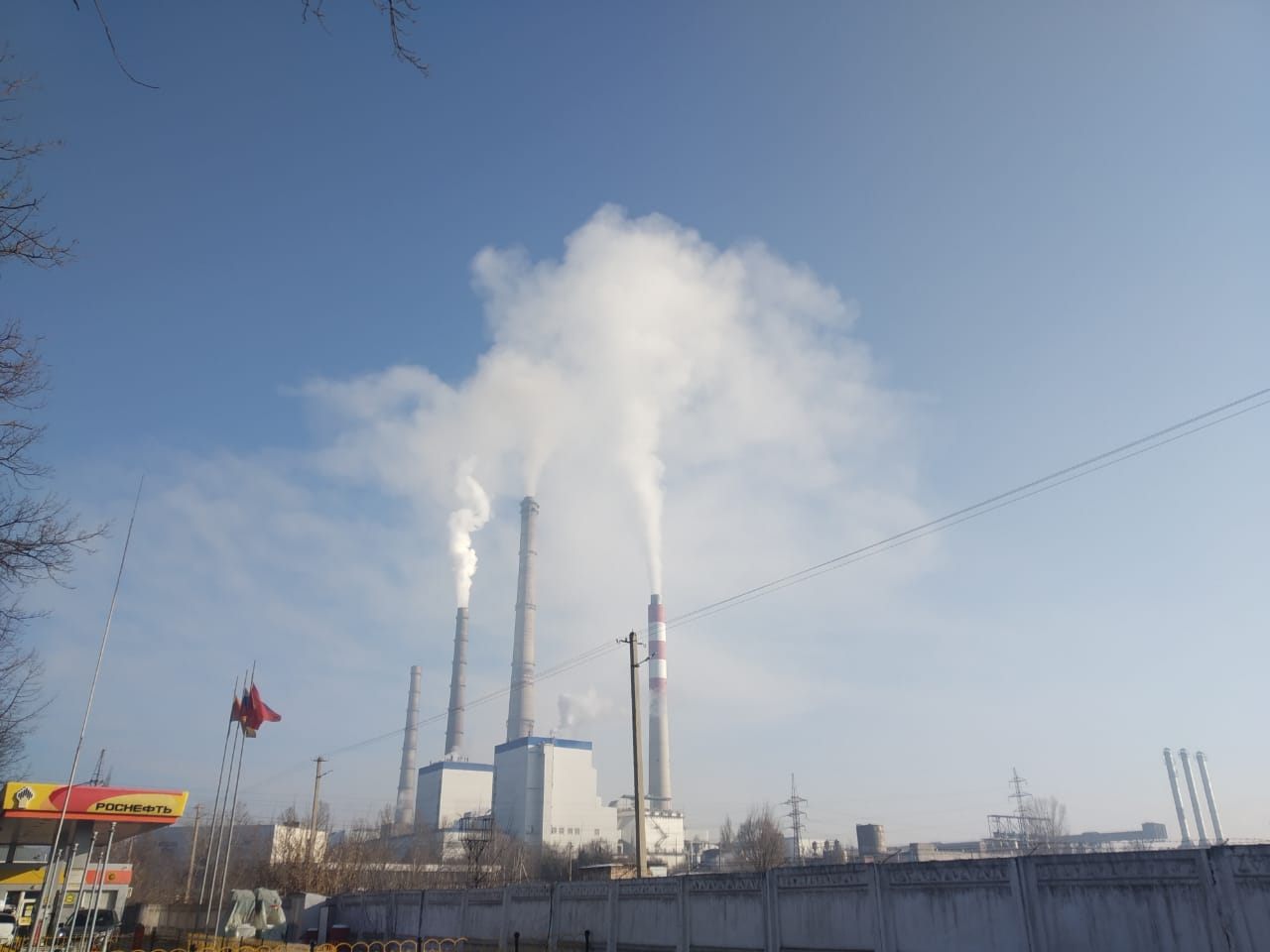
Air pollution remains one of Kyrgyzstan’s most serious environmental challenges, particularly in the cities of Bishkek and Osh, where coal-based heating and motor vehicle emissions are identified as the main sources of pollution, according to a report by the environmental organisation MoveGreen.
The study, covering the period from December 2024 to November 2025, found that Bishkek experienced between 118 and 120 days during which concentrations of fine particulate matter (PM2.5) exceeded permissible limits. Average annual levels were estimated at between 44 and 47 micrograms per cubic meter, significantly above the World Health Organization’s recommended guideline of 5 micrograms per cubic meter.
Air quality in the capital shows strong seasonal variation. Pollution levels rise sharply during winter due to increased coal consumption for heating and the accumulation of emissions linked to the city’s geographical setting. As a result, Bishkek has frequently ranked among the world’s most polluted urban areas in international air quality monitoring indices.
In Osh, pollution patterns were described as more stable but still concerning. Elevated PM2.5 levels were recorded for 159 days during the study period, nearly half the year. The city’s average annual concentration reached 74 micrograms per cubic meter, far exceeding international health recommendations.
The report’s authors also noted that concentrations of other pollutants, including nitrogen oxides and formaldehyde, tend to increase during warmer months.
Among the key recommendations outlined in the study are a gradual transition to cleaner heating sources, expansion and modernisation of public transport systems, measures to reduce dust pollution in urban areas, and improvements in air quality monitoring infrastructure.