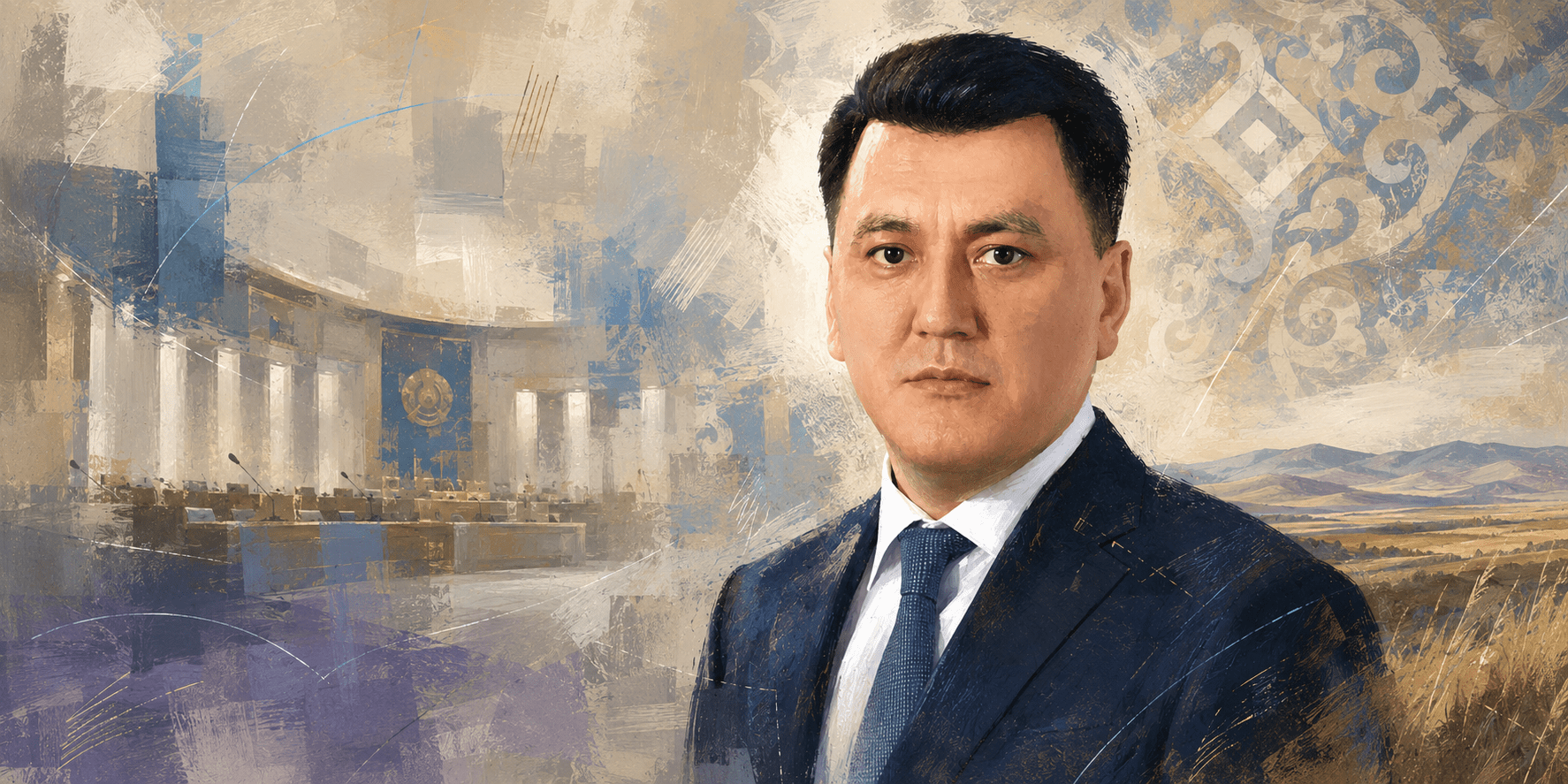
When President Kassym-Jomart Tokayev put forward Erlan Karin for vice president on August 31, he called him “a genuine patriot” with long experience in government. He also stressed Karin’s part in implementing major reforms, his grasp of long-term state strategy and his understanding of Kazakhstan’s prospects for socioeconomic development.
Karin has spent seven years in senior posts under Tokayev. He also has a sustained interest in a question that runs through the president’s agenda — how Kazakhstan can modernize while remaining connected to its own history and national identity.
Tokayev proposed creating the vice presidency in January as an institution that would “organically complete” a political architecture built over several years. The office would stabilize governance and clarify the hierarchy of power. The presidency, he insisted, would remain “the central pillar of the state system.”
Under the new Constitution, the vice president acts on the president’s instructions and represents his position in dealings with the Kurultai, the government and other state bodies.
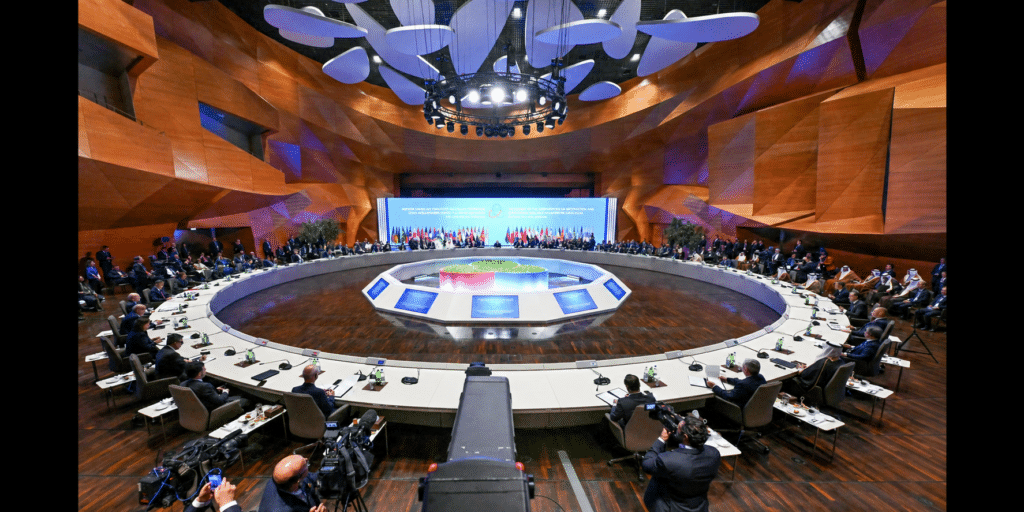
Tokayev has presented political and economic reform as parts of the same modernization program. Opening the first session of the Kurultai, he said the new system should make public institutions more effective and open the way to prosperity. He then described structural economic reforms aimed at sustained growth in citizens’ welfare, including new industries, jobs and modern infrastructure.
Karin already knows the institutions with which he will work. His senior positions since 2019 have included presidential adviser, assistant to the president, state secretary, state counselor and first deputy head of the Presidential Administration.
In October 2025, Tokayev appointed him to lead the working group on parliamentary reform. Karin later became deputy chair of the Constitutional Commission, giving him experience with the reforms now taking effect.
Before the official titles accumulated, Karin taught history and geography at a school in Aktobe. The subject stayed with him. In 2013, he published Balbaltas: From Orkhon to the Caspian, a study of Turkic stone monuments across the steppe. A decade later, he co-authored a catalogue of historical maps of Kazakhstan from the 17th to the early 20th centuries.
In a 2023 essay on national identity, Karin connected those interests to state-building. Nation-building, he argued, required state institutions and national identity to develop together. He traced Kazakh statehood through the Golden Horde and the Kazakh Khanate, while describing modern Kazakhstan as a multiethnic and multireligious country. Patriotism, in his account, meant attachment and service to the country, not nationalism or xenophobia.
He was most persuasive when he left the abstractions behind. His examples concerned what children encounter in museums and at historical sites, how they learn the country’s history, how the Kazakh language is used and how Kazakhstan appears in books and films. This was national identity as part of daily life rather than an official slogan.
Tokayev drew the same connection when he explained why the new legislature was given the historical name Kurultai. Recalling the gatherings at Talas and Ordabasy, he said the choice did not signal nostalgia. It joined Kazakhstan’s political traditions to a modern system of government and linked the country’s “unique identity” with its ambitions for the future.
Karin enters the vice presidency as an experienced participant in Tokayev’s reforms. His work on Kazakhstan’s history and identity also gives some insight into how he sees the country’s development. For Karin, effective institutions, economic development and national identity belong together.