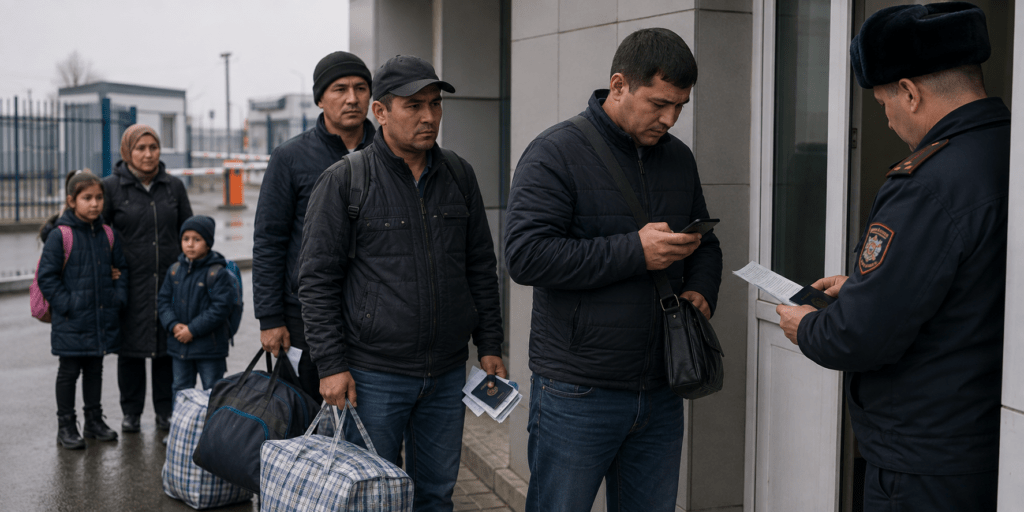
Kyrgyzstan plans to allow up to 120,000 foreign nationals to work in the country in 2027, even as more than 700,000 of its own citizens have worked abroad this year. Although official estimates are lower than four years ago, the country remains heavily dependent on money sent home by migrant workers, particularly those in Russia.
According to the National Bank of the Kyrgyz Republic, Kyrgyzstan received approximately $3.5 billion in transfers from abroad in 2025, more than 90% of which came from Russia.
The Ministry of Labor, Social Security, and Migration reported that 736,600 citizens had worked abroad so far in 2026, compared with 798,400 in 2025. The largest group, more than 472,000 people, was reported to be in Russia in March. Approximately 70,000 were working in Kazakhstan, 60,000 in the United States, 35,000 in Turkey, and 20,000 in Germany.
In 2022, the authorities estimated that 1.118 million Kyrgyz citizens were working abroad, including more than one million in Russia. However, the figures do not establish exactly how many people have returned home and how many have moved to other countries for work.
Russia has tightened its migration requirements and stepped up enforcement of residency regulations.
In a report covering the second half of 2025, the International Organization for Migration (IOM) found that 94% of emigrants surveyed had left to find employment or better economic opportunities.
Foreign Minister Jeenbek Kulubaev discussed these changes in labor migration during a parliamentary committee meeting on October 13. According to Kulubaev, more Kyrgyz citizens are choosing Turkey and the U.S. for employment, while demand for workers from Kyrgyzstan remains strong in South Korea and Japan.
He said representatives from some European countries had offered to accept workers from Kyrgyzstan on the condition that the country accommodate migrants from Afghanistan and African nations.
Kulubaev did not disclose which countries had made the offer, saying only that Bishkek rejected the proposal. There has been no public confirmation of the arrangement from the European participants in the negotiations.
Within Kyrgyzstan, the unemployment rate fell from 5.8% in 2020 to 3.2% in 2025. The decline coincided with growth in construction, trade, and services, although employment figures alone do not show how much wages have increased or how many former migrants have found jobs at home.
During a recent visit to the Batken region, President Sadyr Japarov again urged citizens working abroad to return home.
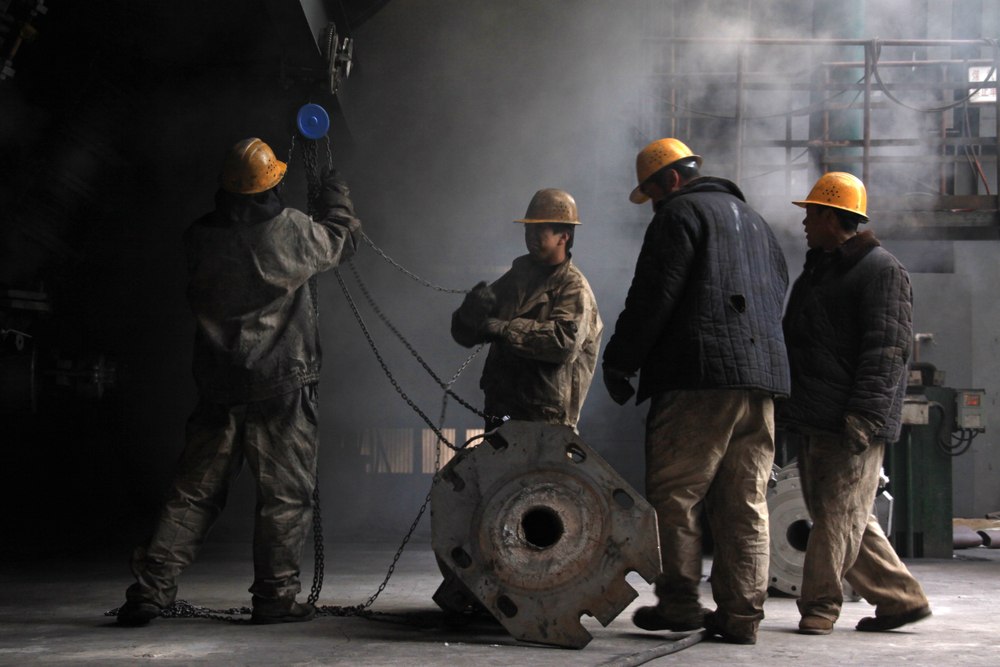
The initial quota for foreign nationals arriving to work in Kyrgyzstan for 2025 was 25,000 people. The limit was raised to 100,000 for 2026. Expanding the quota allows businesses to recruit more employees from abroad, particularly for construction, manufacturing, and other industries where employers face staffing needs.
According to the Ministry of Labor, by December 2025, approximately 18,900 Chinese, 11,700 Bangladeshis, and 8,300 Pakistanis had received work permits.
An IOM study conducted in the first half of 2025 found a substantial presence of workers from Uzbekistan, approximately 10,800 people. The largest numbers of foreign workers covered by the survey were in the Jalal-Abad region, Bishkek, and the Chui region. The organization linked the concentration in Jalal-Abad to a construction boom that has increased demand for labor in the region.