Astana is preparing to host Armenian Prime Minister Nikol Pashinyan on an official visit scheduled for late 2025. On August 12, President Kassym-Jomart Tokayev had a call with Pashinyan, during which, according to an official statement, he praised the “outstanding qualities” of the Armenian Prime Minister, “as a politician with strong political will and a strategic vision of the national interests of his state.” The forthcoming trip follows what U.S. Secretary of State Marco Rubio described as “the beginning of a peace deal” between Armenia and Azerbaijan, which was signed in Washington, D.C. on August 8, 2025, marking a pivotal moment in the South Caucasus after decades of conflict.
At the White House, Pashinyan and Azerbaijani President Ilham Aliyev signed a framework pledging to respect each other’s territorial integrity, renounce the use of force, and dissolve the long-standing OSCE Minsk Group mediation format. The agreement also approved the creation of a major transit corridor — dubbed the Trump Route for International Peace and Prosperity (TRIPP) — linking Azerbaijan’s mainland to its exclave of Nakhchivan via Armenian territory.
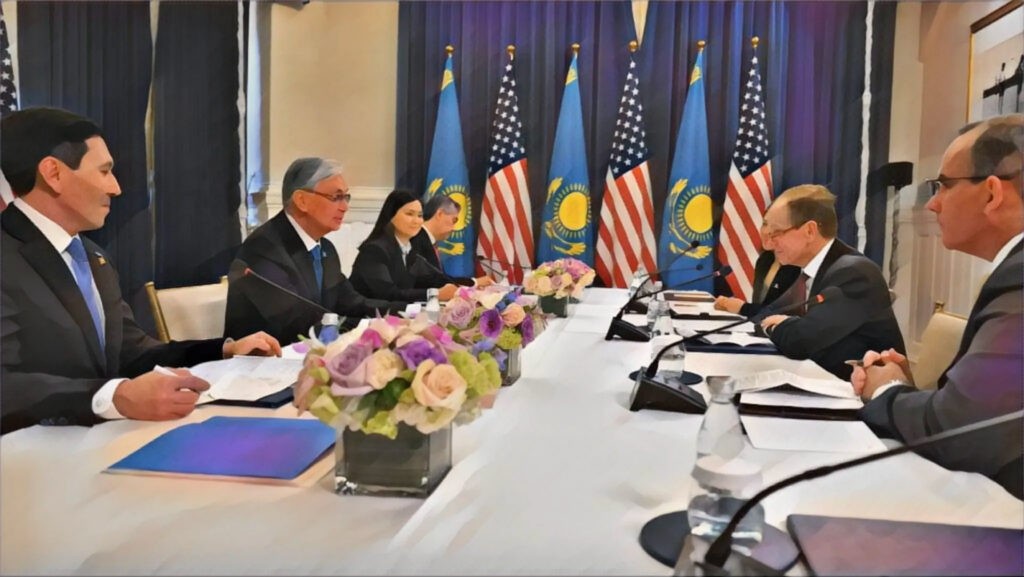
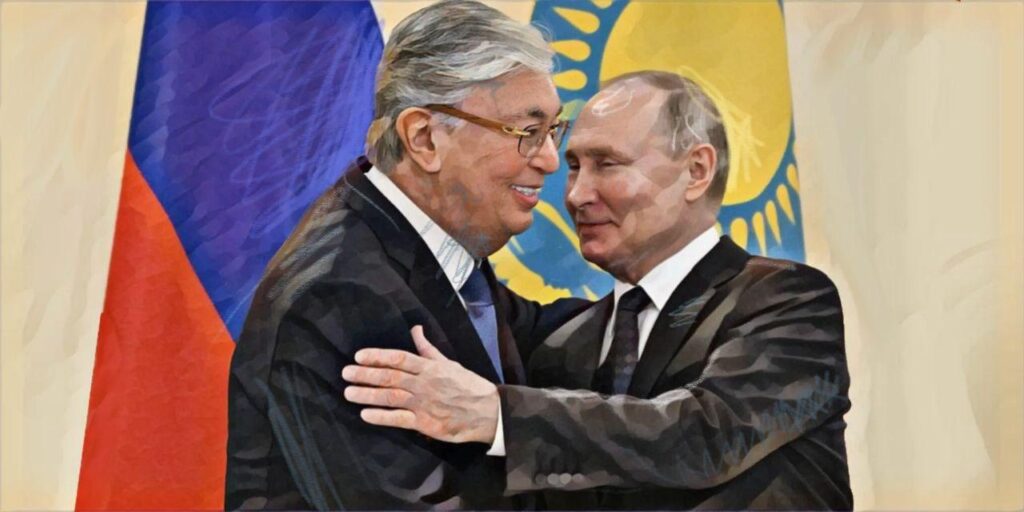
Kazakh President Kassym-Jomart Tokayev welcomed the accord as a “historic achievement” that not only ends a decades-long military standoff but also creates space for a deeper regional economic and diplomatic reset. In recent talks, Pashinyan briefed Tokayev on the details of the framework, the decision to dissolve the Minsk Group, and the TRIPP initiative. Both leaders emphasized the potential for new investment opportunities emerging from the stability the deal promises to bring and agreed to maintain an active political dialogue.
For Kazakhstan, the visit reinforces its positioning as a neutral mediator between Eurasian powers, willing to offer diplomatic platforms for peace talks. In May 2024, Astana hosted ministerial-level Armenia–Azerbaijan negotiations in Almaty. With the TRIPP corridor set to enhance connectivity across the South Caucasus, Kazakhstan’s role in facilitating regional integration could expand beyond mediation into infrastructure, trade, and energy cooperation.
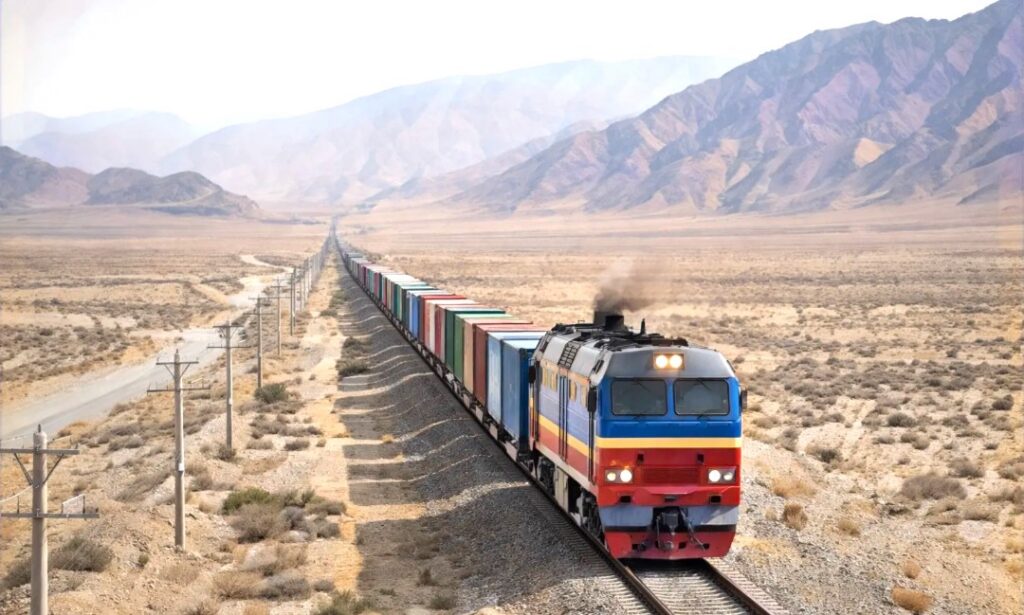
Economically, the corridor offers Armenia new opportunities to become a transit hub between Central Asia and Europe, while Kazakhstan could benefit from more direct westward routes for its exports. Previous bilateral meetings have already laid the groundwork for business forums and joint initiatives in transport, technology, and investment, and the visit could provide the political momentum needed to bring these plans to fruition.
Challenges remain, however. In Armenia, nationalist factions have criticized the peace deal, with border demarcation and the fallout from the Second Nagorno-Karabakh War remaining sensitive issues. Iran has also expressed opposition to the TRIPP corridor, citing concerns over shifting regional influence. Yet both Yerevan and Astana appear determined to use the current diplomatic window to solidify long-term cooperation.
As the South Caucasus recalibrates, Pashinyan’s upcoming visit to Astana will test whether the political optimism generated in Washington can translate into tangible projects. For Kazakhstan, this presents an opportunity to deepen bilateral ties, demonstrate its growing influence as a stabilizing force, and secure a stake in the region’s new economic and geopolitical landscape.