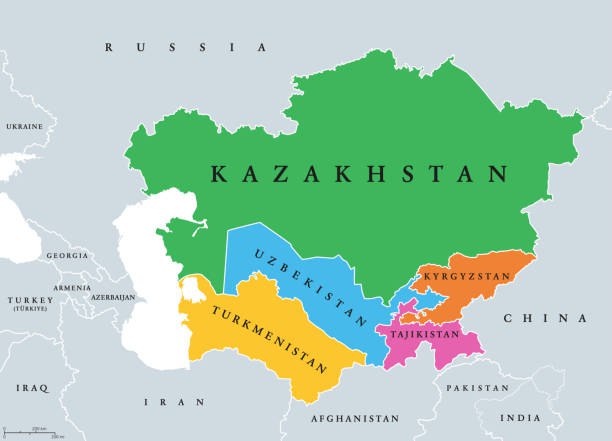
In Turkmenistan, police raids targeting non-resident laborers seeking short-term work in the capital are intensifying, according to Turkmen.News, placing additional pressure on citizens from regions that face chronic unemployment at home.
Day Laborers Targeted
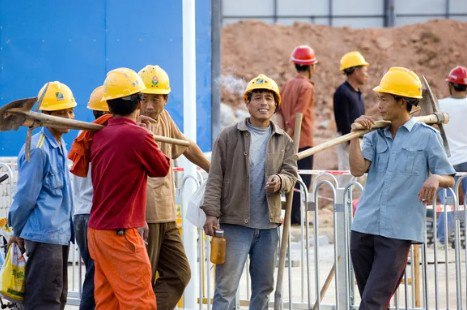
Police in Ashgabat have reportedly been extorting money from non-resident day laborers, threatening them with detention and forced removal from the city. These raids are concentrated near the newly opened transport hub in the Gurtly district, which recently replaced the former central interchange near the Tekin Bazaar, a long-established site for informal employment.
For many from Turkmenistan’s regions, Ashgabat offers the only opportunity to earn a daily wage of $2.50 to $3.50. But this marginal lifeline is vanishing as police expel day laborers from Gurtly and threaten to drive non-residents out of the capital entirely.
The area has developed its own informal employment system. Several women operate as unofficial coordinators, posing as passengers at the bus stop. They maintain notebooks filled with phone numbers, service prices, and available workers. Locals approach them with tasks, such as moving furniture or doing basic repairs, and are promptly matched with laborers who remain discreetly nearby.
Raids and Intimidation
Authorities appear intent on dismantling this system. Eyewitnesses say police conduct daily patrols in Gurtly, stopping young men, checking residency documents, and confiscating their earnings. The money is allegedly pocketed by officers, with no official record kept.
Victims report being insulted, intimidated, and threatened with deportation to their home provinces before being released following brief “educational conversations.”
Such operations are not new. In late October, Ashgabat police issued mass fines to non-resident taxi drivers. During the summer’s UN forum in Avaza, day laborers in Turkmenbashi were reportedly detained en masse, held in temporary facilities, and then forcibly returned to their home region. These actions are part of what appears to be an ongoing, unofficial campaign of pressure against internal migrants.
Erasing Poverty from the Capital’s Image
Some Ashgabat residents believe the relocation of the main bus hub to the outskirts is part of a broader strategy to conceal poverty behind the capital’s polished facade. “This is an attempt to cleanse the capital of any hints of the real, unsightly side of life,” one resident remarked.
Income levels outside the capital remain significantly lower. For many families, irregular work in Ashgabat is their only source of supplemental income. Yet instead of addressing inequality, observers argue that authorities are reinforcing regional discrimination, further marginalizing non-resident workers.