Economic growth in Europe and Central Asia (ECA) is slowing but remains resilient amid global and regional challenges, according to the World Bank’s latest Europe and Central Asia Economic Update: Jobs and Prosperity, released on October 7, 2025.
The report projects GDP growth in the region at 2.4% in real terms this year, down from 3.7% in 2024. The slowdown is primarily attributed to weaker growth in Russia. However, excluding Russia, which accounts for about 40% of the region’s total economic output, growth is expected to hold steady at approximately 3.3% in both 2025 and 2026.
“Developing economies in the region need bold reforms to turn resilience into stronger growth in productivity, output, and jobs,” said Antonella Bassani, World Bank Vice President for Europe and Central Asia. She stressed the importance of strengthening the private sector, improving education systems, and attracting more private investment to generate quality employment and address demographic changes.
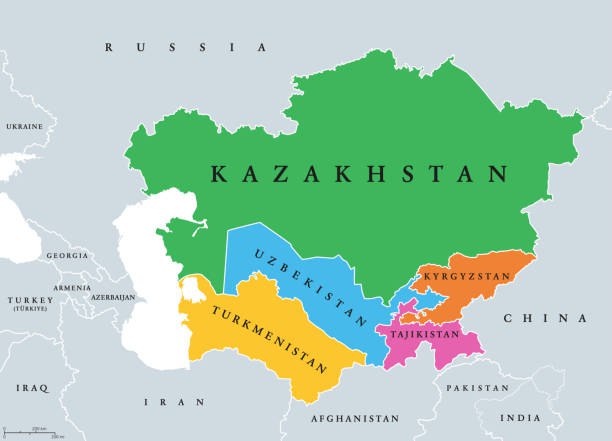
Central Asia remains the fastest-growing subregion for the third consecutive year, with growth expected to rise from 5.7% in 2024 to 5.9% in 2025. The World Bank attributes this momentum to increased oil production in Kazakhstan, higher remittance inflows, and rising public and private investment.
Turkey and Poland are also highlighted for their strong performance, with forecast growth rates of 3.5% and 3.2%, respectively, supported by solid consumer demand and capital investment.
Despite these positive signals, the World Bank warns that sluggish growth and weak reform momentum are exacerbating challenges in the labor market. While employment across the ECA region has expanded by 12% over the past 15 years, particularly in the services sector, many of the new jobs are low-skilled and offer limited income potential.
Demographic shifts pose another challenge. The region’s working-age population is projected to shrink by 17 million in the coming decades, especially in Eastern and Central Europe and the Western Balkans. In contrast, Central Asia and Turkey are expected to see population growth, intensifying the need to generate sufficient employment opportunities.
The report recommends that countries invest in infrastructure, education, and private-sector development to improve productivity. “Each country can tailor its approach to best use its assets, human talent, physical infrastructure, institutions, and natural resources,” said Ivailo Izvorski, World Bank Chief Economist for Europe and Central Asia.
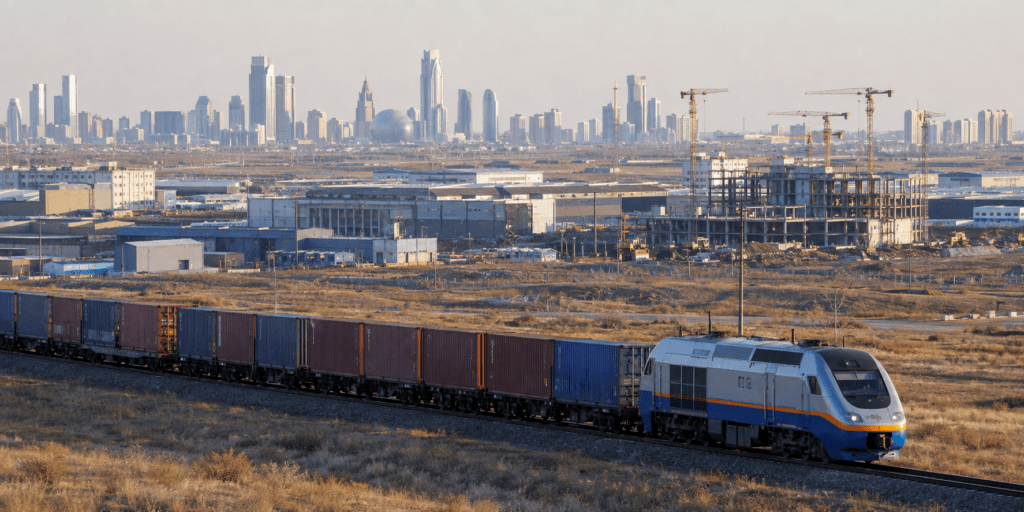
In Central Asia, economic growth is expected to be driven by expansion in agrifood and livestock processing, transport and logistics along Eurasian trade corridors, renewable energy investment, and tourism development. The World Bank notes that these sectors, supported by the region’s cultural and natural heritage, could help position Central Asia as one of the world’s most dynamic emerging markets.