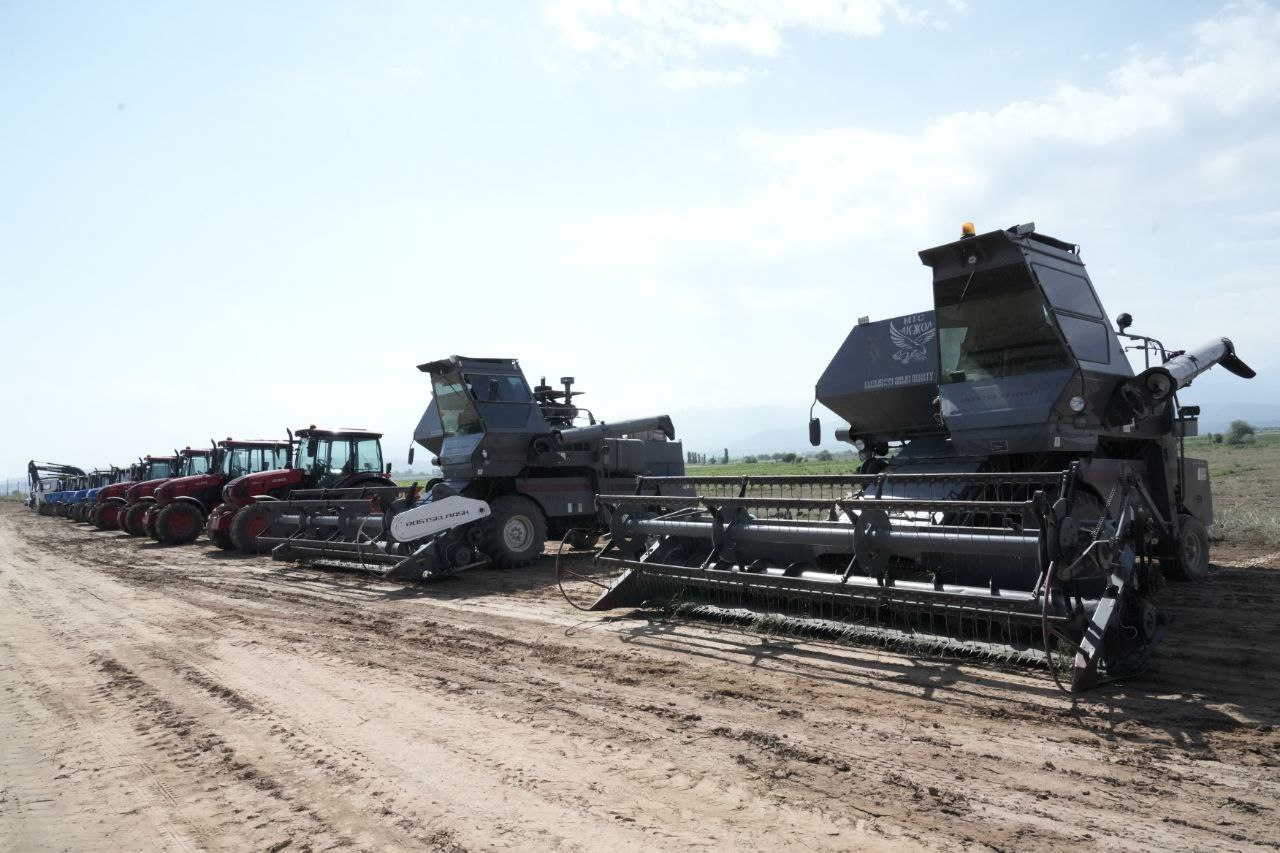
In 2025, approximately 50,000 hectares of agricultural land in Kyrgyzstan were left uncultivated, according to the National Statistical Committee. This figure represents a significant portion of the country’s total arable land area, which stands at 1.292 million hectares.
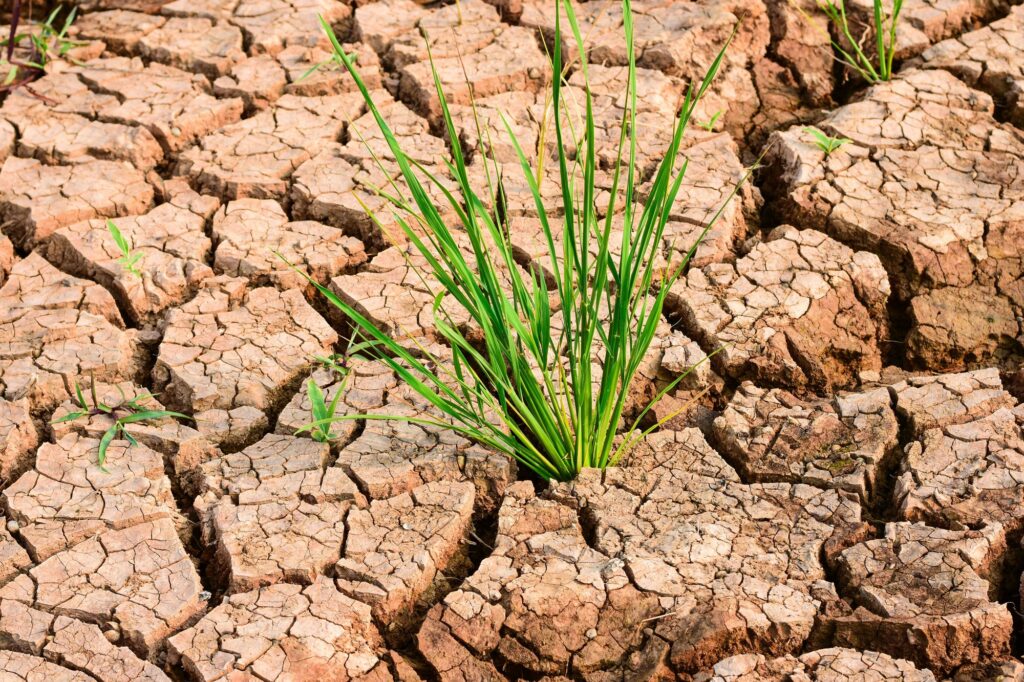
Experts attribute the sharp decline primarily to a lack of moisture during the spring growing season. More than half of the affected land, over 25,000 hectares, suffered from irrigation failures due to the deteriorating state of the country’s water infrastructure. An additional 5,000 hectares lie in inaccessible or rocky terrain, while about 8,000 hectares were previously reassigned for industrial or urban development.
The committee also noted a year-on-year increase of 1,100 hectares in the area of fallow land. In the Talas region alone, 25% more land could have been cultivated under better conditions. Across Kyrgyzstan’s regions, the share of idle arable land currently ranges between 10% and 20%.
The Ministry of Economy and Commerce reported that the water shortage not only reduced the amount of cultivated land but also impacted crop yields. Many crops ripened several weeks earlier than usual, accelerating the harvest period. As a result, the growth rate of gross agricultural output slowed by more than 2% in the first half of 2025.
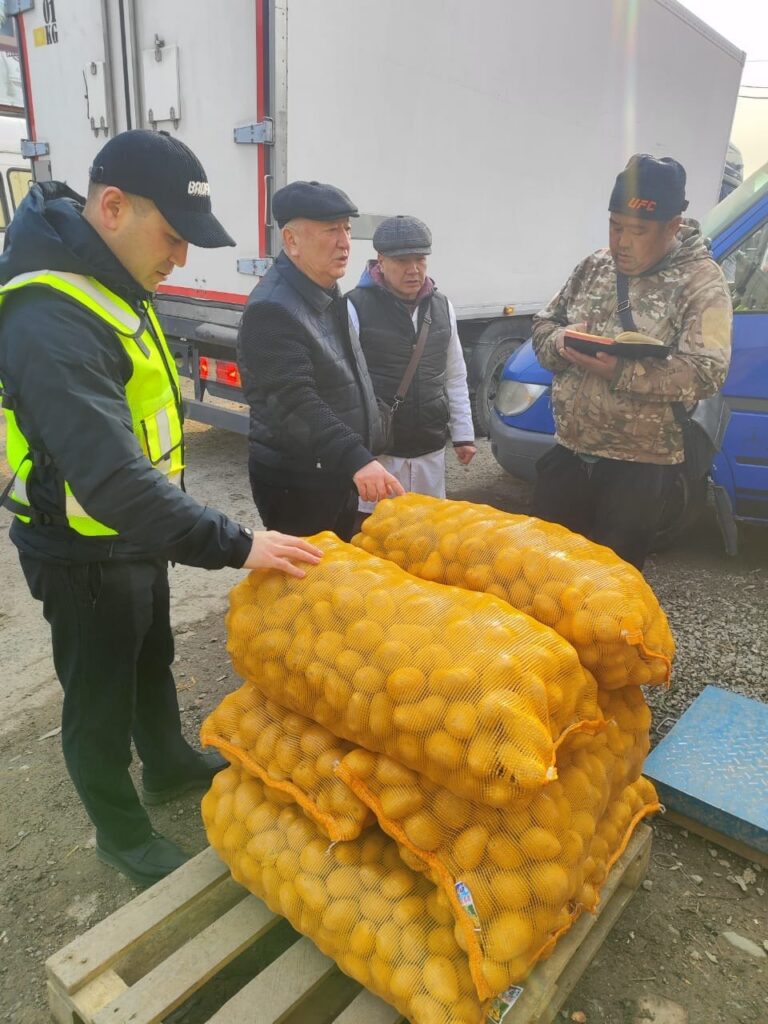
However, not all sectors were negatively affected. The gross harvest of melons and gourds rose by nearly 13%, vegetable production increased by 12%, and potato yields were up 10% compared to the previous year.