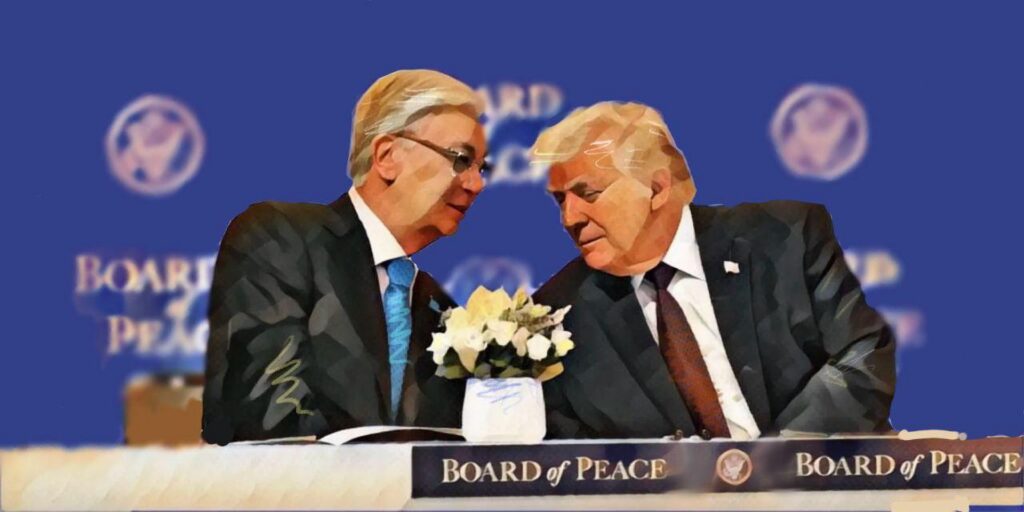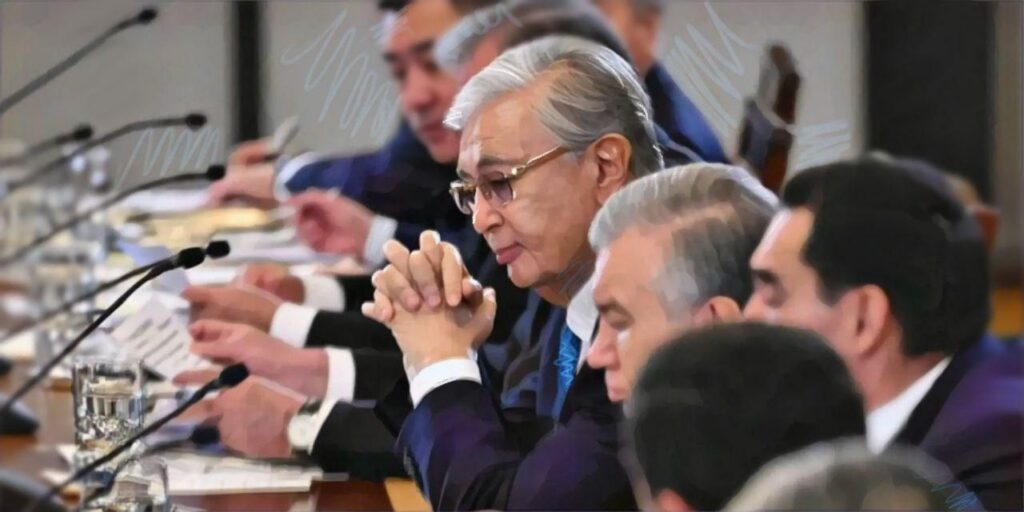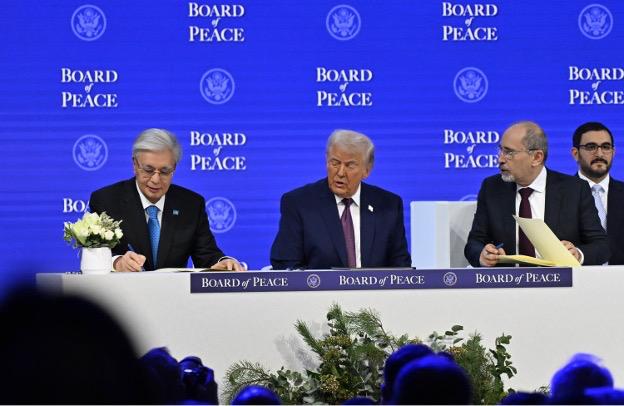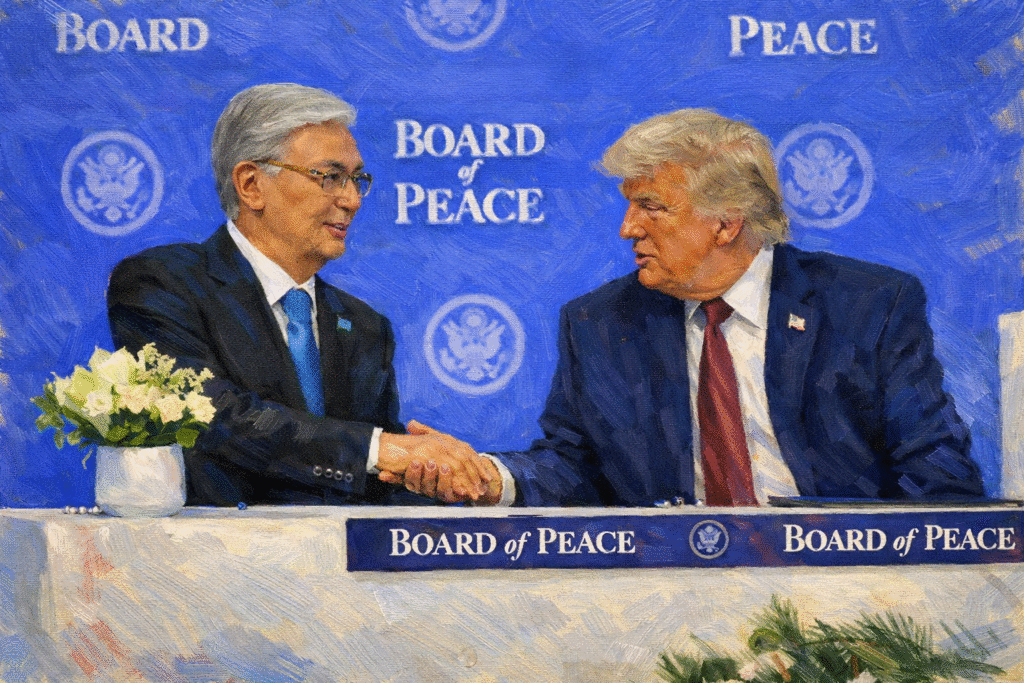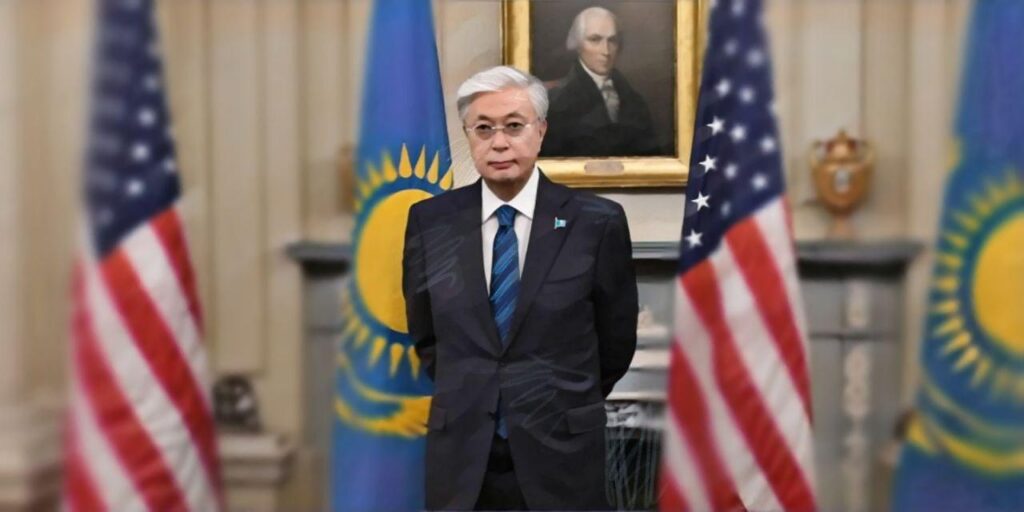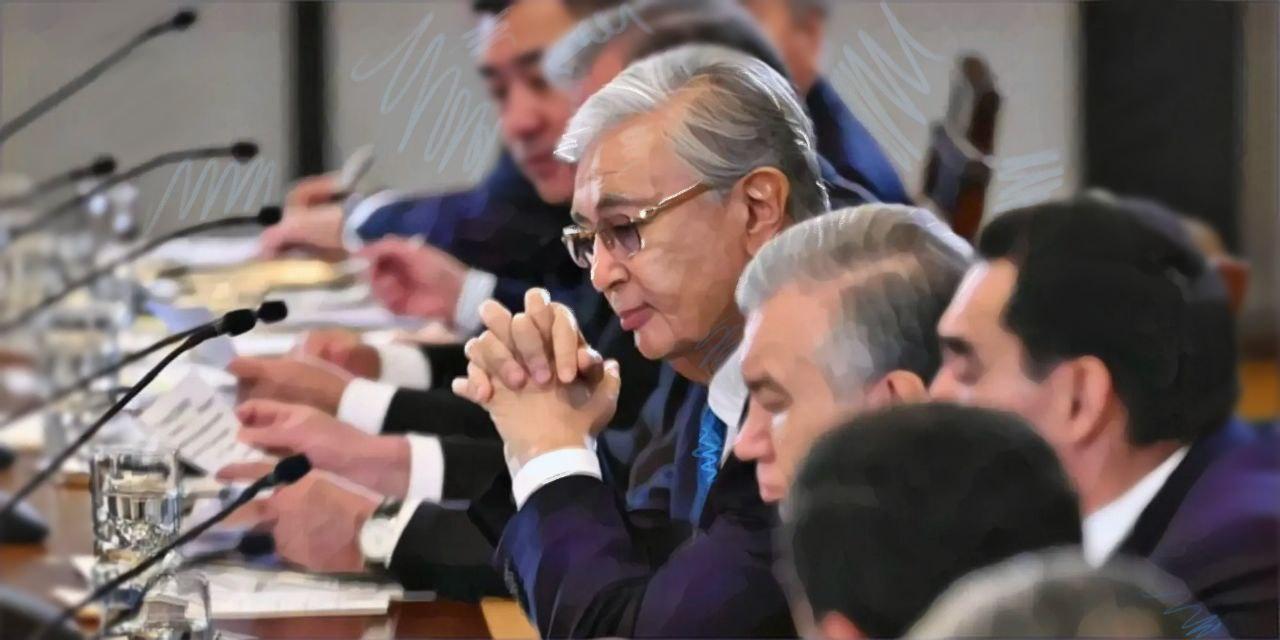
President Kassym-Jomart Tokayev’s speech at the inaugural meeting of U.S. President Donald Trump’s Board of Peace in Washington on February 19 was not only a foreign policy event, but one with significant domestic resonance. The initiatives announced include Kazakhstan’s participation in the reconstruction of Gaza, financial commitments, and readiness to send peacekeepers. Against the backdrop of economic challenges and ongoing constitutional reforms, however, a substantial segment of Kazakh society is questioning whether such an active foreign policy posture is justified at this time.
The Board of Peace, the charter for which was ratified in Davos in January 2026 on the sidelines of the World Economic Forum, is positioned as an alternative to traditional multilateral institutions. According to Trump, the new body should not merely discuss conflicts, but will also “almost be looking over the United Nations and making sure it runs properly.”
Symbolically, the Board’s launch comes amid U.S. reductions and withholding of UN-related funding and withdrawals from multiple international bodies, alongside a partial U.S. payment toward UN arrears and the parallel creation of alternative financial and security mechanisms.
According to the U.S. Mission to Kazakhstan, at the first meeting of the Board of Peace, nine members pledged a combined $7 billion aid package for the Gaza Strip. Kazakhstan, Uzbekistan, Azerbaijan, the UAE, Morocco, Bahrain, Qatar, Saudi Arabia, and Kuwait indicated their willingness to contribute. Additionally, Trump pledged $10B in U.S. funding, framing peace and reconstruction as a strategic priority.
However, experts note that these sums fall far short of projected needs. According to joint UN-EU-World Bank estimates, the full reconstruction of Gaza could require up to $70 billion. In addition, the implementation of projects is complicated by the issue of disarming Hamas, which is designated as a terrorist organization in the U.S. and the European Union. At present, there is no indication that any Western or regional government intends to revise that designation.
A notable feature of the Washington summit was the synchronized participation and subsequent public statements of key member states of the Organization of Turkic States (OTS). Kazakhstan, Uzbekistan, Azerbaijan, and Turkey effectively acted as what appeared to be an aligned geopolitical grouping, albeit without a formal declaration of joint action.
What Is Kazakhstan Seeking?
For Astana, participation in the Board of Peace appears to represent a renewed step in its multi-vector foreign policy doctrine. Tokayev directly stated Kazakhstan’s readiness to send medical units and observers to international stabilization forces and to allocate more than 500 educational grants for Palestinian students.
In effect, Kazakhstan is reinforcing its image as a “Middle Power” prepared not only for diplomatic mediation but also for tangible contributions to international security efforts. This course aligns with the country’s existing participation in UN missions. Currently, 139 Kazakh military personnel are serving in the Golan Heights under the UN Disengagement Observer Force mandate.
Nevertheless, the intensification of foreign policy engagement is raising domestic questions. Concerns voiced on social media and among experts include whether the international agenda risks diverting attention from internal economic pressures, including stagnant incomes, strain within the banking sector, and constitutional reform.
Separately, speculation has circulated regarding Tokayev’s potential future candidacy for the post of UN Secretary-General. While unconfirmed, some observers interpret Kazakhstan’s visible engagement in peace initiatives as consistent with broader ambitions within multilateral diplomacy.
Kazakhstan’s involvement in the Board of Peace may be understood as a long-term investment aimed at securing foreign policy dividends, including enhanced international standing, access to new economic and institutional projects, and strengthened ties with the U.S. and key actors in the Middle East.
The central question remains whether Astana can maintain equilibrium between global ambitions and domestic stability.
Uzbekistan: A Focus on “Soft Recovery”
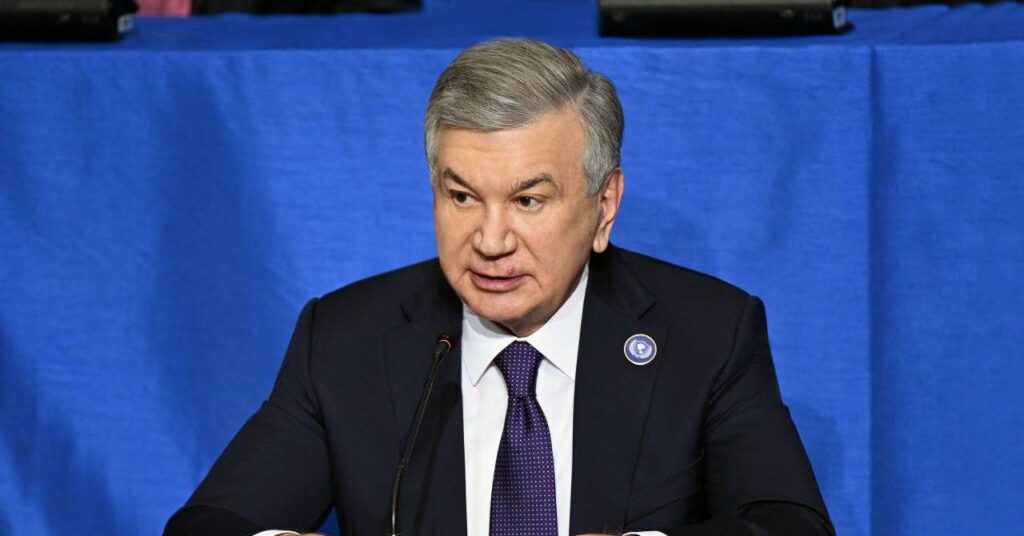
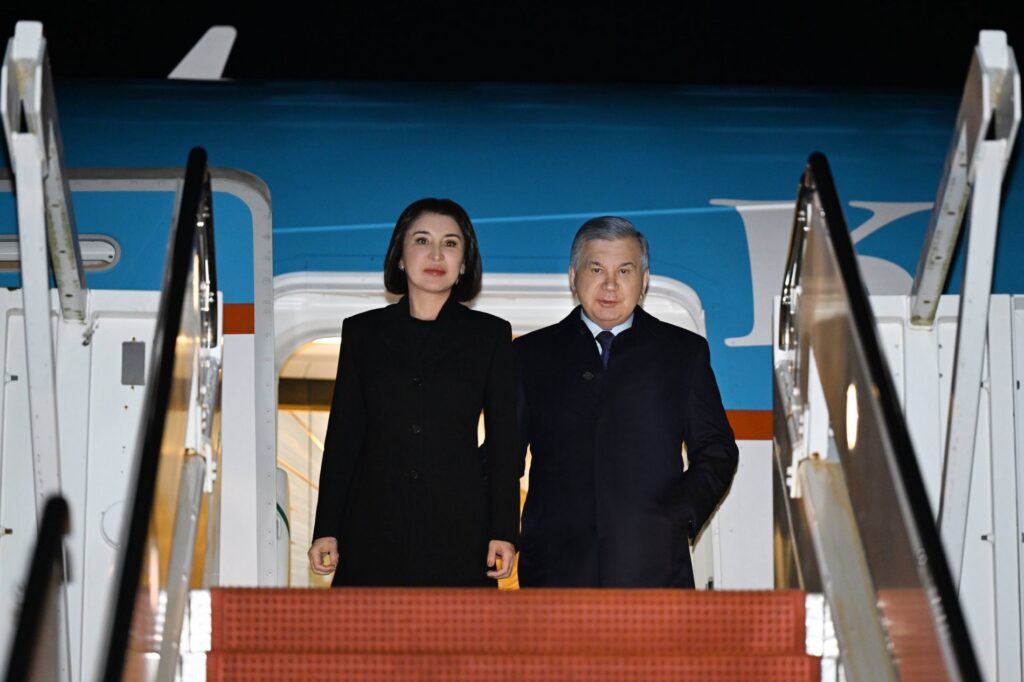
President Shavkat Mirziyoyev has defined a niche for Tashkent centered on civil infrastructure and social development. Uzbekistan has expressed its readiness to participate in the construction of housing, schools, kindergartens, and hospitals, while emphasizing that any external governance arrangements in Gaza must rest on the support of the local population.
This approach is consistent with Uzbekistan’s recent foreign policy model: minimizing military exposure, prioritizing economic and humanitarian engagement, and strengthening its image as a responsible regional actor without direct involvement in coercive scenarios.
That positioning also reflects Tashkent’s broader engagement with Washington. In recent months, Uzbekistan has intensified negotiations with U.S. institutions, including the Export-Import Bank and the U.S. International Development Finance Corporation, seeking expanded financing for infrastructure, energy modernization, and industrial projects. Discussions around a bilateral Investment Platform and the reactivation of the U.S.–Uzbekistan Business Council signal a strategy focused on capital inflows and development partnerships rather than security alignment. Within that framework, participation in Gaza’s reconstruction through civil infrastructure fits comfortably into Uzbekistan’s existing diplomatic trajectory.
Azerbaijan: Political Support Without Financial Commitment
Baku has adopted a calibrated position. While Azerbaijan joined President Trump’s Board of Peace as a founding member and participated in the Washington summit, it has clarified that it does not envisage contributing to the reported $7 billion Gaza reconstruction pledge announced at the inaugural meeting.
Hikmet Hajiyev, Assistant to President Ilham Aliyev on foreign policy matters, stated that Azerbaijan supports the broader goals of stabilization and reconstruction but is not planning to allocate funds under the collective financial package referenced at the summit.
In effect, Baku has drawn a clear distinction between participation in the collective aid package and any potential project-based engagement, leaving room for future involvement without committing to the announced funding framework.
Turkey’s Expansive Role
In recent months, Turkey has emerged as one of the most active and systematic actors on the Palestinian issue. Foreign Minister Hakan Fidan has declared Ankara’s readiness to operate across multiple tracks: humanitarian assistance, restoration of administrative institutions, participation in international stabilization forces, and the training of local police units.
A decisive factor remains the political will of President Recep Tayyip Erdogan to deploy Turkish troops to Gaza should an international consensus materialize. Currently, Turkey has signaled its readiness to contribute troops within an international stabilization framework (subject to an agreed mandate). In effect, Turkey is positioning itself as a central pillar of the initiative, capable of integrating military, administrative, and humanitarian components.
The scale of Turkey’s humanitarian logistics plans is considerable, including proposals to dispatch an initial 20,000 containers of aid and mobilize numerous state and non-governmental entities.
Although the Organization of Turkic States does not formally appear as a unified actor in summit documents, OTS member states constitute the most visible bloc of non-Western participants. In this light, the engagement of Kazakhstan, Uzbekistan, Azerbaijan, and Turkey in the Board of Peace appears less as a series of isolated decisions and more as part of an emerging Turkic diplomatic architecture, flexible, informal, and oriented toward pragmatic outcomes.