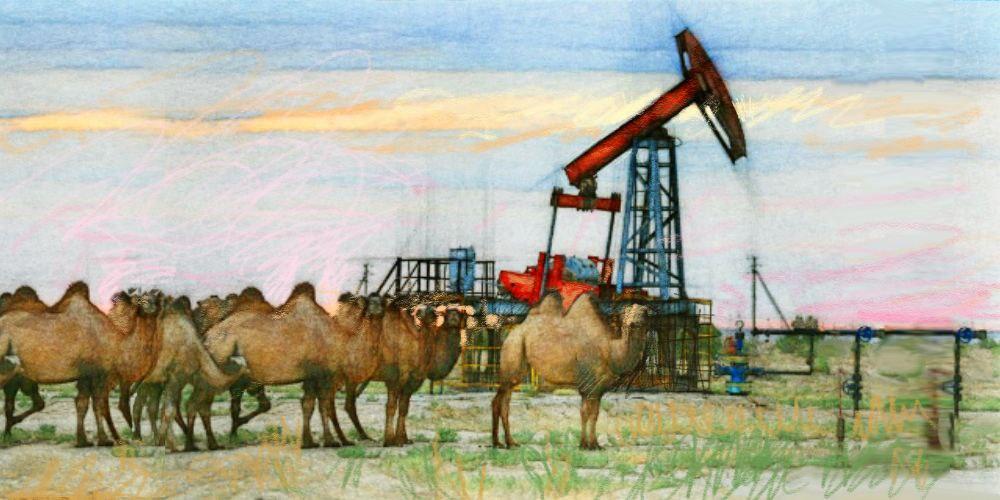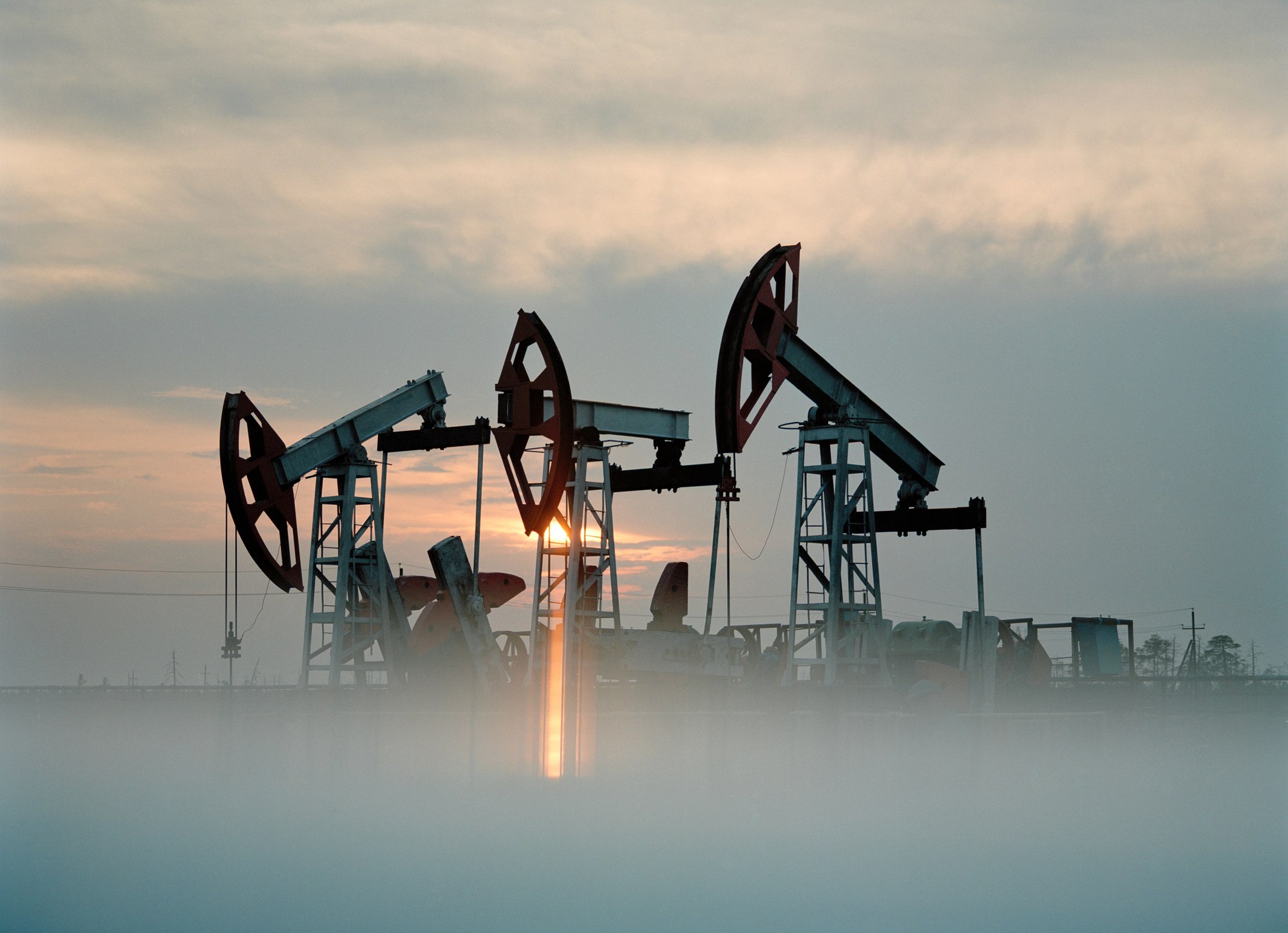
Kazakhstan’s oil production could decline by 2-4 million tons by the end of 2026 following disruptions linked to attacks on the infrastructure of the Caspian Pipeline Consortium (CPC) and fires at the country’s largest oil field, Tengiz. This was stated by Energy Minister Yerlan Akkenzhenov in response to journalists’ questions.
In 2025, Kazakhstan produced more than 99.5 million tons of oil, exceeding the initial forecast of 96.2 million tons. Output for 2026 had originally been projected at 100.5 million tons, a potential record for the country.
However, the minister indicated that actual production is now likely to fall short of this target.
“According to the economic development plan, oil production in 2026 was expected to reach 100.5 million tons. However, due to events at the end of last year and the beginning of this year, attacks on CPC infrastructure and fires at Tengiz, production is likely to be in the range of 96-98 million tons,” Akkenzhenov said.
Earlier reports suggested that Kazakhstan had been forced to urgently revise its oil export routes following drone attacks on CPC facilities.
In January two fires broke out at electric generators at the Tengiz field. Although the incidents were quickly contained, they caused power outages and temporarily reduced production by nearly 20%.
According to the minister, production at Tengiz had been fully restored by early March.
“Tengiz has returned to a production level of 120,000 tons per day. A commission is currently finalising its investigation into the causes of the fire, and the results will be announced shortly,” Akkenzhenov said.
Akkenzhenov also noted that global oil markets remain volatile amid ongoing tensions in the Middle East.
He said that oil prices had recently peaked at $119 per barrel before declining to around $87.
“Prices fluctuate daily. At the same time, attacks on oil infrastructure in Persian Gulf countries continue, reducing physical supply and keeping prices relatively high,” he said.
Akkenzhenov added that rising global oil prices have not yet significantly affected domestic gasoline prices in Kazakhstan.
According to the minister, future price dynamics will largely depend on developments in the Middle East. Military escalation in the region, including hostilities involving Iran that began in late February 2026, has already affected global energy markets and may continue to influence oil prices and supply stability.