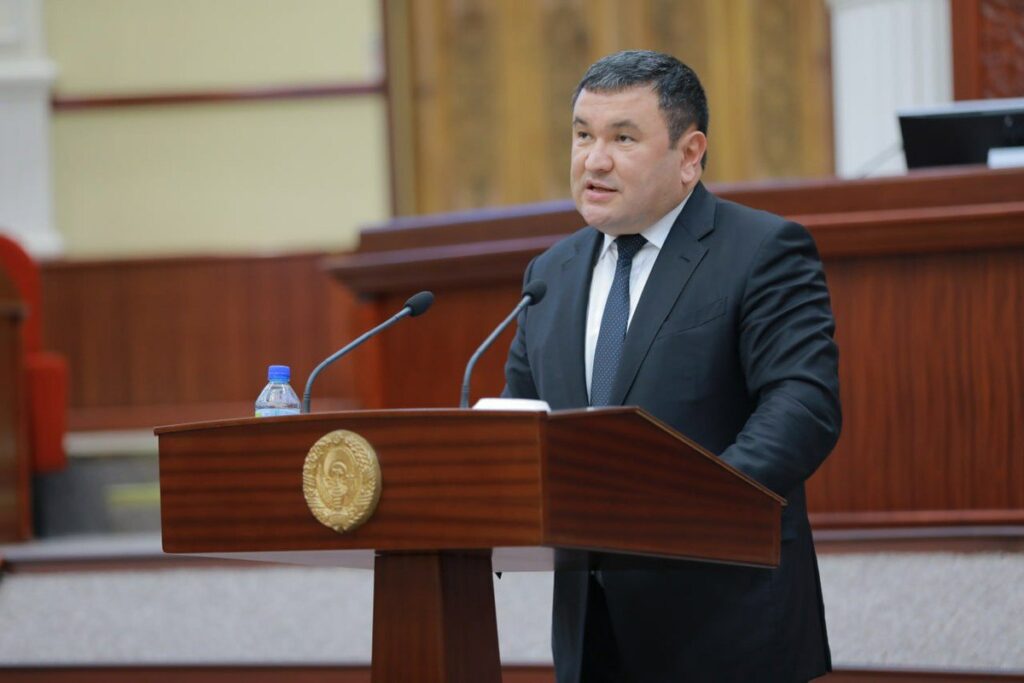
Kazakhstan is moving forward with plans to establish EnergyTech, a unified national digital platform for managing its fuel and energy complex. Energy Minister Yerlan Akkenzhenov announced the initiative during a recent government meeting.
EnergyTech will consolidate all elements of the sector, including power generation, subsoil use, refining, and coal, on a single platform aligned with QazTech standards. The full development and industrial launch are scheduled for 2026-2027.
According to Akkenzhenov, two modules of the platform are already in pilot operation.
The first, a monitoring service for heating season readiness, provides real-time data on assets, equipment condition, and repair planning. It has generated digital registries of generation facilities and is expected to reduce inspection times and lower the risk of seasonal accidents by 25%.
The second module streamlines the process of submitting and reviewing tariff approval requests. By eliminating paper workflows and enhancing transparency, the system has reduced approval times, cut operating costs, and lowered the administrative burden on market participants by 56%. The pilot covers 83 combined heat and power (CHP) plants.
Akkenzhenov also highlighted the low penetration of automated electricity metering systems among consumers. To address this, the government plans to install 4 million smart meters across 27 electricity suppliers within three years. This is projected to yield an annual economic benefit of $105 million by reducing regulatory losses.
Parallel efforts are underway to implement automated heat metering. More than 30,000 smart devices are needed for 52 heat supply organizations. The minister noted that, based on international benchmarks, comprehensive metering can cut heat consumption by up to 15%.
In addition, the ministry is planning to establish a sector-specific information security center and a national operator for energy-related information and communication infrastructure.
Artificial intelligence is also central to the government’s digital transformation strategy. An AI acceleration group has been formed within the energy ministry, along with an AI alliance that includes global technology companies.
The estimated economic impact of these AI projects ranges from $4.6 million to $78 million. Both are currently undergoing regulatory approval and are being prepared for broader implementation.
As previously reported by The Times of Central Asia, Kazakhstan is also exploring the use of AI tools in the legislative process.