Kazakhstan will soon expand its Red Book of rare and endangered species to include 11 new animal species, Deputy Minister of Ecology and Natural Resources Nurken Sharbiev announced this week.
Speaking at a session of the Senate Committee on Agrarian Issues, Nature Management, and Rural Development, Sharbiev noted that the current list includes 227 species, 132 vertebrates and 96 invertebrates. Kazakhstan is home to approximately 835 vertebrate and 100,000 invertebrate species in total.
The updated Red Book list, compiled by the Institute of Zoology based on biological assessments aligned with International Union for Conservation of Nature (IUCN) criteria, will include six invertebrates, three species of scorpions and three insects and five vertebrates. These vertebrates include two bird species, the white-headed vulture and cinereous vulture, both of which inhabit the mountainous regions of southern and eastern Kazakhstan; two reptiles, the Dzungarian and Tien Shan lizards; and one mammal, the jungle cat, found in the Syr Darya and Chu river deltas and in southern marshlands. At the same time, 21 invertebrate species will be removed from the list.
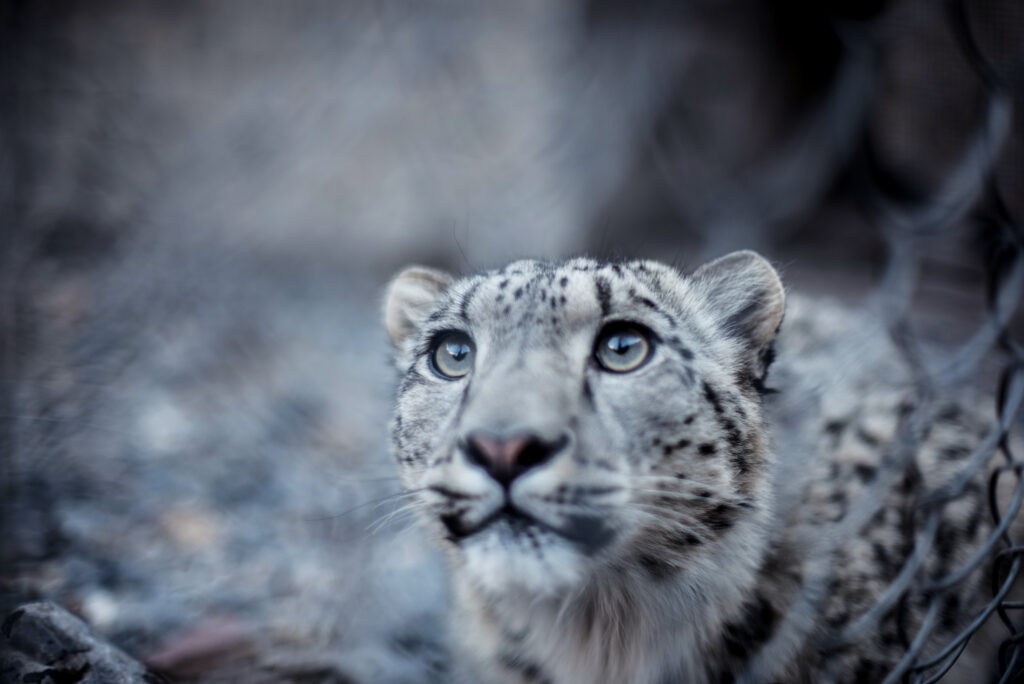
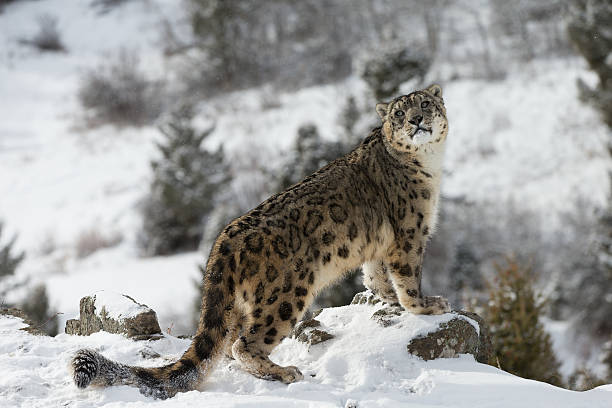
Sharbiev also highlighted encouraging progress in snow leopard conservation. The population of this endangered species has more than doubled from a critical low of 80 individuals in the late 1990s to 189 today.
“Thanks to conservation and monitoring efforts, we have managed to significantly increase the population from its critical level,” he said.
Once heavily hunted for its fur, the snow leopard remains listed by the IUCN as a rare species facing shrinking habitats and declining numbers. In Kazakhstan, it inhabits the southern and southeastern mountain systems, including the Western and Northern Tien Shan, the Dzungarian (Zhetysu) Alatau, as well as the Altai, Saur, and Tarbagatai ranges in the east. To support the species’ recovery, the government has established protected areas totaling 3.6 million hectares, about 70% of the snow leopard’s known habitat. Eleven leopards have been fitted with satellite collars to monitor their movements and guide conservation measures.
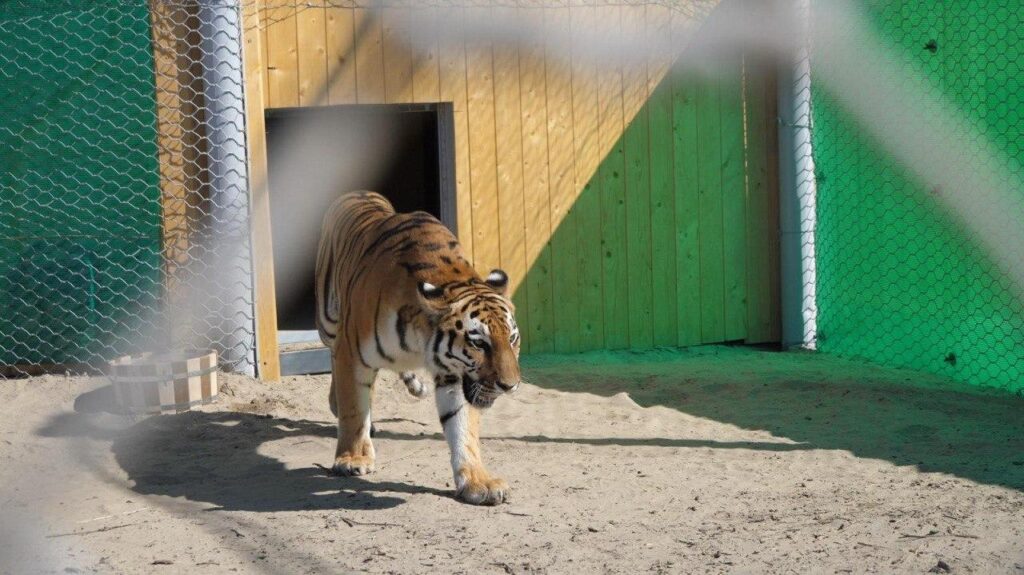
Sharbiev also spoke about Kazakhstan’s ongoing efforts to reintroduce the Turanian tiger. As previously reported by The Times of Central Asia, two tigers brought from the Netherlands successfully survived their first winter in the country in 2024. A 415,000-hectare nature reserve, Ile-Balkhash, has been established in Almaty region to support the reintroduction program.
Extinct in Kazakhstan since the mid-20th century due to poaching, agriculture, and habitat destruction, the Turanian tiger (Panthera tigris virgata) is being gradually reintroduced. Three to four additional tigers are expected to arrive from Russia in 2026.
To restore the predator’s natural prey base, authorities have released 205 Bukhara deer into the Ile-Balkhash reserve between 2018 and 2024, relocated more than 100 kulans, and increased populations of roe deer and wild boar.
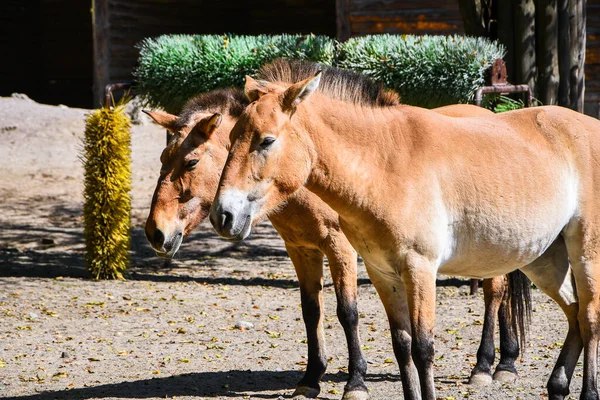
As also previously reported by The Times of Central Asia, Kazakhstan is simultaneously working to restore populations of the Przewalski’s horse, alongside the Turanian tiger and snow leopard.