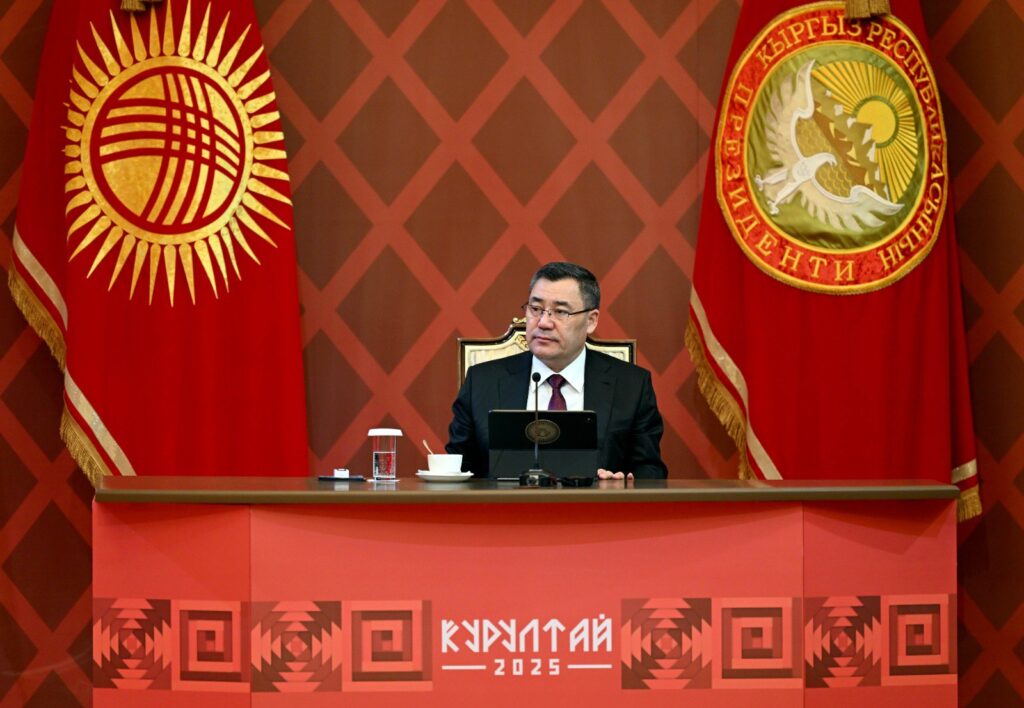
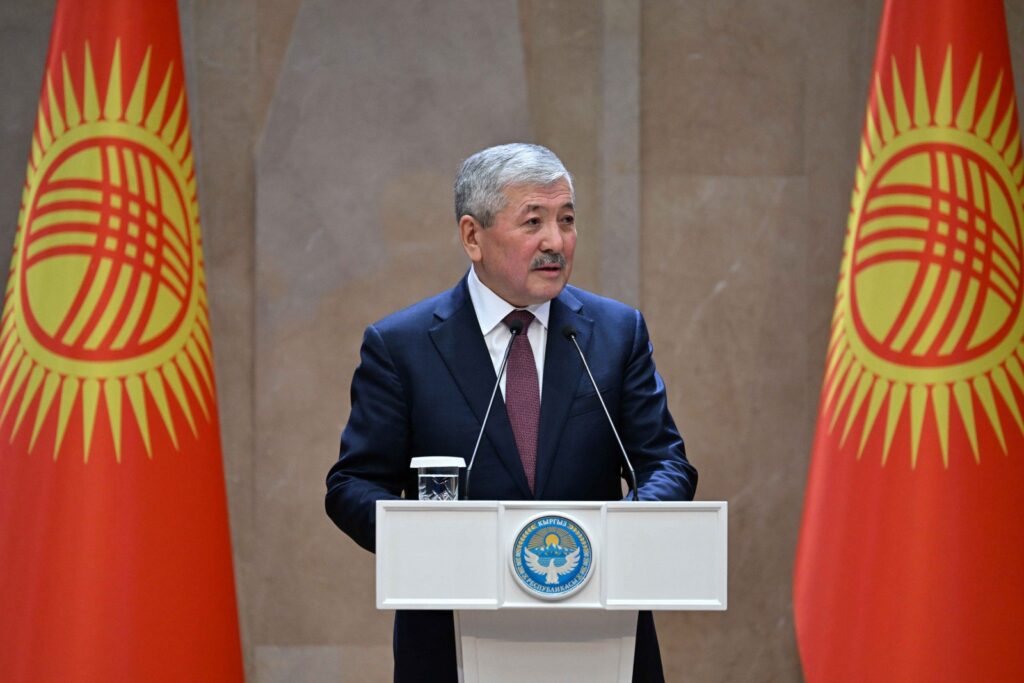
Kyrgyzstan’s consolidated budget for 2025 is expected to exceed $12.5 billion, marking the first time it will cross the historic threshold of one trillion soms. The announcement was made by Chairman of the Cabinet of Ministers Adylbek Kasymaliev during a government meeting on December 8.
Kasymaliev stated that while the 2025 state budget was initially approved at the equivalent of $8 billion, it had expanded by $4.3 billion by year-end, leaving the country with a budget surplus of more than $110 million.
According to the Statistics Department of the Eurasian Economic Commission, Kyrgyzstan was the only member of the Eurasian Economic Union (EAEU) to post a budget surplus in the first nine months of 2025. The surplus totaled $1 billion, with revenues reaching $4.9 billion and expenditures at $3.9 billion. By comparison, the surplus in the same period of 2024 was $0.5 billion.
Citing International Monetary Fund data, Kasymaliev noted that Kyrgyzstan ranked among the top three countries globally in terms of real GDP growth in 2024.
The national economy grew by 10% in the first ten months of 2025, with all major sectors showing expansion. The construction sector led with a remarkable 42.8% growth rate.
GDP per capita for 2025, initially projected at $2,616, is now expected to reach $2,770 by the end of the year.
Kyrgyzstan’s international reserves also saw a significant increase. As of the end of October 2025, reserves stood at $7.955 billion, up by $3.02 billion compared to October 2024, according to the National Bank.
The National Statistics Committee earlier reported that Kyrgyzstan’s GDP grew by 11.5% in 2024. Services accounted for the largest share of GDP at 52.3%, followed by goods-producing industries at 33.3%, industry at 17%, construction at 7.7%, and agriculture at 8.6%.
The Eurasian Development Bank (EDB) forecasts record-high economic growth for Kyrgyzstan in 2025, driven by robust investment activity. From January to October, fixed capital investment rose by 18.9%, with state budget funds and company resources accounting for 31% and 23% of that total, respectively.