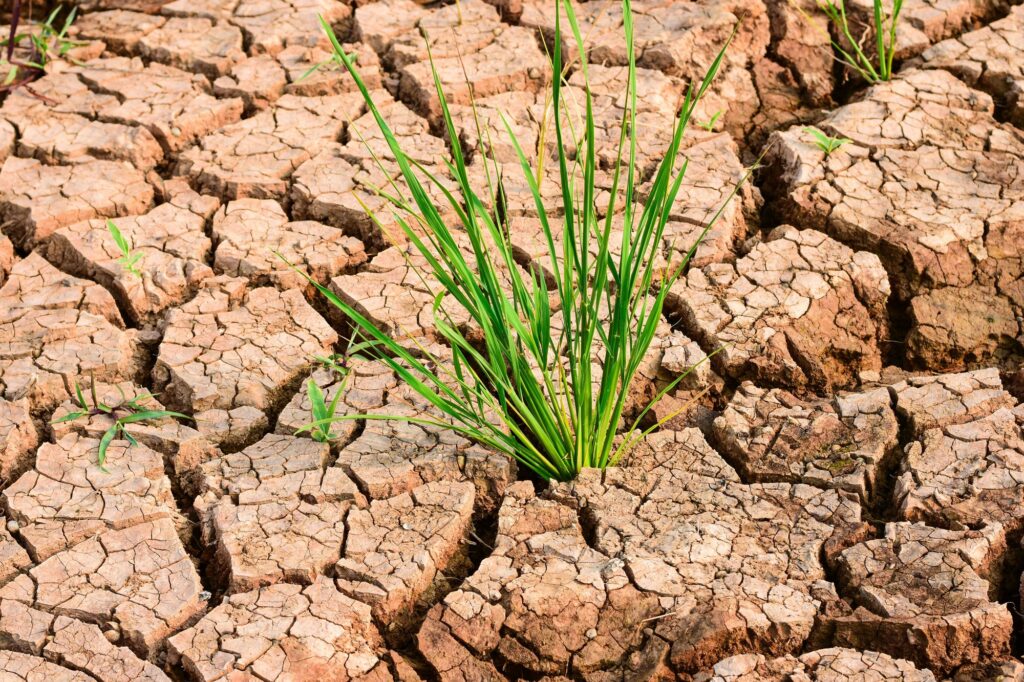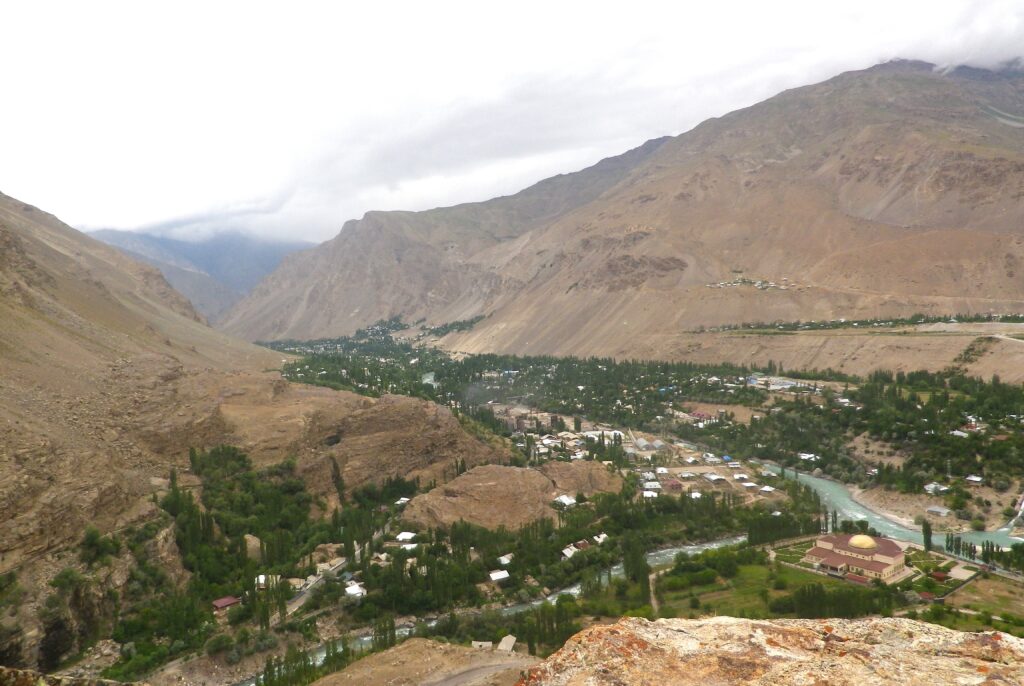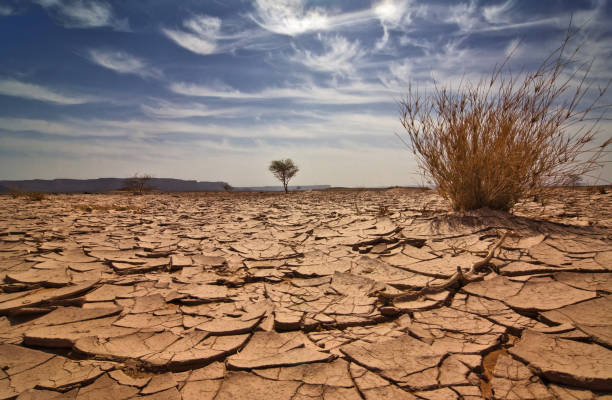
Climate change in Tajikistan is no longer a future concern, it is an immediate crisis. Farmers across the country are grappling with the effects of melting glaciers, prolonged heatwaves, and dust storms that are disrupting traditional agricultural cycles.
In Vahdat district, the Usto Murod farm has adopted a dual-harvest strategy to mitigate risk. “If one crop fails, the second helps cover the costs,” says farmer Galatmo Alieva. But increasingly rapid glacier melt has doubled irrigation needs from three rounds per season to six. Heatwaves and dust storms have further damaged crops, while honey yields have plummeted from 25 kilograms per hive to just five.
To cope, Alieva’s family installed a biogas plant with support from the United Nations Development Programme (UNDP), saving between $550 and $1,100 annually. However, broader adaptation measures remain financially out of reach. Loan interest rates hover around 31%, and water-efficient drip irrigation is used only in greenhouses.
Unequal Access, Dwindling Resources
Other farmers face even harsher realities. Rain-fed plots deliver meager returns, pastures are drying up, and water distribution remains inequitable. “Those at the canal head take all the water,” laments farmer Bakhtiyor.
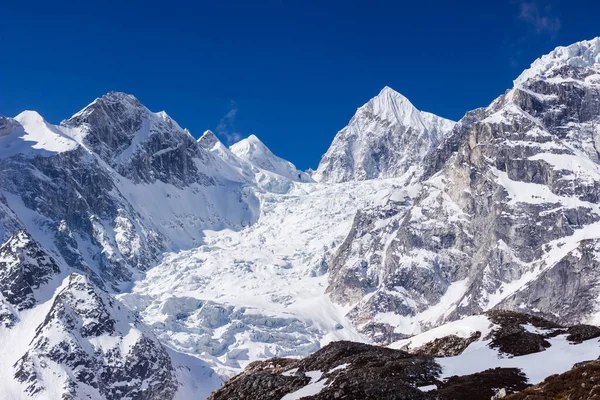
Engineer Alexander Pirov warns that accelerating glacier melt threatens not only agriculture but also the country’s hydropower sector. By 2080, Tajikistan is expected to experience 12 additional days per year with temperatures exceeding 40°C, compared to the 1986-2005 average.
Already, 70% of Tajikistan’s arable land is considered degraded.
High Costs, Limited Support
Water-saving technologies could significantly improve crop yields and farmer incomes, yet the upfront costs, estimated at $5,000 or more, remain prohibitive for most rural families.
As climate risks intensify, Tajikistan’s rural population is increasingly vulnerable. Without targeted investments in adaptation, infrastructure, and equitable resource distribution, the country’s agricultural backbone may begin to fracture under the weight of a rapidly changing environment.