• KGS/USD = 0.01144 0%
  • KZT/USD = 0.00213 0%
  • TJS/USD = 0.10456 0.19%
  • UZS/USD = 0.00008 0%
  • TMT/USD = 0.28490 0%
  • KGS/USD = 0.01144 0%
  • KZT/USD = 0.00213 0%
  • TJS/USD = 0.10456 0.19%
  • UZS/USD = 0.00008 0%
  • TMT/USD = 0.28490 0%
  • KGS/USD = 0.01144 0%
  • KZT/USD = 0.00213 0%
  • TJS/USD = 0.10456 0.19%
  • UZS/USD = 0.00008 0%
  • TMT/USD = 0.28490 0%
  • KGS/USD = 0.01144 0%
  • KZT/USD = 0.00213 0%
  • TJS/USD = 0.10456 0.19%
  • UZS/USD = 0.00008 0%
  • TMT/USD = 0.28490 0%
  • KGS/USD = 0.01144 0%
  • KZT/USD = 0.00213 0%
  • TJS/USD = 0.10456 0.19%
  • UZS/USD = 0.00008 0%
  • TMT/USD = 0.28490 0%
  • KGS/USD = 0.01144 0%
  • KZT/USD = 0.00213 0%
  • TJS/USD = 0.10456 0.19%
  • UZS/USD = 0.00008 0%
  • TMT/USD = 0.28490 0%
  • KGS/USD = 0.01144 0%
  • KZT/USD = 0.00213 0%
  • TJS/USD = 0.10456 0.19%
  • UZS/USD = 0.00008 0%
  • TMT/USD = 0.28490 0%
  • KGS/USD = 0.01144 0%
  • KZT/USD = 0.00213 0%
  • TJS/USD = 0.10456 0.19%
  • UZS/USD = 0.00008 0%
  • TMT/USD = 0.28490 0%

Georgia to Help Kazakhstan Develop Olive Production

Kazakhstan’s ambassador to Georgia, Malik Murzalin recently visited olive plantations in the Georgian region of Kakheti. Olive tree seedlings from this region are to be planted in several regions of Kazakhstan, the Foreign Ministry has reported.

Georgian businessman, George Svanidze, who was the president of the International Olive Council in 2020, showed Murzalin the olive production and processing industry in Georgia, and spoke about plans to develop an olive industry in Kazakhstan with the support of Georgian specialists. These plans include planting the best varieties of olive trees, creating plantations, launching a processing plant, and obtaining an international certificate necessary for exporting Kazakh olives abroad.

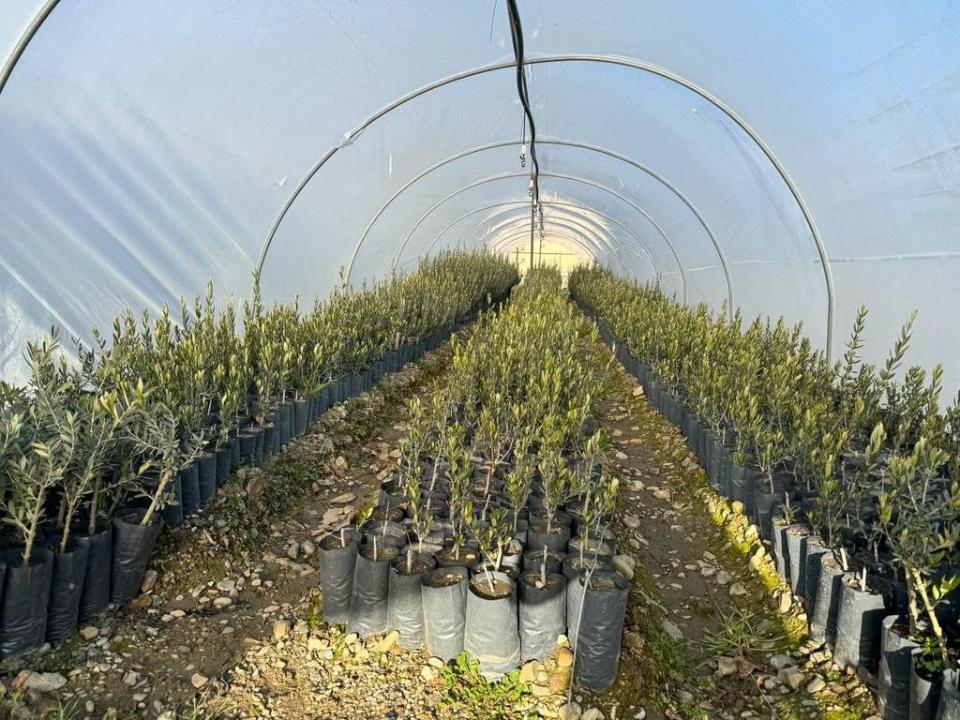
To date, an experimental planting of olive tree seedlings has been completed in Kazakhstan’s Zhetysu and Mangistau regions. This year, it is also planned to send Georgian olive tree seedlings to the Turkestan region.

Svanidze stated that Georgia is ready to share its knowledge, experience and innovations in growing olives in Kazakhstan. He also promised to assist Kazakhstan in obtaining membership of the International Olive Council, the organization that controls 90% of the world’s income from olive oil and 74% of its trade.

Shares of Air Astana Begin Trading on Local and London Bourse

Early trading in shares of Kazakhstan’s air carrier, Air Astana, began today on securities exchanges in Astana and London as part of an initial public offering (IPO).

Trading in Air Astana’s global depositary receipts (GDRs) — a tool used by foreign investors to trade local shares of a company — also started using the company’s common shares on the Astana International Exchange (AIX), priced in U.S. dollars. Price quotes are published on the AIX’s website.

“Freedom Broker acted as a market-maker on [the AIX]. Early trades turned into main trades after completion of settlements and distribution of securities to investors’ accounts in the depository system, in accordance with the applications submitted during the IPO period,” reads an official statement.

According to the results of early trading, the final price of Air Astana’s initial public offering was 1,073.83 tenge per share and $9.5 per GDR, putting the estimated market capitalization of the company at about $847 million at the start of trading.

As part of Air Astana’s IPO, shareholders BAE Systems of the U.K. sold 7,533,109 GDRs and Kazakh national wealth fund Samruk Kazyna sold 60,393,877 shares (with an additional issue). BAE Systems sold 14,187,643 GDRs on the international market
.
Gross proceeds from the offering are estimated at about $350-370 million — of which about $120 million will be used by the airline itself to finance its growth strategy.

The main public auction for Air Astana securities is scheduled for February 15 and will be held on the AIX, the Kazakhstan Stock Exchange (KASE, Almaty), and the London Stock Exchange (LSE).

Japan-Funded Project Helps Tajikistan Manage Its Border With Afghanistan

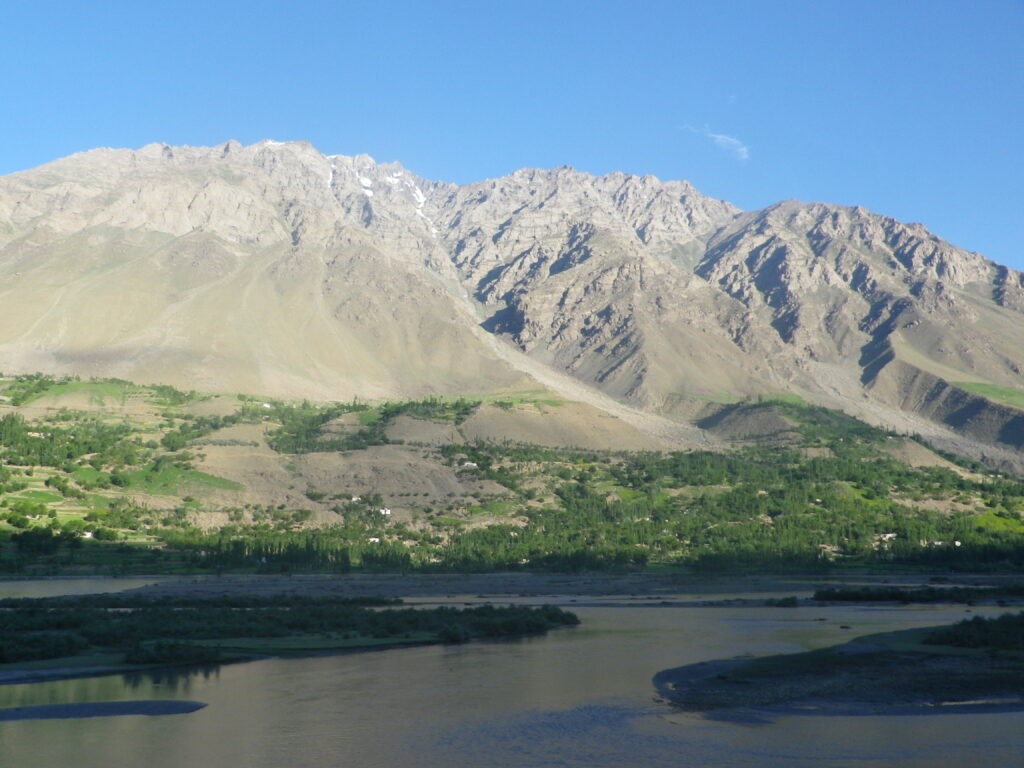
Japan has long been a “steadfast supporter of Tajikistan, contributing tens of millions of dollars to the country’s development through the United Nations Development Programme (UNDP).” The Japanese government, through its Japan International Cooperation Agency (JICA), is also funding the “Border Management Project” – an initiative to support the Tajik Government in controlling its national border with Afghanistan, UNDP Tajikistan reports.

The project aims to both secure the length of the Tajik-Afghan border and facilitate cross-border trade. It was initially launched in 2015, and will run until 2025. Since its launch the parties have constructed a new border checkpoint at Langar, and modernized the old checkpoints at Khumrogi and Shogun.

Toshihiro Aiki, Japan’s ambassador to Tajikistan, recently commented: “We have had favorable relationships with the government of Tajikistan since its first steps of independence. Japan supports Tajikistan in many ways, considering strategic aspects, especially in light of the changed political landscape involving the whole Eurasian continent. There are some challenges that not only Tajikistan but most of the countries face.” 

Given the problem of drug trafficking at the Tajik-Afghan border, the initiative is also supporting Tajikistan in disrupting illicit activities, protecting border communities from the harmful effects of the drug trade. 

Thirty-Three Children Die from Influenza

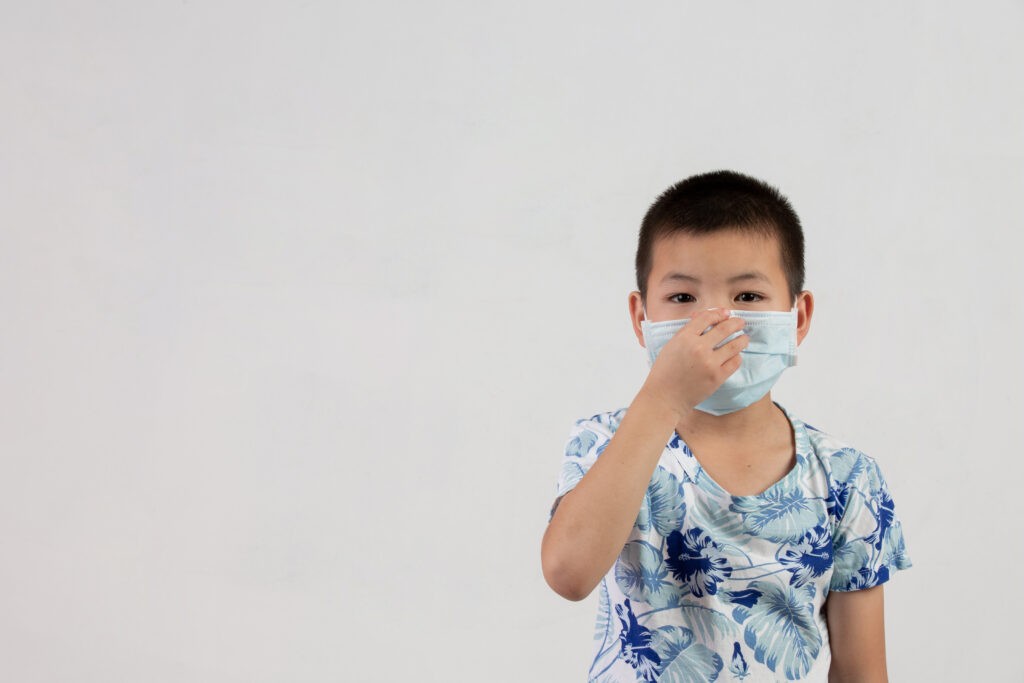
Thirty-three children have died in Turkmenistan due to the flu epidemic, and the majority of those children had congenital heart and respiratory diseases, according to a report by the Chronicle of Turkmenistan news portal.

Children aged five to seven made up the majority of cases. The flu crisis has since abated, but only after hospitals experienced overcrowding when the pandemic was at its peak and a ban came into force against placing patients from Etrap (the territorial unit of Turkmenistan) in city hospitals. In the intensive care and therapy departments of hospitals, plastic-lined departments were installed where patients with influenza were treated.

The epidemic had exposed a shortage of medications and medical supplies, according to comments made by the leaders of various medical facilities. Thanks to Uzbekistan’s assistance, which included a large shipment of medications, this shortage was addressed. Officials mandated the equipping of one or two rooms with state-of-the-art resuscitation equipment in each hospital department.

Ashgabat and the surrounding areas saw a high incidence of influenza in December and the beginning of January 2024. Many patients were sent home for treatment, because the capital’s hospitals were overcrowded. The majority of home remedies, however, appear to have increased infection rates.

China The Largest Foreign Investor In Uzbekistan

According to Uzbekistan’s Statistics Agency, in 2023 investments in the country’s fixed capital amounted to $28.5bn, with the share of foreign investment and loans in fixed capital reaching 53.4%.

The largest part of foreign investments and loans came from China (25.6% of the total). Russia was in second place (13.4%), Saudi Arabia was third (7.9%), followed by Turkey (6.4%), the United Arab Emirates (5.8%), and Germany (4.3%).

China Lifts Restrictions On Importing Livestock From Kazakhstan

China has lifted restrictions on the import of poultry from Kazakhstan, as well as removing import restrictions related to foot-and-mouth disease in cattle, the Kazakh Ministry of Agriculture has announced. 

China’s ban on Kazakh poultry has been in place since 2005, and restrictions on the import of Kazakh meat due to foot-and-mouth disease concerns were introduced in 2022. The lifting of the restrictions allows exports of frozen beef and pork from the southeastern regions of Kazakhstan to resume, as well as of a wide range of poultry products.

The decision to lift the ban comes as a result of president Kassym-Jomart Tokayev’s visit to China last year, during which he raised this issue in talks with his Chinese counterpart, Xi Jinping.

During 2023 China conducted a risk assessment for avian flu and foot-and-mouth disease in Kazakhstan. In December, specialists from the Chinese customs service and Ministry of Agriculture visited Kazakhstan to assess the country’s veterinary service, to make sure that it provides sufficient control over foot-and-mouth disease.

According to the Kazakh Ministry of Agriculture, between January and October 2023 agricultural trade between Kazakhstan and China increased by 70% and exceeded $1bn, with Kazakh exports amounting to $811.1m.