• KGS/USD = 0.01144 0%
  • KZT/USD = 0.00213 0%
  • TJS/USD = 0.10678 -0.19%
  • UZS/USD = 0.00008 0%
  • TMT/USD = 0.28490 -0.28%
  • KGS/USD = 0.01144 0%
  • KZT/USD = 0.00213 0%
  • TJS/USD = 0.10678 -0.19%
  • UZS/USD = 0.00008 0%
  • TMT/USD = 0.28490 -0.28%
  • KGS/USD = 0.01144 0%
  • KZT/USD = 0.00213 0%
  • TJS/USD = 0.10678 -0.19%
  • UZS/USD = 0.00008 0%
  • TMT/USD = 0.28490 -0.28%
  • KGS/USD = 0.01144 0%
  • KZT/USD = 0.00213 0%
  • TJS/USD = 0.10678 -0.19%
  • UZS/USD = 0.00008 0%
  • TMT/USD = 0.28490 -0.28%
  • KGS/USD = 0.01144 0%
  • KZT/USD = 0.00213 0%
  • TJS/USD = 0.10678 -0.19%
  • UZS/USD = 0.00008 0%
  • TMT/USD = 0.28490 -0.28%
  • KGS/USD = 0.01144 0%
  • KZT/USD = 0.00213 0%
  • TJS/USD = 0.10678 -0.19%
  • UZS/USD = 0.00008 0%
  • TMT/USD = 0.28490 -0.28%
  • KGS/USD = 0.01144 0%
  • KZT/USD = 0.00213 0%
  • TJS/USD = 0.10678 -0.19%
  • UZS/USD = 0.00008 0%
  • TMT/USD = 0.28490 -0.28%
  • KGS/USD = 0.01144 0%
  • KZT/USD = 0.00213 0%
  • TJS/USD = 0.10678 -0.19%
  • UZS/USD = 0.00008 0%
  • TMT/USD = 0.28490 -0.28%

U.S.-Kazakhstan Tungsten Venture Advances as Critical Minerals Cooperation Deepens

A U.S.-linked critical minerals venture in Kazakhstan is moving forward with plans to develop one of the world’s largest undeveloped tungsten resources, strengthening cooperation between Washington and Astana at a time of growing demand for secure mineral supply chains and greater Western interest in Central Asia’s strategic minerals base.

Skyline Builders Group Holding Ltd. and Cove Kaz Capital Group LLC have announced a merger agreement that would create Kaz Resources Inc., a Nasdaq-listed company focused on tungsten, rare earths, and other critical minerals. The combined company is expected to trade under the ticker symbol “KAZR,” subject to shareholder and regulatory approvals and other closing conditions.

The transaction builds on cooperation between Cove Kaz Capital and Kazakhstan’s national mining company, Tau-Ken Samruk. Cove Kaz has acquired a majority interest in Severniy Katpar LLP, which holds licenses for the Northern Katpar and Upper Kairakty tungsten projects in Kazakhstan’s Karaganda mining district, while Tau-Ken Samruk retains a minority stake, giving Kazakhstan’s state mining sector continued participation in the project.

The Financial Times has reported that Donald Trump Jr. and Eric Trump held indirect stakes in Skyline Builders, the Nasdaq-listed company that has agreed to combine with Cove Kaz Capital. The reported investments were made through a Dominari-affiliated vehicle before the business combination. The report has drawn scrutiny because of the project’s connection to U.S. critical minerals policy and potential U.S. government-backed financing.

The report cites no evidence that the Trump sons influenced the project award or the financing process. A spokesperson for Donald Trump Jr. said he is a passive investor, has no operational role, and does not engage with the federal government on behalf of companies in which he invests or advises. Eric Trump did not respond to requests for comment reported by the Financial Times.

The Export-Import Bank of the United States and the U.S. International Development Finance Corporation have issued letters of interest indicating potential financing support for the project. Such letters are preliminary expressions of interest, not final loan approvals, binding commitments, or government contracts, and any financing would remain subject to due diligence, agency approvals, and other conditions.

The projects are strategically significant because tungsten is widely used in defense, aerospace, industrial manufacturing, and advanced technologies. The United States has identified tungsten as a critical mineral and has sought to diversify supply chains amid heavy global dependence on China.

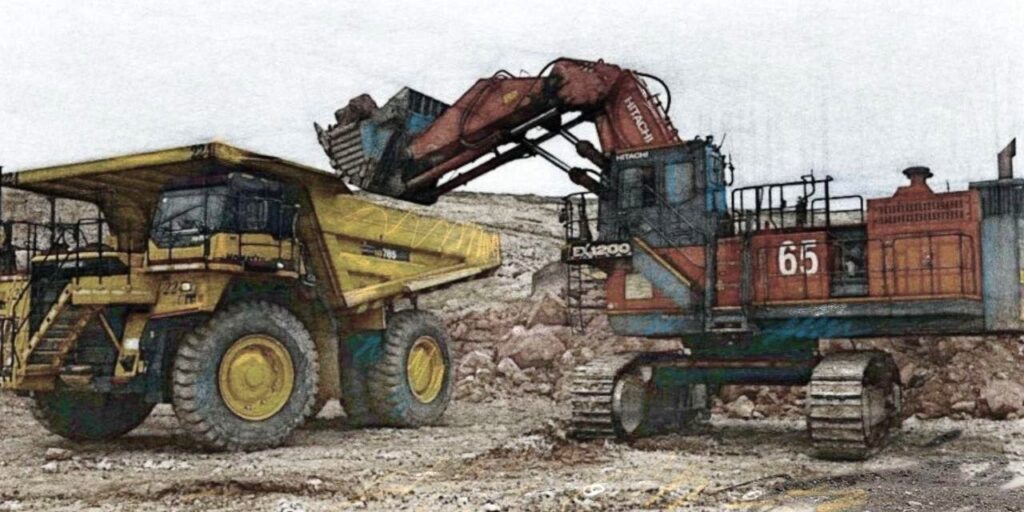
Kazakhstan’s tungsten deposits hold significant potential, but many remain at an early stage of development, requiring substantial investment and time before production can scale. Even so, the country has begun to emerge as a meaningful producer, with public and industry estimates pointing to Kazakhstan becoming a top-three producer in 2025 after the launch of the Boguty deposit, behind China and Vietnam. The Association of Mining and Metallurgical Enterprises has cited production of around 2,400 tons of tungsten in 2025.

The country’s rising role in the global market coincides with a sharp increase in tungsten prices. Following export restrictions imposed by China in February 2025, prices rose sharply through 2025 and into 2026, with market reporting describing record or near-record pricing for key tungsten products.

Kazakhstan also began exporting tungsten concentrates for the first time, shipping 3,700 tons worth $71 million in 2025, all of which was sent to China, underscoring both strong external demand, Kazakhstan’s exposure to a single downstream market, and Astana’s interest in developing more domestic processing capacity.

Russian and Chinese companies have previously sought to develop Kazakhstan’s tungsten deposits. Earlier efforts involving Russian and Chinese counterparties, including prior discussions tied to Xiamen Tungsten and a Tatneft-related memorandum, underscore broader international interest in Kazakhstan’s tungsten base and the strategic importance of the Severny Katpar area.

For Kazakhstan, the project supports efforts to attract international investment, develop its role as a supplier of strategic minerals, and expand value-added processing at home. For the United States, it offers a potential path to diversify critical mineral supply chains and reduce reliance on concentrated sources of tungsten.

The deal highlights Kazakhstan’s growing role in U.S. supply-chain strategy, the intensifying global competition over critical minerals, and the heightened public scrutiny surrounding the financing of strategic resource projects.

School Digitalization in Turkmenistan Increases Workload for Teachers

The rollout of electronic gradebooks in Turkmenistan, intended to streamline teachers’ work, has had the opposite effect, with educators reporting increased workloads, technical issues, and tighter oversight.

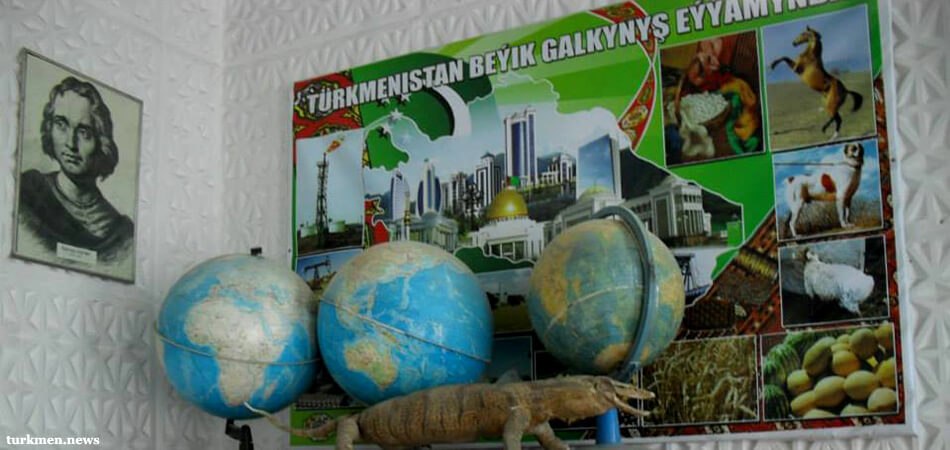
As part of a broader push toward digitalization, authorities have required school staff to use the eMekdep system to record grades, manage lesson plans, and generate analytics. According to its developers, the platform enables work “anytime, anywhere” and is designed to reduce paperwork. Teachers, however, say the reality is far less efficient.

Electronic journals can only be filled out with a stable internet connection, which remains unreliable even in the capital. “If two people log into our school’s network at the same time, it crashes,” a teacher in Ashgabat said.

As a result, many educators are forced to rely on mobile data or home internet at their own expense, an added burden given their relatively low salaries, which range from $175 to $275 per month. Teachers also report contributing financially to school needs, including repairs and equipment, and, in some regions, even covering costs related to hiring cotton pickers.

The main challenge, however, is not financial but administrative. Paper gradebooks have not been phased out, leaving teachers to maintain three parallel records: an official paper journal, a working notebook, and the electronic system. This duplication significantly increases the risk of errors.

To save data, many teachers first record grades by hand and later transfer them into the system at home, a process that often leads to delays and inaccuracies. Given that the majority of teachers are women, many must also balance these demands with family responsibilities.

At the same time, oversight has intensified. Moderators at both school and district levels monitor how teachers fill out gradebooks. Discrepancies between paper and electronic records require written explanations. Deadlines for entering data have also been tightened from up to 10 days previously to just two days, with the possibility of further reduction to 12 hours. Schools may be reprimanded if teachers fail to meet these deadlines.

Technical problems remain a major issue. Users report software bugs that can cause pages to take up to 30 seconds to load. “In that time, it’s faster to mark grades for an entire class with a pen,” one teacher noted.

Earlier reports have highlighted broader restrictions on access to certain services and efforts to control alternative communication channels, including the confiscation of Starlink satellite internet equipment. In such conditions, digital solutions remain heavily dependent on infrastructure that often struggles to handle the load.

Kazakhstan’s SMEs Face Severe Labor Shortage

Small and medium-sized enterprises (SMEs) in Kazakhstan have become one of the country’s main sources of employment, but are facing a severe labor shortage, according to a joint report by Mastercard and KPMG.

The report identifies workforce shortages as one of the most pressing challenges for SMEs, with nearly half of businesses reporting acute staffing deficits. The main reasons cited are the limited supply of qualified specialists and their high cost.

According to the report, SME executives say, “It is difficult to find qualified employees, especially production managers: candidates do not meet requirements, and staff are not motivated to develop, despite high salaries and good working conditions. Scaling up the business requires increasing the number of skilled employees, which is constrained by limited financial resources and labor shortages.”

At the same time, 90% of surveyed business leaders say they face high salary expectations from potential employees, which smaller firms struggle to meet. Around 70% of respondents also acknowledge that SMEs are widely perceived as less prestigious places to work.

Labor productivity in micro and small businesses remains more than twice as low as in medium and large enterprises. In 2025, a worker in a small business generated an average of about $10,100, compared with $34,300 in medium-sized firms, and the gap continues to widen.

Limited access to financing and the high cost of borrowing also remain major constraints for SMEs.

Additional factors hindering SME development include an unstable tax and regulatory environment, as well as broader macroeconomic volatility.

Despite these challenges, SMEs are a key source of employment in Kazakhstan. Over the past five years, employment in the sector has grown from 40% to 50% of the workforce. Today, around 4.7 million people out of 9.3 million employed nationwide work in SMEs, meaning roughly one in two workers is employed in this segment.

According to the report, SME employment has been growing at an average annual rate of 6%, while employment in other sectors has declined by about 3% per year.

“The concentration of employment in SMEs makes the labor market vulnerable to tax and regulatory changes: negative shocks in the sector could directly translate into rising unemployment,” the report notes.

As previously reported by The Times of Central Asia, SMEs currently account for about 40% of Kazakhstan’s GDP, a figure that remains below benchmark countries such as Turkey (41%), the United States (44%), and Uzbekistan (52%).

Kazakhstan to Develop Maritime Component of Trans-Caspian Transport Route

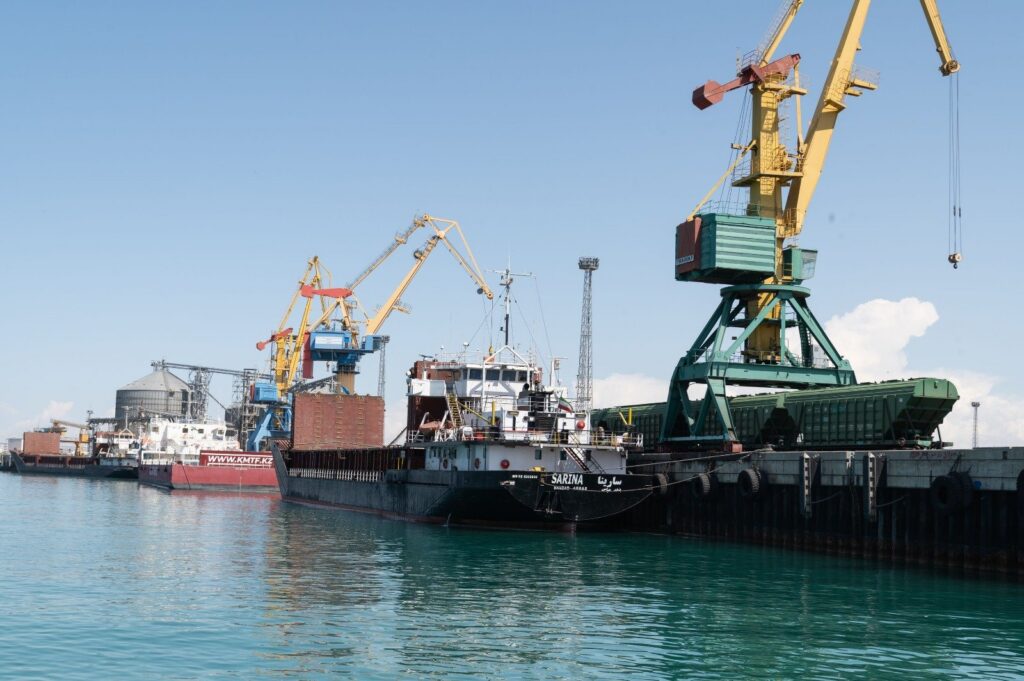
Kazakhstan’s national railway operator, Kazakhstan Temir Zholy (KTZ), is moving to build its own maritime fleet to expand the Trans-Caspian International Transport Route (TITR).

Also known as the Middle Corridor, the TITR is a multimodal transport corridor linking China and Europe through Central Asia and the South Caucasus, offering an alternative to routes that pass through Russia.

KTZ Express Shipping, a subsidiary of KTZ, has signed contracts for the construction of six general-purpose dry cargo container ships. Agreements have been concluded with China’s Jiangsu Haizhongzhou Shipping Industry Co., Ltd. for the construction of four vessels and with Azerbaijan’s Baku Shipyard for the construction of two.

The vessels will be river-sea ships with a deadweight of up to 9,900 tons and a capacity of up to 537 TEUs, adapted for operations on both the Caspian and Black Sea routes. This is expected to support the integration of the maritime segment into the TITR’s multimodal logistics chain.

The ships will be equipped with modern navigation systems in line with international requirements and environmental standards. Their safety, reliability, and environmental performance are expected to enhance their suitability for international routes and increase confidence among global shippers.

The project is intended to give Kazakhstan a larger role in the TITR by establishing a sustainable maritime component of the route.

Kazakhstan’s maritime transport sector has recorded steady growth in recent years. In 2025, maritime cargo volumes reached 8 million tons, a 7% increase compared to 2024. Container traffic through Kazakh seaports rose by 29% to 90,637 TEUs, while cargo volumes transported along the TITR increased by 36%.

Under the country’s comprehensive maritime infrastructure development plan for 2024-2028, Kazakhstan intends to establish a major transport and logistics cluster based on the ports of Aktau and Kuryk. The plan includes expanding container handling capacity, developing cargo terminals and international shipping logistics, and reducing administrative barriers. By 2028, total cargo throughput at the ports is expected to increase by 50%, while container handling volumes are projected to triple.

Plans are also in place to increase container traffic along the TITR, including the transit of 600 container trains from China through Kazakhstan this year.

As previously reported by The Times of Central Asia, freight volumes transported along the Middle Corridor through Kazakhstan have grown more than five times over the past seven years, increasing from 0.8 million tonnes to 4.5 million tonnes annually.

Artist Aigerim Karibayeva on How Kazakhstan Is Searching for Its Visual Identity

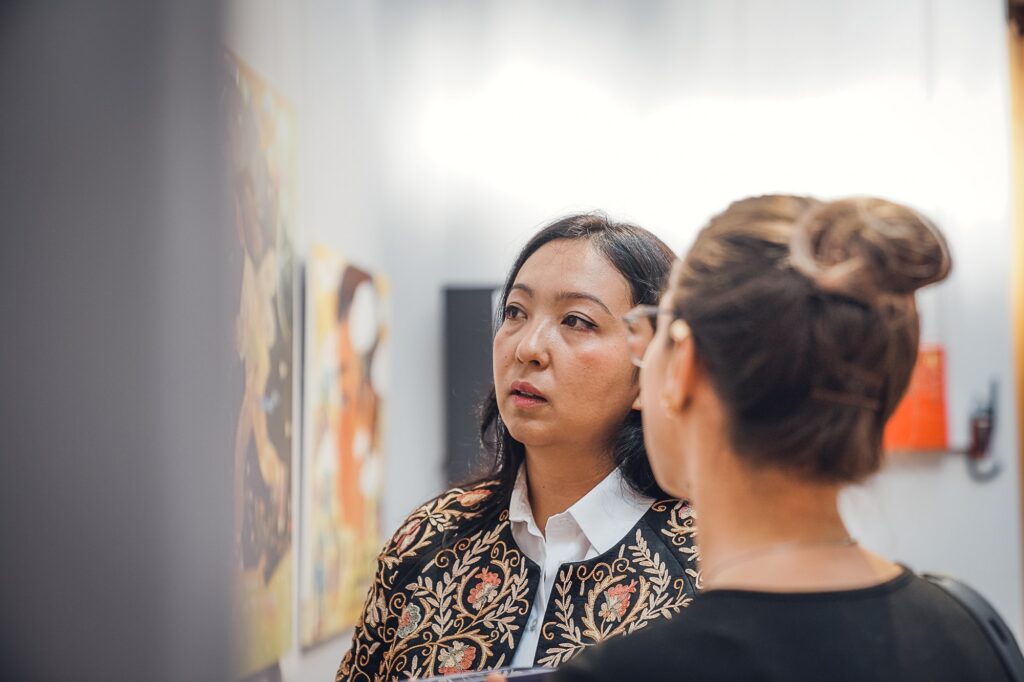
Kazakh artist Aigerim Karibayeva is part of a new visual wave that seeks to blend traditional culture and contemporary aesthetics. Her distinctive style – bright, airy, almost spring-like imagery infused with ethnic motifs and scenes from everyday life – has moved beyond social media into major exhibition spaces. Her works are currently on display at the Kasteyev State Museum of Arts, where her solo exhibition My Sky Above Me recently opened.

In an interview with The Times of Central Asia, she discusses how she coined the term “ethno-modernism,” why ethnic aesthetics is surging in popularity, and how Kazakhstan is searching for its own visual identity.

TCA: Aigerim, you describe your work as “ethno-modernism.” How did you arrive at that concept?

Aigerim Karibayeva: I started moving in this direction and sharing my work on Instagram several years ago. I quickly found my audience; there was strong interest from the media and many interviews. To talk about my work, I needed a term that would define it, something verbal. But I didn’t want to call it simply “contemporary art,” because that didn’t reflect the essence of what I do. I thought: why not call it “ethno-modernism”?

I consulted the well-known art historian Olga Baturina, and she approved. The term immediately caught on. I now see it used in the press, on social media, and even in the profiles of young designers. Today, “ethno-modernism” is used to describe an entire wave of artists and designers, the boom we’ve been seeing over the past five years.

TCA: Why do you think ethno-modernism has become so popular now?

Aigerim Karibayeva: I think it’s been building for a long time. I’m trained as a graphic designer, so I have a strong visual awareness. I saw how interest in national style and ethnic elements gradually emerged in the country.

First, businesses began using it in branding, then advertising picked it up, and eventually it spread into mass culture. Now, ethnic elements combined with modern aesthetics have become a visible part of everyday life.
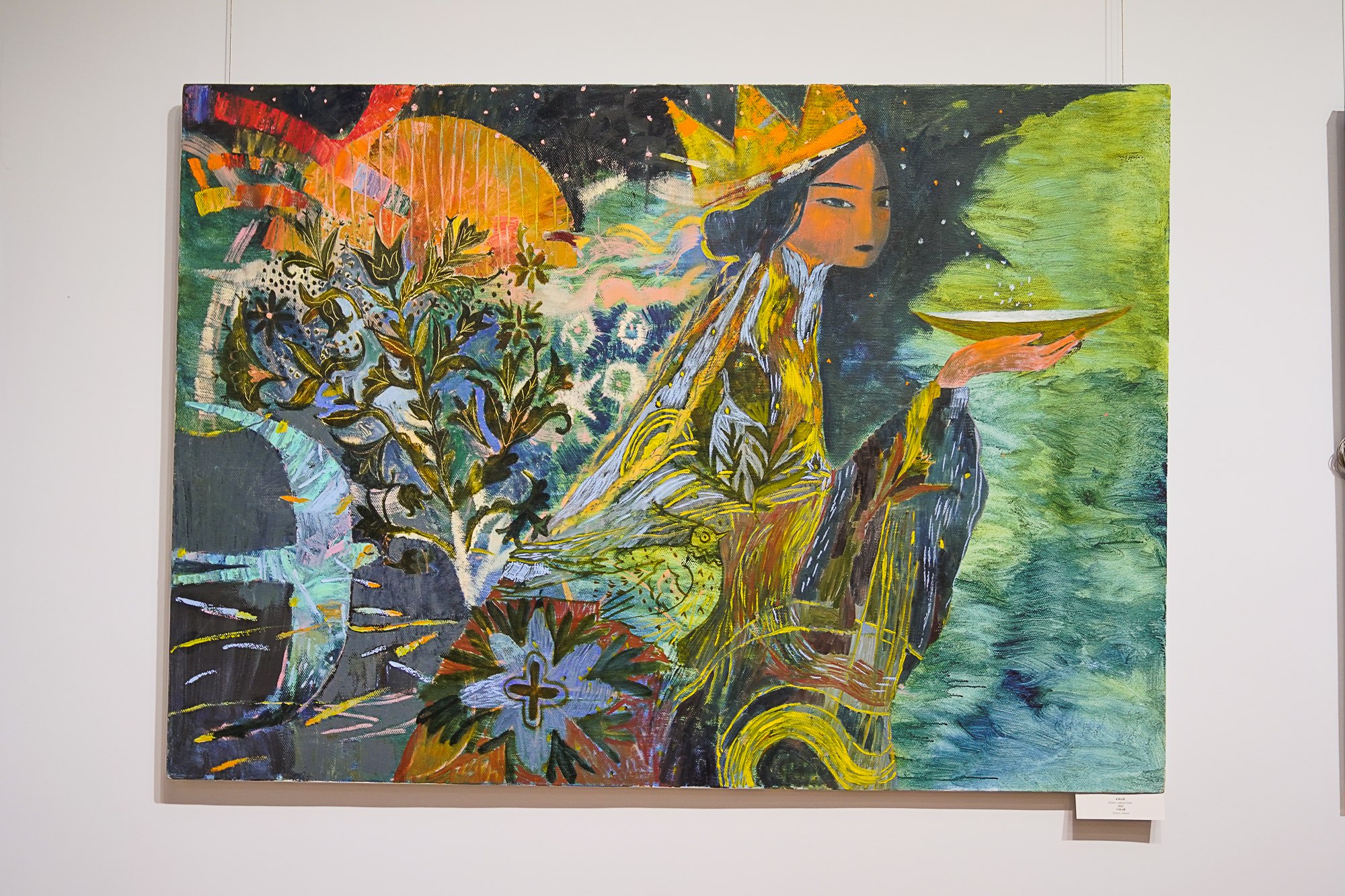
From a personal photo archive

TCA: That was especially noticeable during recent Nauryz celebrations – everyone seemed to be wearing ethnic-inspired clothing.

Aigerim Karibayeva: Exactly. Everyone is searching for a new cultural code right now, artists, musicians, filmmakers, craftspeople. At first, you create something within your own circle, among fellow artists, and then it spreads outward.

You start seeing and hearing it everywhere, for example, in new interpretations of Kazakh music. You recognize that mix, and it becomes a kind of key. You try to translate that same cultural fusion into your own work.

I’ve had people tell me they were inspired by my work. One woman approached me and said that after seeing a traditional headpiece, a taqiya, in my illustration, she was inspired to start making them herself and  launched a successful business. That’s how this wave works, there’s a ripple effect, and everyone picks it up.

TCA: There’s clearly strong demand for ethnic aesthetics right now.

Aigerim Karibayeva: I see it like this: imagine a vast expanse of gray asphalt, and suddenly a bright red flower grows in the middle. Your mind reacts instantly, it’s something striking, something that draws attention. That’s what contemporary ethnic aesthetics are like.

For a long time, there was a kind of vacuum, we didn’t know how to adapt our cultural code to modern realities in a way that felt authentic rather than kitsch. But there was a hunger for that authenticity. That’s why this boom happened.

TCA: Could it also be a response to globalization? Ethnic styles are trending worldwide.

Aigerim Karibayeva: Yes, but there are cultures whose visual identity we all instantly recognize, Japan, India, African countries. You hear the name and immediately picture colors, textures, symbols.

England brings to mind the monarchy, Tower Bridge, guards in bearskin hats. France, the Eiffel Tower and berets. Russia matryoshka dolls, winter. Even a Georgian khinkali dish has become a global symbol.

I realized that I could easily name symbols of other cultures, but struggled to identify recognizable symbols of Kazakhstan that could be just as portable and widely understood.

TCA: So you set out to create those symbols, your illustrations of Kazakh girls in traditional dress, flying on scooters, scattering stars, holding the sun?

Aigerim Karibayeva: Yes, my background as an illustrator played a big role. I only recently began focusing more on painting. I started with illustration, which is easier to consume as it’s more accessible.

Painting is harder to translate into digital formats. You can’t easily capture it on a phone or turn it into social media content. But digital illustration allowed me to create light, modern, visually appealing images. That’s how it all began.

Image courtesy of Aigerim Karibayeva

TCA: Did your early works go viral?

Aigerim Karibayeva: Yes, but it was a combination of circumstances. I had just gone on maternity leave and was exhausted from my work as a designer. It can be very demanding. I still needed income, but I wanted something less intense.

I decided that during my second maternity leave, I wanted to be a “relaxed mom” with a small income and more rest. So I started drawing. I printed my illustrations on everything I could – postcards, mugs, posters. I even arranged with a café to display and sell them. That’s how it all started.

TCA: That was essentially merchandise with Kazakh motifs?

Aigerim Karibayeva: Yes, exactly. At first, it felt unfamiliar, even uncomfortable. There’s a stereotype that a “real” artist should stand at an easel, not sell postcards. But eventually, it became something I truly enjoyed.

I also had Instagram, and I thought it would be great, I could go to cafés with my child, have coffee, create content, invite followers to places where my work was sold and meet them in person.

TCA: Can Kazakh visual culture become as globally recognizable as, say, that of Japan?

Aigerim Karibayeva: Right now, we’re institutionally invisible. Our region isn’t fully integrated into the global art map. I see it not only in museums but also in fashion. Major designers often draw on deep cultural traditions, but I can’t recall Kazakh identity being widely used.

That said, I think it will happen soon. There are early signs, for example, a Louis Vuitton campaign in St. Moritz featured a structure resembling a traditional yurt. The first steps have been taken. The potential is huge.

TCA: Should this process be accelerated, or will it happen naturally?

Aigerim Karibayeva: It will happen naturally, because fashion and culture are always searching for something new and unique. Creative directors are constantly looking for inspiration.

Uzbek patterns and Russian styles have already been explored. Kazakh culture remains something of a mystery, and that’s its strength.
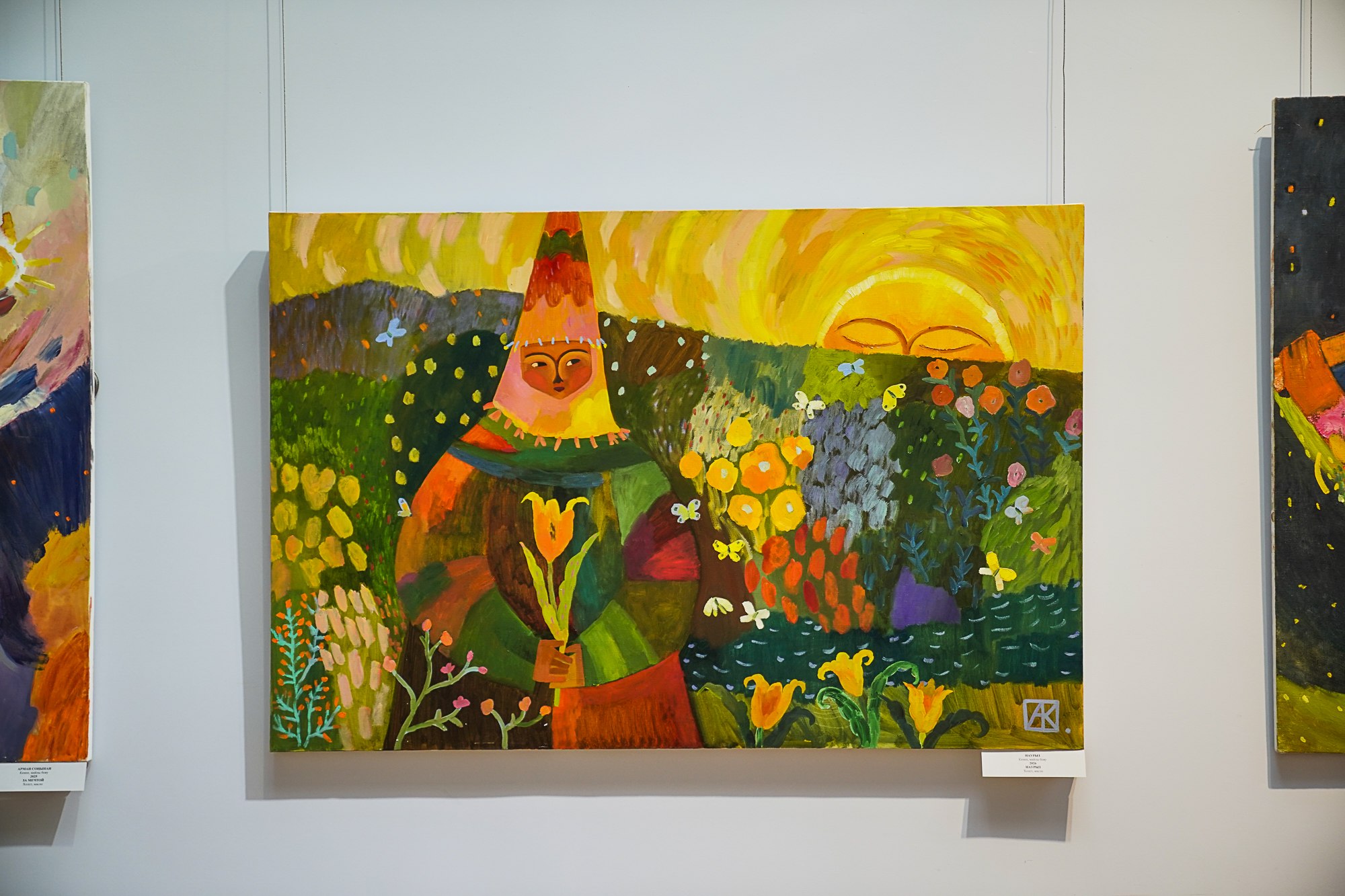
Image courtesy of Aigerim Karibayeva

TCA: So it’s a matter of time?

Aigerim Karibayeva: Yes, time, development, and our own awareness. Within the creative community, a lot is already happening: new fashion, jewelry, painting, applied arts. It’s all becoming more diverse, and that’s key.

Art shouldn’t exist only in museums. It should be everywhere. Graffiti, illustration, animation, installations – there should be space for all forms. When that diversity exists, people begin encountering art everywhere, in the streets, in stores, in everyday life.

TCA: Do you think art works best when it reaches a mass audience?

Aigerim Karibayeva: Yes, and I try to make my work accessible to everyone.

TCA: That explains your many collaborations from chocolate packaging to airline visuals?

Aigerim Karibayeva: Exactly. I came to this intuitively by observing how artists in Europe work. They create prints from their paintings, sign limited editions, and sell them alongside originals.

Some even open their own stores where their entire artistic world is present, on clothing, shoes, objects. I saw that model and wanted to do the same. It attracted brands, and we created memorable collaborations.

TCA: What about museums in Kazakhstan? Are they sufficient to nurture globally competitive artists?

Aigerim Karibayeva: Museums are important, but not always decisive. I sometimes wonder what shaped me: I grew up in Karaganda, surrounded by steppe, mines, and gray apartment blocks. My strongest childhood memory of art is painted walls in a clinic, scenes from a Russian fairy tale. They made a huge impression on me. Even small visual experiences can leave a lasting mark.

TCA: Your career seems to have developed against the odds, you grew up in a harsh environment, yet your art is light and colorful.

Aigerim Karibayeva: Yes, much of what’s happening now is “in spite of” circumstances. I had no formal art education when I moved to Almaty in 2005 to apply to the Zhurgenov Kazakh National Academy of Arts. I was 17 and didn’t have the ideal environment, but talent still found a way to grow.

TCA: Is Kazakhstan a supportive environment for creative development today?

Aigerim Karibayeva: Yes, because attitudes have changed. Parents now support their children’s talents more. Before, if a child liked drawing, it could seem unusual. Now, parents encourage it, enroll kids in classes, and help them develop.

There are also more opportunities – UNESCO clubs, for example. I think this new generation will produce strong artists.
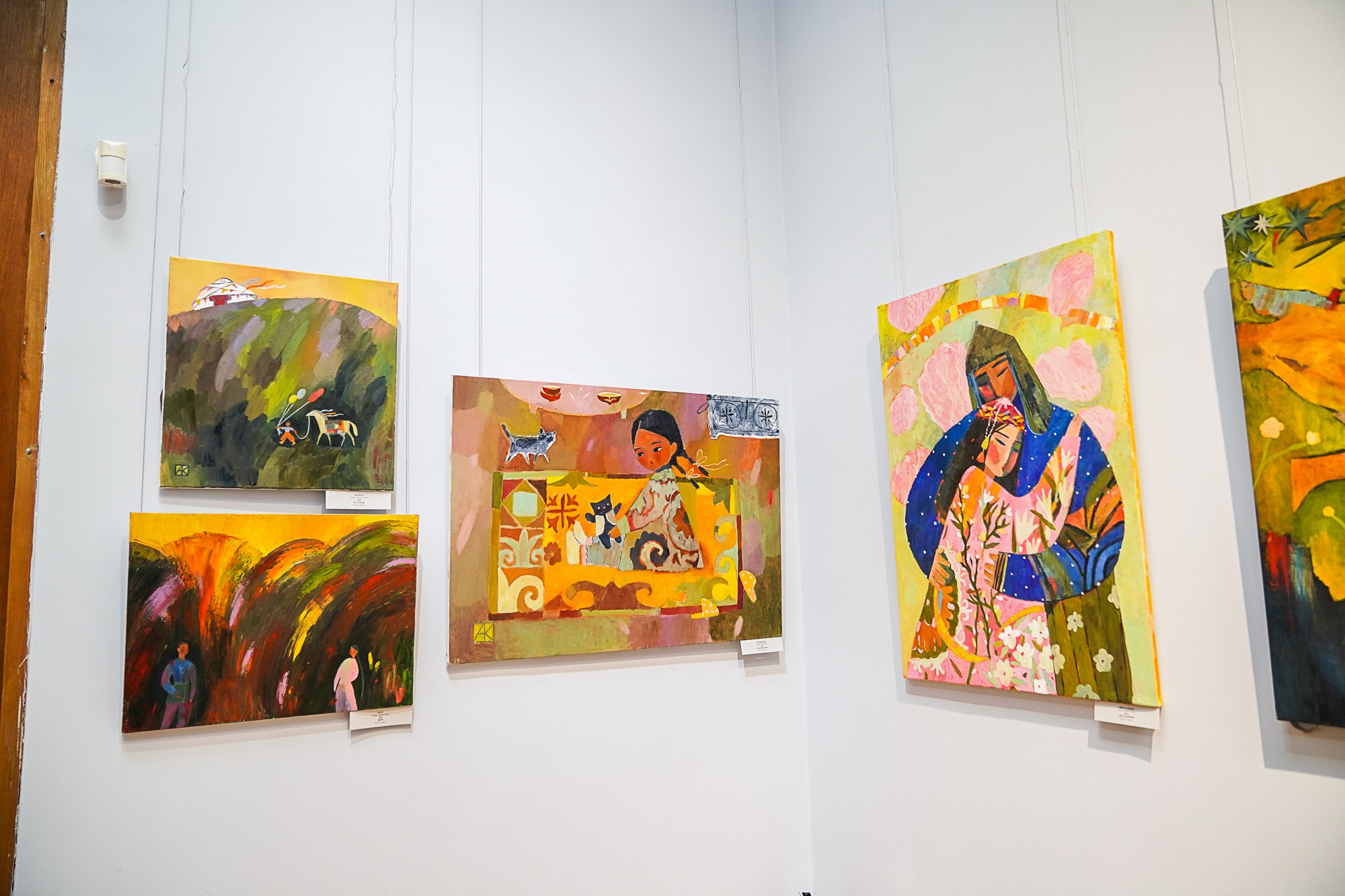
Image courtesy of Aigerim Karibayeva

TCA: You are now a UNESCO ambassador. What does that mean to you?

Aigerim Karibayeva: I’ve only just begun to engage with it, but I’m very excited. It’s a large and important initiative focused on development and unlocking potential. What inspires me most is its inclusivity; children from rural areas can participate as well.

I have a colleague, Sayan Baigaliyev, who came through this system and is now an internationally exhibiting artist. It shows what’s possible.

TCA: Are you invited to international projects?

Aigerim Karibayeva: Not often, but it does happen. Earlier this year, I was invited to Japan as the only representative of Kazakh art for a short program, but I couldn’t attend due to prior travel plans.

Next time, I won’t miss such an opportunity. I would be proud to represent my country internationally.

Russia to Build University Campus in Bishkek

The Cabinet of Ministers of Kyrgyzstan has approved the reclassification of land in southern Bishkek for the construction of a new campus for the Kyrgyz-Russian Slavic University, the government said.

The decree, signed on April 24 by Prime Minister Adylbek Kasymaliev, transfers the land from agricultural use to settlement status.

The project is being implemented under an intergovernmental agreement between Kyrgyzstan and Russia following the state visit of Vladimir Putin to Bishkek in November 2025. It involves the construction of a university campus spanning approximately 30 hectares.

Officials say the campus will form part of a long-term strategy to develop educational infrastructure and deepen humanitarian cooperation between the two countries.

The new complex is designed to accommodate up to 15,000 students and will include academic, research, and social facilities in line with international higher education standards.

Construction is expected to be completed by 2030, with funding to be provided jointly by both sides.

It is part of a wider educational push by Russia to bolster the influence of Russian language in the region. Russian cultural organisation Evrasiya, a non-profit organisation linked to the Kremlin, has invested heavily in Kyrgyzstan since 2024.

President Sadyr Japarov has instructed that the campus be equipped with modern facilities, while the Finance Ministry has been tasked with allocating funds for the necessary engineering infrastructure.

Once the decree comes into force, local authorities will be required to terminate third-party rights to the land allocated for the project. Most of the site is currently state-owned, though part remains in private hands.

Authorities also noted the need to comply with environmental, sanitary, and urban planning standards, including measures to improve seismic resilience – a perennial fear for Central Asian cities.

The agreement on the campus construction was previously ratified by the parliaments of both countries, including Russia’s State Duma and the Federation Council.