• KGS/USD = 0.01144 0%
  • KZT/USD = 0.00196 -0%
  • TJS/USD = 0.10899 -0%
  • UZS/USD = 0.00008 -0%
  • TMT/USD = 0.28490 0%
  • KGS/USD = 0.01144 0%
  • KZT/USD = 0.00196 -0%
  • TJS/USD = 0.10899 -0%
  • UZS/USD = 0.00008 -0%
  • TMT/USD = 0.28490 0%
  • KGS/USD = 0.01144 0%
  • KZT/USD = 0.00196 -0%
  • TJS/USD = 0.10899 -0%
  • UZS/USD = 0.00008 -0%
  • TMT/USD = 0.28490 0%
  • KGS/USD = 0.01144 0%
  • KZT/USD = 0.00196 -0%
  • TJS/USD = 0.10899 -0%
  • UZS/USD = 0.00008 -0%
  • TMT/USD = 0.28490 0%
  • KGS/USD = 0.01144 0%
  • KZT/USD = 0.00196 -0%
  • TJS/USD = 0.10899 -0%
  • UZS/USD = 0.00008 -0%
  • TMT/USD = 0.28490 0%
  • KGS/USD = 0.01144 0%
  • KZT/USD = 0.00196 -0%
  • TJS/USD = 0.10899 -0%
  • UZS/USD = 0.00008 -0%
  • TMT/USD = 0.28490 0%
  • KGS/USD = 0.01144 0%
  • KZT/USD = 0.00196 -0%
  • TJS/USD = 0.10899 -0%
  • UZS/USD = 0.00008 -0%
  • TMT/USD = 0.28490 0%
  • KGS/USD = 0.01144 0%
  • KZT/USD = 0.00196 -0%
  • TJS/USD = 0.10899 -0%
  • UZS/USD = 0.00008 -0%
  • TMT/USD = 0.28490 0%
08 December 2025

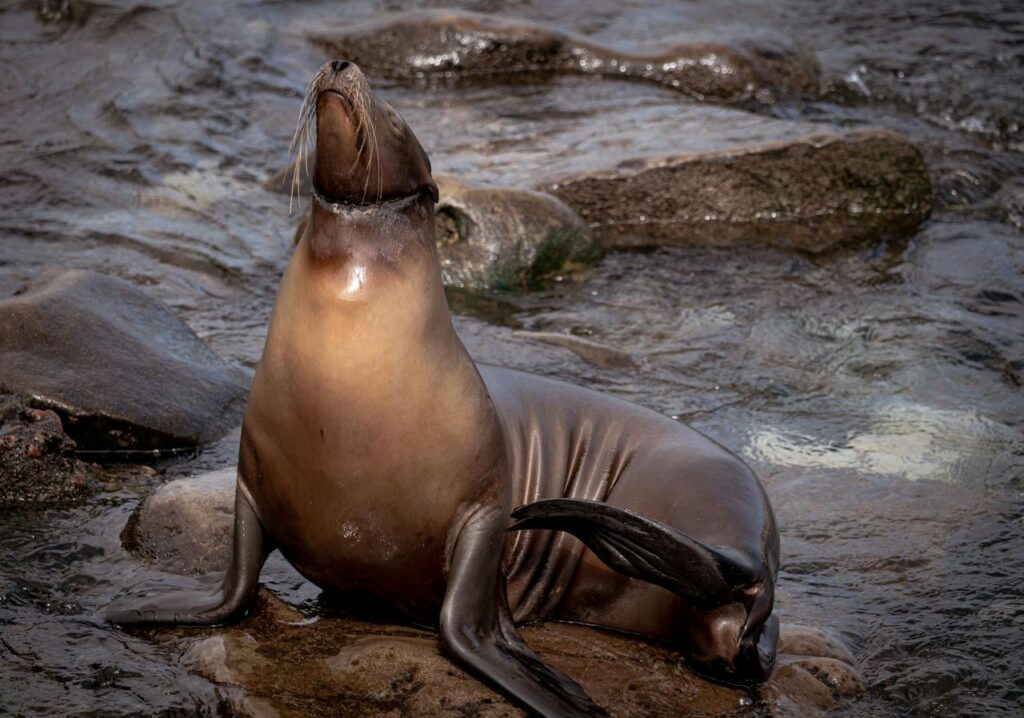
Ice Drifts, Nets and Oil: Caspian Seals Dying En Masse

According to a report issued by the Committee of Fisheries of the Ministry of Agriculture of Kazakhstan, sea mammals in the coastal region of Mangistau region are dying at an alarming rate.

On March 31, whilst monitoring the Kazakh coast of the Caspian Sea, fisheries inspection staff alongside the local executive body, discovered 16 seal carcasses, bringing the total of dead seals found this year to 78. Only one of the carcasses showed signs of physical damage.

To ascertain the cause of death, samples of tissues of internal organs as well as fangs, claws and hair, were taken from 20 carcasses for examination by scientists at the Institute of Hydrobiology and Ecology.

“Two major factors influence the death of Caspian seals: natural and anthropogenic,” researcher Zhazira Sydykova told The Times of Central Asia. “The anthropogenic factor includes pollution of the Caspian seals’ habitat, the impact of fishing and poachers’ nets, as well as the extraction of oil products, which has a very negative impact on the Caspian seals’ population. The natural factor we can attribute to ice drift and the death of seals during extremely warm winters.”

The samples are being currently being processed, and only after receiving the results will scientists be able to more accurately identify the mammals’ cause of death. Until then, experts are reluctant to offer even a hypothetical explanation.

Sydykova did however, highlight the fact that the institute has been monitoring the periodicity of emissions into the Caspian Sea on an annual basis since 2017. Data from the coastal zone is usually taken each spring but emissions are sometimes detected as late as autumn. The last significant death toll in the seal population was recorded back in 2021. Several pregnant cows were found amongst the carcasses. Based on the presence of traces of toxins and heavy metals in the animals’ tissues, experts attributed the cause of death to pollution by heavy gases and in particular, hydrogen sulfide.

The Institute of Hydrobiology and Ecology is now looking at ways to prevent the death of Caspian seals including the introduction of environmental requirements for shipping companies and the extraction of hydrocarbon resources. Scientists have also called for a stricter compliance with certain regulations and more thorough reportage on all industrial discharges released into the sea to improve their ability to monitor environmental changes and take appropriate measures.

Jizzakh, Uzbekistan Set to Manufacture 100,000 Cars per Annum

On April 8th, Uzbek President Shavkat Mirziyoyev inspected the ADM Jizzakh automobile plant where he was shown the new Kia Sonet, hot off the production line.

Established in 2021 with investments of 234 million US dollars and the creation of 1.8 thousand jobs, ADM Jizzakh has assembled 36 thousand cars for Kia, Chery, and Haval over the past three years.

The plant was recently expanded and furnished with cutting-edge technology, including 30 robots, imported from South Korea, Japan, and Germany. Operational since March, the upgraded facilities will provide the plant with a capacity to produce 100 thousand cars per annum.

In addition to investing in equipment, the plant has also initiated a scheme to develop and maintain quality control. This year, specialists from South Korea, India, China, and Vietnam will spend time on site training employees and fifty of the plant’s engineers will receive advanced training in research and design centres in South Korea and China.

Further to his visit, the president issued instructions for the plant to increase its production to 348 types of components between 2024-2027.

Uzbekistan’s Average Life Expectancy Increased to 74.7 Years in 2023

The average life expectancy for the population in Uzbekistan is increasing, according to the Statistics Agency of Uzbekistan. The average life expectancy of permanent residents of the Republic of Uzbekistan in 2023 was 74.7 years, up almost a half a year from the previous annual reading.

According to the agency’s report, Uzbek women live 4 years longer than men. Average life expectancy as of January 1, 2024, for
women was 76.9 years, and for men, 72.5 years.

The average life expectancy at the beginning of 2023 was 74.3 years, and this indicator corresponded to
76.6 years for women and 72.1 years for men. As of January 1, 2022, the average life expectancy of the population was 73.8 years, and at the beginning of 2021, it was 73.4 years old.

Experts in Kyrgyzstan Sound Alarm Over Acute Shortage of Medicines

Doctors in the Central Asian republic are saying that medical institutions lack emergency, intensive care, pediatric, and cardio-pulmonary drugs, as well as contraceptives and the supplies needed for safe medical abortions. Kyrgyzstan’s hospitals lack basic medicines and basic daily medications, according to Bermet Baryktabasova, head of the Kyrgyz Medical Trade Union. The Health Ministry cannot solve the problem on its own, she said, so resolution of the issue must involve the government, members of parliament (MPs) and national security services – otherwise, there will be a social catastrophe.

“There are distress signals from all regions – there are no medicines, or they are running out. Requests to [Kyrgyzpharmacy] for the supply of medicines according to needs have been lying for the second quarter since the beginning of the year… The medicines arrive without accompanying documents (delivery notes, certificates, without specifying the purchase price and other financial and authorization papers),” Baryktabasova posted on social media.

In March last year, the Kyrgyz authorities created the state enterprise, Kyrgyzpharmacy, to implement a new approach to providing hospitals with medicines at an affordable price. Later, the Cabinet of Ministers decided that the supply of drugs to public clinics will be handled by a single operator. Kyrgyzpharmacy also controls the quality of medicines, their storage and delivery, adding a 5% mark-up on the cost of goods.

“State and municipal health care organizations pay for medicines and medical devices supplied to the state enterprise Kyrgyzpharmacy from the funds provided in the budget of the organizations for the relevant year. They may also purchase medicines not on the list from Kyrgyzpharmacy if supplies are available,” the new law states.

Problems with drug availability began mainly because of a decree prohibiting the importation of medicines that had not previously passed state registration and were not included in the relevant lists. The document was supposed to reduce the risks of importing low-quality medicines. However, most foreign pharmaceutical companies did not go through the complicated registration procedure; they often aren’t interested in Kyrgyzstan’s small market.

Dastan Bekeshev, a member of the Supreme Council (Jogorku Kenesh), conducted a survey among citizens to find out what medicines are in short supply. As a result, the MP made a list of 50 items.

“I decided to find out what is the reason for the shortage of medicines and sent a list of necessary medicines to the Ministry of Health. As it turned out, the geopolitical situation and the lack of registration of many drugs are to blame. The registration procedure should be simplified: if a medicine is registered in the U.S., U.K., Europe, Japan or Russia, we should by default register it in our country. So far, the bureaucratic procedure is more important than the lives of citizens,” Bekeshev said.

Responding to the deputy, the Ministry of Health explained that 30 “items” from the list are not registered in the Kyrgyz Republic. That means these drugs cannot be imported into the country.

“In the absence of a prescribed drug in pharmacy organizations, citizens should contact their attending physicians to prescribe alternative treatment,” said the ministry in response.

It should be noted that many medicines in Kyrgyzstan are dispensed over-the-counter in pharmacies without a prescription. As a rule, citizens buy medicines for treatment on their own. Nevertheless, the Health Ministry recognizes the problem of drug shortages. Officials promised that in the near future they will organize a round-table discussion with the participation of all stakeholders.

Uzbekistan Expands Basalt Production

On April 8, President Shavkat Mirziyoyev visited the Basalt Uzbekistan cluster in the Jizzakh region.

Seven years has passed since the region began extracting basalt and today, the cluster processes 177 thousand tons of stone per year and manufactures 42 different products. In addition to basalt wool and fibre, local enterprises employ technology from Germany, France, Italy, and the Czech Republic, to provide mesh and reinforcement and insulation materials for the construction industry.

In 2023, 80% of the 45 thousand tons of goods produced, were exported to the USA, Great Britain, Poland, Italy, the Czech Republic, Georgia, Russia, Turkey, Belarus, Kazakhstan, Kyrgyzstan, and Tajikistan.

Six major projects worth $498 million and employing 1.7 thousand currently operate across 300 hectares in the region. Due to be launched next year with imported equipment valued at $145 million, a new enterprise will produce 25 thousand tons of basalt fiber and fabric per annum, 90% of which is destined for export.

The president has now set the task for the instigation of further plants with investments of $500 million to manufacture 20 types of products and create two thousand new jobs.

Turkmenistan’s GDP Expands by 6.3% in First Quarter of 2024

In the first quarter of 2024, Turkmenistan demonstrated stable economic growth, President Serdar Berdimuhamedov said at a meeting of the Cabinet of Ministers, where the results of the first three months of this year were summarized.

Berdimuhamedov stated that positive dynamics are evident in the key economic indicators. Specifically, industrial production increased by 4.7 %, the transport and communication sector by 6.6%, the service sector by 7.6%, the trade sector by 8.2%, and the agricultural sector by 4.1%. The country’s average salary also rose by 10% in the first quarter.

In addition to the country’s economic growth, the president observed that the country is rapidly developing its large industrial and social infrastructure, which includes new villages, residential buildings, entertainment and medical facilities, and supporting families with new schools and kindergartens. These initiatives are being carried out in accordance with Turkmenistan’s 2022–2028 socioeconomic development strategic program.