• KGS/USD = 0.01144 0%
  • KZT/USD = 0.00193 -0%
  • TJS/USD = 0.10811 -0.28%
  • UZS/USD = 0.00008 0%
  • TMT/USD = 0.28490 0%
  • KGS/USD = 0.01144 0%
  • KZT/USD = 0.00193 -0%
  • TJS/USD = 0.10811 -0.28%
  • UZS/USD = 0.00008 0%
  • TMT/USD = 0.28490 0%
  • KGS/USD = 0.01144 0%
  • KZT/USD = 0.00193 -0%
  • TJS/USD = 0.10811 -0.28%
  • UZS/USD = 0.00008 0%
  • TMT/USD = 0.28490 0%
  • KGS/USD = 0.01144 0%
  • KZT/USD = 0.00193 -0%
  • TJS/USD = 0.10811 -0.28%
  • UZS/USD = 0.00008 0%
  • TMT/USD = 0.28490 0%
  • KGS/USD = 0.01144 0%
  • KZT/USD = 0.00193 -0%
  • TJS/USD = 0.10811 -0.28%
  • UZS/USD = 0.00008 0%
  • TMT/USD = 0.28490 0%
  • KGS/USD = 0.01144 0%
  • KZT/USD = 0.00193 -0%
  • TJS/USD = 0.10811 -0.28%
  • UZS/USD = 0.00008 0%
  • TMT/USD = 0.28490 0%
  • KGS/USD = 0.01144 0%
  • KZT/USD = 0.00193 -0%
  • TJS/USD = 0.10811 -0.28%
  • UZS/USD = 0.00008 0%
  • TMT/USD = 0.28490 0%
  • KGS/USD = 0.01144 0%
  • KZT/USD = 0.00193 -0%
  • TJS/USD = 0.10811 -0.28%
  • UZS/USD = 0.00008 0%
  • TMT/USD = 0.28490 0%
10 December 2025

Tashkent Announces First Car-free Day

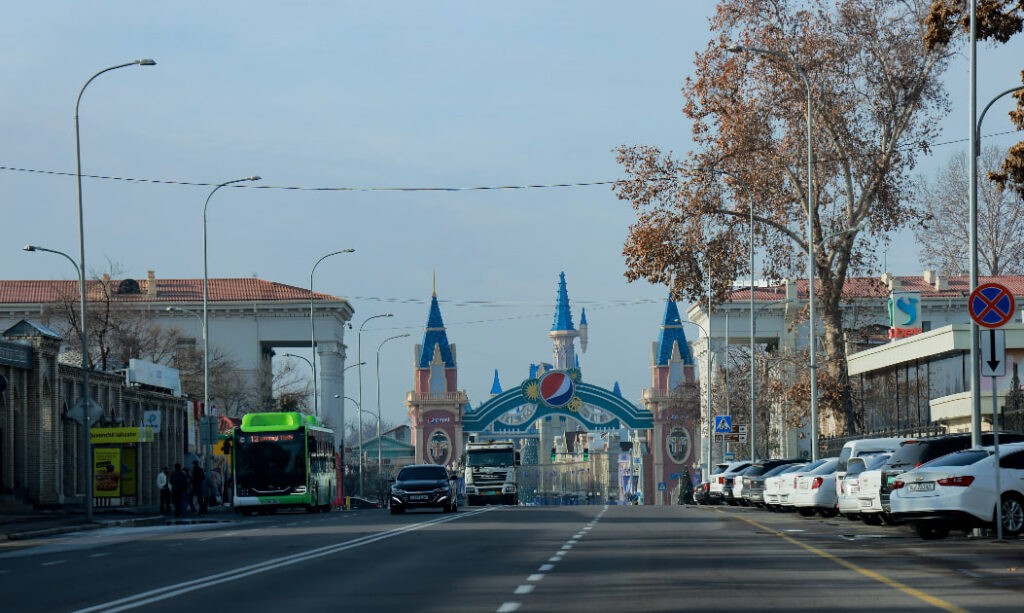
Uzbekistan’s Ministry of Ecology, Environmental Protection and Climate Change has announced that from 24 April, Tashkent will be car-free on the fourth Wednesday of every month.

The main goals of the campaign are to promote a healthy lifestyle, protect the environment from harmful gases emitted by cars, reduce the volume of traffic, and attract attention to developments in public transport.

On the first car-free day, heads and employees of government agencies will travel to work by public transport; a move that will reduce the number of cars passing through Tashkent by 200 thousand (22-25%), and harmful emissions by an average of 580 tons. By publicizing the example to be set by its own employees, the government aims to encourage other workers and residents to refrain from driving in the city on designated car-free days.

Authorities in Tashkent are currently working on the introduction of environmentally-friendly public transport including electric buses and the launch of new metro lines, as well as the creation of bicycle paths.

Launch of Central Asia–China Secretariat

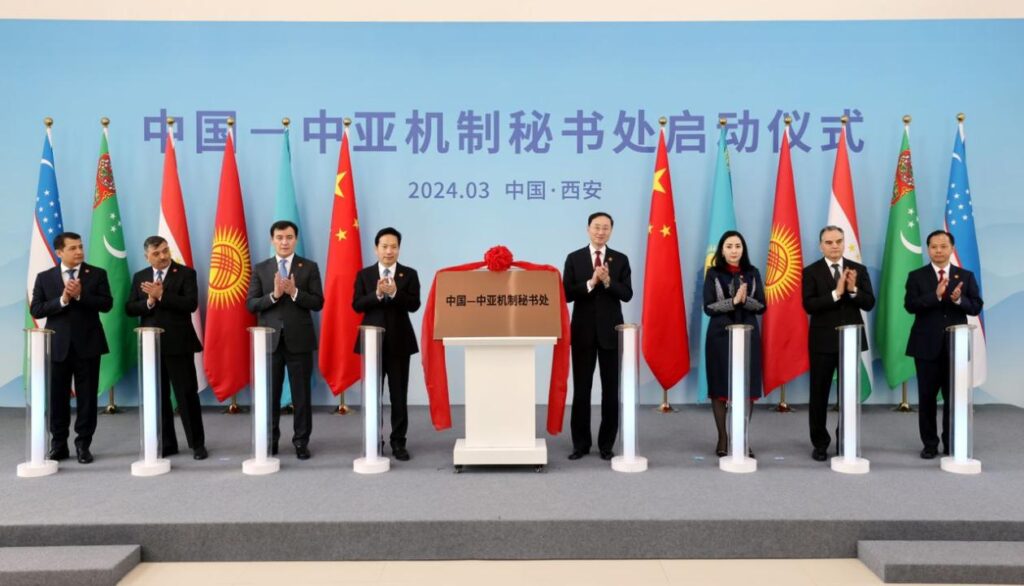
The opening ceremony of the Central Asia–China Secretariat on March 30th in Xi’an in China’s Shaanxi province was attended by China’s Deputy Minister of Foreign Affairs Sun Weidong, Kazakhstan’s Deputy Minister of Foreign Affairs Alibek Bakaev, and ambassadors of five Central Asian countries to China.

The establishment the Central Asia–China Secretariat, described by Deputy Minister Bakaev as a significant factor in regional politics, was mooted at the first summit of Central Asian countries and China last year following the adoption with the Xi’an Declaration.

In his congratulatory address, Chinese Foreign Minister Wang Yi commended existing cooperation between the participants under the China-Central Asia mechanism, initiated four years ago, and stated that the establishment of the Secretariat demonstrates globally, the staunch determination of China and all five Central Asian countries to further collaboration on mutually beneficial developments.

According to Sun Weidong, China’s deputy foreign minister, the key responsibility of the Secretariat is serving the cooperation mechanism in key areas and to prepare for the next China-Central Asia summit.

Kazakhstan Floods: Rescuers Lend Helping Hand to Camels

Camels, the old saying goes, are ships of the desert. Not so during the recent flooding in western Kazakhstan.

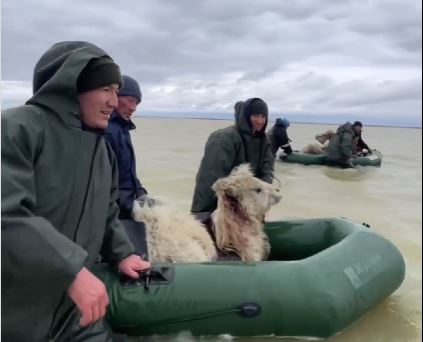
Sitting on their haunches, a group of Bactrian camels was ferried to safety in small rubber dinghies by rescue teams in the Aktobe region, which has been hard hit by floods that forced mass evacuations of residents, damaged buildings and submerged roads.

Video from the regional emergency department showed the unusual scene this week of rescuers sloshing through water that reached their waists as they escorted dinghies carrying one bedraggled camel each.

The domesticated camels were strapped into the vessels and appeared to have been injected with tranquilizers to keep them calm during the trip to dry land.

The Instagram post by emergency responders got positive reviews.

“Thank you for helping animals,” one person wrote in the comments section. Another said: “Well done, guys.”

Bactrian camels, which live in parts of Central Asia and East Asia, have two humps and are able to withstand brutal temperature extremes in summer and winter. Over millennia, people used them for transportation and trade and they are a source of meat, milk and wool.

In the wild, Bactrian camels are considered to be critically endangered. Last year, the U.N. Food and Agriculture Organization concluded a two-year conservation project for the Bactrian camel in Iran.

Uzbekistan to Plant 125 Million Trees

On March 29th, President Shavkat Mirziyoyev chaired a government meeting on the expansion of green areas across the country. Aimed at improving the environment, Uzbekistan has initiated a mass tree planting campaign. In addition to 125 million saplings being planted this spring, work has begun on the creation of parks and planting trees in rows of ten along roads.

To date, the Ministry of Defense has planted on 100 hectares, and the Ministry of Digital Technologies as well as the Ministry of Mining and Geology have each given over 65 hectares to parkland.
The Ministry of Ecology, Environment and Climate Change has been tasked to establish 444 gardens and 160 public parks.

To expand green areas in Tashkent, the city planning council has specified that all new construction projects allocate at least 30 percent of their territories for trees. Now in force, the campaign will ensure that green areas are integrated into projects involving the construction of 2.5 thousand multi-storey buildings in the capital. In addition, trees are to be planted on at least one hectare of land in each of the 38 New Uzbekistan residential compounds.

Barren land along roads and railways, rivers and canals, and around industrial enterprises and gas stations offers further potential for a greener Uzbekistan.

Kazakhstan and China Strengthen Strategic Partnership

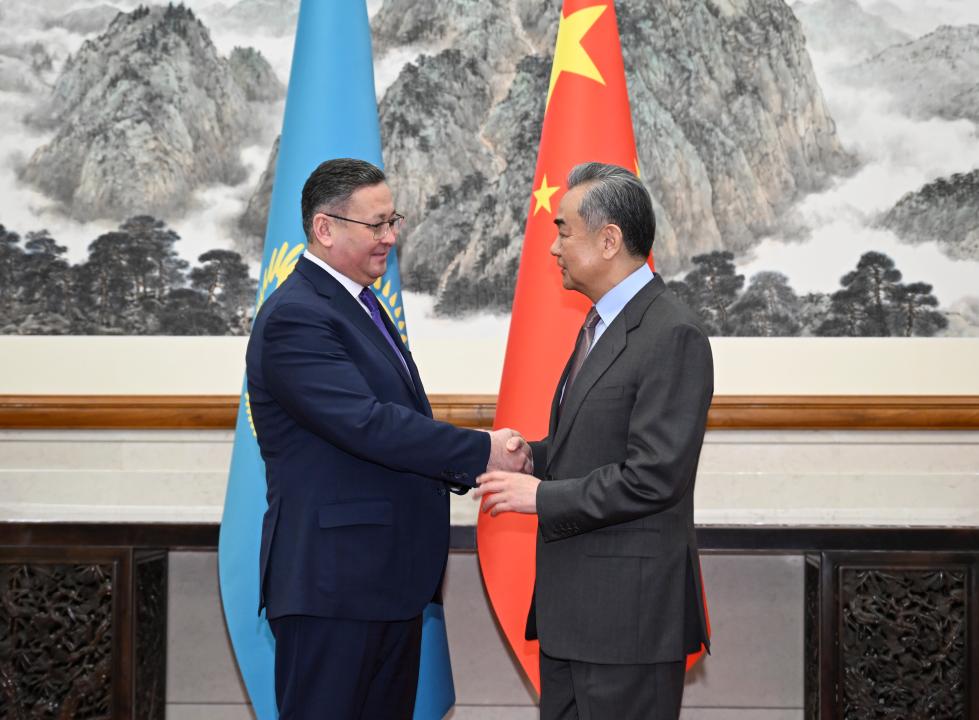
On 29 March Kazakhstan’s Deputy Prime Minister and Minister of Foreign Affairs, Murat Nurtleu visited China for the first meeting concerning the establishment of the Strategic Dialogue between Kazakhstan and China.

Following discussions with Chinese Foreign Minister Wang Yi on political, trade, economic, investment, and cultural cooperation, Minister Nurtleu reported: “We attach great importance to the development of relations with Beijing. We have established a comprehensive strategic partnership, which is being strengthened through personal friendly contacts of our leaders.”

Citing the fact that in 2023, China became the Kazakhstan’s largest trading partner, with an increase in turnover of bilateral trade of over 30% to 41 billion US dollars, he emphasized the need for further promotion of joint economic, transport and logistics projects within the framework of China’s Belt and Road initiative.

In turn, the Chinese Foreign Minister stated, “Kazakhstan is our authoritative strategic partner in the region” and announced that China is ready to fully strengthen and enhance cooperation with Kazakhstan.

The ministers also noted that the significant intensification of cooperation between the two countries was largely due to the introduction of the mutual visa-free regime implemented in November last year.

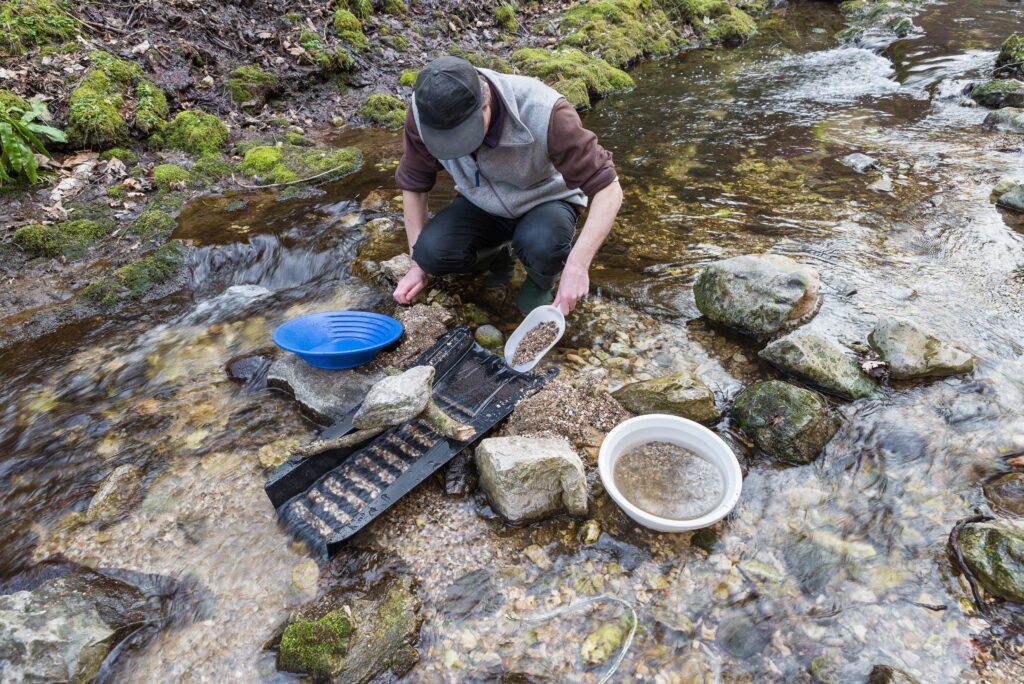
Uzbekistan’s Gold Mining Aims to Replace Labour Migration

Most of the country’s gold, located in the regions of Navoi, Samarkand and Bukhara, cannot be extracted industrially due to low concentration and difficulties in accessing the mountainous terrain.

Uzbekistan’s gold reserves for artisanal mining exceed 3 tons per 590 hectares. Gold mining by artisanal miners began to gain momentum after 2019 when the authorities issued permits for excavation in specified areas and since then, year on year, the Ministry of Geology has added new sites which are available through electronic auctions. Any Uzbek resident acquiring a plot, can mine for a period of three years and sell the extracted gold to mining and metallurgical plants and licensed jewellery companies.

Mining has existed in Uzbekistan for many years, but prior to 2019, much of it was illegal. The gold was often smuggled out of the country, and as a result of makeshift mines collapsing, fatalities and serious injuries were common. The legalisation of mining activity aims to help safeguard the miners and reduce the illegal export of gold from the country. Moreover, by providing jobs for residents, it will help curb labour migration.

“My job consists of digging ore and taking it to the washing plant. On average, I earn $240-$315 a month; enough to feed myself,” excavator driver Sardor Mardiyev told Agence France Press.

Mardiyev currently works at a gold-mining site in the village of Soikechar, Nurata, in Uzbekistan’s Navoi region and according to owner, Zakhid Khudaiberdiyev, the site produces an average of 12 to 15 grams of gold per day.

However, while providing an economic lifeline for workers who might otherwise work abroad, independent mining is damaging the soil and holes dug by miners pose a serious risk to farmers’ livestock. In addition, even small-scale mining consumes large amounts of fresh water, which is scarce in the region.

Uzbekistan ranks 15th in the world in terms of gold reserves, which experts estimate to total 362 tons. Since the beginning of 2024, revenue from the gold trade has accounted for a third of Uzbekistan’s total exports and in accordance to a call by President Shavkat Mirziyoyev, production is set to increase by 50 percent by 2030.