• KGS/USD = 0.01144 0%
  • KZT/USD = 0.00196 -0%
  • TJS/USD = 0.10899 -0%
  • UZS/USD = 0.00008 -0%
  • TMT/USD = 0.28490 0%
  • KGS/USD = 0.01144 0%
  • KZT/USD = 0.00196 -0%
  • TJS/USD = 0.10899 -0%
  • UZS/USD = 0.00008 -0%
  • TMT/USD = 0.28490 0%
  • KGS/USD = 0.01144 0%
  • KZT/USD = 0.00196 -0%
  • TJS/USD = 0.10899 -0%
  • UZS/USD = 0.00008 -0%
  • TMT/USD = 0.28490 0%
  • KGS/USD = 0.01144 0%
  • KZT/USD = 0.00196 -0%
  • TJS/USD = 0.10899 -0%
  • UZS/USD = 0.00008 -0%
  • TMT/USD = 0.28490 0%
  • KGS/USD = 0.01144 0%
  • KZT/USD = 0.00196 -0%
  • TJS/USD = 0.10899 -0%
  • UZS/USD = 0.00008 -0%
  • TMT/USD = 0.28490 0%
  • KGS/USD = 0.01144 0%
  • KZT/USD = 0.00196 -0%
  • TJS/USD = 0.10899 -0%
  • UZS/USD = 0.00008 -0%
  • TMT/USD = 0.28490 0%
  • KGS/USD = 0.01144 0%
  • KZT/USD = 0.00196 -0%
  • TJS/USD = 0.10899 -0%
  • UZS/USD = 0.00008 -0%
  • TMT/USD = 0.28490 0%
  • KGS/USD = 0.01144 0%
  • KZT/USD = 0.00196 -0%
  • TJS/USD = 0.10899 -0%
  • UZS/USD = 0.00008 -0%
  • TMT/USD = 0.28490 0%
08 December 2025

Waiting for Cubs: How Almaty Zoo is Helping Save the Amur Tiger Population

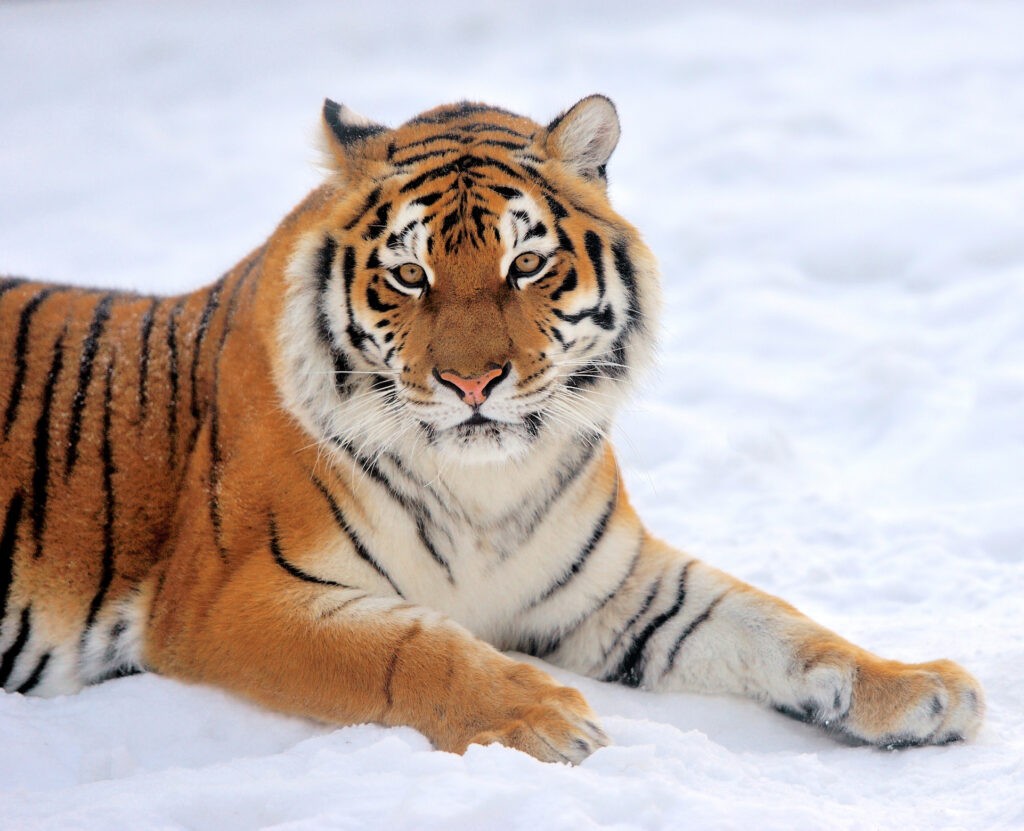
Almaty Zoo is helping to replenish the Amur tiger population under an international conservation program. The Amur tiger population is still declining, and the main challenge for scientific foundations from different countries is breeding new cubs.

Almost 400 species of animals live at the Almaty Zoo. Among them are llamas, chimpanzees, hippopotamus and tigers, with the latter comprising a family of nine individuals. The clan is headed by 13-year-old Urman, who arrived in Kazakhstan at one-year-old from the Perm Zoo in Russia by way of an international conservation program.
“The main objective of the program is to preserve the genetic diversity of animals in the northern part of Eurasia and their reproduction, including in captivity. That’s why we carefully searched for a mate for Urman, and not so long ago we managed to bring in a tigress, Tasha, from Moscow,” said Akzhami Rakhimova of the Almaty Zoo.
Now, staff are carefully monitoring the pair’s behavior and diet so they can give reproduce.

The last time tiger cubs were born at the zoo was three years ago. They were given the names Aya, Zoya, Maya, and Sherkhan. Zookeepers celebrate the birthdays of their charges, and very soon the birthday of Bentley, who arrived from the circus in Astana, is coming up. He will be five-years-old, and since he’s already reached puberty, he’ll soon need a mate.
The staff note that the zoo is home for these animals which don’t know life beyond captivity, as they either came from the circus or were born here. The tigers are quite accustomed to the attention of visitors and to eating on schedule.

Uzbekistan’s “Plant 100 Saplings” Initiative: A Green Response to Illegal Tree-Felling

In a bid to counter the alarming rate of illegal tree-felling, the president of Uzbekistan, Shavkat Mirziyoyev, has given the green light to an innovative ecological program. Launched by the Ministry of Ecology, Environmental Protection and Climate Change on January 29th, the initiative involves planting 100 saplings for every tree unlawfully cut down.

This move comes as air pollution in Tashkent has reached alarming levels, with PM2.5 pollution recently surpassing the World Health Organization’s recommended limit by 23.2 times. Tashkent regularly features as one of the worst cities globally for air pollution due to factors like increasing emissions from coal-burning heat, power plants and motor vehicles, unauthorized construction, and illegal tree-felling.

Approximately 2,427 instances of illegal tree-felling were recorded in the first nine months of 2023 alone – including 714 bushels of precious trees – contributing to the shrinking of wildlife reproduction areas and natural reserves. The situation is particularly dire in the country’s “Red Book” areas, which are home to endangered flora and fauna. One significant casualty has been the Tajik kavragi, a naturally occurring medicinal plant. Between July and September, 11,550 bushes were illegally harvested in the Surkhandarya Region’s Bobotog State Forestry, resulting in environmental damage totaling 5.7 billion som ($462,000).

At the January 29th meeting it was announced that 22,000 new industrial enterprises have been launched in the country since 2020, and industry and transport together now emit more than two million tons of pollutants into the atmosphere a year. In many cases, construction projects are implemented without environmental assessment.

To reverse this trend, the government is planning substantial green efforts over the next five years. These include creating at least 3,000 hectares of green belt and 200 hectares of “green parks” encircling the city of Tashkent and its surrounding districts. Additionally, “green gardens” will be established on former garbage landfills, covering 23 hectares in Ohangaron and 37 hectares in Yangiyol in the Tashkent region.

As part of this ambitious project, the Ministry of Ecology, Environmental Protection and Climate Change has created a digital map, pinpointing the coordinates of more than 254 million trees. Each tree in the city of Tashkent will be registered and given a ‘passport’ on the Green Space electronic platform. This will reflect crucial information, such as the tree’s type, age, height, condition, and location. Trees older than five years covering all regions and districts of Uzbekistan were accounted for during the survey.

This comprehensive registration process was made possible through the use of satellite imagery, remote sensing, geo-information systems, and artificial intelligence technologies. The initiative also drew on the experiences of several countries, including the U.S., Canada, China, India, Australia, Russia, and Germany.

Uzbekistan’s “Plant 100 Saplings” initiative marks a significant step towards environmental conservation. By leveraging technology and international experiences, the country is taking steps to protect its flora and fauna, demonstrating a commitment to sustainable development and environmental stewardship.

Other measures currently under consideration include the banning of motor fuel below the Euro-4 standard, restricting heavy cargo vehicles during rush hours, promoting electric vehicles, pedestrianizing city centers, and banning industrial coal use in the Tashkent region.

From April 1st Uzbekistan will introduce a rating for air, water and environmental pollution in each region of the country. It will also begin installing air monitoring stations in Tashkent, regional centers and industrial areas. In Tashkent, boards and monitors will be installed to show air quality indicators in real time. 

Kazakhstan Becomes Most Attractive Country for Migrants From Uzbekistan

According to the Statistics Agency under the President of Uzbekistan, 17,336 people emigrated from the country by the end of 2023, with women making up 52.3% of the total. Over 80% of those who left were of working age. This figure almost doubled compared to 2022, when 8,790 people left the country.

The most popular destination for migrants from Uzbekistan in 2023 was Kazakhstan, with 81.1% (14,000) choosing this neighboring country. Russia (15.4% or 2,600 people) and South Korea (0.6% or 107 people) were the second and third most popular choices, respectively.

In contrast, Uzbekistan saw an influx of 2,955 immigrants in 2023, mostly from Russia (39.8%) and Kazakhstan (24.6%). Others moved from Tajikistan (9.7%), Kyrgyzstan (5.1%), Turkmenistan (2.1%), and other countries (18.7%).

Labor migrants constituted the majority of those leaving Uzbekistan. The Agency for External Labor Migration of Uzbekistan reported a sharp increase in the number of citizens employed through organized recruitment in other countries, totaling 38,400 in 2023. Russia was the leading destination for Uzbek workers (29,200), followed by South Korea (4,900), Great Britain (1,900), Kazakhstan (1,300), Germany (477), and Turkey (277). A small number of Uzbeks also found employment in Romania, Bulgaria, Japan, Lithuania, Poland, the UAE, and Latvia.

However, these official statistics do not account for the significant number of Uzbeks working abroad illegally. Specialized Uzbek agencies estimate that over 2 million Uzbeks live and work abroad permanently, with over 60% working in the Russian Federation.

Almaty is the Most Expensive City in Central Asia

Almaty has been ranked as the most expensive city in Central Asia according to the “cost of living” index regularly published by the Numbeo service. In terms of goods and services prices, including rent, food, and catering, Almaty has surpassed Central Asian capitals such as Astana, Tashkent, and Bishkek.

According to the data, a family of four in Almaty spends approximately $2,157 per month not including rent, while an individual can live for an average of $598.50 excluding housing costs. The city also has the most expensive restaurants in Central Asia. Most Almaty residents spend their money not on high cuisine, however, but on real estate rent, with an average of one-third of the family budget being spent on renting an apartment.

However, when compared across Asia, Almaty ranks 40th out of 86 cities, positioned between Turkish Antalya and Chinese Hangzhou. Astana, the capital of Kazakhstan, ranks 49th, making it cheaper than Bali, but more expensive than Baku.

The most expensive Asian cities for the cost of living are Singapore, Hong Kong, and Tel Aviv, whilst globally, Zurich and Singapore are considered the most expensive places to live.

First Regular Flights From Beijing Arrive In Bishkek

Manas International Airport in Bishkek has announced that new regular flights between Bishkek and Beijing are to be carried out three times a week.

The first flight from Beijing to Bishkek carried 90 passengers, while there were 150 people on the return flight. Direct flights from Bishkek to Chinese cities are operated by companies from Russia, Kazakhstan and China. The Chinese airline China Southern Airlines carries passengers from Beijing.

The Kyrgyz government hopes that an increase in the number of flights from China will bring new economic opportunities and an increase in trade turnover between the two countries. Tourist flow from China, which had practically stopped since the coronavirus pandemic, is expected to restart.

The first large group of tourists from China arrived in Bishkek in April last year on a flight from Urumqi. Earlier, representatives of the Kyrgyz tourism industry held a meeting with Chinese tour companies and representatives of the Chinese ministry of economy, where a simplified electronic visa system for Chinese tourists was introduced.

EU To Simplify Visa Regime For Kazakhstanis

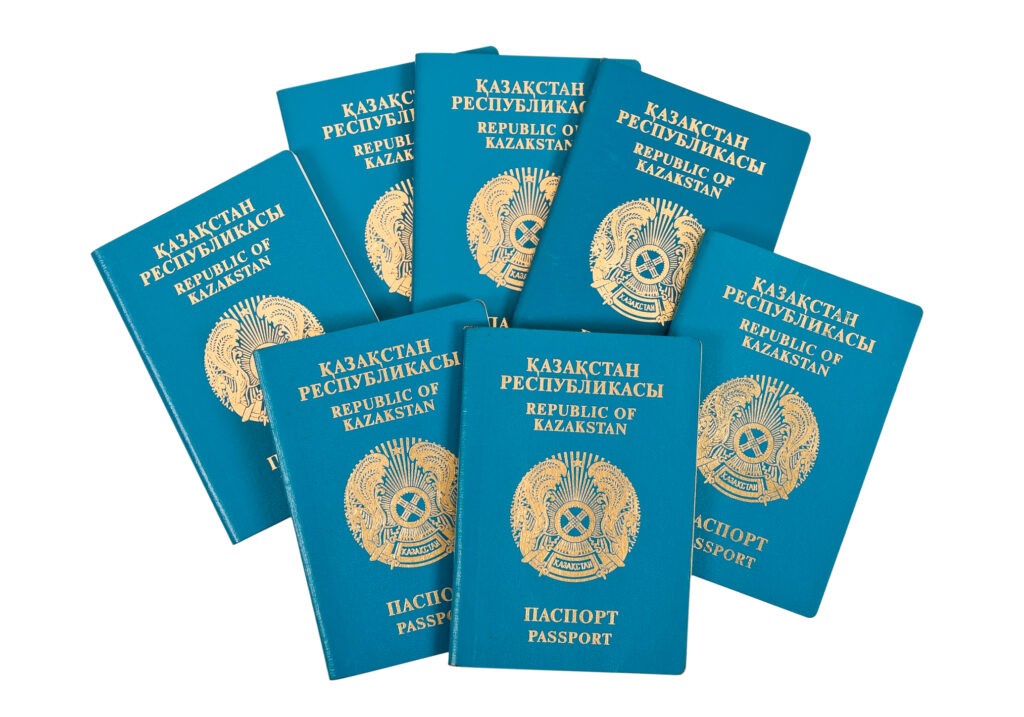
Citizens of Kazakhstan can currently travel to 34 countries without requiring a visa, and it seems the power of the Kazakhstani passport may be set to increase further still. At the end of last week Kazakhstan’s deputy minister of foreign affairs, Alibek Bakayev, held a second round of talks with the head of the EU Delegation to Kazakhstan, Kestutis Jankauskas, on the issue of EU visas.

The introduction of a visa-free regime with the EU is not currently being discussed. However, the EU Schengen-area visa regime is being improved in the following areas:
– introduction of a single list of documents required for a visa application;
– a reduction in consular fees;
– a shortening of the waiting period for applications;
– increasing the validity period for multiple-entry visas.

In 2024 citizens of Kazakhstan can visit 34 countries without obtaining a visa from a foreign consulate. These are: Albania, Andorra, Argentina, Armenia, Azerbaijan, Barbados, Belarus, Brazil, China, Colombia, Ecuador, the Republic of Georgia, Haiti, Hong Kong, Iran, South Korea, Kyrgyzstan, Malaysia, Maldives, Moldova, Mongolia, Nicaragua, Oman, UAE, Philippines, Qatar, Russia, St. Vincent & Grenadines, Serbia, Tajikistan, Thailand, Turkey, Ukraine, and Uzbekistan.

There are also several states where one can get a “visa upon arrival” stamp immediately upon entry. These states are Zambia, Indonesia (for 30 days), Mauritius, Namibia, and the Seychelles. However, that list will shrink in the spring of 2024: Kazakhstan’s temporary visa-free regime with Thailand end on February 29.

According to the Global Passport Power Ranking 2024 by Passport Index, Kazakhstan’s passport ranks 56th in the world in terms of freedom of movement bestowed upon its holder.