• KGS/USD = 0.01144 0%
  • KZT/USD = 0.00192 -0%
  • TJS/USD = 0.10866 0.18%
  • UZS/USD = 0.00008 0%
  • TMT/USD = 0.28571 0%
  • KGS/USD = 0.01144 0%
  • KZT/USD = 0.00192 -0%
  • TJS/USD = 0.10866 0.18%
  • UZS/USD = 0.00008 0%
  • TMT/USD = 0.28571 0%
  • KGS/USD = 0.01144 0%
  • KZT/USD = 0.00192 -0%
  • TJS/USD = 0.10866 0.18%
  • UZS/USD = 0.00008 0%
  • TMT/USD = 0.28571 0%
  • KGS/USD = 0.01144 0%
  • KZT/USD = 0.00192 -0%
  • TJS/USD = 0.10866 0.18%
  • UZS/USD = 0.00008 0%
  • TMT/USD = 0.28571 0%
  • KGS/USD = 0.01144 0%
  • KZT/USD = 0.00192 -0%
  • TJS/USD = 0.10866 0.18%
  • UZS/USD = 0.00008 0%
  • TMT/USD = 0.28571 0%
  • KGS/USD = 0.01144 0%
  • KZT/USD = 0.00192 -0%
  • TJS/USD = 0.10866 0.18%
  • UZS/USD = 0.00008 0%
  • TMT/USD = 0.28571 0%
  • KGS/USD = 0.01144 0%
  • KZT/USD = 0.00192 -0%
  • TJS/USD = 0.10866 0.18%
  • UZS/USD = 0.00008 0%
  • TMT/USD = 0.28571 0%
  • KGS/USD = 0.01144 0%
  • KZT/USD = 0.00192 -0%
  • TJS/USD = 0.10866 0.18%
  • UZS/USD = 0.00008 0%
  • TMT/USD = 0.28571 0%
12 December 2025

European Parliament Condemns Repression in Tajikistan, Underlying Issues Persist

On January 18th, the European Parliament adopted a resolution on human rights in Tajikistan which condemns the ongoing crackdown against independent media, government critics, human rights activists and independent lawyers, as well as the closure of independent media and websites.
Parliament members urged the authorities to stop persecuting lawyers defending government critics and journalists, and immediately and unconditionally release those arbitrarily detained and drop all charges against them, including human rights lawyers Manuchehr Kholiknazarov and Buzurgmehr Yorov.
In the resolution, the European Parliament members insisted that respect for freedom of expression in Tajikistan should be taken into account when assessing the application of the EU’s Generalised Scheme of Preferences (GSP+) for Tajikistan and negotiations of a new EU-Tajikistan Partnership and Cooperation Agreement.

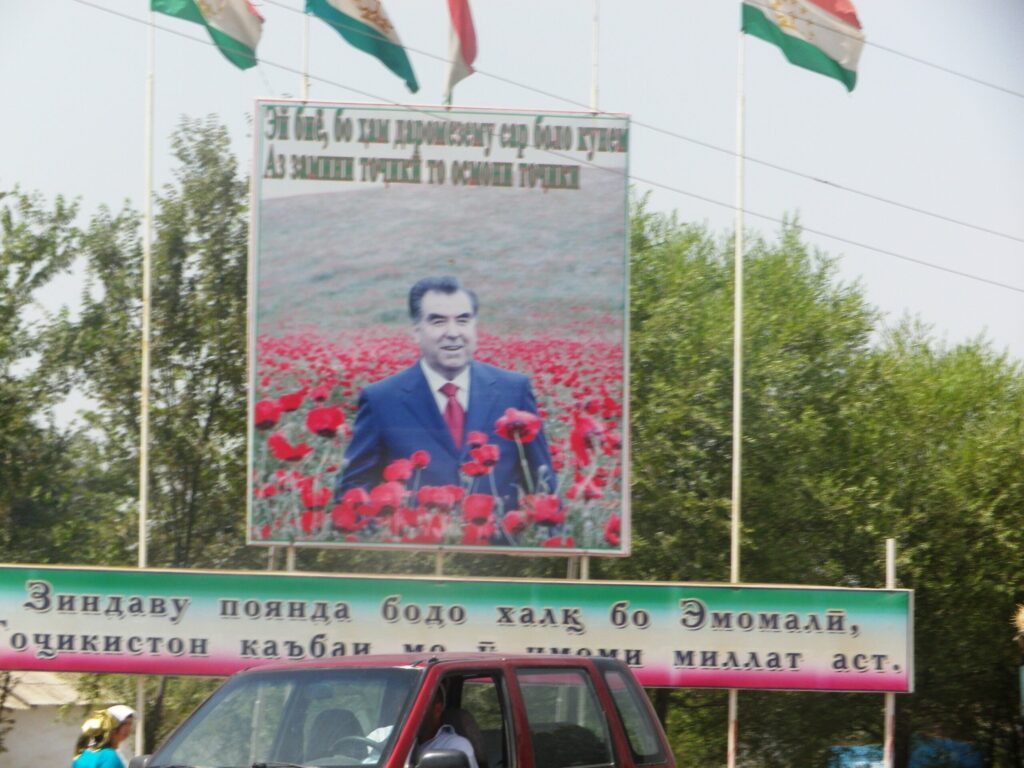
In December 2023, the chair of the U.S. Senate Committee on Foreign Relations, Ben Cardin sent a letter to the President of Tajikistan, Emomali Rahmon, urging him to cease acts of domestic and transnational repression against political opponents and religious minorities. “There are persistent reports of arbitrary arrest, denial of judicial due process, as well as acts of violence including torture, assault and even instances of murder of journalists, political dissidents, as well as community and religious leaders,” Cardin wrote.

In recent years, several Tajik journalists, activists, and opposition politicians have been sentenced to lengthy prison terms largely based on accusations of collaborating with organizations labelled as extremist or banned in Tajikistan.

Still a relatively young country, the official date of the independence of Tajikistan – a front-line state facing the extremism of the Taliban – is September 9th 1991. Whilst criticisms are warranted and accurate, particularly through the prism of western democracy, the crux of the problem would appear to be endemic corruption and weak institutions propagated by kleptocratic wealth and organized crime.

As to how high up the criminality goes, in 2000 the Tajik Ambassador to Kazakhstan was arrested in Almaty with 86 kilos of heroin in his car. In 2001, the Deputy Minister of the Interior was murdered, the prosecution in the case arguing he’d been assassinated for refusing to pay for a shipment of 50 kilos. A statement released by the UNDP in 2001 estimated that drug money accounted for between 30 -50% of the Tajik economy.

The year Tajikistan took over policing of its border with Afghanistan from the Russians, seizures of heroin halved. Piqued by the critical international response, President Rahmon levelled counter-allegations of Russian complicity in the heroin trade. “Why do you think generals lined up in Moscow all the way across Red Square and paid enormous bribes to be assigned here?” he complained to U.S. officials. “Just so they could do their patriotic duty?”
President Tokayev Calls on Italian Businesses to Invest in Kazakhstan

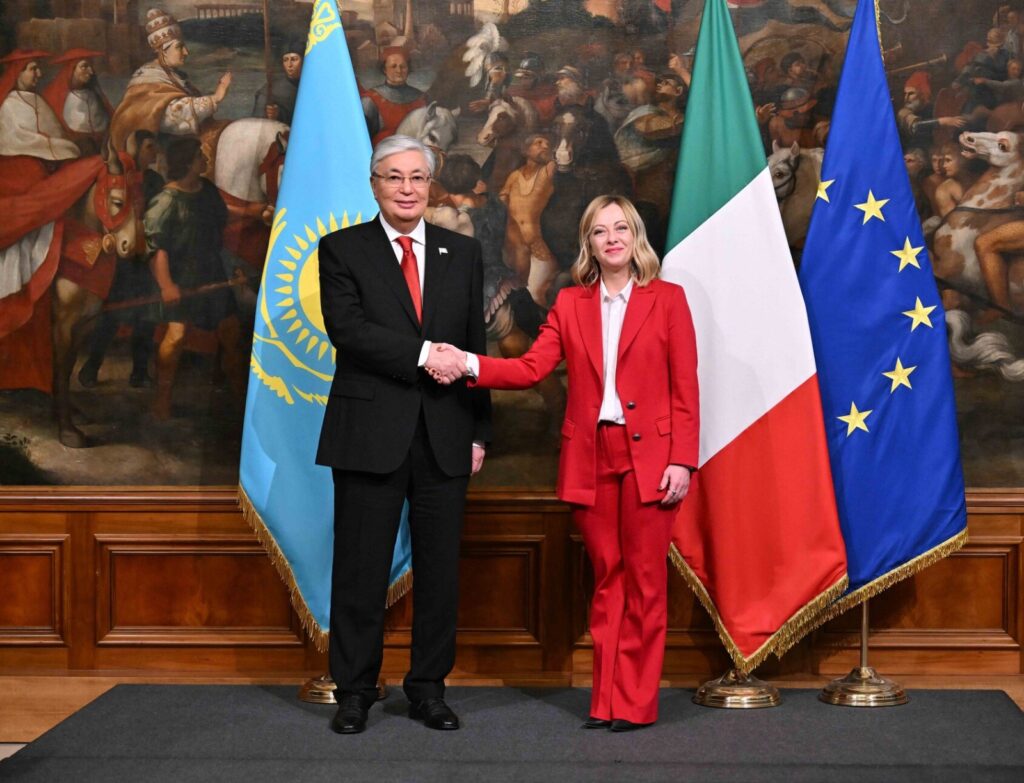
The President of Kazakhstan, Kassym-Jomart Tokayev on January 18th paid an official visit to Italy, holding talks with Prime Minister, Giorgia Meloni. During the discussion, Tokayev stated that Kazakhstan and Italy maintain a wide-ranging political dialogue and have established close economic cooperation, as well as fruitful cultural and humanitarian ties, his press service reported. “We are proud to be Italy’s main partner in Central Asia. Our economic cooperation is developing dynamically and has enormous potential for further growth,” Tokayev said.

Italy is among the largest investors in Kazakhstan’s economy, with trade turnover between the two countries amounting to approximately $15 billion, whilst direct foreign investment from Italy has reached $7.3 billion. More than 300 Italian companies currently operate in Kazakhstan, including such large investors as ENI, SDF Group, PetroValves, Maire Tecnimont, IVECO, and Tenaris.

Meloni confirmed Italy’s commitment to developing contacts with Kazakhstan, stating that “We consider your visit an excellent opportunity to further strengthen Kazakh-Italian relations.”

During the talks, the leaders focused on deepening cooperation in the spheres of trade, economy, investment, energy, transport and logistics, agriculture, culture, humanitarian, education spheres, and green energy.

In their joint statement, Tokayev and Meloni noted the launch of major transport and connectivity initiatives in Central Asia, particularly those related to the development of the Trans-Caspian International Transport Route. They also emphasized the importance of holding the Central Asia + Italy format meeting in Rome later in 2024, and in Kazakhstan in 2025.

As part of the visit, an agreement was signed between the Kazakh Samruk-Kazyna Fund and the Italian group of companies, Cassa Depositi i Prestiti on the creation of a joint investment fund and financing in manufacturing, energy and logistics, as well as a joint final investment decision between the Kazakh national oil and gas company, KazMunayGas, and the Italian company, ENI, on a joint project for the construction of a hybrid power plant (wind and solar) with a total capacity of 247 MW in Kazakhstan.

On the same day, President Tokayev attended the Investment Roundtable, Kazakhstan-Italy, in Rome. Speaking to representatives of the Italian business community, Tokayev stated that the energy sector is the main area of economic cooperation between the two countries. “More than 80% of Kazakhstan’s oil is exported to Europe, which provides for about 10% of the EU’s needs. I would like to express my gratitude to Italy, a long-time and reliable energy partner of Kazakhstan. We highly appreciate the contribution of the Italian flagship company ENI to the economy of Kazakhstan. Kazakhstan provides ample opportunities in the field of oil and gas exploration. We implement the best global practices to discover significant deposits. We also invite Italian companies to participate in servicing the oil and gas industry,” the President said.

Tokayev also called on Italian businesses to cooperate in the extraction and processing of critical raw materials. “According to World Bank estimates, there are more than 5,000 undiscovered deposits in Kazakhstan worth over 46 trillion dollars. Today, we already produce 19 of the 34 most important raw materials needed for the economy of the European Union. Deposits of another nine types of minerals, such as cobalt, tungsten, and lithium, can be developed if the necessary investments are available,” he said.

According to the President, another relevant area of cooperation is the transport and logistics sector. In an effort to become a regional hub, Kazakhstan is actively developing the Trans-Caspian international transport route. “The Middle Corridor effectively compliments [China’s] Belt and Road Initiative. We intend to link it to the EU’s Trans-European Transport Network and the Global Gateway strategy,” Tokayev said, adding that over the past 15 years, Kazakhstan has invested more than $35 billion in transport infrastructure, and plans to build over 1,300 kilometers of railways over the next three years, which will increase the transportation of goods to and from China, South Asia, and Europe.

Tokayev also invited Italian investors to take an active part in the development of Kazakhstan’s ports, the joint production of transport vessels, and the creation of logistics centers. “With 13 international routes across Kazakhstan and direct flights between Almaty and Milan, we are connected like never before. We welcome plans to open direct flights between Astana and Rome and Milan. This will certainly contribute to the development of our economic relations and connections between people, as well as the promotion of tourism,” Tokayev concluded.

Mirziyoyev to Visit China – Strengthen Strategic Partnership

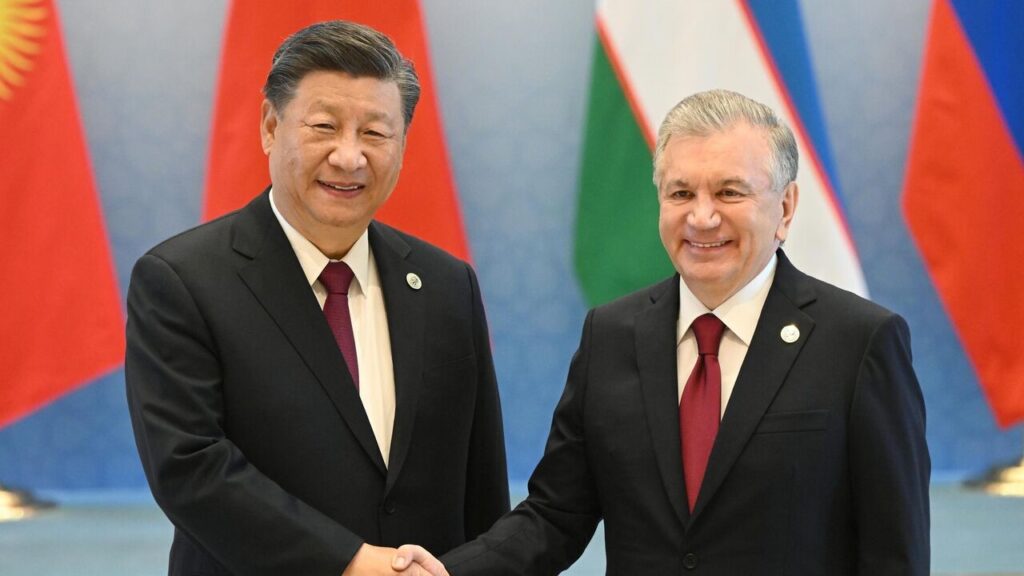
At the invitation of the Chinese President, Xi Jinping, President Shavkat Mirziyoyev will make a state visit to China from January 23rd to 25th, the press service of the President of Uzbekistan has reported.

Within the framework of his stay in Beijing, a series of high-level talks and bilateral meetings are planned. The main objective of the visit will be to discuss and settle key aspects in further strengthening Uzbek-Chinese relations, with the aim of establishing a comprehensive strategic partnership and expanding practical cooperation in various fields. The partnership between Uzbekistan and China is of great strategic importance, the press service stated.

In addition, Mirziyoyev also plans to visit regions of China, where he will hold meetings with the heads of leading Chinese companies and representatives from banking and financial institutions.

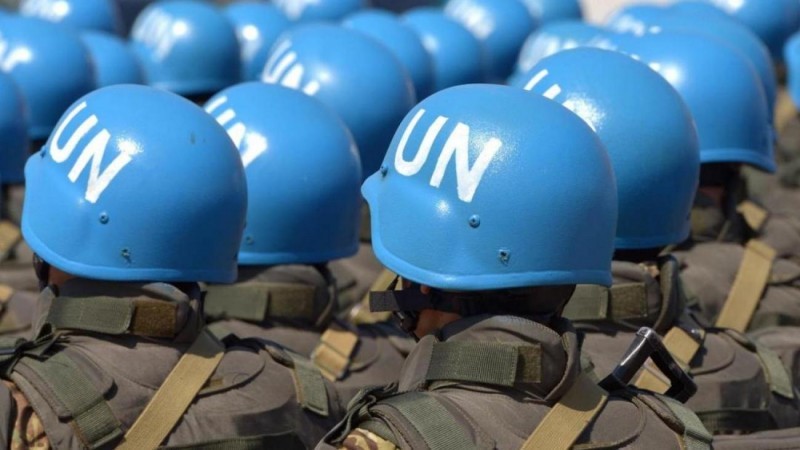
Kazakhstan to Send Peacekeepers on UN Missions

Kazakhstan has decided to send peacekeepers to the Middle East and Africa following a proposal by President Kassym-Jomart Tokayev. At a joint session of Parliament, deputies of the Mazhilis and Senate unanimously expressed their consent to send up to 430 service personnel to participate in the United Nations missions.

The initiative envisages the participation of personnel from Kazakhstan in the following missions: UN Disengagement Observer Force in the Golan Heights (UNDOF, Syria – Israel), UN Truce Supervision Organization (UNTSO, Palestine – Israel), UN Mission in the Republic of South Sudan (UNMISS, South Sudan), and the UN Interim Security Force for Abyei (UNISFA, Sudan).

“The Armed Forces of Kazakhstan are ready to allocate both individual servicemen as military observers and staff officers, and specialized units: infantry, medical, reconnaissance, engineering, which are most needed in UN missions,” said Minister of Defense, Ruslan Zhaksylykov.

To implement this decision, an international treaty will be concluded with the UN, which will determine the obligations of the parties, as well as the issues of financial and logistical support for the participation of the contingent in the mission. Transportation of service personnel and property will be at the expense of the Kazakhstani side.

This decision reflects Kazakhstan’s desire to look outward, take its place on the global stage, and participate more actively in international efforts. The deployment is set to begin in March 2024.[/vc_column_text][/vc_column][/vc_row]

Changes in Composition of National Kurultai

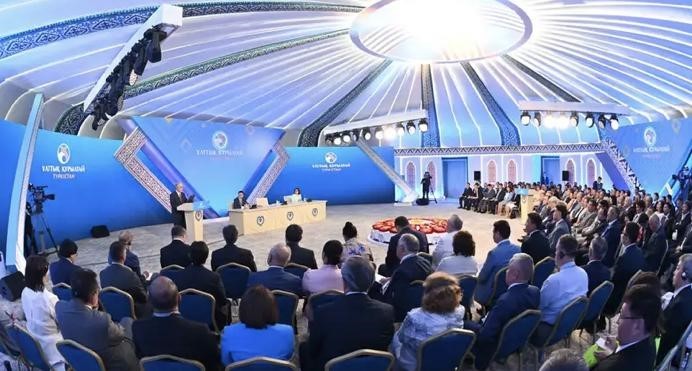
The Kurultai is a body which brings together representatives from different sectors of society to address important public issues. The involvement of public representatives and activists in the work of the Kurultai testifies to an aspiration for a broader and more comprehensive discussion and decision-making process at a national level.

On January 19th there were changes to the composition of the National Kurultai, with Bauyrzhan Alteyev, Amangeldy Tolamisov, Gulmira Kanai, Sergey Ogai, Zhiguli Dairabayev, Kazbek Maigeldinov, Berik Uali, Anastasia Timoshchenko-Borovikova, Serik Sarybai, Daulet Turlykhanov, Alexei Lodochnikov, Sarsen Kuranbek, and Edik Sularov leaving their posts.

At the same time, new representatives were added, including the children’s ombudsman, Dinara Zakieva, and Mazhilis deputies, Nikita Shatalov and Nurlan Auesbayev. In addition, representatives of public councils from various regions were added.

Preparations are currently underway for the third meeting of the National Kurultai, which is scheduled for this spring.

Kaspi.kz Announces Plans for NASDAQ IPO

Kaspi.kz, the prominent financial and technological holding, has revealed its decision to launch an Initial Public Offering (IPO) on the renowned NASDAQ exchange in the United States. Representatives of the holding shared their intention to offer nine million depositary shares on the exchange, with each equivalent to one ordinary share in the company. The pricing of these shares will be determined through the bookbuilding process and the closing price of the global depositary receipt (GDR) on the day of the offering.

Kaspi’s shares are currently trading at $98.10 on the London Stock Exchange, and If this valuation is replicated funds raised from the IPO are estimated to reach $873,000,000, placing the market value of Kaspi.kz at $18.4 billion. The expected determination of the IPO price is set for the end of the application collection, during the night of January 18th to 19th, Astana time.

Kaspi.kz initially expressed its intention to partake in the NASDAQ IPO in October of the previous year, formally filing the application in December. The holding aims to list American depositary shares (ADS) on the Nasdaq Global Select Market (Nasdaq) under the symbol ‘KSPI.’ Kaspi.kz shares are already traded on the London Stock Exchange (LSE), Kazakhstan Stock Exchange (KASE), and Astana International Stock Exchange (AIX). The underwriters for the U.S. placement will be Morgan Stanley, JP Morgan, and Citigroup.

Kaspi.kz operates across three platforms: payments, marketplace, and fintech, offering a range of services such as online payments, peer-to-peer transfers, personal funds management, and online shopping. The group comprises Kaspi Shop LLP, Kaspi Bank LLP, Kaspi Pay LLP, and Kaspi Travel LLP. As of January 1st, 2024, major shareholders include Baring Vostok fund (26.13%), Vyacheslav Kim (22.27%), and Mikhail Lomtadze (23.42%).