• KGS/USD = 0.01144 0%
  • KZT/USD = 0.00212 0%
  • TJS/USD = 0.10456 0.19%
  • UZS/USD = 0.00008 0%
  • TMT/USD = 0.28490 0%
  • KGS/USD = 0.01144 0%
  • KZT/USD = 0.00212 0%
  • TJS/USD = 0.10456 0.19%
  • UZS/USD = 0.00008 0%
  • TMT/USD = 0.28490 0%
  • KGS/USD = 0.01144 0%
  • KZT/USD = 0.00212 0%
  • TJS/USD = 0.10456 0.19%
  • UZS/USD = 0.00008 0%
  • TMT/USD = 0.28490 0%
  • KGS/USD = 0.01144 0%
  • KZT/USD = 0.00212 0%
  • TJS/USD = 0.10456 0.19%
  • UZS/USD = 0.00008 0%
  • TMT/USD = 0.28490 0%
  • KGS/USD = 0.01144 0%
  • KZT/USD = 0.00212 0%
  • TJS/USD = 0.10456 0.19%
  • UZS/USD = 0.00008 0%
  • TMT/USD = 0.28490 0%
  • KGS/USD = 0.01144 0%
  • KZT/USD = 0.00212 0%
  • TJS/USD = 0.10456 0.19%
  • UZS/USD = 0.00008 0%
  • TMT/USD = 0.28490 0%
  • KGS/USD = 0.01144 0%
  • KZT/USD = 0.00212 0%
  • TJS/USD = 0.10456 0.19%
  • UZS/USD = 0.00008 0%
  • TMT/USD = 0.28490 0%
  • KGS/USD = 0.01144 0%
  • KZT/USD = 0.00212 0%
  • TJS/USD = 0.10456 0.19%
  • UZS/USD = 0.00008 0%
  • TMT/USD = 0.28490 0%

Flowers Laid at Tajikistan’s Monument to Kazakh Soldiers

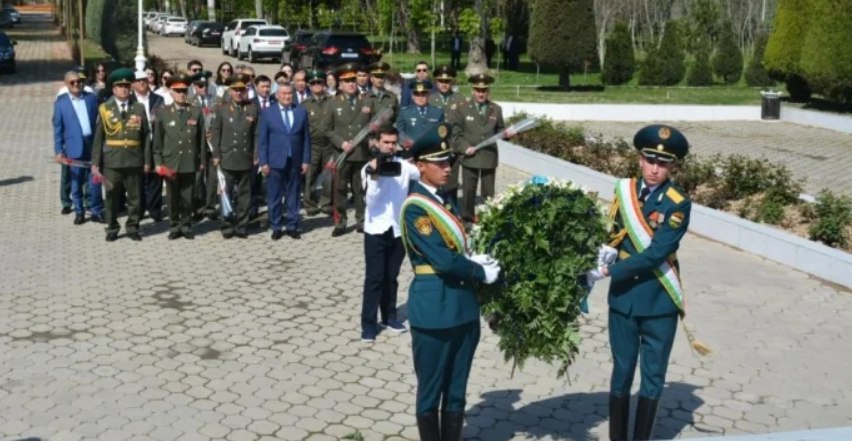
On April 11, a wreath-laying ceremony was held at the monument to the Kazakh soldiers who died on April 7, 1995, while guarding the external borders of the Commonwealth of Independent States (CIS) on the Tajik-Afghan border, according to a report from Avesta.

Officials taking part in the ceremony included Kazakhstan’s Ambassador Extraordinary and Plenipotentiary to Tajikistan, Valikhon Turekhanov, representatives of the Union of Honorary Internationalists of Tajikistan, veterans of the Border Service, and active military personnel from Tajik armed forces.

The participants at the event noted that the Kazakh soldiers had performed their military duty at the cost of their lives, whilst all the while remaining faithful to the military oath.

The monument commemorating the bravery of the Kazakh soldiers was opened on December 15, 2007, in the Firdavsi recreation park in Dushanbe. In 2021, the park was renovated and restored with the support of the Embassy of Kazakhstan in Tajikistan, the Ministry of Defense and National Guard of the Republic of Kazakhstan, and other public organizations.

On April 7, 1995, the seventh joint company of the Kazakh military was attacked by mujaheddin in a gorge at Pshikharv Mountain on the Tajikistan-Afghanistan border. The militants were defeated in the ensuing battle.
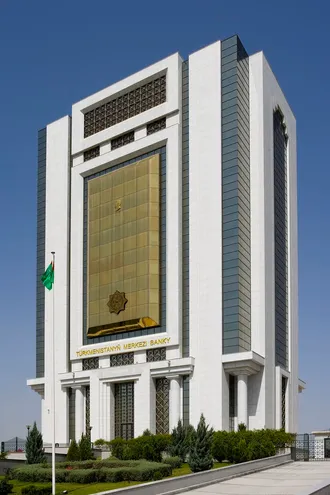

People in Turkmenistan Losing Money Due to Bank Glitches

According to news portal Turkmen.news, clients of a number of banks in Turkmenistan are inexplicably losing money from their accounts due to technical problems. On April 8-9, Dayhanbank customers discovered deficits of several hundred manat in their accounts. The amounts ranged from about 150 ($88.24) to 800 manat ($470.59). and in some cases their accounts were left in the red.

When customers complained to the bank, they said it was a technical glitch and everything would be back to normal by the evening. In most cases, the amounts withdrawn was refunded to the customer’s account later that same day.

According to the report, only by obtaining a bank statement and carefully checking all expenses would one be able to identify the discrepancy.

Spanish Manufacturer to Relocate from Russia to Kazakhstan

Following the recent closure of its production facilities in Russia, where it was the country’s largest manufacturer of sanitary ware, Spanish company Roca is to open a plant in Kazakhstan.

The announcement was made following a meeting on 10 April between company representatives and Asel Suankulova, Deputy Director of the Department for Attracting Investments and Marketing of JSC National Company Kazakh Invest.

Roca, which annually sells 500 units of products throughout Central Asia, has already established an office in Almaty and plans to open a new logistics centre to export its products to nearby countries.

The Spanish company has been assured of Kazakhstan’s support through investment initiatives including access to local raw materials, such as kaolin and quartz to produce its ceramic wares.

Kyrgyzstan Remains Import-Dependent

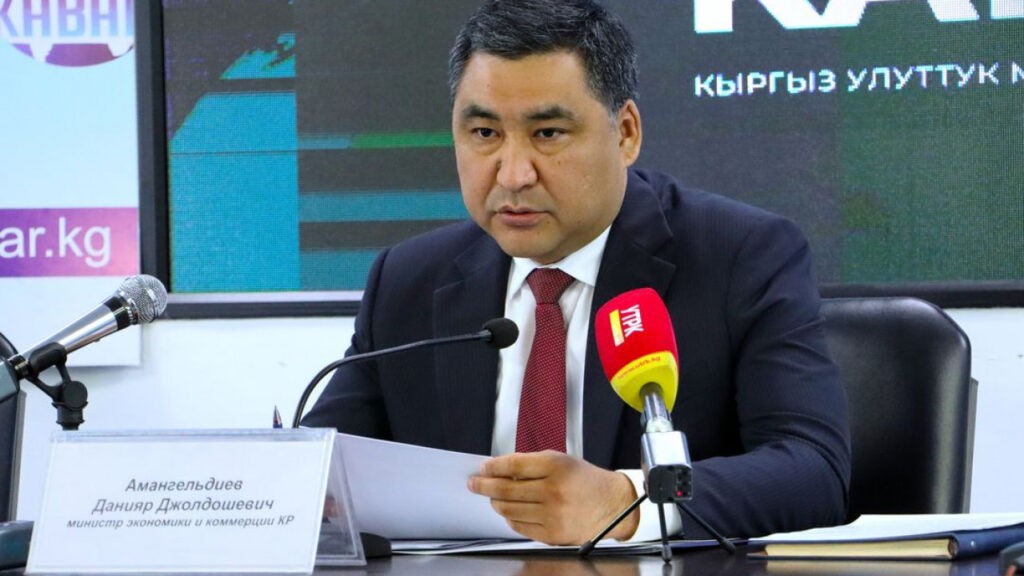
At a press conference on April 11, Minister of Economy and Commerce of the Kyrgyz Republic Daniyar Amangeldiev reported that amounting to $2.255 billion in January- February, Kyrgyzstan’s foreign trade turnover had increased by a 28.3% compared to the previous year.

Kyrgyzstan’s exports increased by 18.4% to $307.5 million and imports rose by 30%, to $1.947 billion.

At the beginning of the year, Kyrgyzstan’s trade with fellow members of the Eurasian Economic Union (EAEU) — Armenia, Belarus, Kazakhstan, and Russia — amounted to $482.7 million, illustrating a fall of 17.9% compared to the same period in 2023. Most of the country’s trade with the EAEU was with Russia (69.4%) and Kazakhstan (28.2%).

Compared to January-February 2023, Kyrgyzstan’s trade with other countries grew 1.5-fold and reached $1.8 billion.

Kazakhstan and Finland to Collaborate on Rail Transportation

KTZ Express JSC (a subsidiary of Kazakhstan’s national railways company Kazakhstan Temir Zholy) and Finnish Nurminen Logistics Services Oy, have signed a Memorandum of Cooperation for container transportation from China to Finland along the Trans-Caspian International Transport Route (TITR) through the Kazakhstan.

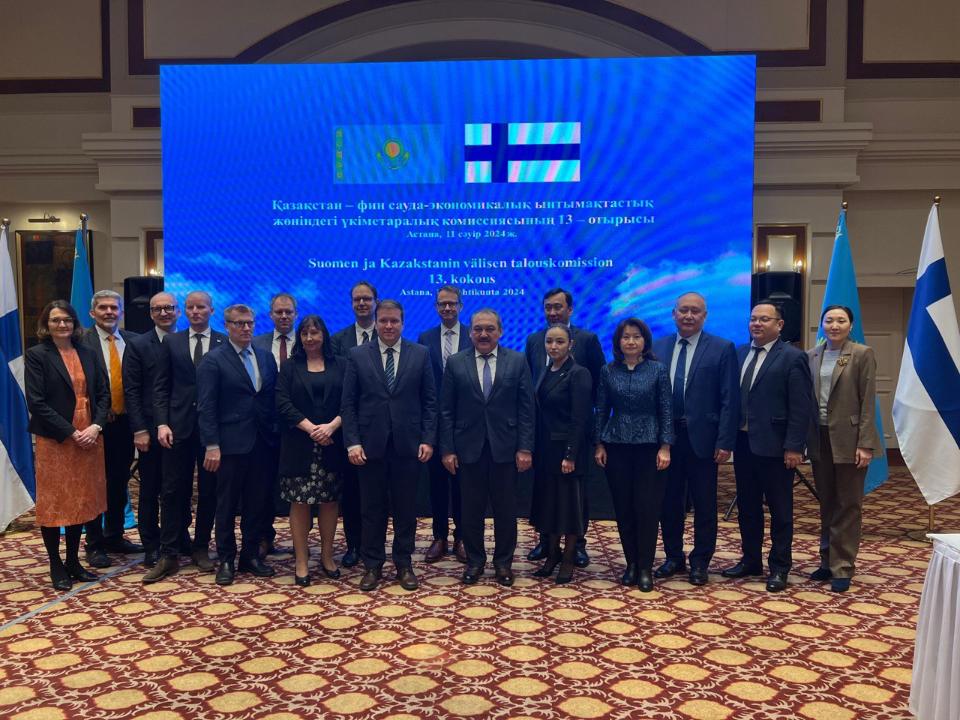
At a meeting of the Kazakh-Finnish intergovernmental commission on April 11 in Astana, Deputy Minister of Transport of Kazakhstan Maksat Kaliakparov emphasized the strategic importance of cooperation and development of transit opportunities between the two countries regarding trade between China and Southeast Asian countries and the European Union:

“Kazakhstan is the main link in the TITR, or the Middle Corridor, and has already shown potential as an alternative to East – West routes. This is evidenced by an 86% increase in cargo transhipment through the seaports of Aktau and Kuryk, the volume of which rose to 2.8 million tons. The TITR is a ‘green-light’ corridor. Today, the cargo transit time has been reduced from 23 to 14-18 days, including 5 days in Kazakhstan. In 2023, the volume of cargo transportation along the TITR increased by 65%.”

To illustrate the potential for cargo transportation between Kazakhstan and the EU, Kaliakparov reported a steady rise in the transportation of cargo through Kazakhstan along the China-Finland-China route. Compared to the previous year, in 2023, the volume of cargo transported by rail increased by 25% (4.3 million tons), and by road, by 14% (7.3 million tons).

USAID Oasis Project on Course to Restore Aral Sea Ecosystem

The U.S. Embassy in Kazakhstan has announced that from 12 – 16 April, the United States Agency for International Development (USAID) will visit the Oasis project on the former shores of the Aral Sea in the Kyzylorda region of Kazakhstan.

Launched in 2021, the Oasis is integral to Environmental Restoration of the Aral Sea Activity (ERAS-I); a larger initiative spawned by USAID in cooperation with the Executive Directorate of the International Fund for Saving the Aral Sea.

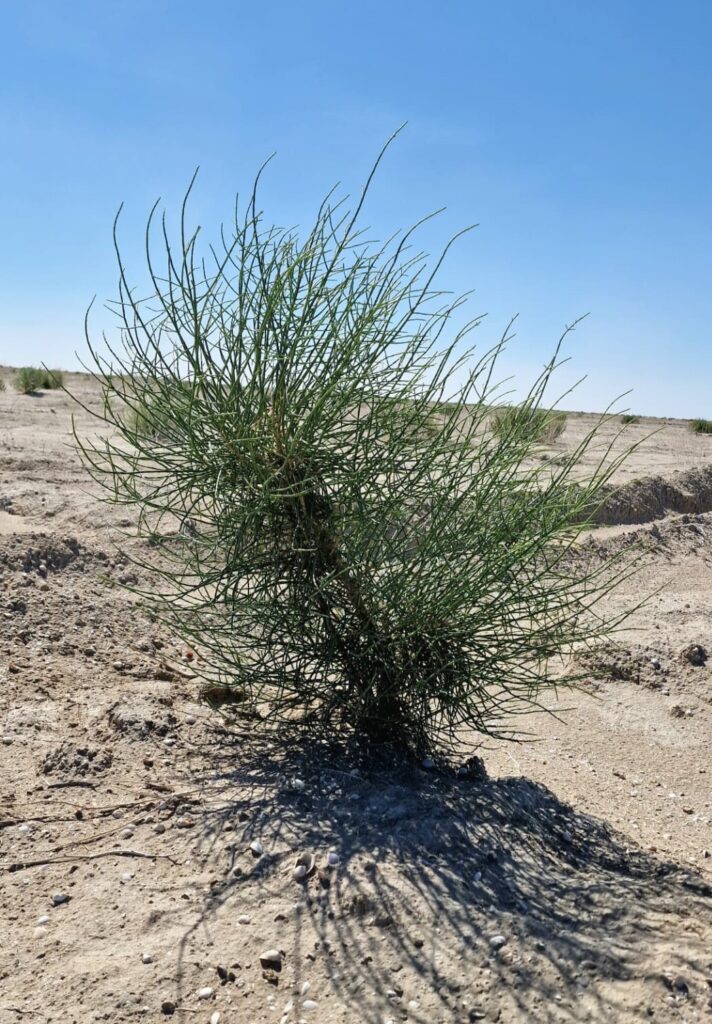
Comprising a 500-hectare demonstration site for testing black saxaul shrubs, the project represents a first step in restoring the local ecosystem and demonstrates the willingness of governments, NGOs, and local communities to collaborate on building resilience against environmental threats to Central Asia.

In advance of the expedition to commemorate the project’s success and celebrate the efforts of those who contributed to its realization, U.S. Ambassador to Kazakhstan, Daniel Rosenblum, stated:
“The testing and research at the Oasis will benefit not only Kazakhstan communities in this region, but will also inform ecosystem restoration efforts throughout the Aral Sea region. Working together with national and international partners, we are proud to be part of this mission to find collaborative solutions to build climate resilience in Central Asia.”

The Aral Sea disaster is one of the worst ecological catastrophes in human history. Formerly the fourth largest lake in the world, the Aral Sea began shrinking in the 1960s when water from the rivers that fed it was redirected for agricultural irrigation. Today, the Aral Sea is only 10% full. The subsequent birth of the Aralkum Desert and the sand and dust storms rising from the world’s newest desert have both polluted the environment and severely affected the health in local communities.