Central Asia and Britain Launch CA5+UK Ministerial Track
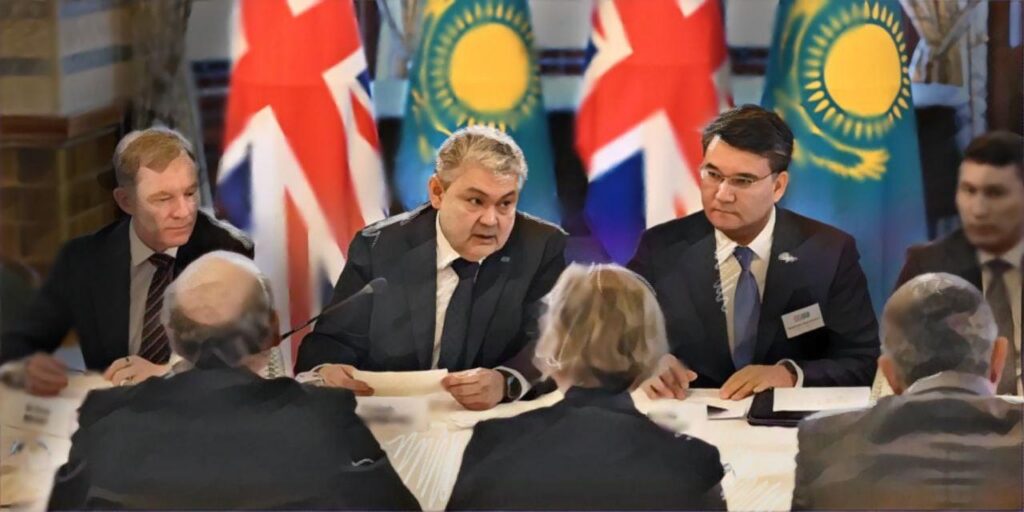
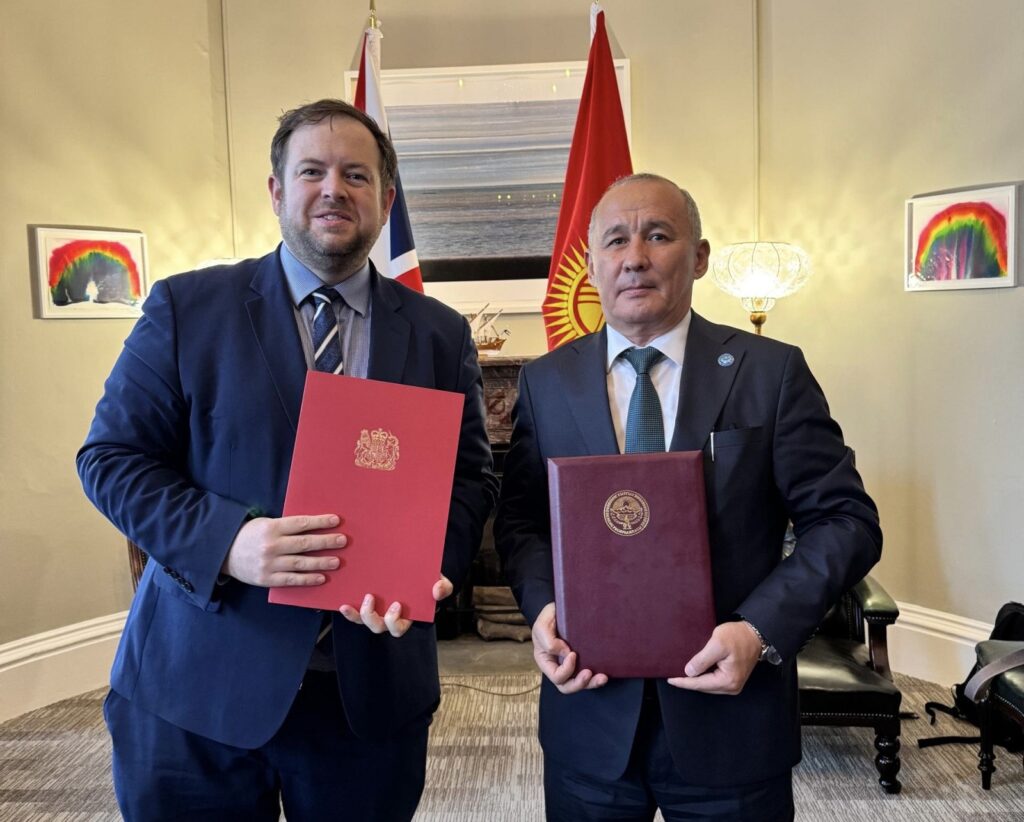
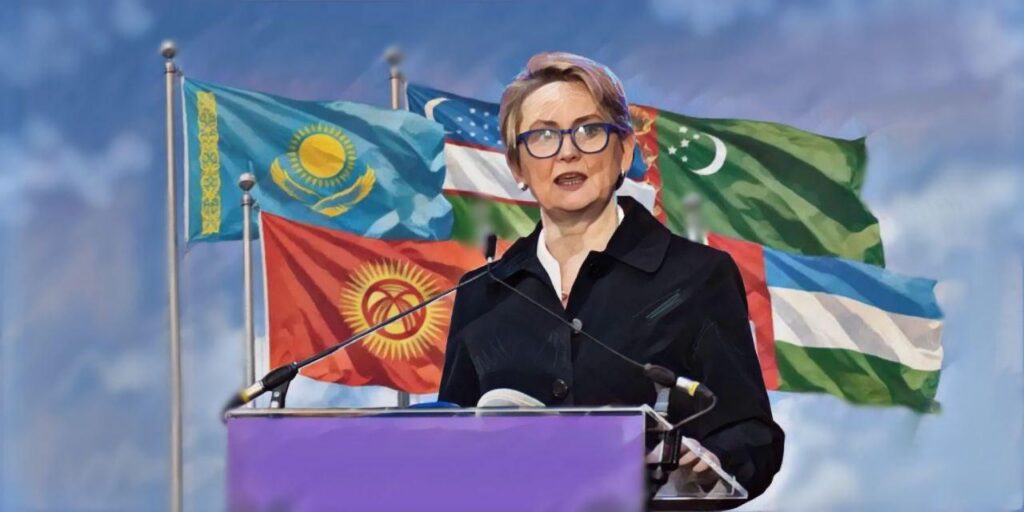
On February 26, 2026, the foreign ministers of Kazakhstan, Kyrgyzstan, Tajikistan, Turkmenistan, and Uzbekistan met in London with United Kingdom Foreign Secretary Yvette Cooper at Lancaster House for the inaugural “Central Asia–UK” (CA5+UK) ministerial. Official statements described it as the first time since independence that all five Central Asian foreign ministers have met jointly with a UK foreign secretary in a single forum. They also presented the meeting as the start of a structured ministerial channel, intended to convene regularly, that can carry regional priorities while leaving bilateral agendas in place. The United Kingdom is framing the new CA5+UK channel as a replacement for scattered bilateral visits: a single ministerial venue can set shared priorities and route them into investment and services work. For the five Central Asian states, it adds another external track, widening options without forcing institutional choices. Public statements point to a practical agenda focused on trade and investment, transport connectivity, energy transition, and critical minerals, with security present chiefly as background context. The enabling layer of finance, standards, education, and professional services is also included. How the London Program Unrolled On February 25, meetings took place at the British Parliament as part of the London schedule. The five ministers met with House of Commons Speaker Sir Lindsay Hoyle and held a session with the All-Party Parliamentary Group for Central Asia, chaired by Pam Cox. The meetings in Parliament complemented the ministerial session at Lancaster House by widening contact beyond foreign ministries. The discussion emphasized committee-to-committee contacts, visits, and exchange of legislative practice as a complement to intergovernmental diplomacy. Parliamentary relationships and staff channels can carry attention between ministerial sessions, assisting with follow-up after cooperative contacts have been publicly established. They represent a second continuity layer: implementation often turns on routine access and working familiarity rather than on formal statements alone. Between the parliamentary program and the ministerial delegations, they also met with the United Kingdom business community at a reception in London. This was a practical companion to the new format, aiming at the conversion of diplomatic intent into projects that can be financed and executed. Kazakhstan’s Foreign Minister Yermek Kosherbayev cogently highlighted the Astana International Financial Centre (AIFC), which operates under English common law with an independent court and arbitration system and British judges in the AIFC Court. Beyond the plenary session, a ministerial working lunch provided a venue to follow up on such initiatives. Early deliverables were not multilateral but bilateral. Kazakhstan and the United Kingdom signed a strategic roadmap on critical minerals through 2027 and paired it with education moves, including a licensed Coventry University campus in Almaty and plans involving British secondary and higher education institutions. Uzbekistan reported a Memorandum of Understanding on healthcare services that it presented as a platform for building pharmaceutical manufacturing capacity, alongside separate discussions with investment and finance counterparts in London. Turkmenistan cited a 2026–2027 cooperation program between foreign ministries, and Tajikistan continued to emphasize investment and cooperation in science and education. CA5+UK Launches with Bilateral Packages...