On December 3, President Shavkat Mirziyoyev reviewed proposals to expand production, increase exports, and reduce costs in Uzbekistan’s chemical industry, according to a statement from the presidential press service.
The government aims to double the size of the chemical sector by 2030, increase mineral fertilizer production by 1.5 times, and boost annual exports to $1 billion. Currently, 21 major projects worth $1 billion are underway, with an additional $4.5 billion in investments planned over the next three years.
Officials noted that many of Uzbekistan’s large chemical plants still rely on outdated equipment, resulting in high energy consumption and limited competitiveness. For instance, energy costs account for up to 55% of the production price of nitrogen fertilizers. The introduction of energy-efficient technologies and expanded digital management systems was emphasized as a key strategy to reduce production costs across the sector.
Despite strong global demand for chemical products and favorable logistics in neighboring markets, where potential demand is estimated at $1 billion, Uzbekistan has yet to fully tap into these opportunities. Officials proposed increasing domestic raw material processing to develop new products and at least double current export volumes.
In 2025, new production lines for “green” mineral fertilizers, cyanide salts, potassium xanthate, and potassium sulfate began operating in the Tashkent, Navoi, and Jizzakh regions.
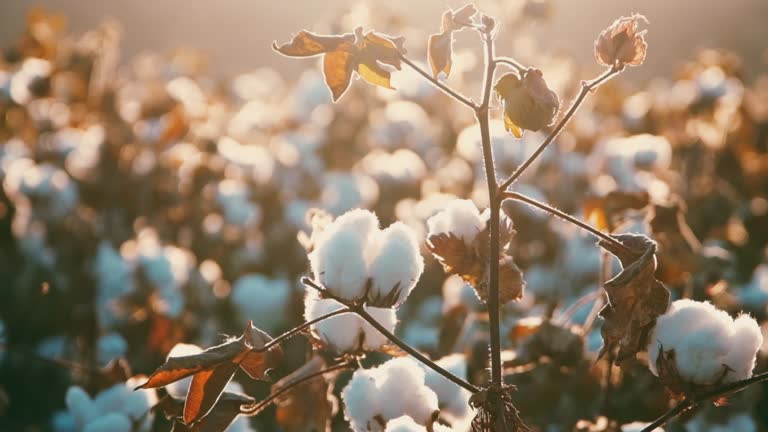
In parallel, the government has set a target to produce 4.5 million tons of cotton next year. To support this goal, authorities have instructed officials to build strategic reserves of phosphorus fertilizers, maintain steady supplies of sulfuric acid to manufacturers, and begin issuing preferential loans to farmers for fertilizer purchases as soon as possible.
Mirziyoyev underscored the chemical industry’s strategic role in the national economy, directing officials to ensure reliable domestic supply, enhance export capacity, and create new jobs in the sector.
Uzbekistan’s textile industry has also experienced rapid growth. Since 2017, cotton yarn production has more than doubled, knitted fabric output has increased significantly, and garment manufacturing has expanded from under 1 billion units to over 3 billion. As a result, textile exports have risen from approximately $1.1 billion in 2016 to an estimated $2.8 billion in 2024.