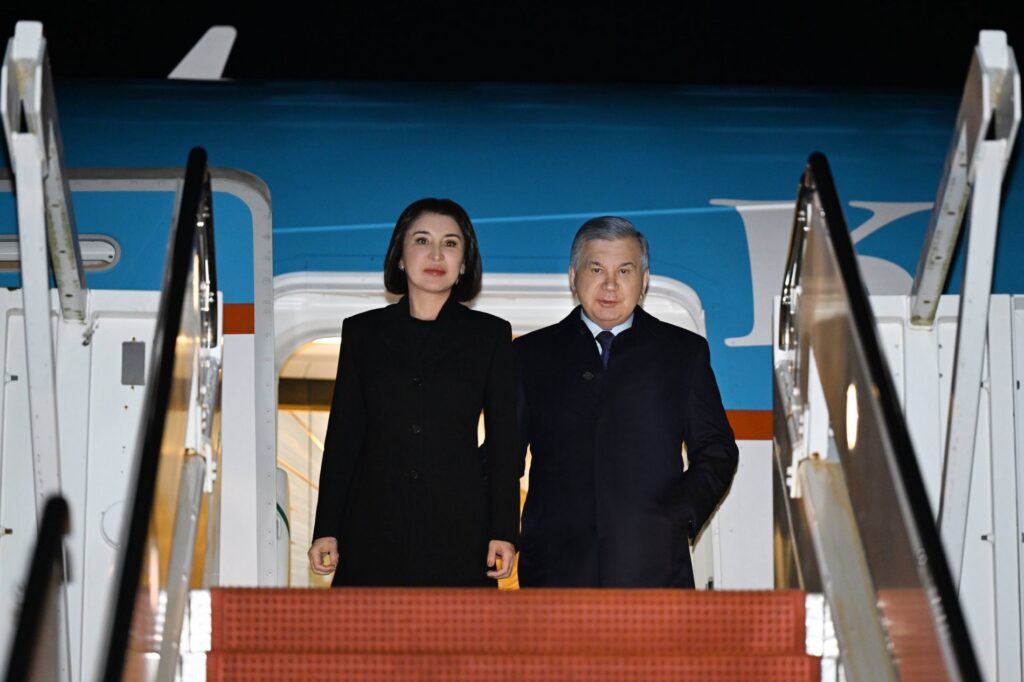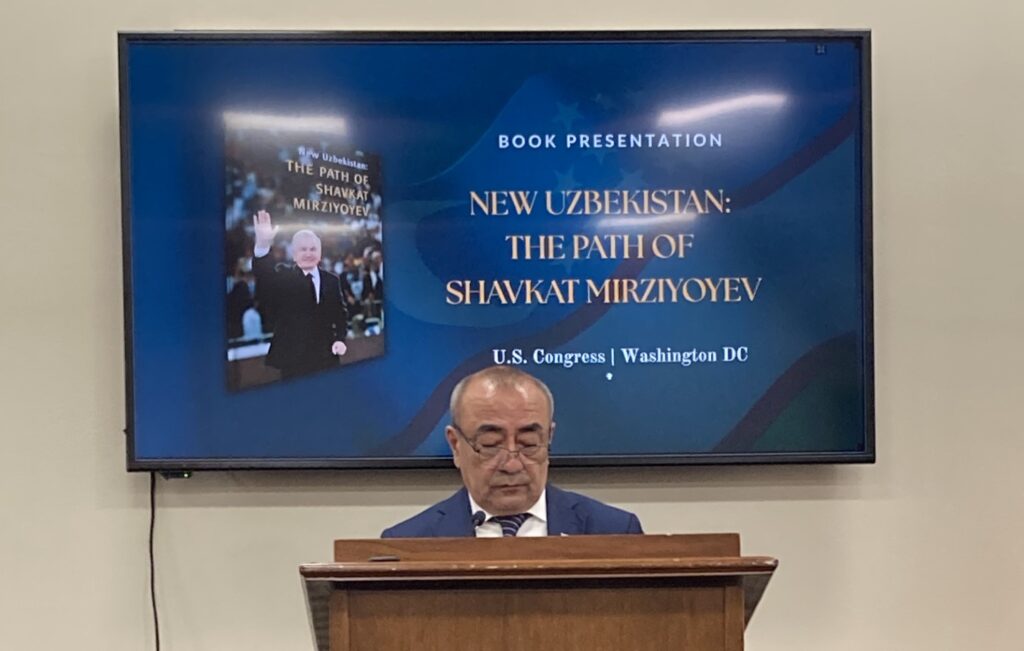
Speaking at the United Nations in New York on September 23, President Mirziyoyev of Uzbekistan made it clear that he no longer adheres to his predecessors’ post-Soviet policies of isolation and ‘go-it-alone’ economic development strategy – those days are over.
Uzbekistan today – or so the evidence suggests – is more open for business than at any time in its history, with the caveat that deals must be win-win, strategic, fair, and reciprocal. Though it’s unclear what that precisely entails, both Washington and Tashkent are clearly working to accelerate capital and trade flows.
“[Our] top-priority goal”, Mirziyoyev said at the United Nations, “is to fundamentally transform the lives of each and every family and citizen in our country, to enhance human dignity and wellbeing.” These are not mere words, but stand at the core of Uzbekistan’s efforts to build a new nation on the back of its – until recently – entirely archaic Soviet era socio-economic institutional structures and often ossified old ways of thinking.
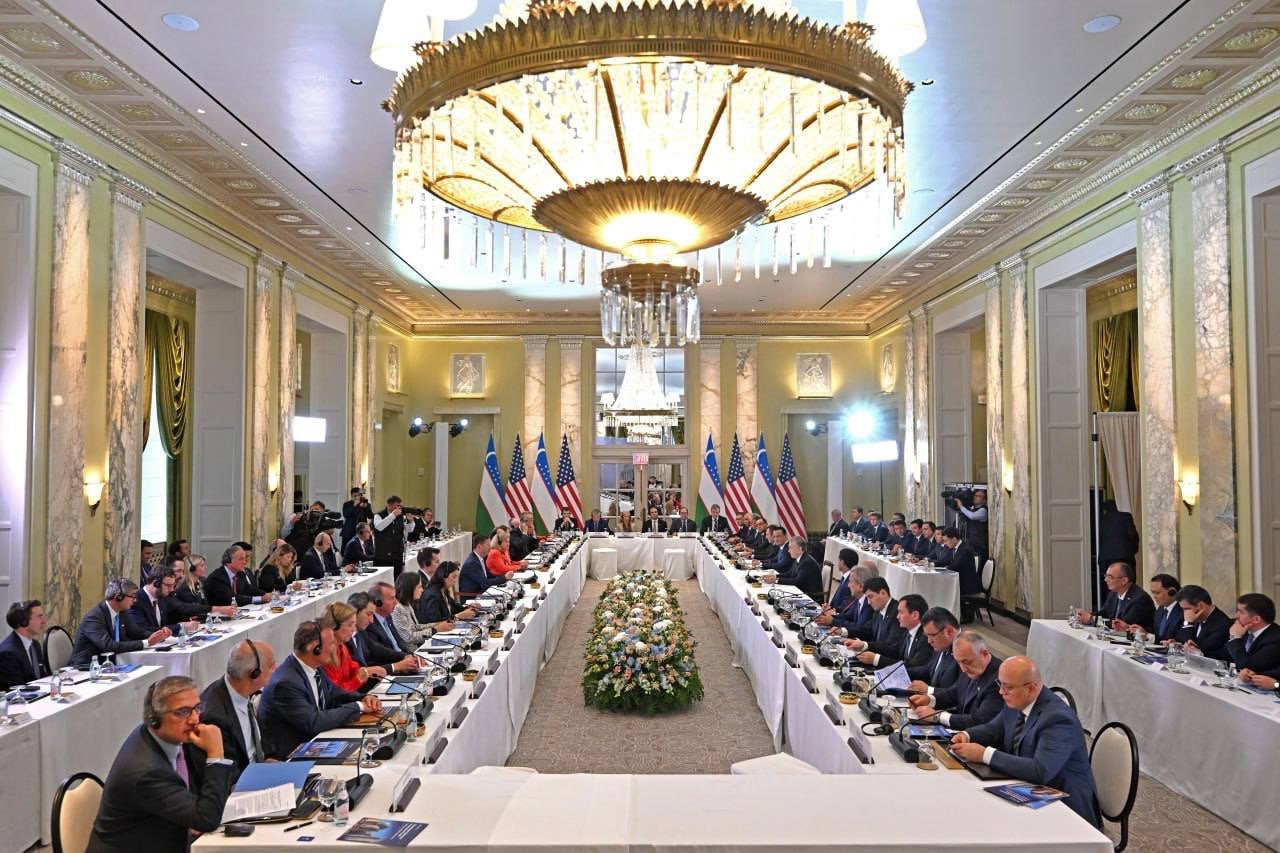
With this in mind, the main event of Mirziyoyev’s recent New York visit – besides his meeting with President Trump – was the high-level US-Uzbekistan investment roundtable with senior executives of major U.S. corporations and financial institutions.
The roundtable was more than just symbolic. Its strong turnout underscored both the U.S. and Uzbek commitment to advancing joint initiatives in key sectors, including strategic minerals, transport infrastructure, energy, and smart agriculture. Top executives from Boeing, Citigroup, BNY Mellon, NASDAQ, Nvidia, Mastercard, Visa, General Motors, Jefferies, Oppenheimer, Cleveland Clinic, Cargill, and other U.S. corporations descended on the meetings in force, clearly eager to court the president and his team.
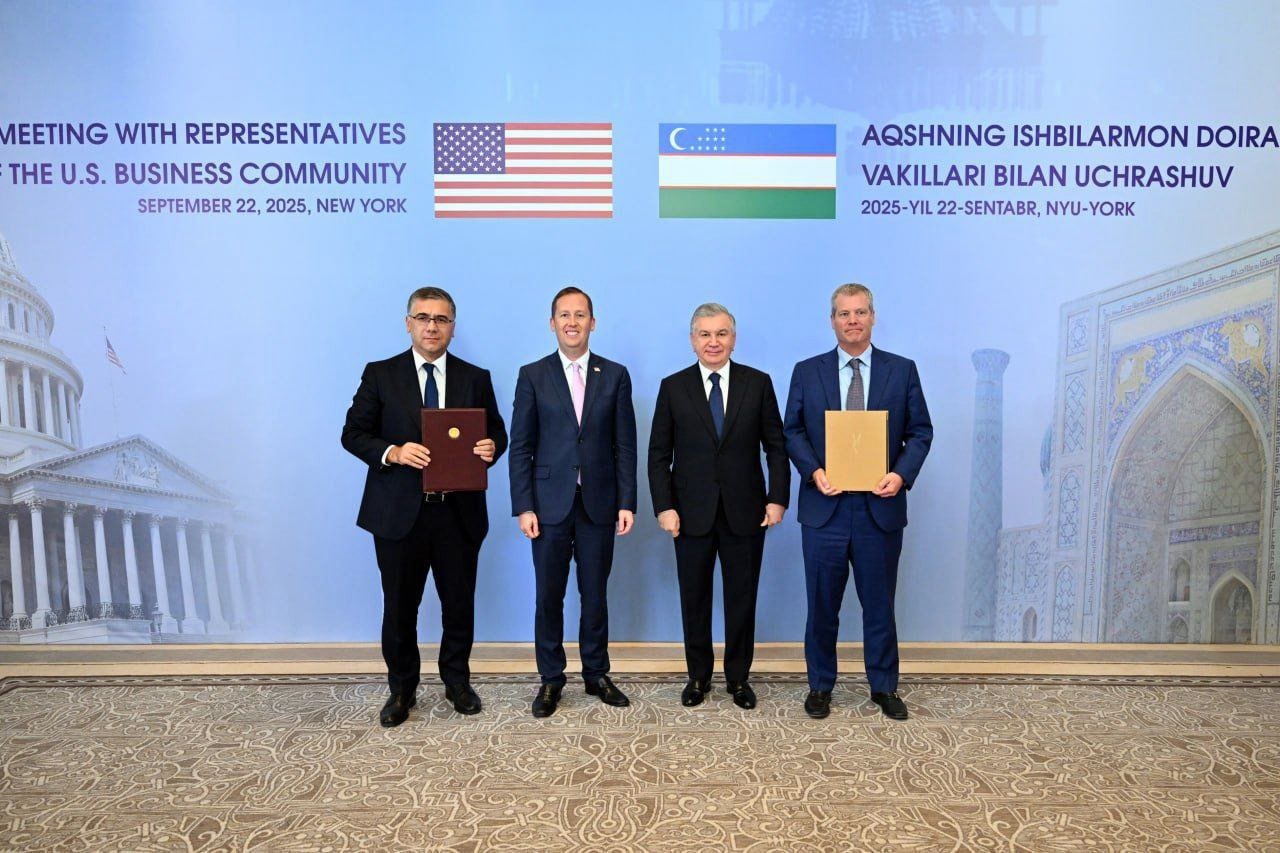
Image: president.uz
At their face-to-face meeting, President Trump personally congratulated Mirziyoyev on the landmark $8 billion Boeing-Uzbekistan Airways deal, projected to generate over 35,000 U.S. jobs – that in itself is not news. Rather, the NY business roundtable appears to have signaled that the American business community is more than just sniffing around for deals. Undoubtedly, a key force behind this growing interest is Washington’s expanding engagement with Uzbekistan.
Highlighting Washington’s strategic swing towards Uzbekistan, Mirziyoyev, Sergio Gor, U.S. Special Envoy for South and Central Asian Affairs, and William Kimmitt, Under Secretary of Commerce for International Trade, attended the signing ceremony of bilateral agreements, which ranged from transport, logistics and AI to mining, healthcare, and financial services. Their presence helped move discussions from initial interest to serious dealmaking.
To dispel investor uncertainty related to sovereign risk and other hidden booby traps often embedded in cross-border investment agreements, Mirziyoyev declared: “I assure you, I personally guarantee the success of U.S. companies operating in Uzbekistan. At the Ministry of Investments, a dedicated Deputy Minister for U.S. Affairs has been appointed. He will accompany you 24/7.”
While this makes plain Uzbekistan’s shift from aid recipient to active economic player, it’s also an attempt to shore up “investor butterflies” who are wary of corruption and shaky legal remedies in the event of contract disputes.
Moreover, recognizing that companies are often cautious about entering new markets, Washington has taken additional steps to encourage American companies to invest in Uzbekistan – at least so it would seem from the literature. For example, the U.S. Department of State’s newly released September 2025 Uzbekistan Investment Climate Statement strikes an overall positive note, avoiding the overly cautious or even negative framing often seen in such reports in the past.
With pragmatism in hand and a more engaged Washington, the long-awaited U.S. pivot to Central Asia appears to be taking shape. Strong, realism-based diplomatic efforts, if sustained and smart, should encourage deeper ties between the two countries and, over time, generate job opportunities in both the U.S. and Uzbekistan, a matter of concern for China and Russia.